


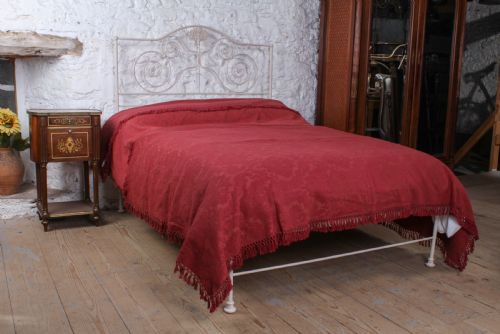

Decorative Iron Bed Frame
A decorative iron bed frame brings sturdy character to a bedroom, combining metalwork with enduring style.
Decorative Iron Bed Frame
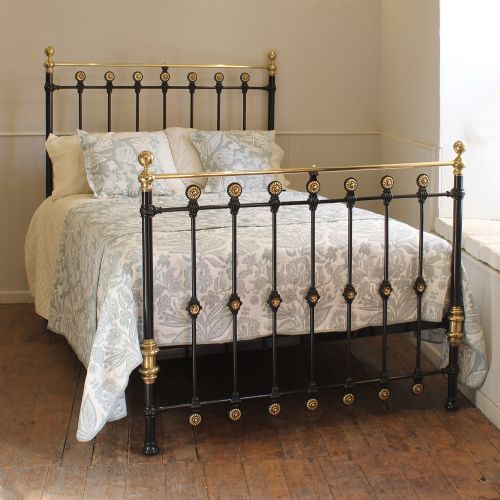
A decorative iron bed frame offers a robust centrepiece for a bedroom, drawing on styles from the Victorian era up through the early twentieth century. When exploring a decorative iron bed frame, buyers encounter double beds, single bedsteads, and king size options in various formats.
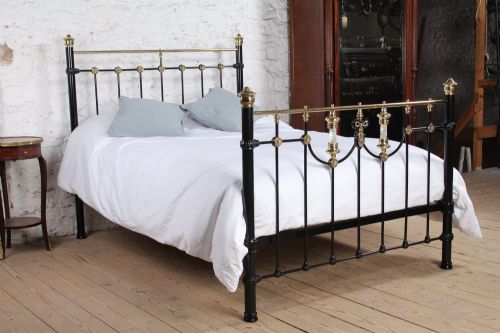
Most examples combine sturdy metal construction with visual flourishes, such as brass accents or original paint finishes. A decorative iron bed frame provides a lasting framework for daily use while establishing a distinct period look.
How They Were Made
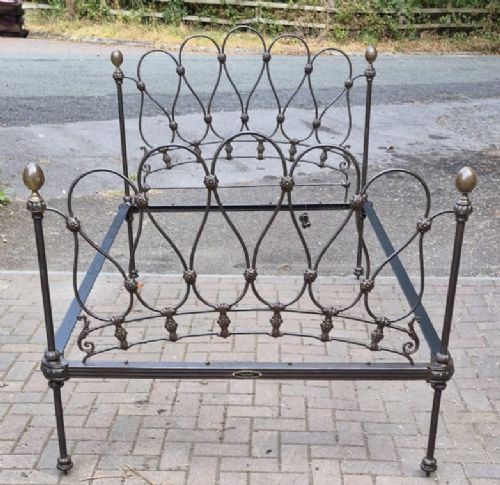
Maker construction relies heavily on cast iron and wrought iron, frequently shaped into forged iron components that form the sturdy structure of each bedstead. Workshops utilised durable metalworking techniques to build resilient frames capable of supporting regular sleep use over generations.
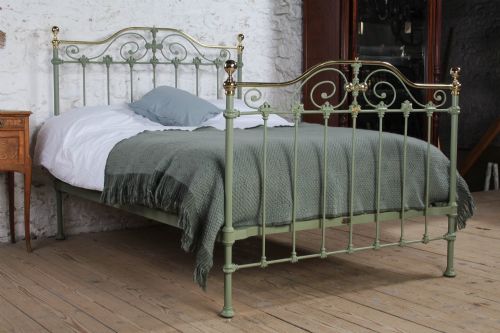
Makers embellished these structural elements with polished brass fittings and painted metal surfaces, sometimes incorporating decorative details like mother of pearl inlay. Surface finishes range from neutral tones and original paint effects to classic black and green coatings.
Current listings demonstrate periods spanning from eighteen sixty through nineteen twenty, incorporating cast iron, wrought iron, and brass.
What Varies in Quality
The distinction between standard and superior pieces rests on the intricacy of the metalwork and the preservation of original decorative elements. Elaborate scrollwork, well-cast brass details, and intact mother of pearl accents elevate a bedstead above simpler utilitarian designs.
Condition of the surface finish also plays a role, as original paint effects or well-maintained traditional patinas demonstrate careful preservation. Higher quality examples balance robust iron construction with refined stylistic proportions across the head and foot boards.
The Decorative Iron Bed Frame Glossary
- Cast iron
- A strong, hard iron alloy poured into moulds to create decorative bed components and structural frames. This material allows for intricate ornamental casting seen on Victorian bedsteads.
- Wrought iron
- Tough, malleable iron beaten or forged into shape by hand, often utilised for structural integrity and simpler decorative elements. It offers high resistance to fatigue.
- Brass
- A yellow alloy of copper and zinc used to cap posts, form rails, and add contrasting metallic highlights to iron frames. Polished brass details brighten the darker tones of cast iron.
- Bedstead
- A framework of a bed designed to support springs and a mattress, standing independently from the bedding itself. These structures range from simple single sizes to generous king formats.
- Mother of pearl
- An iridescent inner layer of mollusc shell used as an inlay material to decorate select bed frames. This subtle embellishment catches the light against painted metal surfaces.
Decorative Iron Bed Frame: Frequently Asked Questions
How do I choose the right size?
Consider the available floor space in your bedroom alongside standard mattress dimensions when selecting a bedstead. Double and king size options offer generous sleeping areas, while single bedsteads suit compact rooms.
Measure doorways and stairwells carefully before purchase to ensure straightforward delivery and placement within your home.
Are these beds suitable for daily use?
These robust metal frames are constructed from durable cast and wrought iron designed to support modern mattress weights reliably. Their sturdy engineering ensures they withstand everyday sleeping routines.
Ensure modern slats or appropriate base supports are fitted securely within the frame before laying your mattress.
How do I care for painted metal?
Dust the iron and painted surfaces regularly with a soft, dry cloth to prevent accumulation. Avoid abrasive cleaners that might damage original paint effects or protective clear coats.
Treat brass elements gently with appropriate metal polish only if necessary to preserve their finish without harming adjacent ironwork.
How do I date a metal bed?
Examine the stylistic cues, such as Victorian scrollwork or early twentieth century painted finishes, to narrow down the era of manufacture. Structural construction methods and the presence of specific decorative elements like brass tubing offer further clues.
Comparing the form against documented periods from eighteen sixty to nineteen twenty helps establish a reliable timeline.