
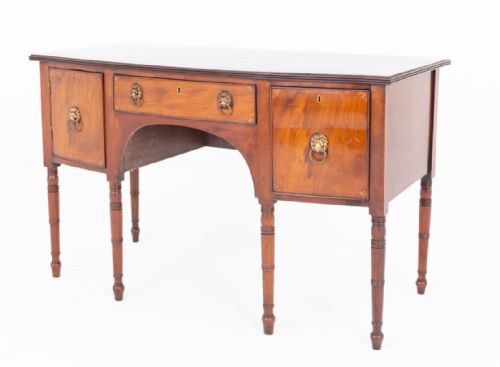
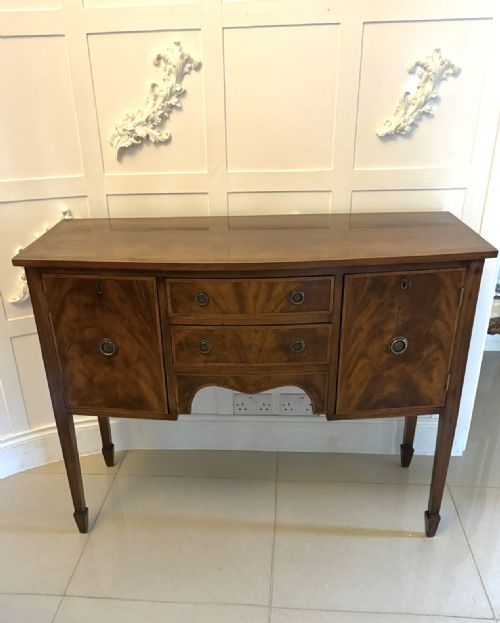

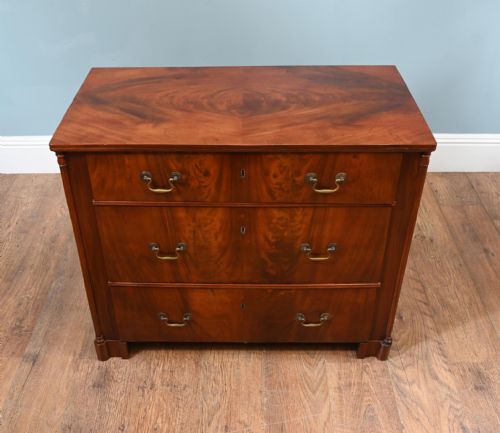
Traditional Mahogany Sideboard
A traditional mahogany sideboard brings warmth and formal utility to a dining room, offering deep storage built from rich timber.
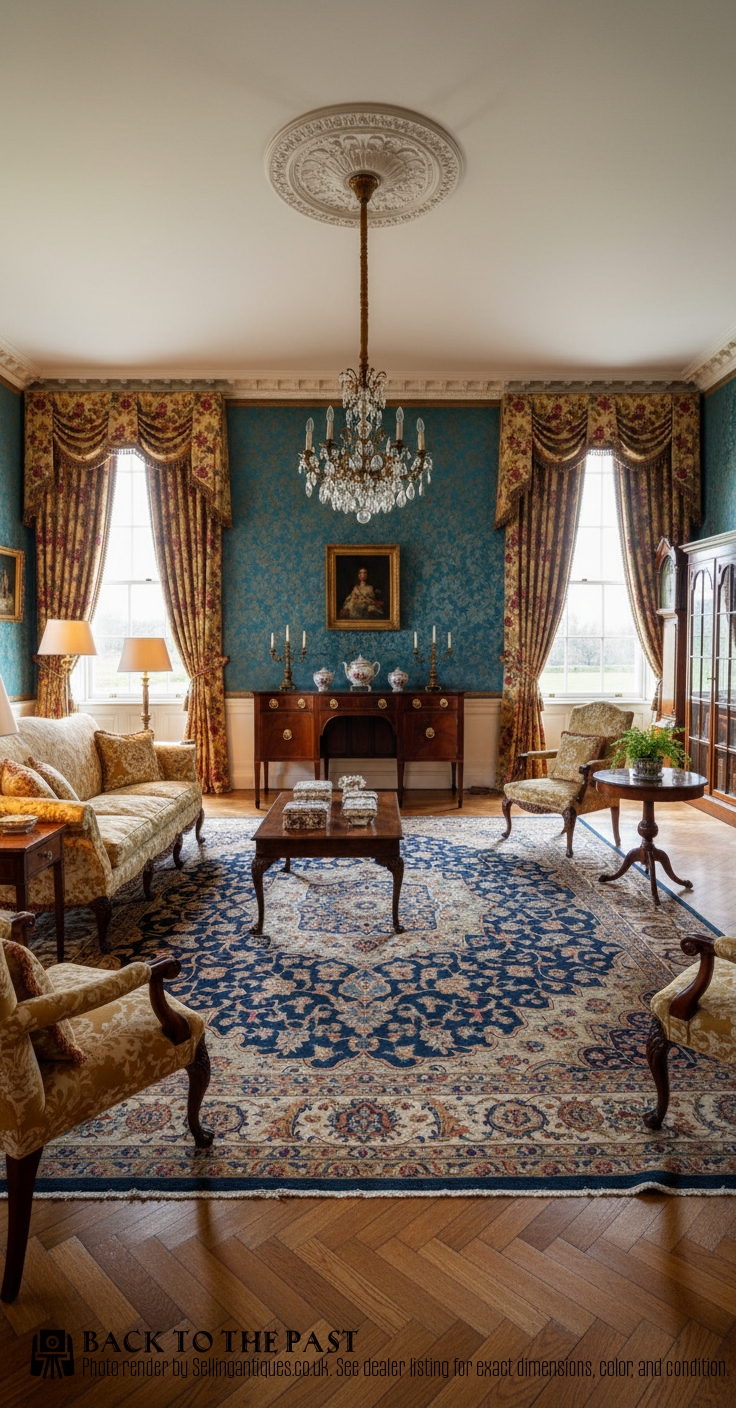
Traditional Mahogany Sideboard
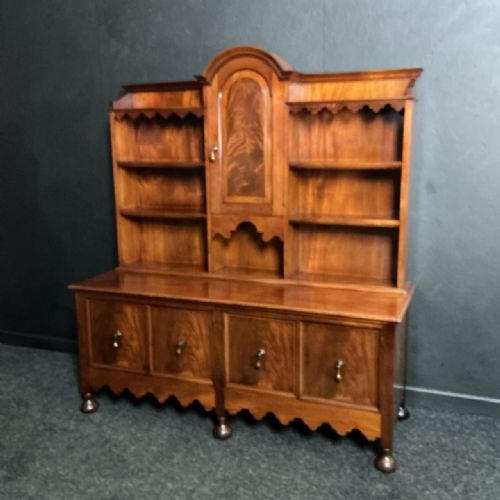
A traditional mahogany sideboard is a substantial dining room furnishing designed for storing tableware, linen, and serving food. When searching for this phrase, a buyer encounters forms ranging from 18th-century Georgian designs to Victorian and Edwardian interpretations.
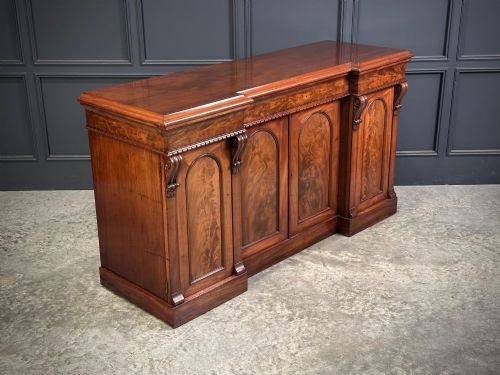
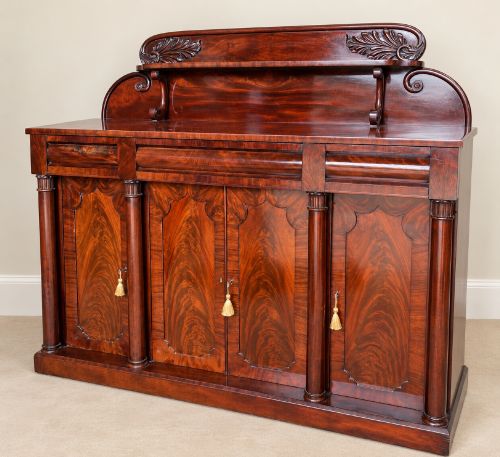
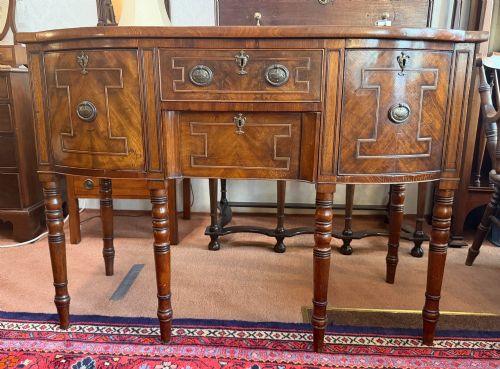
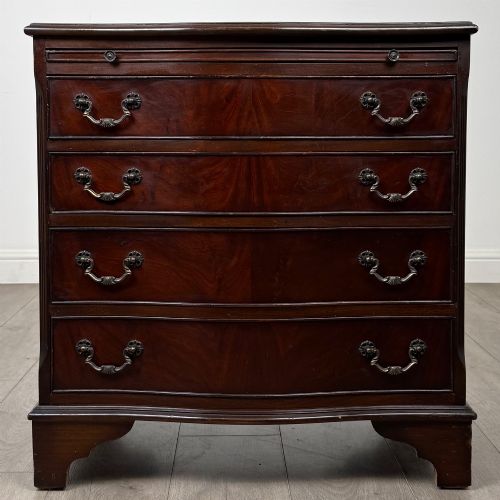
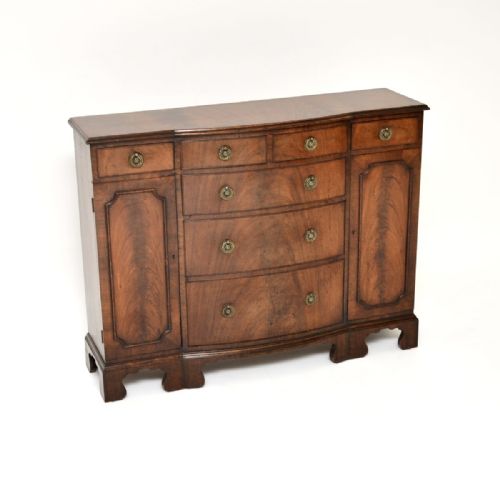
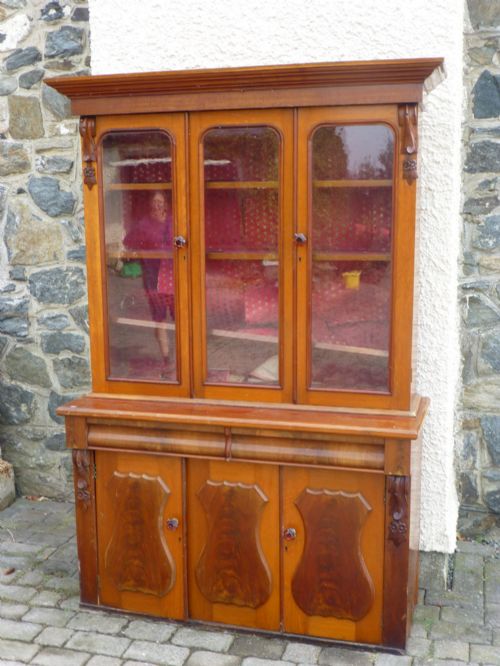
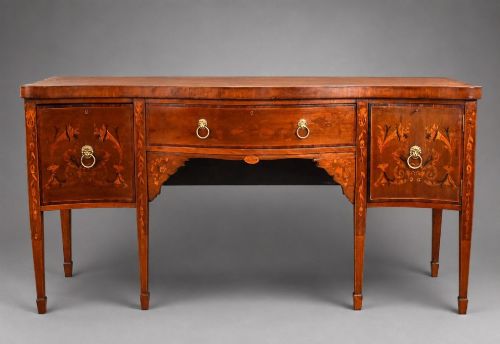
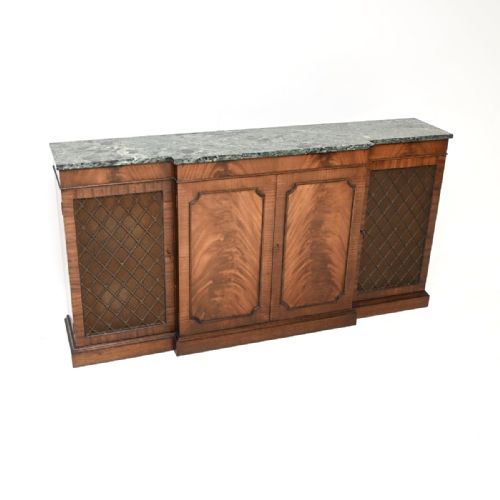
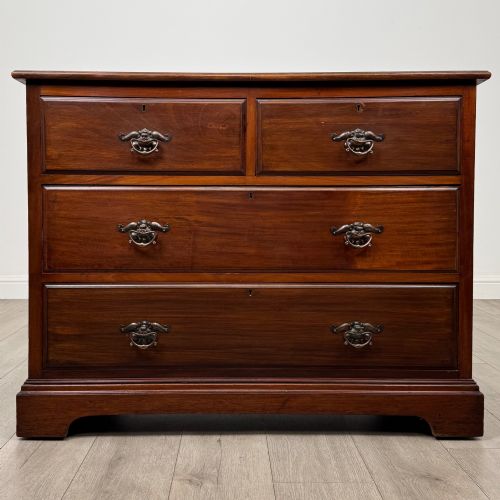
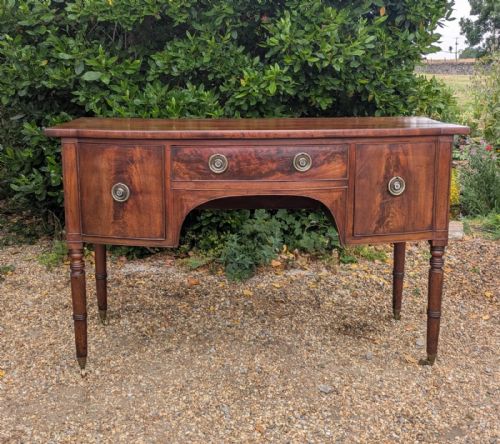
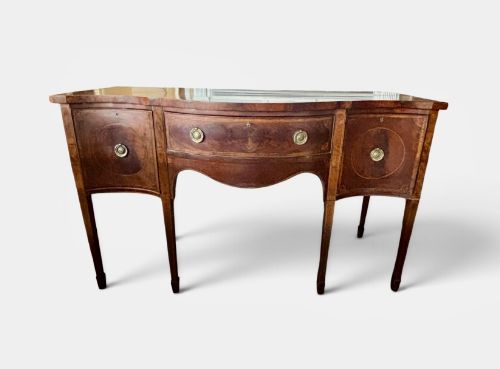
The pieces appearing most frequently on this page include bow-front and breakfront sideboards alongside servers and cupboards. Originating across the 18th, 19th, and early 20th centuries, these items reflect changing dining customs through deep drawers, cupboards, and cellaret compartments.
Makers and cabinetmakers produced these servers in various proportions, from neat George III examples to large Victorian breakfronts. Buyers select them for their combination of formal presence and practical storage capacity in a dining space.
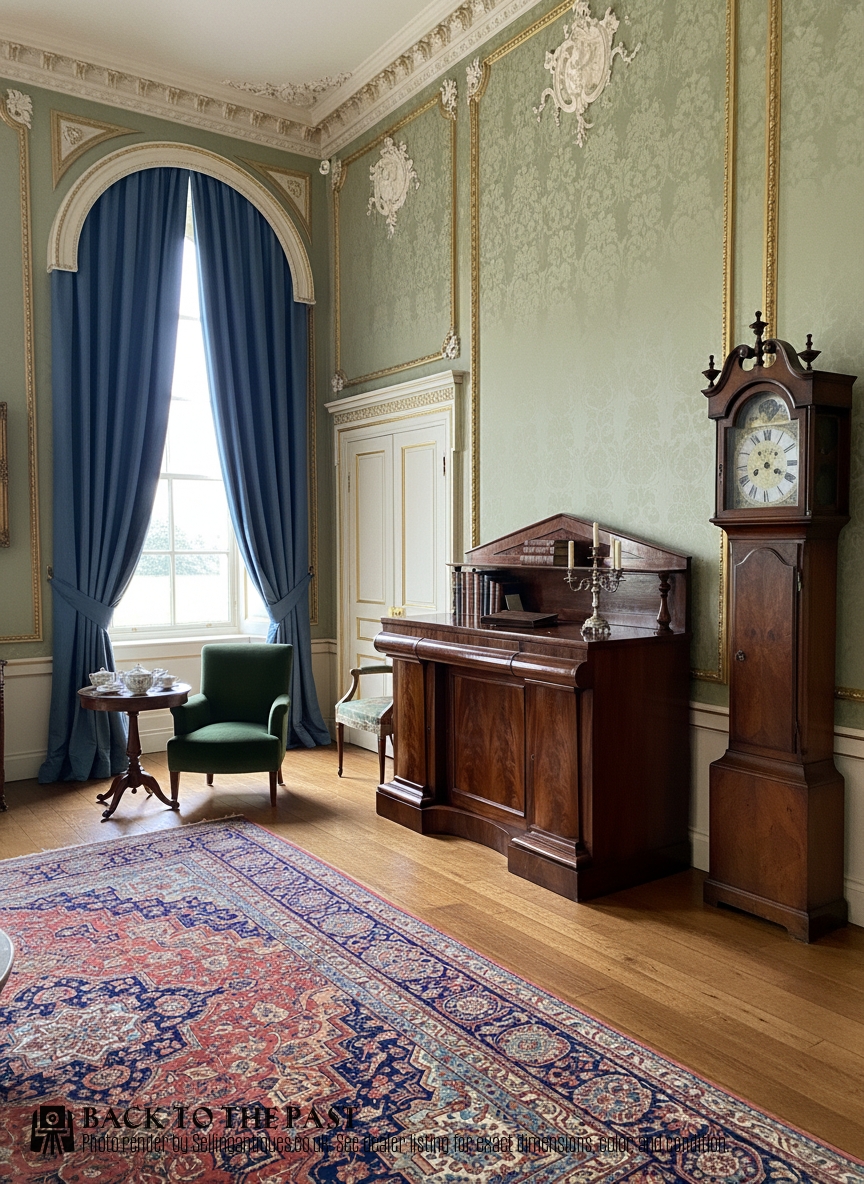
How they were made
Cabinetmakers constructed traditional mahogany sideboards using solid timber and figured veneers over secondary woods. Workshops employed flame mahogany veneer to create rich, rippled grain patterns across drawer fronts and cabinet doors.
Detailing often involved boxwood stringing, brass handles and mounts, and sometimes marble tops or mirror glass backs. Joinery techniques included hand-cut dovetails for drawers and framed construction for structural stability.
Traditional Mahogany Sideboard Retail Price Guide 2026
Typical asking prices for traditional mahogany sideboard among the pieces listed under this phrase on Sellingantiques today, from the lower quarter to the upper quarter. They describe what is for sale here now, not the wider market.
Materials recorded on this page include mahogany, flame mahogany veneer, brass, boxwood, marble, and mirror glass.
What varies in quality
The standard of a traditional mahogany sideboard rests upon the selection of the timber and the crispness of the cabinetmaker's execution. Pieces featuring symmetrical flame mahogany veneer and refined proportions command greater appreciation.
Hardware integration and secondary wood choices also distinguish finer examples from standard production. Original brass mounts, well-fitted drawers, and intact inlaid stringing indicate superior workshop standards.
The Traditional Mahogany Sideboard Glossary
- Bow-front
- A cabinet front that curves outward in a convex arc. This shape softens the room and appeared frequently on Georgian and Edwardian sideboards.
- Breakfront
- A piece of furniture whose central section projects forward from the flanking outer sections. This arrangement creates visual depth and generous internal storage.
- Flame mahogany veneer
- A thin slice of timber cut from where a branch joins the main trunk, displaying a fiery, rippled grain. Cabinetmakers applied this to prominent surfaces for visual impact.
- Serpentine
- A front design featuring a gentle convex curve flanked by two concave curves. It requires precise woodworking skill to execute cleanly.
- Cellaret
- A compartment or drawer within a sideboard originally designed to hold wine bottles upright. These often included lead lining for cooling with ice.
Traditional Mahogany Sideboard: Frequently Asked Questions
Where did people put a sideboard?
Dining rooms served as the primary location for a traditional mahogany sideboard, positioning the piece near the dining table for efficient meal service.
Servants used the top surface for plating food while the drawers and cupboards held cutlery, linens, and bottles.
How do I date a sideboard?
Examining the hardware, leg style, and secondary woods helps determine the production period of the piece.
Georgian examples display straight tapered legs or slender proportions, whereas Victorian pieces often show heavier carving and breakfront configurations.
Can I use a sideboard in a hallway?
Narrower server tables and bow-front sideboards fit well in entrance halls or large corridors.
Their shallow depth provides convenient surface space for keys and mail without obstructing foot traffic.
What is the difference between a sideboard and a server?
Servers generally lack the extensive cupboard space or lower tier storage found on full sideboards.
These lighter tables functioned specifically for dish placement during dining rather than long-term tableware storage.