



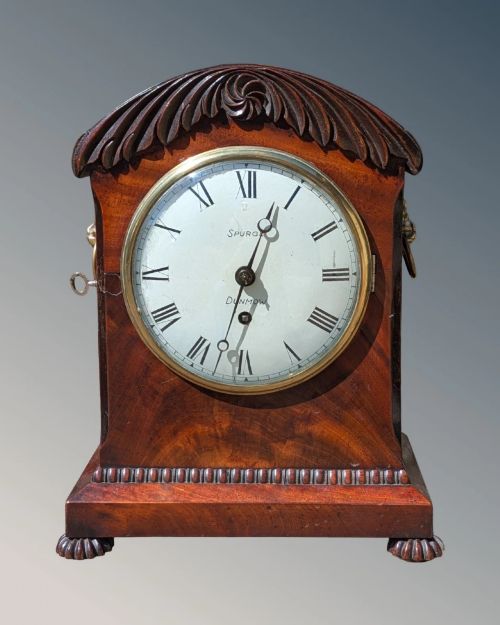
Traditional Mahogany Mantel Clock
A traditional mahogany mantel clock brings weight and steady motion to a room, offering the quiet mechanical rhythm of earlier centuries.

Traditional Mahogany Mantel Clock
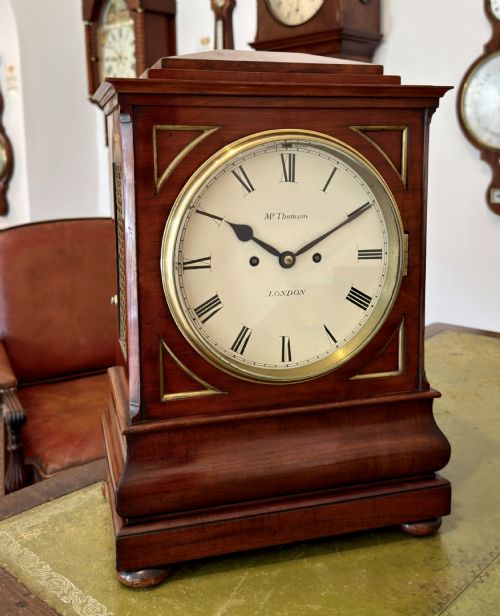
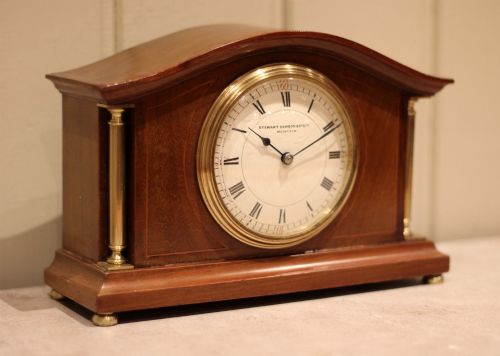
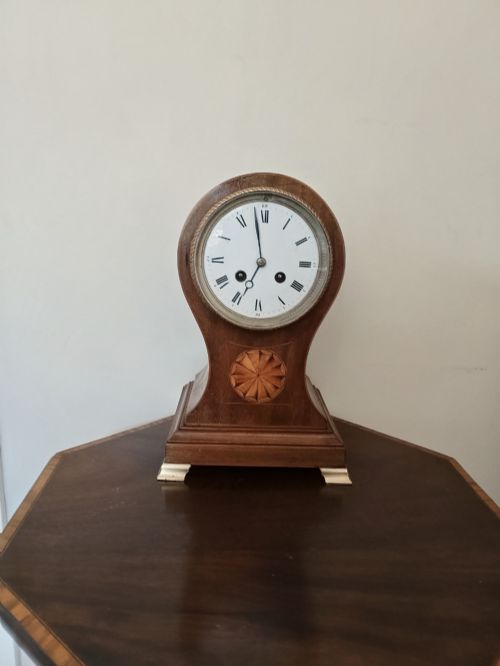
A traditional mahogany mantel clock serves as a functional timepiece and a decorative object for a desk, shelf, or bracket table. These items span periods from the eighteenth century through the twentieth century, encompassing Georgian, Victorian, and Edwardian eras.
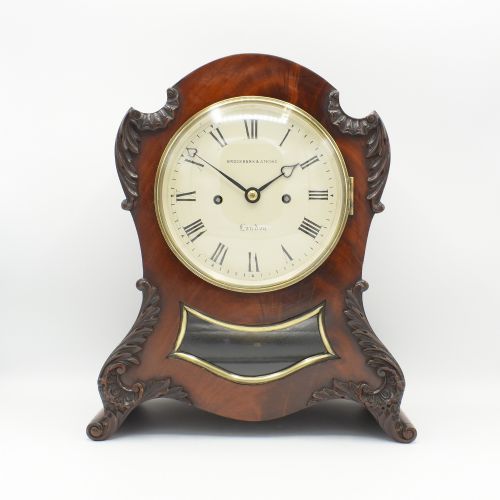
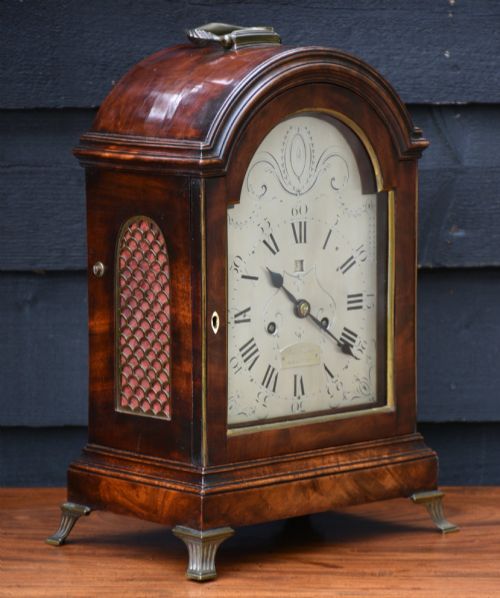
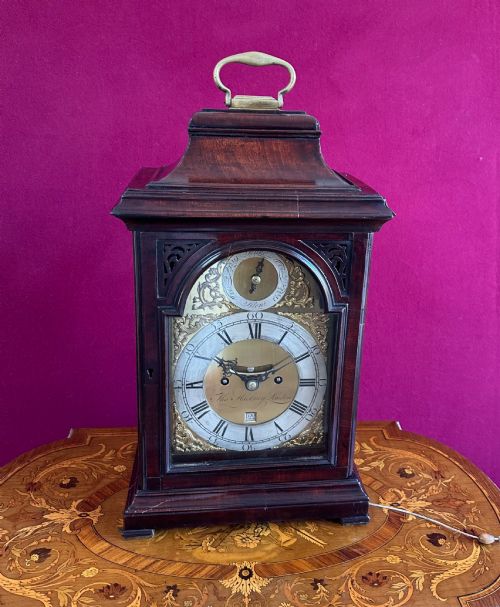
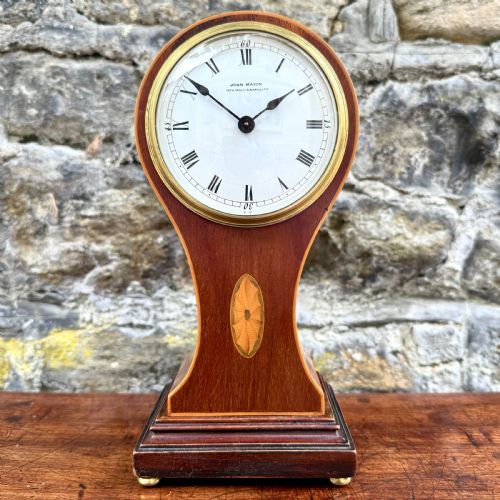
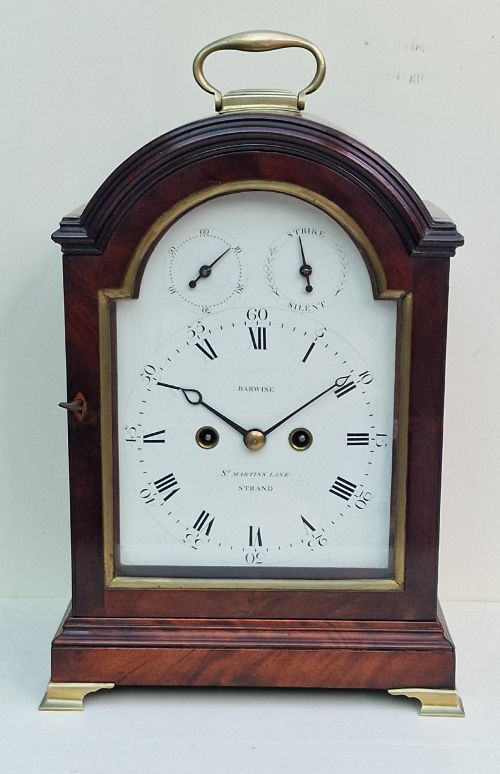
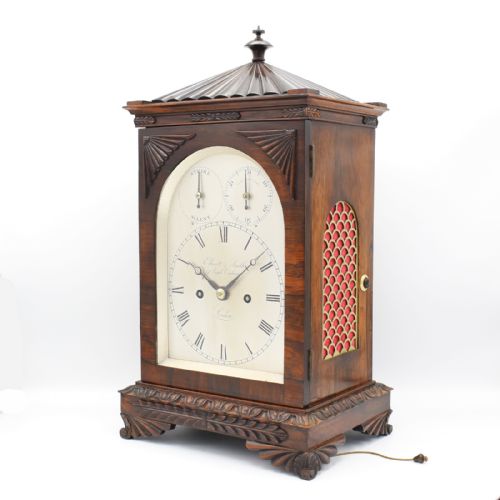
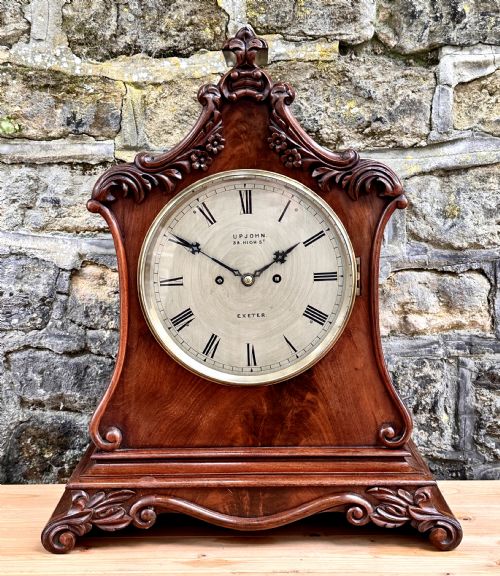
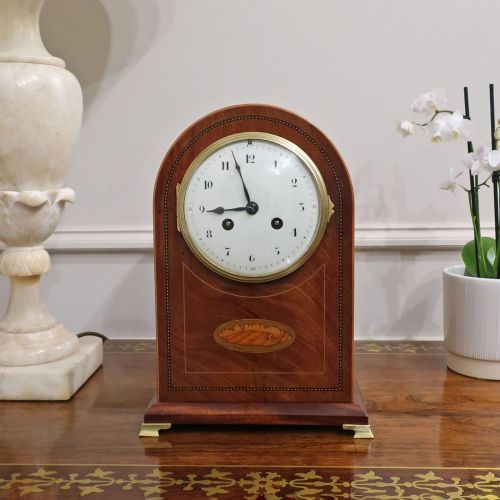
The selections here include bracket clocks, library clocks, and timepiece mantel clocks in varying sizes. Many examples take classic forms such as the arched balloon shape or the architectural pagoda top.
Makers from London and regional towns produced these pieces using rich timber and clear enamel dials. Buyers encounter both simple eight-day timepieces and complex striking movements with fusee mechanisms.
Construction and Materials
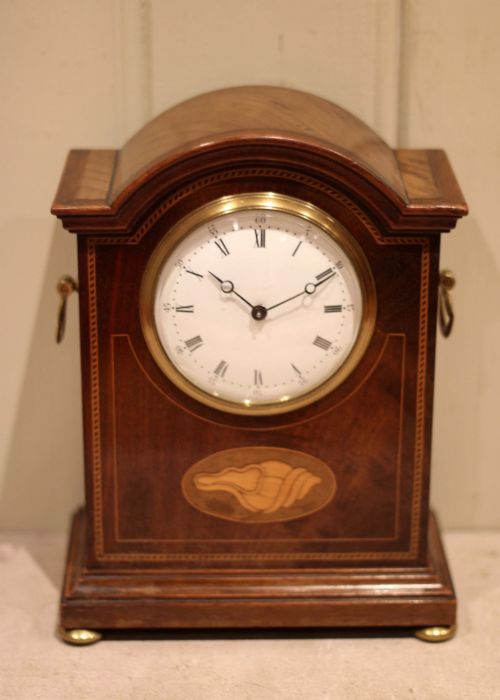
Cabinet makers built the structural cases primarily from solid mahogany, frequently adding satinwood and boxwood inlay for decorative contrast. Glass panels protect the dial, while brass feet, handles, and bezels provide structural and visual accents.
Interior clockmakers fitted mechanical movements driven by springs or fusee chains, paired with enamel dials marked by Roman or Arabic numerals. Fine brass components work together within the wooden housing to regulate the escapement and strike the hours.
Traditional Mahogany Mantel Clock Retail Price Guide 2026
Typical asking prices for traditional mahogany mantel clock among the pieces listed under this phrase on Sellingantiques today, from the lower quarter to the upper quarter. They describe what is for sale here now, not the wider market.
Variations in Quality
Quality rests in the precision of the cabinet work, the crispness of any inlay, and the complexity of the internal movement. Clocks featuring twin fusee mechanisms or signed maker plates reflect higher standards of original manufacture.
The integration of materials also sets pieces apart, where finely grained mahogany pairs with polished brass mounts and clean enamel dials. Original components and signed maker details elevate the standing of a mantel clock.
Thomson of London·Brockbanks & Atkins·Barwise London·Ellicott & Smith·L. Vick of Stroud·Webster Cornhill London·Spurge Dunmow·Mappin & Webb·Thomas Moss·Cording of London·W. Burton·Piggin Norwich·Barrett London
The Traditional Mahogany Mantel Clock Glossary
- Fusee
- A conical pulley designed to maintain even tension on the clock's chain as the mainspring unwinds. This mechanism improves timekeeping accuracy across the power reserve.
- Bracket clock
- A portable timepiece originally built to sit on a matching wall bracket. Over time, the term came to describe larger table clocks with sturdy carrying handles.
- Verge movement
- An early form of escapement controlling the release of power in a clock. It produces a distinctive ticking beat and often pairs with pendulum or balance wheel regulation.
- Timepiece
- A clock that tells the time without striking hours or quarters. These movements focus purely on the motion of the hands.
- Enamel dial
- A face made by fusing powdered glass to a metal plate at high heat. This creates a durable, glossy surface for painted numerals.
Traditional Mahogany Mantel Clock: Frequently Asked Questions
What is a fusee movement?
A fusee movement uses a conical drum and a cord or chain to equalise the power delivered by the mainspring as it runs down.
This clever mechanical device helps the clock maintain consistent timekeeping from the moment it is fully wound until it needs winding again.
How do I wind a mantel clock?
Winding requires inserting the correct key into the winding holes on the enamel dial and turning it gently until resistance is felt.
Care should be taken not to overwind the spring, and maintaining a regular winding schedule keeps the mechanical parts working smoothly.
Where should I place a bracket clock?
Bracket clocks need a stable, level surface away from direct sunlight, drafts, and heavy vibrations that might disturb the pendulum.
Historically designed for tables, desks, or specialised wall brackets, they function best when placed where the ticking can be enjoyed without disturbance.
How do I date an antique clock?
Dating involves examining the style of the mahogany case, the materials used for inlay, and the construction methods of the internal movement.
Signatures or inscriptions left by the maker on the dial or backplate often provide a direct link to the active working period.