
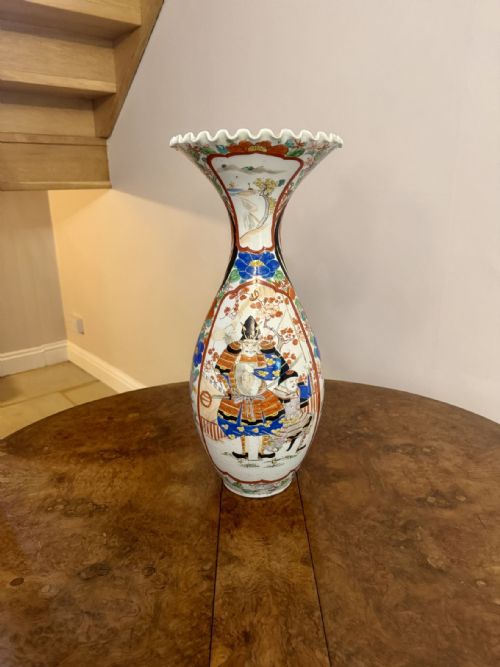


Traditional Japanese Imari Ware
Traditional Japanese imari ware offers striking porcelain vessels and plates that bring vibrant colour and historic presence to any room.
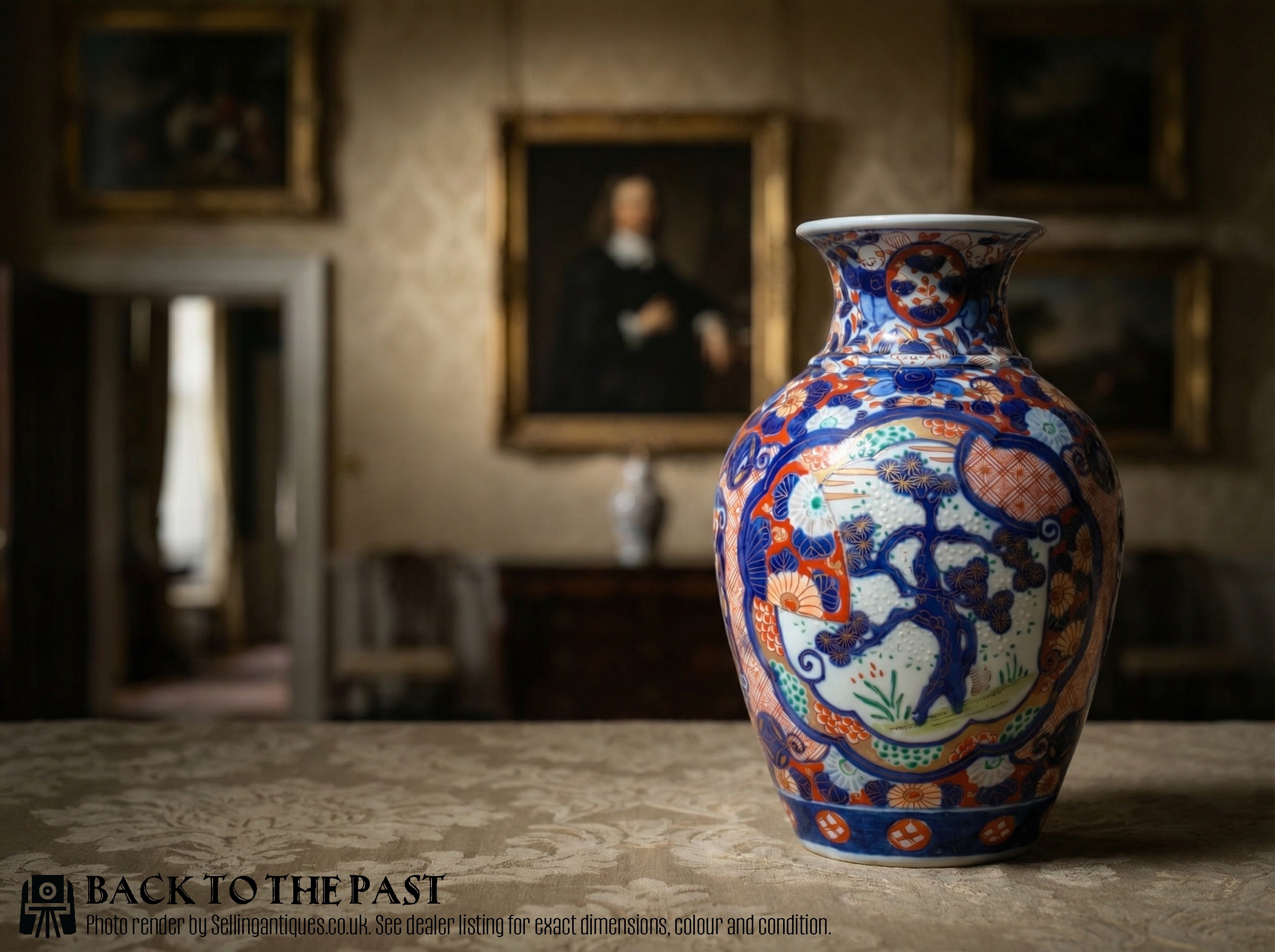
Traditional Japanese Imari Ware
Traditional Japanese imari ware comprises decorative plates, chargers, bowls, and vases originating from different periods including the seventeenth, nineteenth, and early twentieth centuries. These pieces display distinct decorative styles linked to the Edo and Meiji periods.
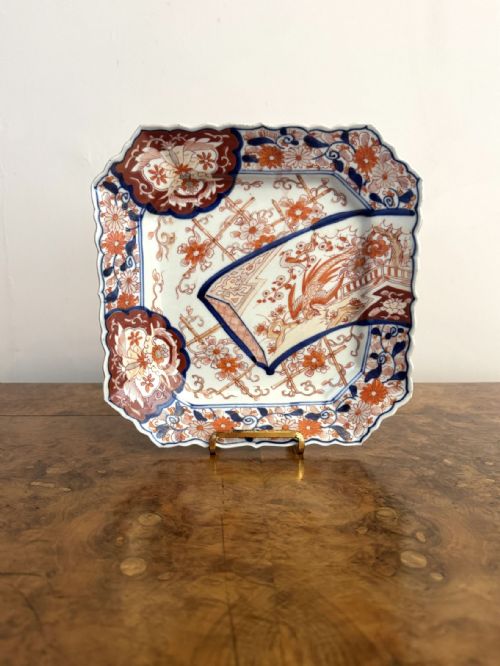
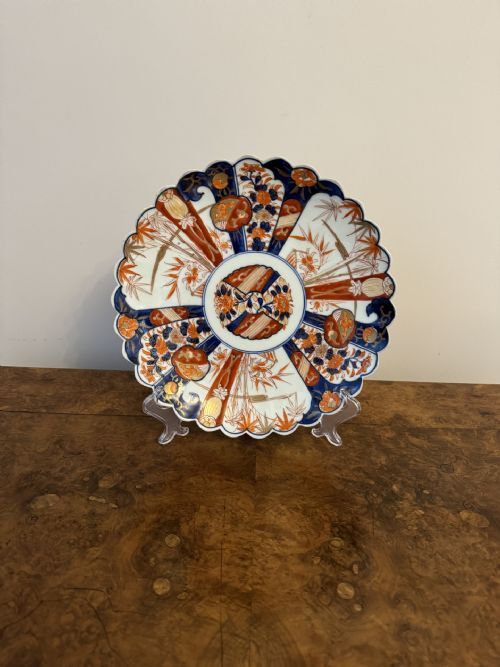
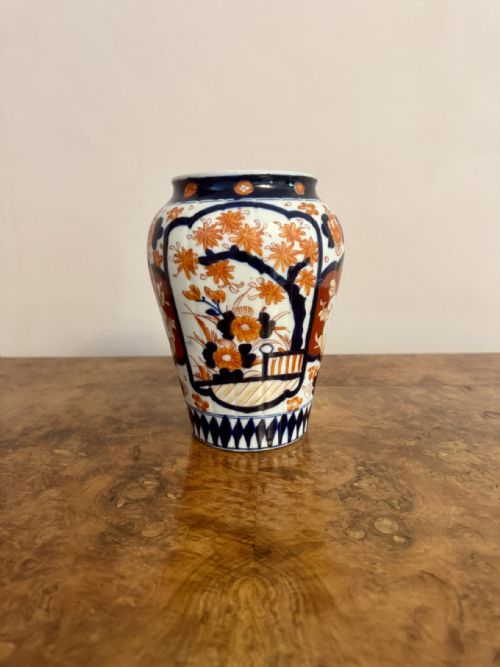
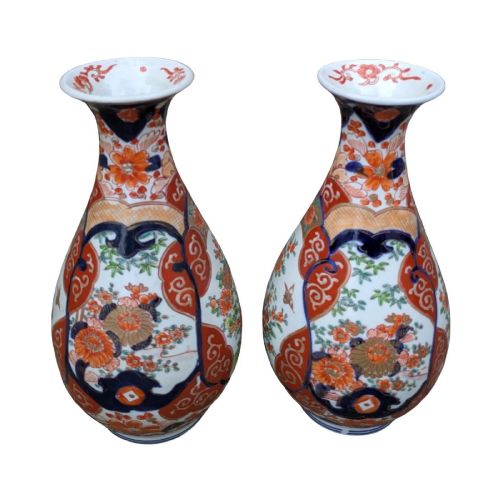
Buyers will most frequently encounter plates, dishes, and vases dated around nineteen hundred or assigned generally to the nineteenth century on this page. Forms range from square and scalloped plates to large hexagonal and shaped vases.
Originating from Japanese kilns such as Arita, these ceramics served primarily as decorative items rather than everyday utility ware. Their robust porcelain body and distinct palette make them immediately recognizable on display.
Materials and Making
Traditional Japanese imari ware is formed from hard-paste porcelain fired at high temperatures to achieve a durable ceramic body. Potters then apply mineral glazes and underglaze pigments before a secondary firing.
Overglaze enamels, gold leaf, and gilding are frequently added to the surface design to provide metallic accents and rich colour depth. These supplementary layers require careful low-temperature refiring to bond with the glaze.
Listings feature porcelain pieces spanning from the seventeenth century through the early twentieth century, including the Meiji and Edo periods.
Assessing Quality and Execution
The precision of the painted brushwork and the complexity of the surface composition distinguish finer examples from standard production. Superior pieces exhibit crisp details within the enamel and well-aligned motifs across the porcelain body.
The application of gold leaf and gilding also varies, with higher-grade vessels showing careful placement and minimal wear to the metallic highlights. Form and shaping, such as evenly executed hexagonal or scalloped edges, further separate ordinary items from exceptional ones.
The Traditional Japanese Imari Ware Glossary
- Imari
- A style of Japanese porcelain traditionally exported from the port of Imari, known for its distinct colour palette.
- Meiji Period
- The era in Japanese history spanning from eighteen sixty-eight to nineteen twelve, frequently associated with finely detailed export ceramics.
- Edo Period
- The period lasting from sixteen hundred and three to eighteen sixty-eight, encompassing early developments in Arita porcelain.
- Charger
- A large decorative plate or dish intended for display on a wall, cabinet, or table centrepiece rather than for serving food.
- Aka-e
- A Japanese term meaning red pictures, referring to iron-red overglaze decoration commonly found on early porcelain dishes.
Traditional Japanese Imari Ware: Frequently Asked Questions
Can I use these bowls and plates for food?
Antique ceramics from the seventeenth through early twentieth centuries are best reserved for display rather than daily culinary use. Historic glazes and overglaze enamel pigments may not meet modern food safety standards and can degrade over time.
Displaying chargers and bowls on plate stands or within cabinets protects the fragile porcelain body from chips and accidental breakage. Enjoying them visually preserves their historic condition for the future.
How do I identify a Meiji period piece?
Meiji period ceramics often display dense, highly detailed painting styles that reflect the flourishing export market of the late nineteenth and early twentieth centuries. The porcelain bodies tend to be crisp and bright, paired with abundant enamel and gilt decoration.
Comparing the stylistic motifs and overall weight with dated examples helps confirm the production window. Many pieces from this era exhibit confident brushwork and sturdy forms.
Where should I display large vases and chargers?
Large vases require sturdy, level surfaces such as heavy sideboards or dedicated display tables where they remain secure from foot traffic. Wall-mounted plate hangers designed for heavy chargers allow you to display flat pieces safely at eye level.
Keep ceramic vessels away from direct sunlight and areas with extreme temperature fluctuations to protect the enamel and glazes. Adequate clearance around tall vases prevents accidental knocks.