






Traditional Japanese Ceramic Urn
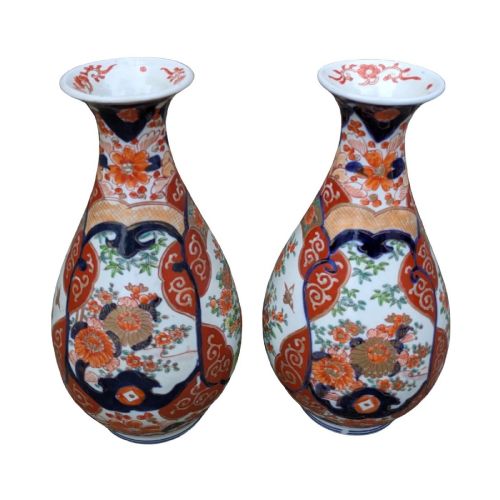
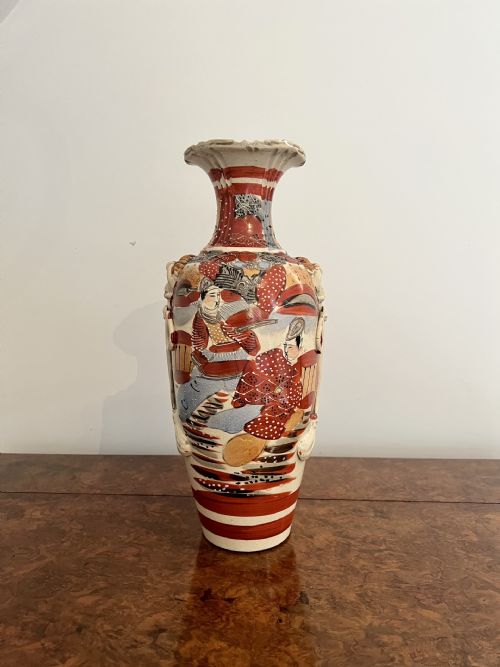
A traditional japanese ceramic urn brings hand-painted porcelain and earthenware into a room, offering the distinct weight of Imari and Satsuma work.
Traditional Japanese Ceramic Urn
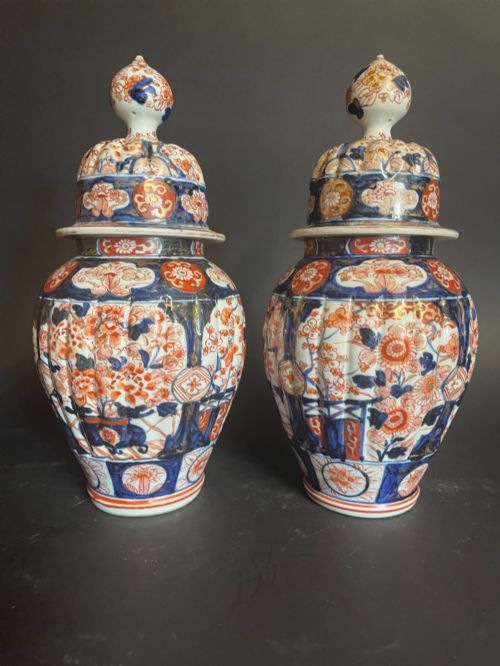
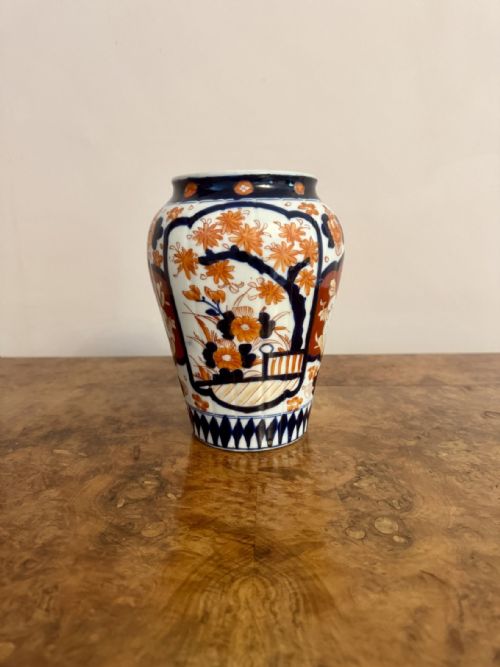
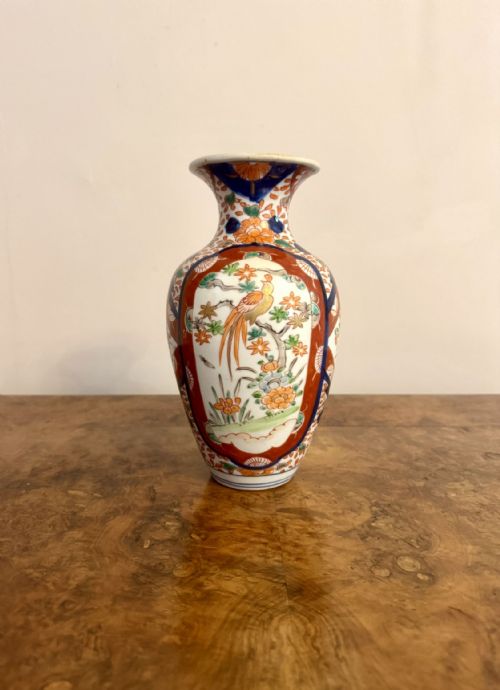
When you search for a traditional japanese ceramic urn, you encounter vessels that span from the eighteenth century through to the early twentieth century. The selection leans heavily towards Imari vases and Satsuma table lamps, alongside lidded jars and floor vases.
The objects originate across the Edo and Meiji periods, capturing shifts in Japanese ceramic production over centuries. You will find baluster forms and pairs of vases that served decorative and functional roles in period interiors.
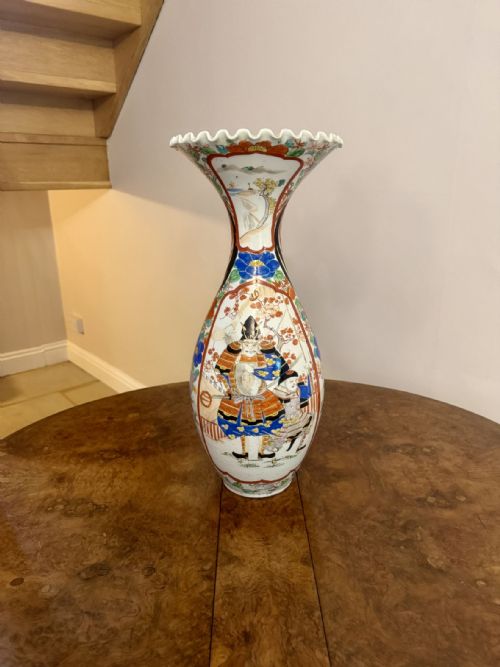
Vessels range from small cabinet pieces up to massive floor vases standing thirty-eight inches tall. The forms include lidded jars and converted table lamps that integrate historic porcelain into domestic lighting.
How they were made
Potters shaped porcelain and earthenware bodies on the wheel or in moulds before firing the clay to high temperatures. The resulting surfaces received hand-painted decoration using enamel pigments alongside gold leaf and gilt highlights.
Glaze application sealed the ceramic body prior to final kiln firings that set the distinctive blues, reds, and metallic tones. Certain pieces incorporated wood and brass mounts as part of their construction or later adaptation into lamps.
Traditional Japanese Ceramic Urn Retail Price Guide 2026
Typical asking prices for traditional japanese ceramic urn among the pieces listed under this phrase on Sellingantiques today, from the lower quarter to the upper quarter. They describe what is for sale here now, not the wider market.
Some towering floor vases reach thirty-eight inches, requiring a sturdy corner so nobody bumps into a Meiji period giant.
What varies in quality
The standard of painting defines the upper tier of these pieces, showing precise brushwork and balanced composition across the surface. Lesser examples display hurried execution and heavier, less refined enamel application.
The depth and richness of the gilding separate standard production from superior work. Rich application of gold leaf and intricate detailing indicate a higher grade of manufacture during the Edo and Meiji periods.
The Traditional Japanese Ceramic Urn Glossary
- Imari
- A style of Japanese porcelain named after the port from which it was shipped, characterised by underglaze blue and iron red decoration with added gold.
- Satsuma
- A type of Japanese earthenware featuring a pale, ivory-crackled glaze decorated with polychrome enamels and gilt.
- Meiji Period
- The era in Japanese history lasting from 1868 to 1912, known for opening trade and producing highly detailed decorative arts for export.
- Edo Period
- The period between 1603 and 1868 governed by the Tokugawa shogunate, which established foundational ceramic styles.
- Baluster
- A vase form with a rounded body that tapers toward the base and swells below a narrow neck.
Traditional Japanese Ceramic Urn: Frequently Asked Questions
What is an Imari vase?
An Imari vase is a Japanese porcelain vessel decorated in blue, red, and gold, produced primarily for export since the Edo period.
These pieces were made in Arita and shipped through the port of Imari, becoming staples of European interior decoration.
How do I date a Satsuma vase?
Satsuma pieces are commonly dated by their glaze characteristics, crackle patterns, and the complexity of their enamel and gilt painting.
Items associated with the Meiji period typically display dense, intricate decoration and finely craquelure ivory glazes.
Were these vases made for export?
Many Japanese ceramic vessels from the nineteenth and early twentieth centuries were produced specifically for Western markets.
Export pieces often adapted traditional forms into items like table lamps and large floor vases to suit European tastes.
Can I use these vases as lamps?
Several historic vases are mounted as table lamps, combining antique porcelain bodies with electrical fittings.
This conversion practice preserves the decorative exterior of the vessel while adapting it for modern domestic lighting.