
Red Ceramic Japanese Vase
A red ceramic japanese vase brings striking colour and intricate hand-painted detail to any room, offering a tangible link to late nineteenth and early twentieth-century ceramic traditions.
Red Ceramic Japanese Vase
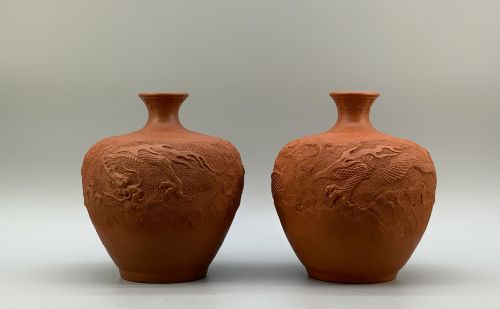
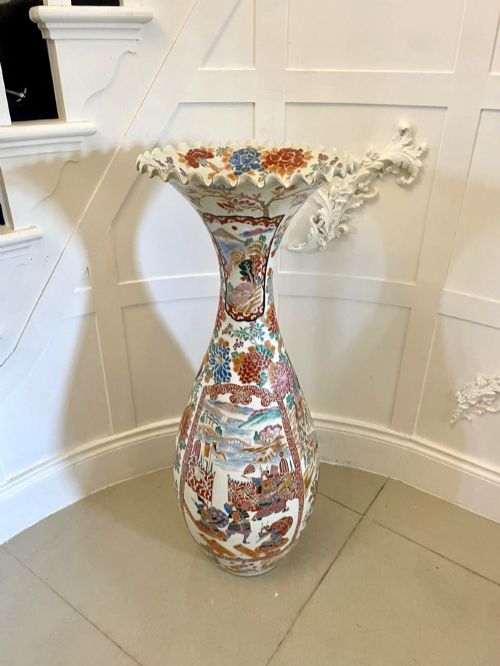
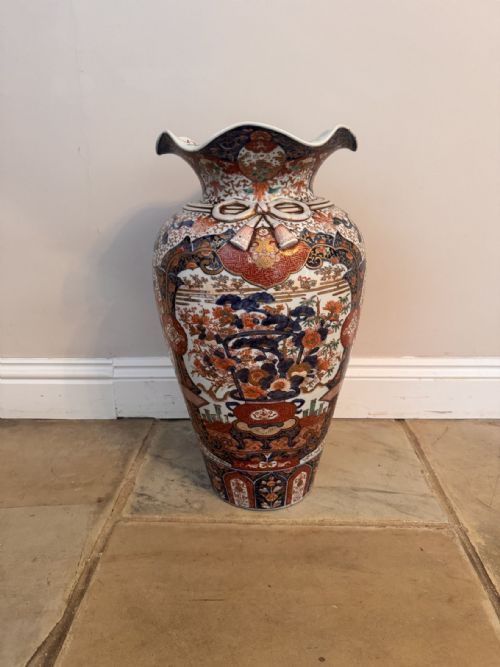
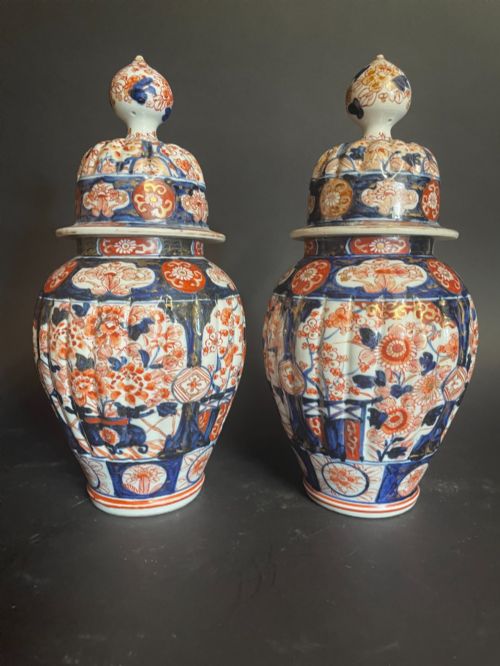
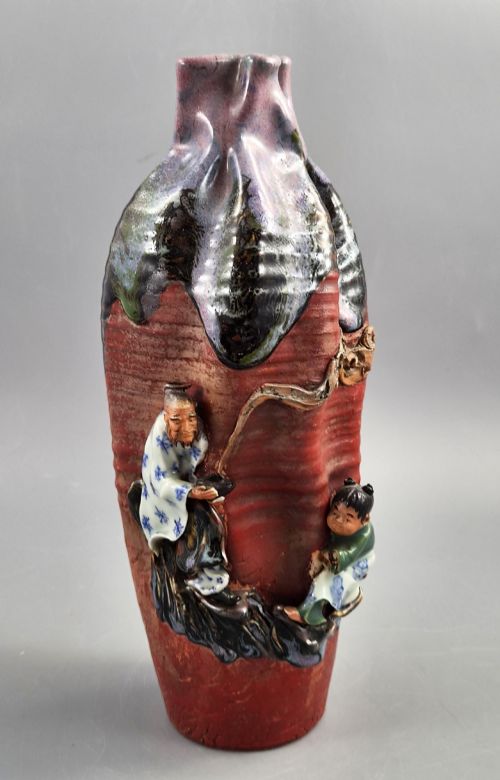
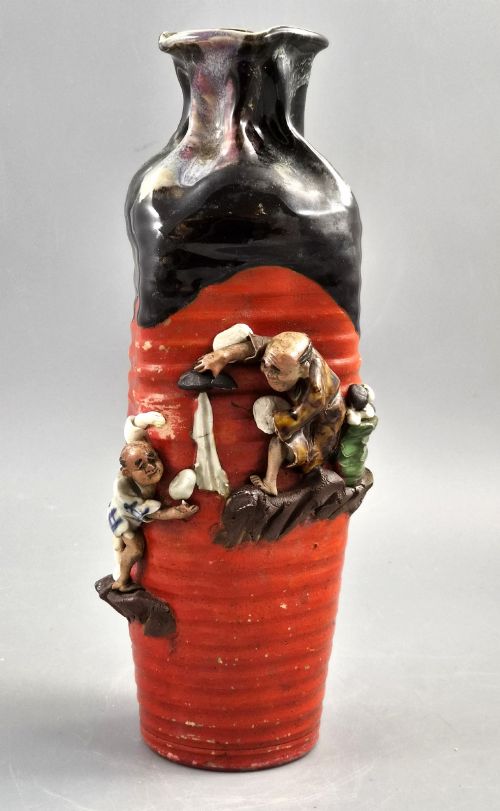
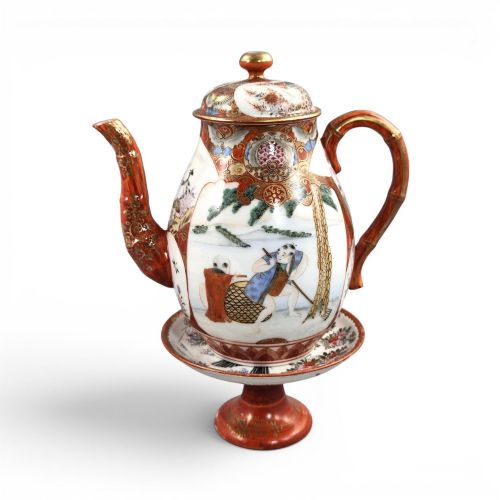
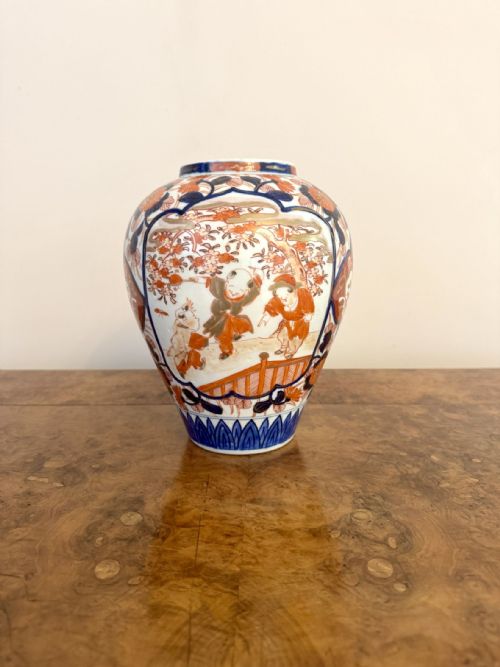
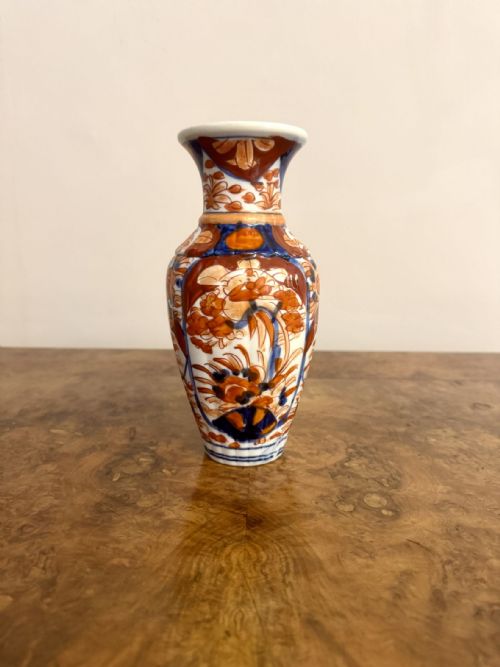
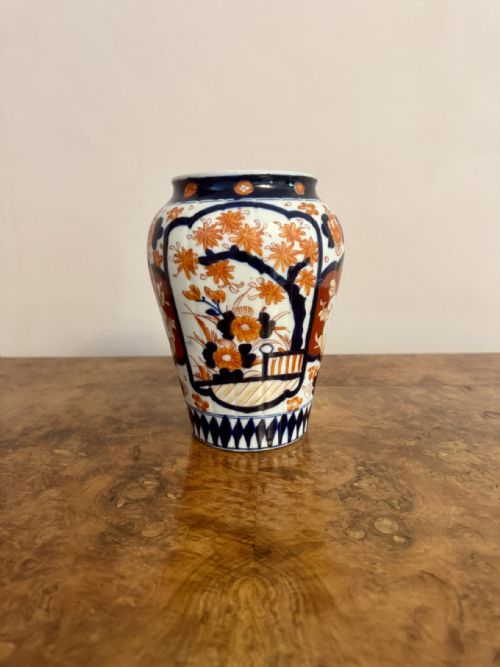
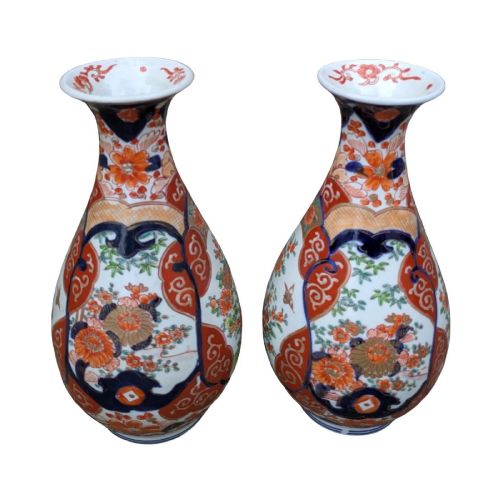
A red ceramic japanese vase encompasses traditional forms such as tall floor-standing vessels, double gourd shapes, and lidded ginger jars produced during the Meiji, Taishō, and Edwardian periods. Buyers searching this phrase most frequently encounter richly decorated Imari and Kutani porcelain alongside highly sculptural Sumida Gawa art pottery.
The selection ranges from small cabinet pieces to large floor-standing vessels, featuring styles rooted in the Edo period and extended through the early twentieth century. Many examples incorporate applied figures, landscapes, or classical panels executed in distinct regional palettes.
Originating from major ceramic centres like Arita, these vessels function primarily as decorative centrepieces. They reflect both traditional domestic use and the export markets that flourished from the late nineteenth century onward.
How they were made
Makers utilised local clays, earthenware, and porcelain bodies shaped by hand or on the wheel before applying specialised glazes. Techniques include the use of rich cobalt blues, iron reds, and gold leaf highlights fixed during high-temperature kiln firings.
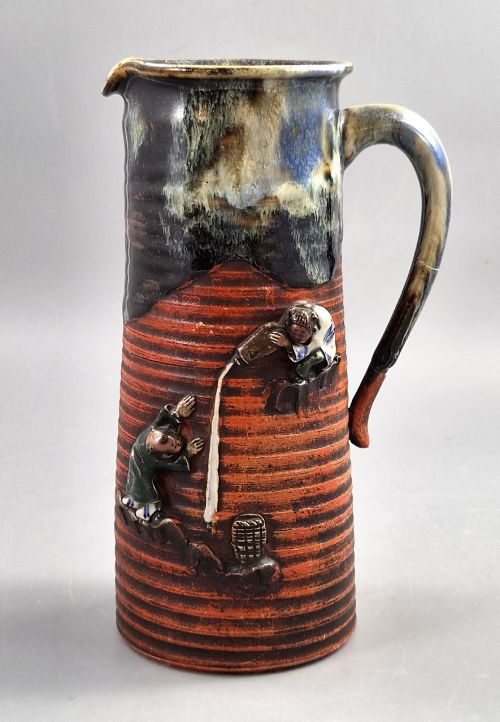
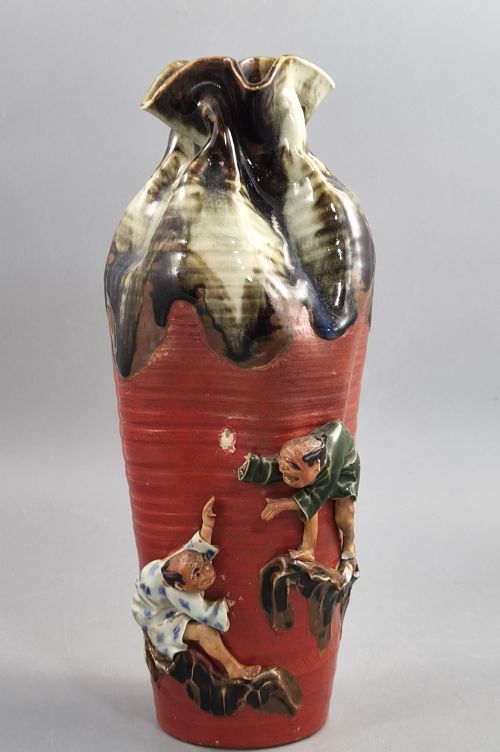
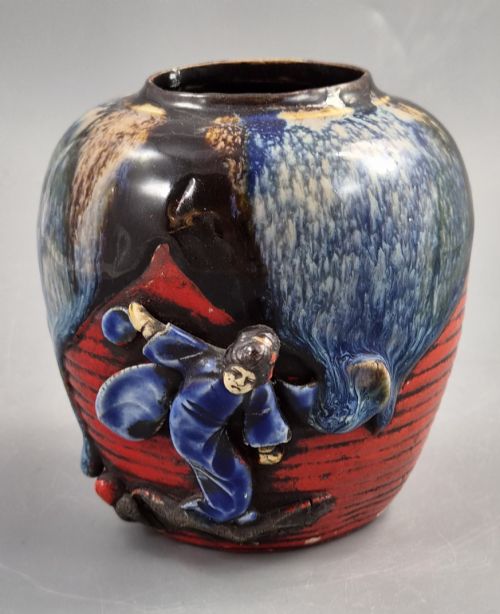
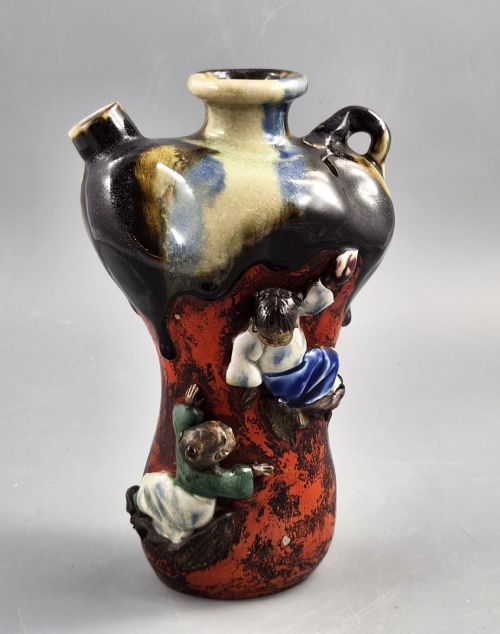
Sumida Gawa pieces distinguish themselves through heavily textured, melting flambe glazes paired with modelled figures applied directly to the body. Kutani and Imari wares rely on detailed enamel painting over porcelain, often combining intricate floral motifs with mythical creatures.
The selection spans the Edo, Meiji, Taishō, and Edwardian periods, showcasing centuries of Japanese ceramic heritage.
What varies in quality
The refinement of the painted brushwork and the complexity of the modelled elements determine the upper tier of these ceramics. Superior examples display crisp definition in applied figures and precise control over the fluidity of flambe glazes.
Proportion and scale also separate standard production pieces from monumental floor vases or garniture sets. The clarity of the enamel palette and the secure attachment of sculptural details indicate the level of craftsmanship involved.
Inoue Ryosai·Ban-ni·Kōko
The Red Ceramic Japanese Vase Glossary
- Imari
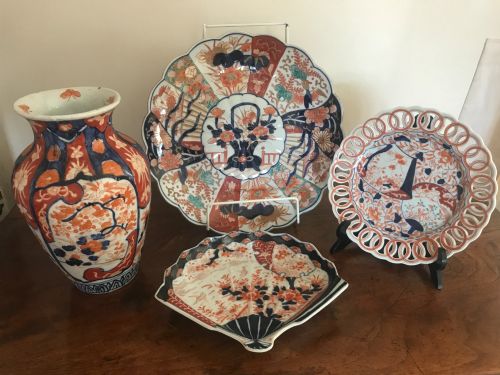
- A traditional Japanese porcelain style originating in Arita, typically characterised by a palette of underglaze blue, iron red, and gilt highlights. These wares became hugely popular in European export markets during the late nineteenth century.
- Kutani
- A style of Japanese coloured porcelain known for bold pictorial designs, often incorporating dense geometric patterns and mythological figures rendered in reds, greens, and gold.
- Sumida Gawa
- An expressive type of Japanese art pottery featuring thick, dripping flambe glazes and distinctive applied sculptural figures climbing the exterior walls.
- Flambe
- A streaked or mottled high-temperature glaze that flows during firing, creating dramatic colour transitions ranging from deep blues to vibrant reds.
- Garniture
- A matching set of three or more vases or jars designed to be displayed together on a mantelpiece or sideboard.
Red Ceramic Japanese Vase: Frequently Asked Questions
How do I identify a Meiji period vase?
Meiji period ceramics typically date between 1868 and 1912, reflecting the opening of Japan to Western trade and a subsequent surge in export-quality craftsmanship. Look for intricate hand-painted details, complex enamel work, and traditional maker signatures on the base.
Many pieces from this era combine traditional motifs like dragons and phoenixes with innovative glazing techniques. Comparing the weight of the porcelain and the crispness of the painted palette helps confirm the period of manufacture.
What is the difference between Imari and Kutani?
Imari porcelain relies on a distinct palette dominated by iron red, cobalt blue, and gold, traditionally produced around Arita. The designs frequently feature floral brocades, panels, and intricate geometric borders.
Kutani wares, by contrast, lean heavily into pictorial scenes and dense multi-coloured enamels including deep greens, purples, and yellows alongside reds. Kutani pieces often highlight narrative moments or mythological subjects rather than repeating botanical patterns.
How should I display a large floor vase?
Large floor-standing vessels require stable placement away from high-traffic areas to prevent accidental knocks. Placing them directly on solid flooring or sturdy low pedestals allows their scale and vertical form to anchor an interior space.
Keep these pieces clear of direct sunlight to protect the stability of surface enamels and gold leaf highlights over time. Pairing them with minimal surrounding furniture lets the sculptural details and complex glazes remain the visual focus.