




Decorative Japanese Pottery
These decorative japanese pottery pieces bring rich hand-painted detail and historic ceramic craftsmanship directly into contemporary spaces.
Decorative Japanese Pottery
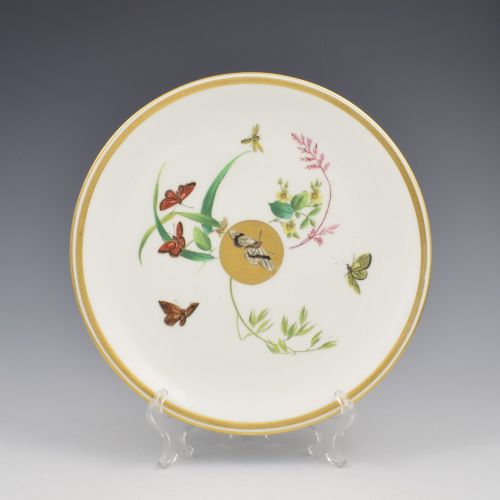
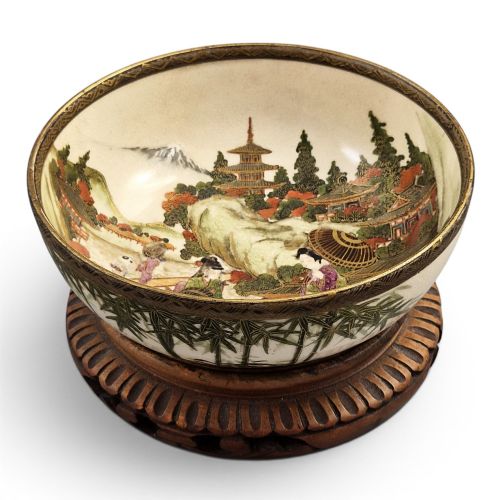
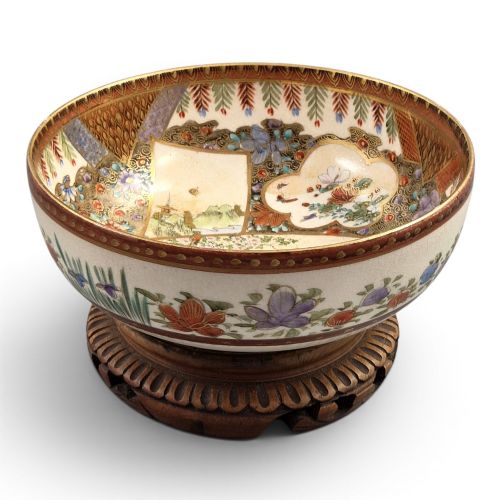
Decorative japanese pottery encompasses a rich variety of historic forms such as vases, bowls, plates, chargers, boxes, and table lamps originating from the late nineteenth and early twentieth centuries. These objects reflect distinct manufacturing periods including the Meiji and Taisho eras, alongside Victorian and Edwardian periods in Britain.
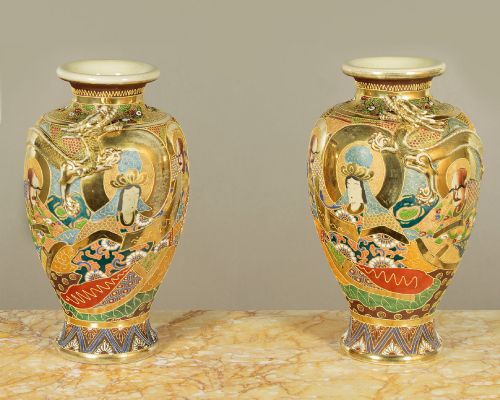
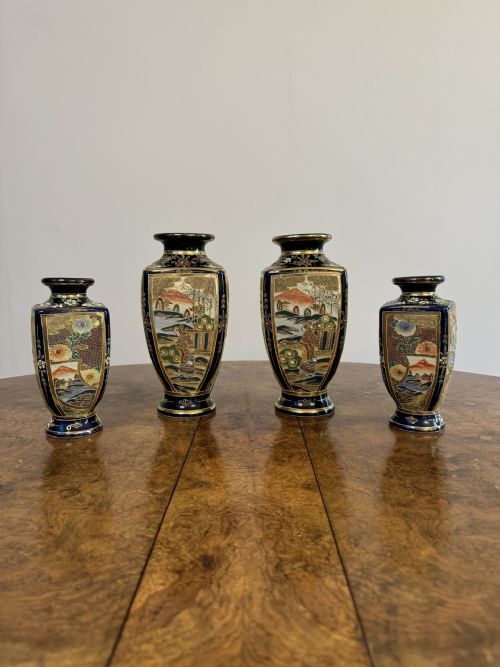
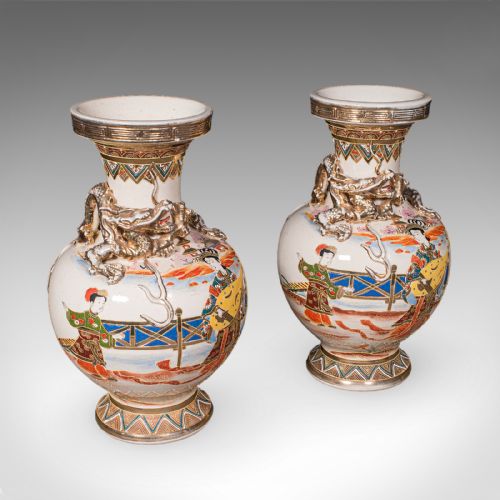
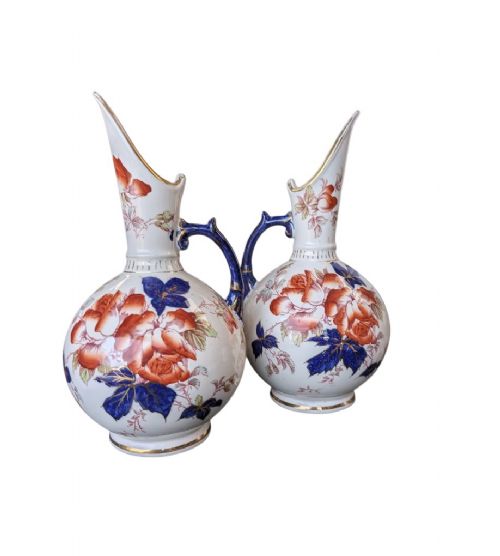
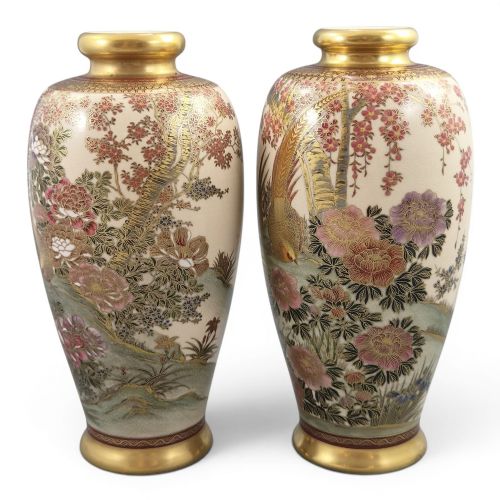
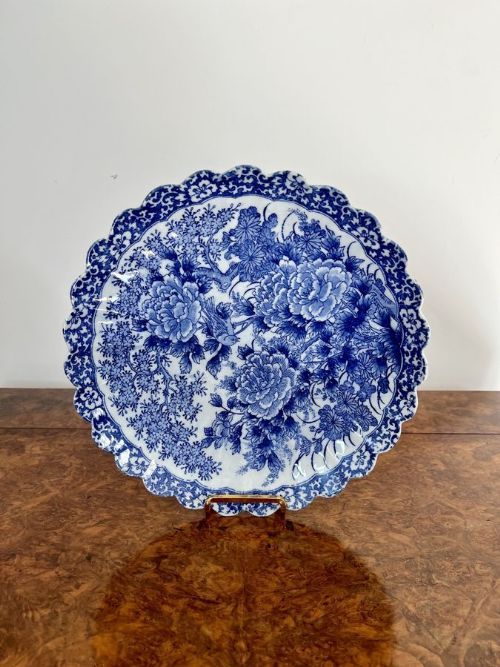
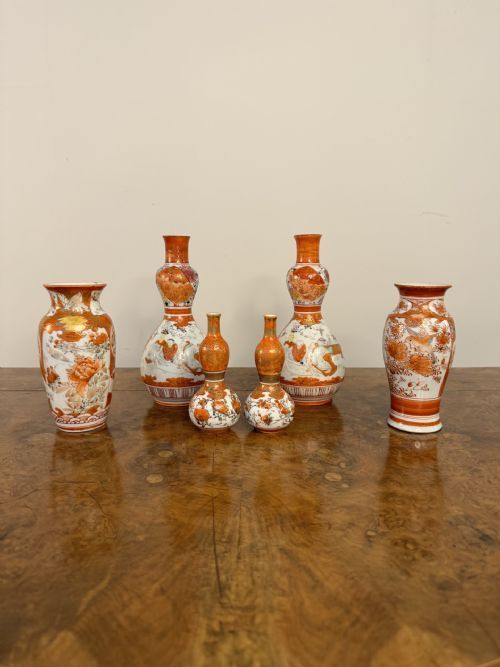
Buyers frequently encounter intricate Satsuma earthenware alongside Kutani and Imari porcelain pieces. Common shapes range from miniature vessels and baluster vases to large garnitures and decorative chargers designed for prominent display.
Materials and production methods
Potters shaped these vessels using earthenware and porcelain clays before applying detailed enamel pigments, cobalt blue underglazes, and rich gilding. Many pieces utilise raised moriage decoration and intricate gold leaf accents to build texture and visual depth.
Finishing techniques often involved specialised hand-painting workshops in regions like Kyoto and Yokohama. Artists frequently signed their works with specific artist marks, family crests, or studio stamps directly onto the ceramic base.
Several miniature vases preserve microscopic hand-painted scenes so detailed that individual facial expressions on tiny figures require a magnifying glass to appreciate.
Distinctions in quality
Quality rests primarily on the precision of the hand-painting, the complexity of the enamel work, and the clarity of the signature or workshop mark. Finer examples display meticulous brushwork across figural scenes, landscapes, and floral motifs without smudging or uneven glaze pooling.
The density and refinement of the gilding and moriage relief separate standard decorative wares from exhibition-grade pieces. Superior ceramic bodies exhibit balanced proportions and clean potting, whether formed as delicate bowls or substantial baluster vases.
Kinkozan·Hododa·Koshida·Manpei·Toshozan
The Decorative Japanese Pottery Glossary
- Satsuma
- An earthenware ceramic type featuring a crackle ivory glaze decorated with polychrome enamels and extensive gilding. Originating in the Satsuma Domain, production expanded significantly in Kyoto during the Meiji period.
- Imari
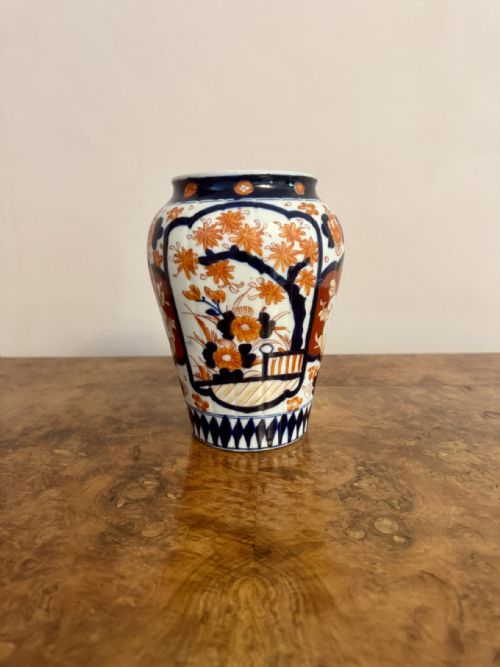
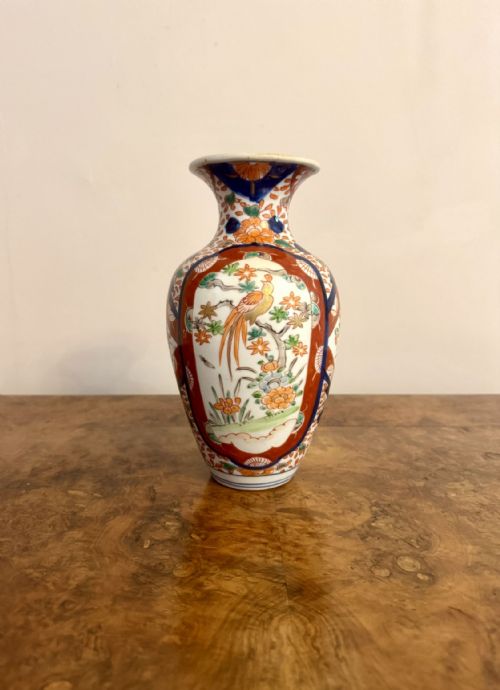
- A traditional style of Japanese porcelain featuring characteristic cobalt blue, iron red, and gilt ornamentation. These pieces were widely exported and heavily influenced European ceramic design.
- Kutani
- A distinct style of Japanese porcelain and ceramic ware known for bold colour palettes, particularly deep greens, blues, yellows, and purples. Designs often incorporate detailed figural and naturalistic scenes.
- Moriage
- A decorative ceramic technique utilising piped or layered clay slip to create raised, textured relief patterns before glazing and gilding. This method adds a tactile dimension to vases, bowls, and jars.
- Okimono
- A small Japanese standalone decorative carving or ceramic sculpture intended for display on a shelf or tokonoma alcove. These figures frequently depict historic personages, deities, or everyday characters.
- Mon
- A traditional Japanese heraldic crest or badge used to identify families, clans, or governing bodies. These emblems often appear on high-quality ceramics alongside maker signatures.
Decorative Japanese Pottery: Frequently Asked Questions
How do I date antique Satsuma pottery?
Dating typically relies on the stylistic characteristics of the painting, the presence of specific artist or studio signatures, and the type of ceramic body used. Pieces from the Meiji period often display dense enamel work and fine crackle glazes.
Changes in export regulations and trade marks also help narrow down the decade of production between the late nineteenth and early twentieth centuries.
What is the difference between Imari and Kutani?
Imari porcelain traditionally relies on a distinct palette of cobalt blue underglaze combined with iron red and gold overglaze. The patterns frequently feature balanced floral and geometric panel arrangements.
Kutani ware utilises a broader and more vibrant range of enamel colours, particularly deep greens and golds, focusing heavily on pictorial scenes and natural motifs.
How were these decorative pieces originally used?
Many of these ceramics served as ornamental display objects within traditional Japanese interiors, specifically within alcoves known as tokonoma. Large chargers, garniture vases, and decorative plates were also exported to adorn European and American drawing rooms.
Smaller vessels, boxes, and miniature vases functioned primarily as cabinet pieces intended to showcase fine artistic craftsmanship.
How should I care for antique ceramic pieces?
Care requires keeping pieces away from direct sunlight to preserve the stability of surface enamels and delicate gold leaf details. Dusting should be done gently with a soft, dry cloth without applying water or chemical cleaners.
Display surfaces should remain stable and secure to prevent accidental knocks, particularly for taller baluster vases and multi-piece garnitures.