


Japanese Art Pottery Vase
These japanese art pottery vase examples bring sculptural forms and rich glazes into a room, offering tactile connection to late nineteenth and early twentieth century studio traditions.
Japanese Art Pottery Vase
A japanese art pottery vase typically appears in earthenware, stoneware, or porcelain, spanning forms from slender neck vessels to large decorative vases and jardinieres. These objects emerge from distinct periods including the Meiji, Taisho, and Showa eras, reflecting shifting aesthetic priorities across Japanese ceramic centres.
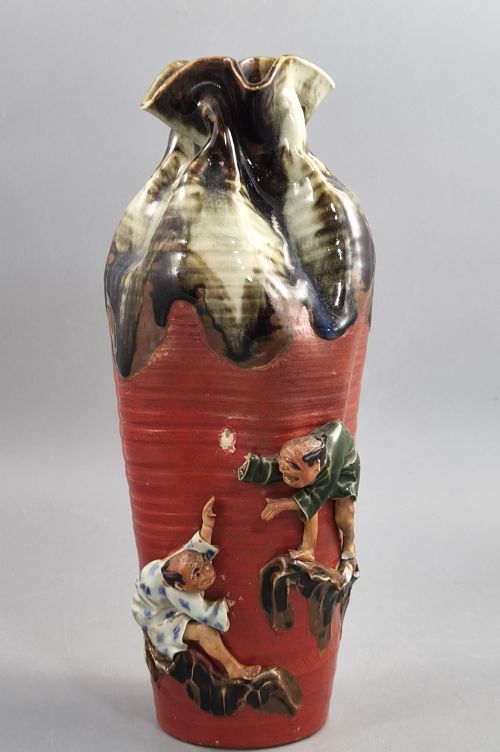
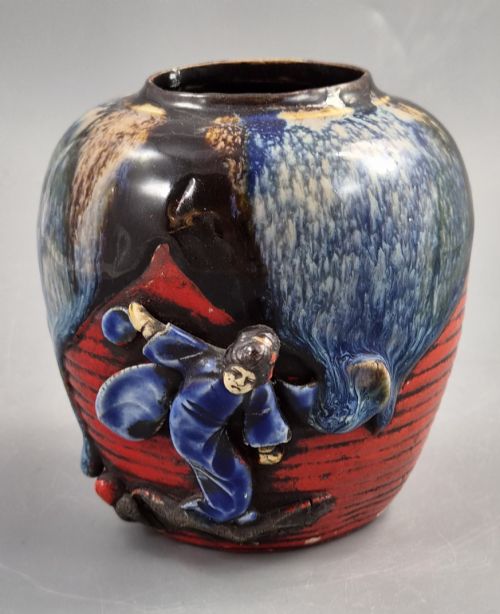
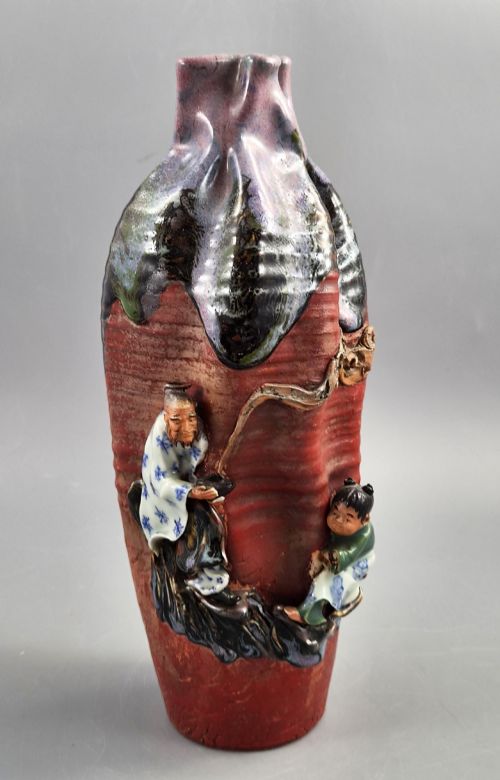
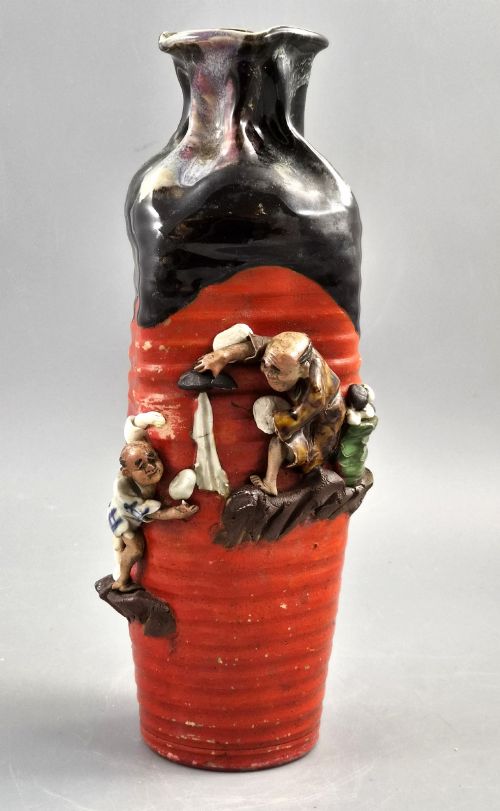
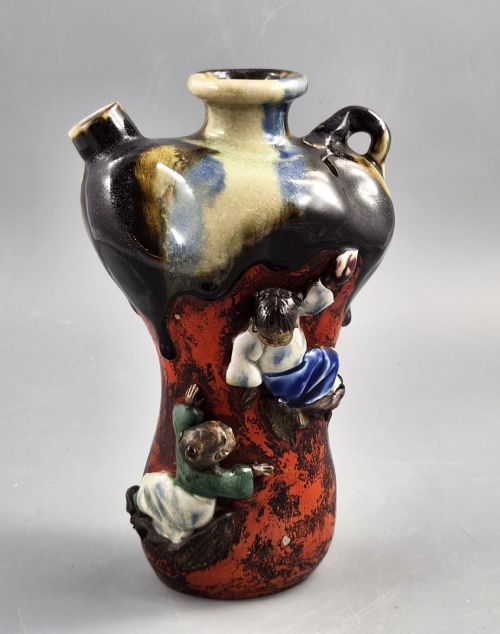
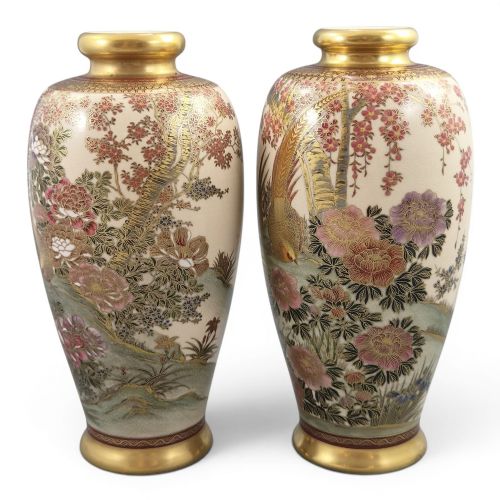
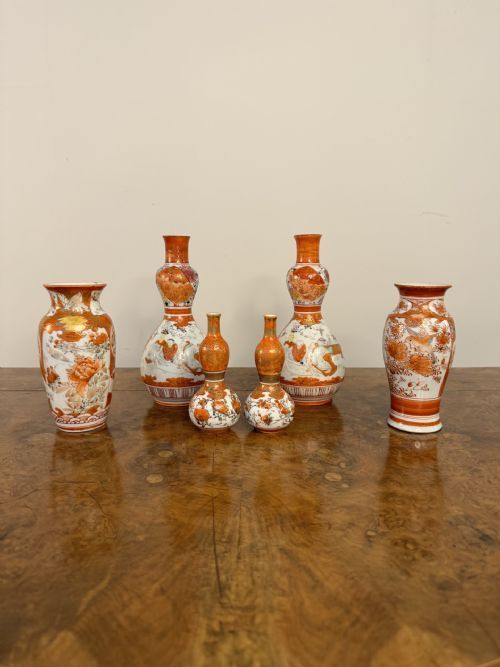
The selection on this page most frequently highlights works associated with the Meiji and Taisho periods, alongside specific regional traditions such as Satsuma, Kutani, Imari, and Sumida Gawa. Pieces range from heavily textured sculptural vessels featuring applied figures to refined painted surfaces finished with gold leaf.
Collectors encounter both signed masterworks by known artists and unsigned studio productions that maintain high standards of modelling and glaze work. The forms serve as decorative focal points, shaped by traditional kiln techniques and historical export demands.
Evaluating quality and execution
The distinction between standard commercial output and superior work rests on the precision of the modelling and the depth of the glaze. Master potters achieved controlled flambe effects and crisper details in applied sculptural elements, whereas lesser pieces show muddied glazes and coarse modelling.
The presence of clear maker signatures or attribution to notable workshops elevates the standing of a piece within the tradition. Surface preservation, particularly the intact state of delicate enamel work and gold leaf applications, also determines the overall integrity of the object.
Some vessels feature tiny, determined clay figures caught mid-climb, refusing to let a slippery flambe glaze stop them.
Inoue Ryosai·Ban-ni·Manpei·Hotoda·Makuzu Kozan·Kinkozan
The Japanese Art Pottery Vase Glossary
- Flambe glaze
- A reactive ceramic glaze that produces variegated, streaked colour patterns during high-temperature kiln firing. It relies on the movement of metallic oxides to create dramatic tonal shifts.
- Earthenware
- A porous pottery body fired at lower temperatures, commonly used for vessels requiring heavy surface enamelling or applied sculptural decoration. It forms the base for many traditional wares.
- Stoneware
- A dense, impermeable ceramic material fired at higher temperatures until vitrified. It provides a sturdy structural foundation for large decorative vases and jardinieres.
- Enamel
- Opaque or translucent glass-like material applied to the fired ceramic surface and fixed in a muffle kiln. It allows for vibrant pictorial and geometric decoration.
- Jardiniere
- A large decorative ceramic pot designed to hold live plants or floral arrangements. These substantial vessels often feature complex surface painting or relief work.
Japanese Art Pottery Vase: Frequently Asked Questions
How do I care for my vase?
Display the vessel away from direct sunlight to protect delicate enamel and gold leaf decorations from fading over time.
Dust the surface gently with a dry, soft cloth, avoiding commercial cleaning agents that might compromise the glaze.
Where were these pieces made?
These ceramics originated in various Japanese pottery centres and workshops during periods of significant export and artistic development.
Production methods varied by region, combining local clay resources with traditional glazing and painting techniques.
How can I date a vase?
Dating relies on stylistic markers, signature formats, and historical periods such as the Meiji or Taisho eras.
Examining the base and the composition of the ceramic body often provides additional clues to the manufacturing era.
What is Sumida Gawa pottery?
Sumida Gawa pottery is a distinctive style known for its heavily textured surfaces and applied sculptural figures climbing the vessel wall.
These pieces typically feature vibrant flambe glazes and originated from workshops associated with makers like Inoue Ryosai.