


Antique Red Sumida Pottery
Antique red sumida pottery brings tactile relief figures and dripping flambe glazes from the Meiji and Taisho periods directly into your room.
Antique Red Sumida Pottery
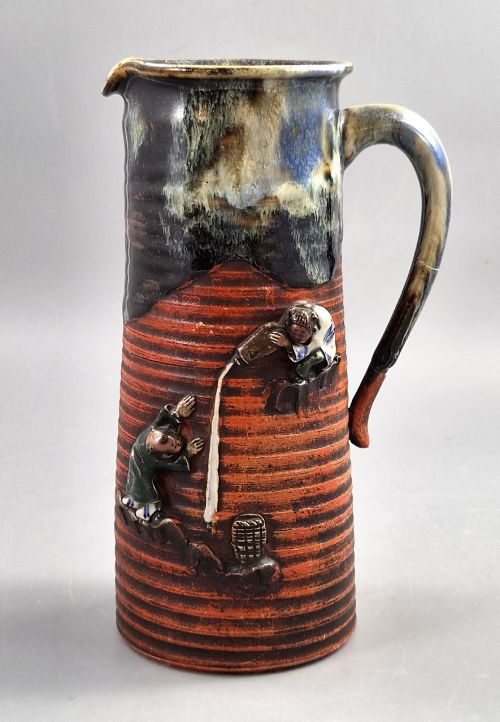
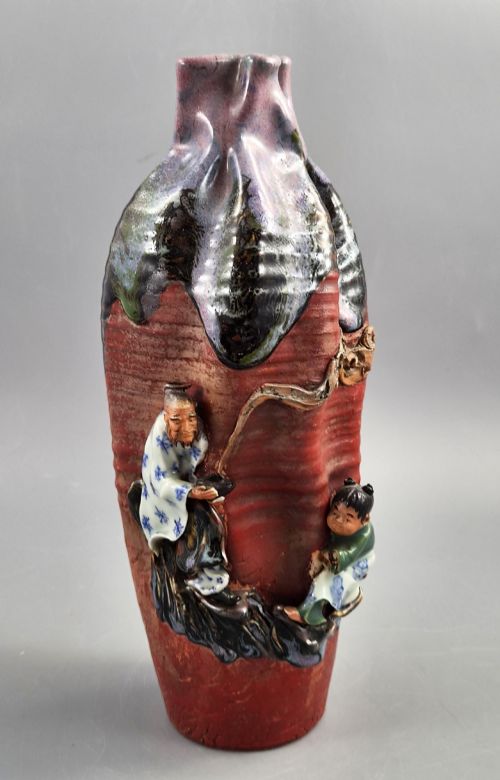
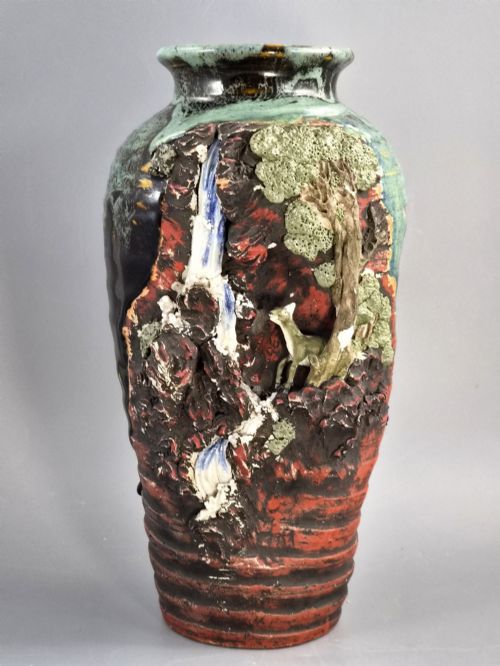
When you search for antique red sumida pottery, you encounter distinct Japanese ceramic wares defined by heavy applied figural relief and characteristic streaked glazes. These pieces date principally from the Meiji to Taisho periods, spanning around 1900 to the 1920s.
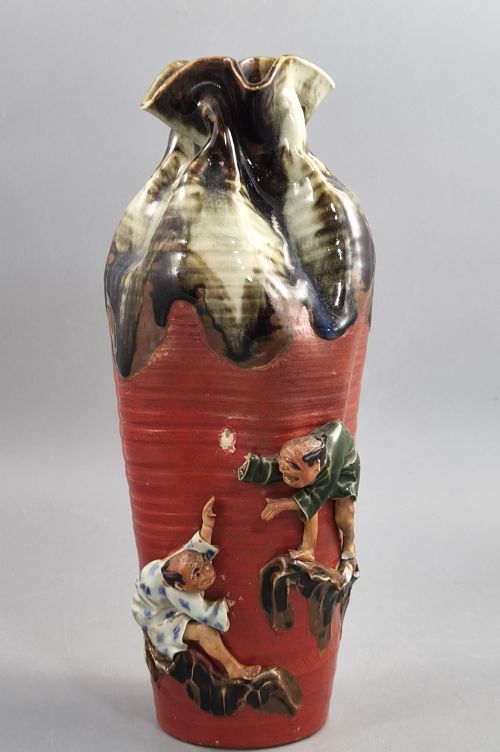
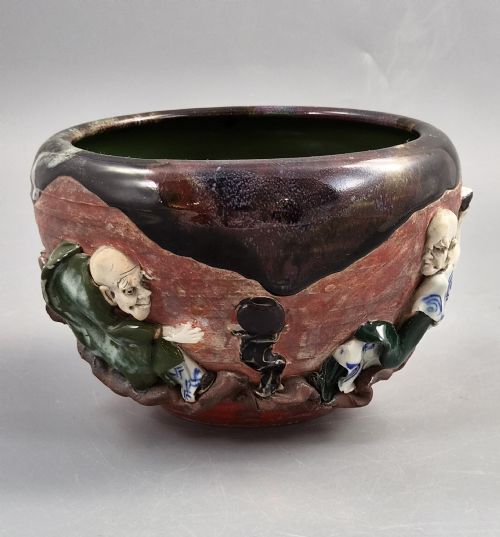
The forms available include tall vases, pitchers, decorative bowls, teapots, and brush washers. Pitchers, vases with pinched sack rims, and vessels featuring sages, karako, or climbing figures dominate the selection.
Originating from the Asakusa area near the Sumida River in Tokyo, these wares represent a distinct departure from traditional smooth Japanese ceramics. Their rough-textured surfaces and sculptural additions set them apart immediately.
How they were made
Potters utilised earthenware, terracotta, and stoneware as the primary body materials for these vessels. The clay is often left partially exposed in textured bands to contrast against glossy coloured glazes.
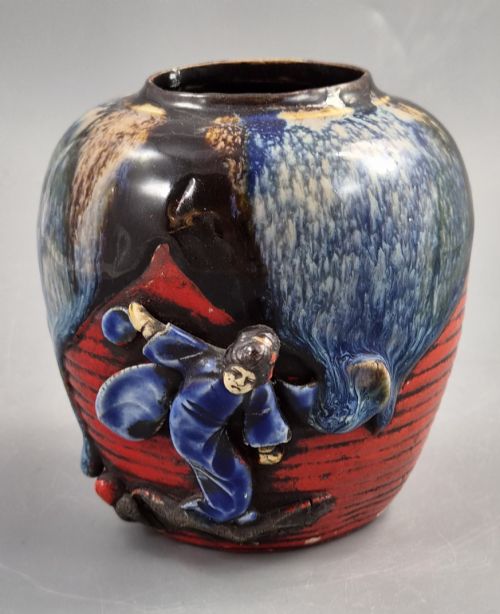
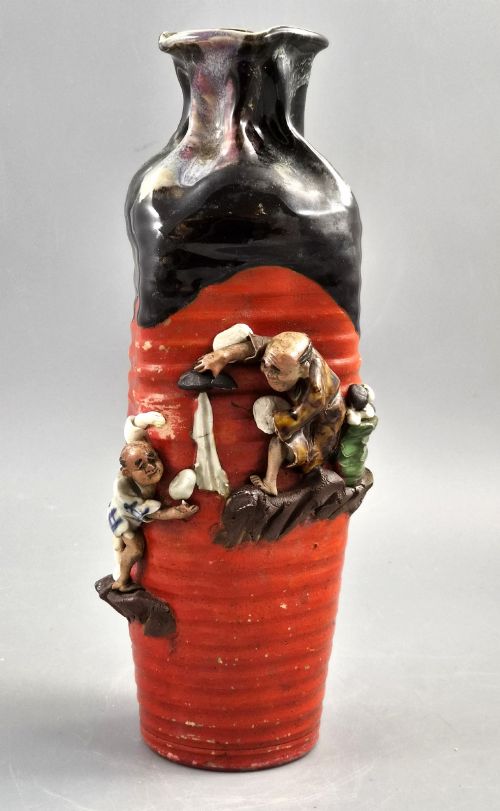
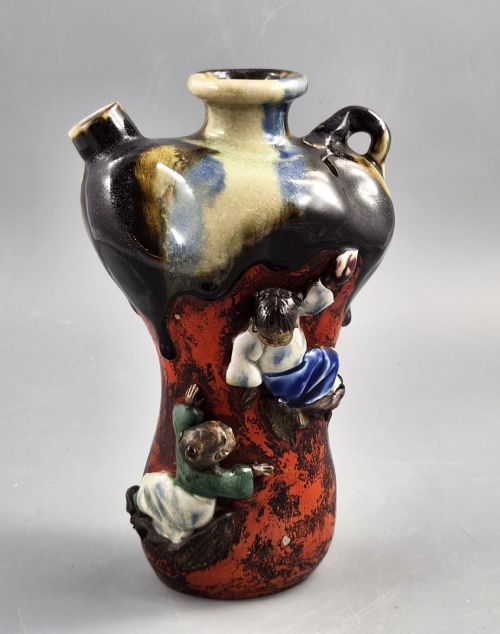
Artisans applied figures separately by hand onto the body before firing, creating high-relief scenes of sages, animals, and children. Flambe glazes in red, blue, and lavender were then poured over the pottery, running down the sides to create dramatic colour shifts.
A climbing figure routinely scales the side of the pot, seemingly ignoring the molten glaze pouring down around it.
What varies in quality
The interaction of the glaze with the clay body also separates standard pieces from exceptional ones. Rich, controlled flambe runs that pool effectively around the relief elements show superior kiln mastery.
Inoue Ryosai·Ban-ni·Ishiguro Koko
The Antique Red Sumida Pottery Glossary
- Sumida Gawa
- Pottery produced along the Sumida River in Tokyo during the late nineteenth and early twentieth centuries. It is easily identified by thick glazes and sculptural figures.
- Flambe glaze
- A streaked or mottled ceramic finish created by metallic oxides reacting in the kiln. The glaze drips and pools across the surface during firing.
- Karako
- Chinese-style boys depicted in traditional dress with shaved heads. They appear frequently as applied figures on Japanese ceramics.
- Suiban
- A shallow decorative basin used for holding water, stones, or arrangement plants. These vessels often incorporate sculptural landscapes along their rims.
- Meiji Period
- The era of Japanese history lasting from 1868 to 1912, characterised by opening trade and rapid artistic expansion. Many of the most expressive ceramic works date from its later years.
Antique Red Sumida Pottery: Frequently Asked Questions
What is sumida pottery?
Sumida pottery is a distinctive type of Japanese ceramic featuring heavy, textured bodies and hand-modelled figures applied in high relief.
These pieces were made near Tokyo during the Meiji and Taisho periods, combining rough unglazed clay patches with glossy flambe glazes.
How do I identify a signature?
Signatures on these wares are typically impressed, incised, or applied directly into the clay body near the base or within the scene.
Artists such as Inoue Ryosai and Koko marked their sculptural pieces, though many surviving examples remain unsigned.
What are flambe glazes?
Flambe glazes are reactive ceramic finishes that produce mottled, streaked, or dripping colour variations during the kiln firing process.
On these pots, they run down the sides in shades of red, blue, and lavender, framing the applied figures.
How should I display them?
Because these vessels are heavily sculptural and richly coloured, they function best as standalone decorative centerpieces on tables or shelves.
Allowing adequate light to strike the textured surfaces helps reveal the fine details of the applied figures and glaze runs.