



Traditional Framed Landscape Art
Traditional framed landscape art brings the depth of countryside and coastal views into a room, spanning centuries of painterly observation.
Traditional Framed Landscape Art
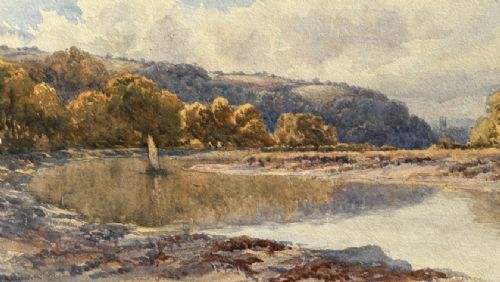
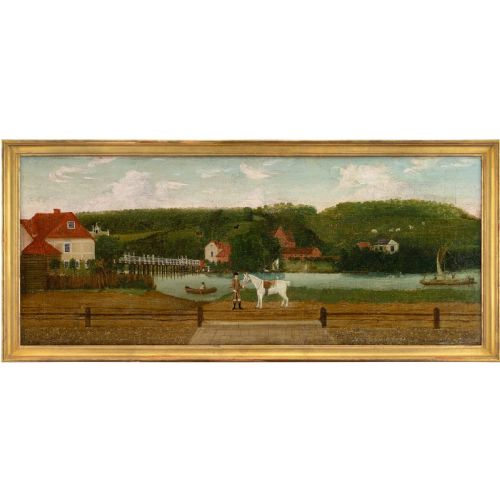
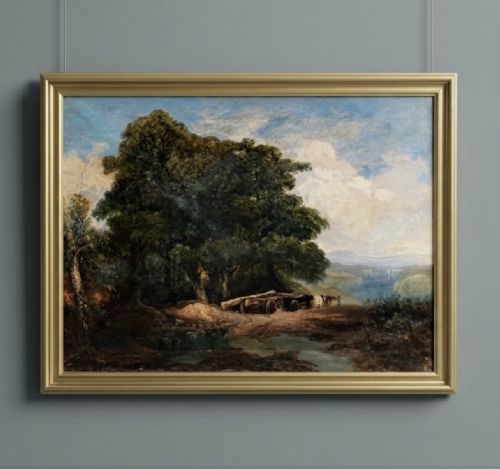
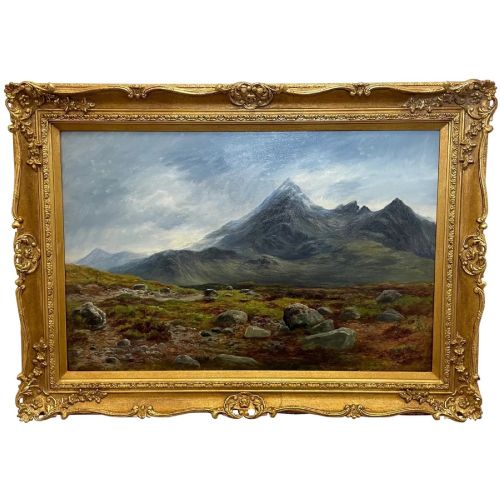
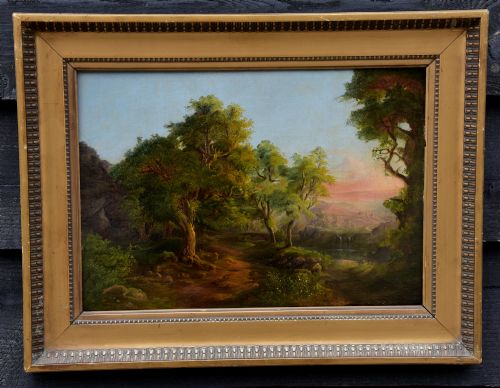
Traditional framed landscape art comprises painted and worked views of the countryside, coastal scenes, and pastoral life found in standard domestic settings. When you search for traditional framed landscape art, you meet oil paintings on canvas and panel alongside watercolours on paper, all retained within period frames.
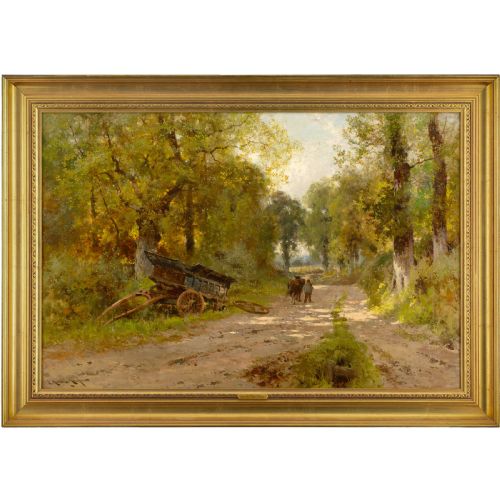
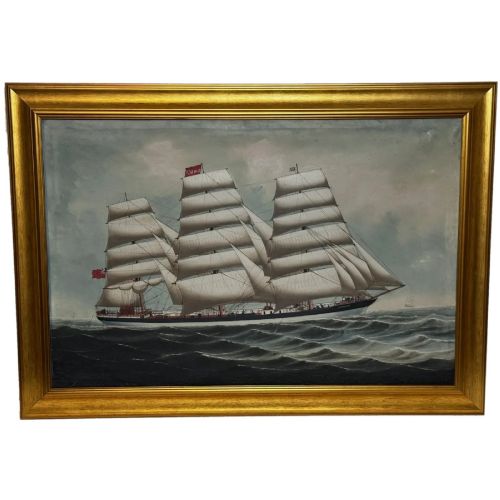
The selections span from the seventeenth century through the Victorian and Edwardian eras into the mid-twentieth century. Works frequently record rural British scenes, marine harbours, and woodland paths captured by regional and school painters.
Materials and methods
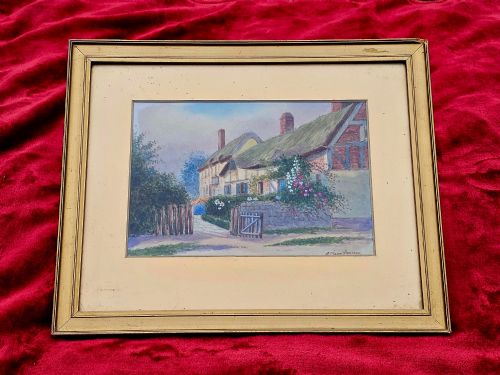
Makers utilised oil paint applied to stretched canvas, wooden panels, or card boards, building up layers of pigment to describe light and atmosphere. Watercolours were worked on paper, often supported by glass within the enclosing frame to protect the delicate medium.
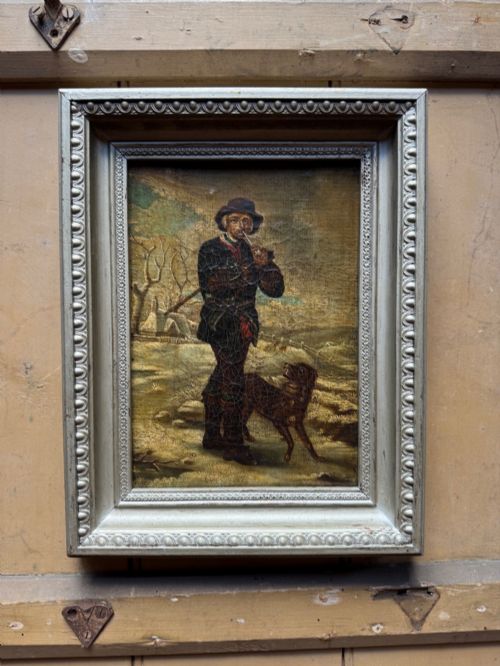
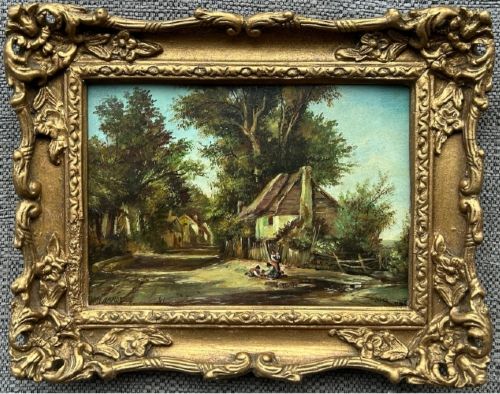
Frames themselves consist of wood and giltwood, sometimes carved or moulded to complement the pictorial subject. These surrounds form an integral part of the piece, housing the canvas or paper securely from the era of creation onwards.
Listings feature works spanning the seventeenth to the twentieth centuries, employing oil on canvas, wood panels, watercolours, and giltwood frames.
Variations in quality
Quality rests in the handling of light, distance, and natural detail by the artist, distinguishing skilled observation from mechanical reproduction. A stronger composition displays confident brushwork or watercolour wash that constructs convincing spatial depth without stiffness.
The preservation of the original wooden or giltwood frame also influences the overall standard of a piece. Well-matched mountings and intact surfaces maintain the historical integrity intended when the artwork was first assembled.
Richard Sebastian Bond·William Beattie-Brown·William H Myers·George Graham·Percy Lancaster·William Howard Hardy·John Horace Hooper·Reginald Arthur Borstel·A Marie Parsons·William Joseph Shayer Senior·Alfred Fontville de Breanski Jr·EJ Letheren·Edward Mills·George Houston·William Banks Fortescue·Thomas Barker of Bath·Thomas W Lascelles·Robert A Nottingham·William Joseph Boyes·David Bates·Thomas Smythe·Walter Heath Williams·Robert Thorne Waite·John Smith Atherton
The Traditional Framed Landscape Art Glossary
- Oil on Canvas
- Pigment mixed with drying oil applied to a woven fabric support. This combination allows for rich blending and textured application across centuries of painting.
- Watercolour
- A paint consisting of colour suspended in a water-soluble vehicle, typically applied to paper. It yields translucent washes that capture bright daylight and atmospheric skies.
- Giltwood
- Wood carved and coated with gold leaf or metallic powder. It provides a reflective, ornamental border designed to frame and elevate the artwork within.
- Wood Panel
- A rigid wooden board utilised as a base for oil painting before canvas became standard. Panels offer a stable, smooth surface that preserves fine brush detail over long periods.
- Victorian Pastoral
- A nineteenth-century artistic focus on idealized rural life, agricultural labour, and domestic animals. These scenes emphasise calm countryside routines and harmonious nature.
Traditional Framed Landscape Art: Frequently Asked Questions
What periods do these artworks cover?
The inventory spans multiple centuries, reaching from the seventeenth century through the nineteenth-century Victorian period into the Edwardian era and the mid-twentieth century.
Most surviving pieces originate from the nineteenth and early twentieth centuries, reflecting active periods of landscape painting in Britain and Europe.
How were these paintings originally displayed?
Artworks were mounted in wooden or giltwood frames designed to separate the image from the wall and complement the room's interior.
Watercolours were additionally protected beneath glass, while oil paintings on canvas or panel remained exposed to ambient air within their structural surrounds.
How do I identify a watercolour from an oil painting?
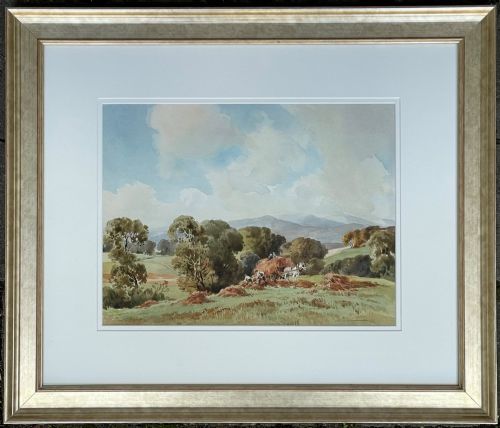
Watercolours are painted on paper, typically displayed behind glass with a paper mount surrounding the image to prevent direct contact.
Oil paintings utilise canvas, board, or wood panels as a base, presenting a heavier textured surface of dried pigment without glass protection.
What subjects appear most frequently in these landscapes?
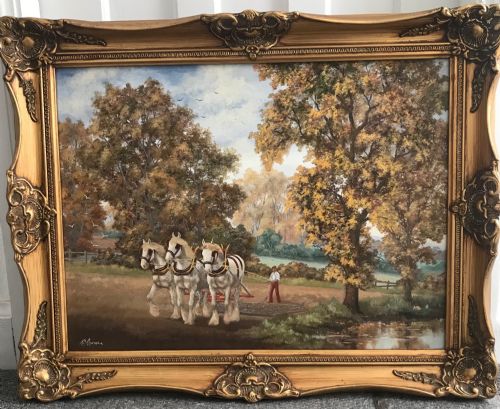
Common subjects include British countryside views, woodland paths, agricultural harvests with figures, and coastal harbour scenes.
Painters also recorded specific local geographies, marine views, and pastoral livestock such as shire horses and shorthorn cattle.