


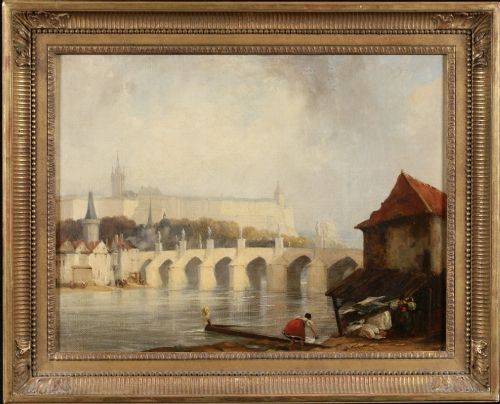
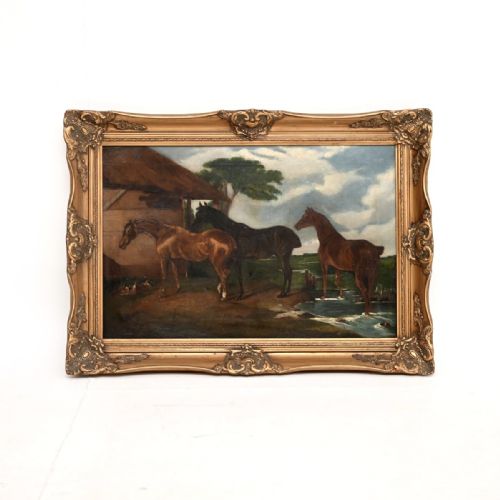
Georgian Oil Landscape Painting
A georgian oil landscape painting brings the muted pastoral light and sweeping rural horizons of the eighteenth and nineteenth centuries directly into a room.
Georgian Oil Landscape Painting
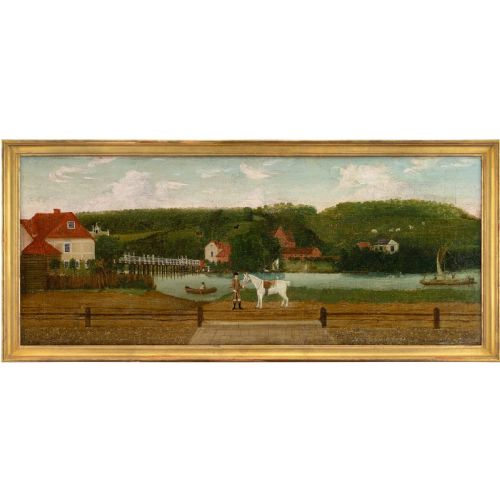
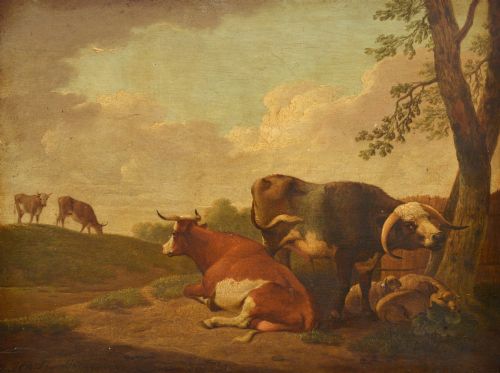
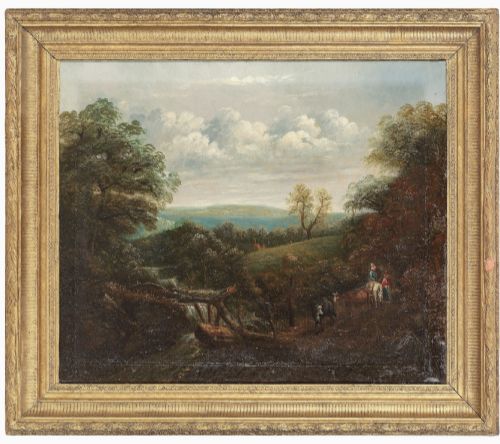
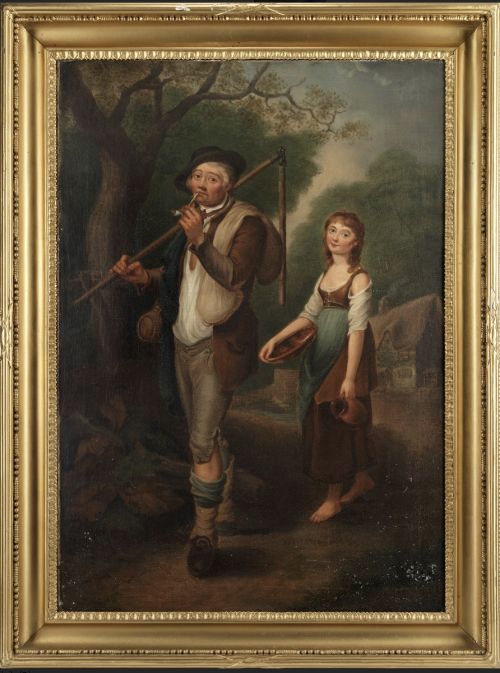
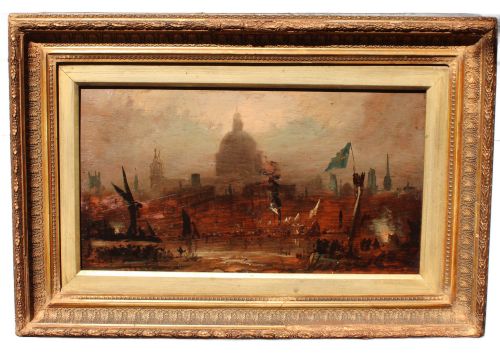
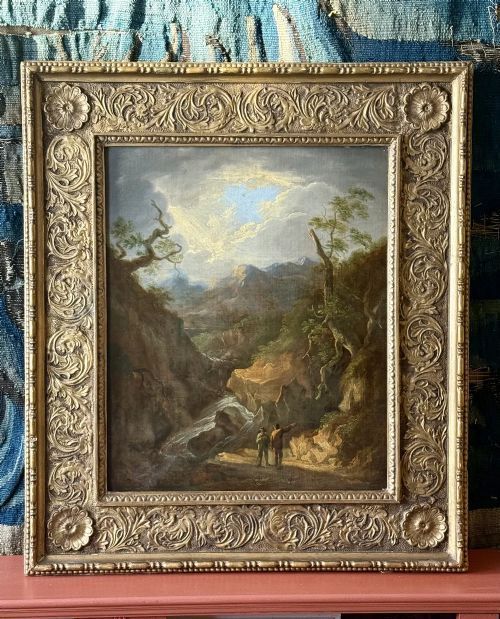
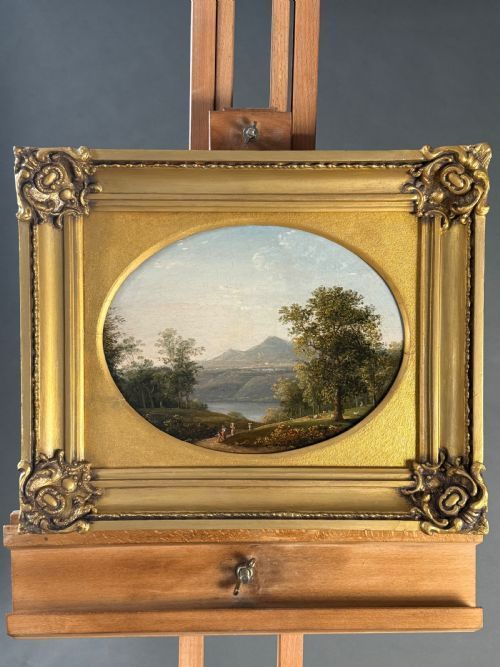
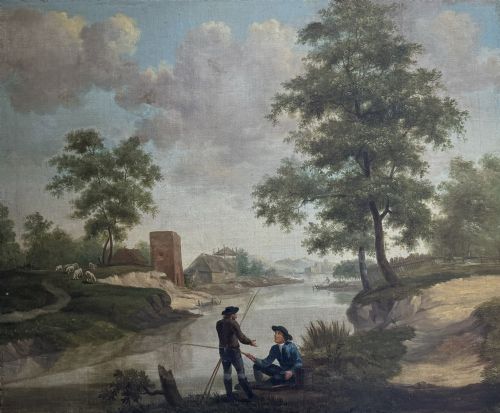
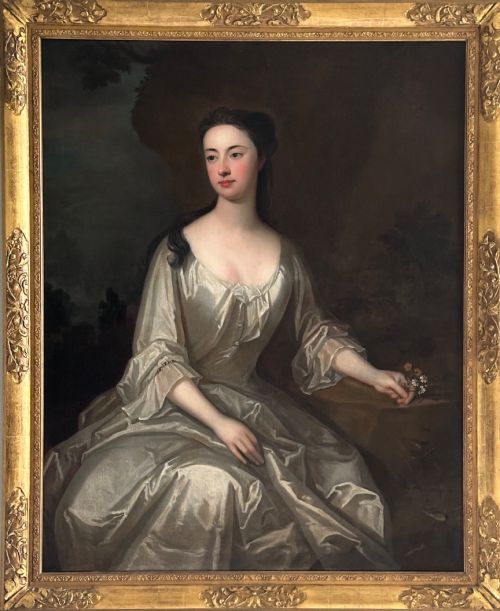
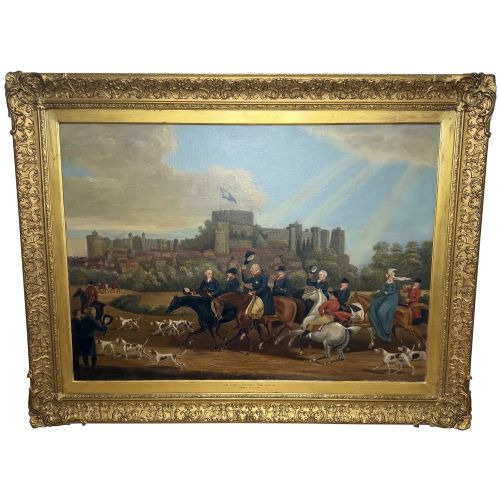
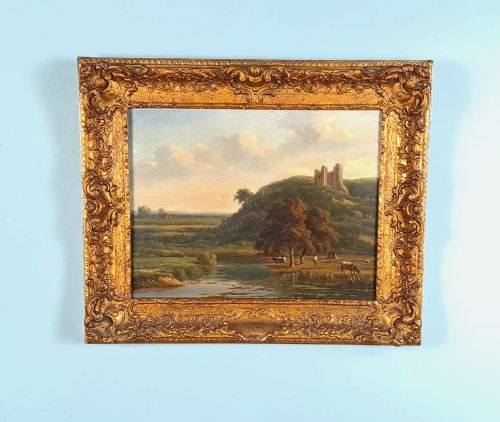
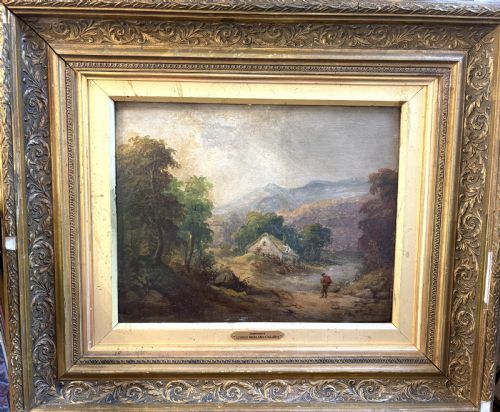
A georgian oil landscape painting encompasses rural views, coastal scenes, and pastoral compositions created across the eighteenth and nineteenth centuries. These works range from intimate wood panel studies to grand canvas commissions depicting estates, rivers, and cattle.
The selections span distinct regional traditions such as the Norwich School, alongside continental Italianate and Dutch influences. Subjects frequently integrate figures, livestock, or architectural ruins within expansive topographical settings.
Buyers encounter both signed works by known historical artists and anonymous regional studies executed on canvas, board, or wood panels. Many retain their original frames, providing a complete historical object rather than a bare canvas.
How they were made
Painters applied oil paint onto woven canvas supports or prepared wood panels, sometimes laying older canvases onto newer boards for structural support. These mediums allowed for rich layering of pigment, capturing shifting daylight and atmospheric weather across skies and terrain.
Finished works were typically housed in heavy wooden frames finished with gesso and gold leaf or giltwood. Such frames provided both physical protection and a decorative border suited to domestic interiors of the period.
Georgian Oil Landscape Painting Retail Price Guide 2026
Typical asking prices for georgian oil landscape painting among the pieces listed under this phrase on Sellingantiques today, from the lower quarter to the upper quarter. They describe what is for sale here now, not the wider market.
Listings feature works executed on canvas, wood panel, and board across the eighteenth and nineteenth centuries.
What varies in quality
The standard of execution reveals itself in the handling of light, anatomical precision of figures and animals, and atmospheric depth within the background. Master painters achieved nuanced transitions in skies and foliage that lesser hands rendered stiffly.
Condition and originality also dictate standing among surviving examples. Works retaining their initial wooden panels, untouched paint layers, and period giltwood frames hold greater historical integrity than those heavily restored or rebound.
William Joseph Shayer Senior·Hendrik Willem Schweickhardt·Thomas Barker of Bath·Benjamin Barker of Bath·Jacob Philipp Hackert·Adriana Verelst·T C Hofland·George Morland·John Constable·John Hamilton Mortimer·Giovanni Paolo Panini·Clifton Tomson·Julius Caesar Ibbetson·Francesco Zuccarelli·Joseph Farington·Samuel Henry Alken·Frank Moss Bennett
The Georgian Oil Landscape Painting Glossary
- Oil on Canvas
- Pigment mixed with drying oil applied to a stretched woven fabric support. This combination became the standard medium for portable fine art from the seventeenth century onward.
- Giltwood
- Wood carved and covered with a thin layer of gold leaf or gold paint. It provided opulent framing for important country house paintings.
- Wood Panel
- A rigid flat wooden support used for painting before canvas gained dominance. Panels were favoured by artists seeking a smooth, stable surface for detailed brushwork.
- Gesso
- A paint mixture consisting of a neutral binder mixed with chalk, gypsum, or pigment. It served as a prepared base on wooden frames before gilding.
- Italianate
- A stylistic approach inspired by the landscape and ruins of Italy. British artists frequently adopted these classical compositional elements during the eighteenth century.
Georgian Oil Landscape Painting: Frequently Asked Questions
How do I identify a genuine period piece?
Examine the materials of the canvas, board, and framing alongside the ageing of the pigment. Historical works often show natural craquelure and appropriate material wear consistent with centuries of existence.
Compare the handling of light and subject matter with documented examples from the same era or school. Attribution notes and historical records further assist in verifying authenticity.
Were these paintings always framed in gold leaf?
Giltwood and gold leaf frames were standard for important domestic and country house commissions. They enhanced the visual depth of the composition and matched contemporary interior decoration.
Many surviving works retain their original frames, though some have been re-framed over subsequent centuries to suit changing tastes.
What subjects are most common in these landscapes?
Rural scenes featuring rivers, livestock, and country paths dominate the surviving inventory. Artists frequently included figures, horses, or agricultural workers to add narrative scale to the view.
Topographical studies, coastal harbours, and classical ruins influenced by continental travel also appear regularly among eighteenth and nineteenth-century works.
How should I care for an oil painting on wood panel?
Keep the panel away from direct sunlight, dampness, and rapid fluctuations in room temperature. Wood expands and contracts with humidity changes, which can stress both the panel and the paint layer.
Dust the surface gently with a soft, dry brush and avoid using liquid cleaners or chemical solvents on the aged paint.