




Sepia Landscape Painting
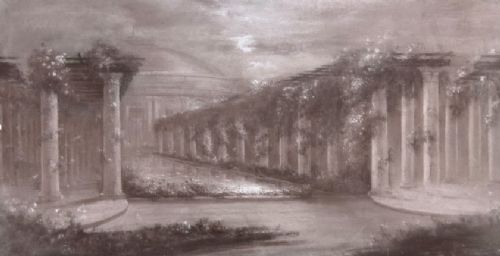
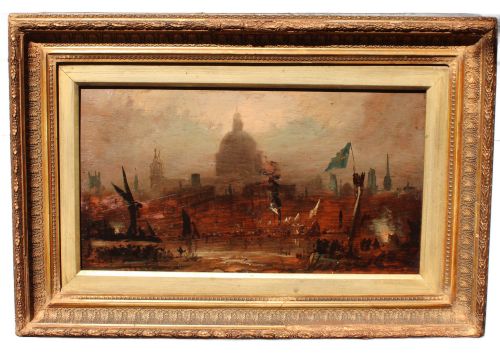
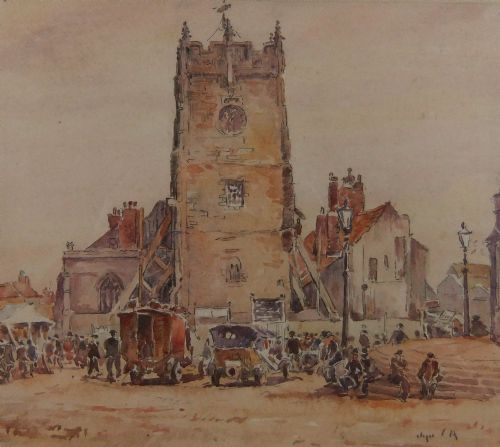
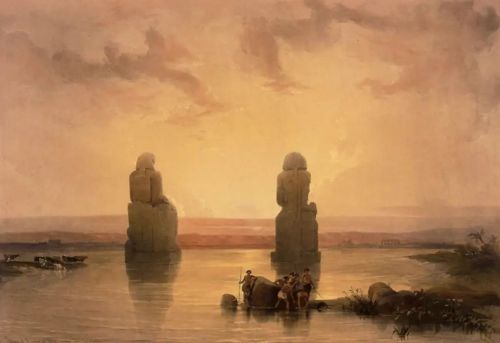
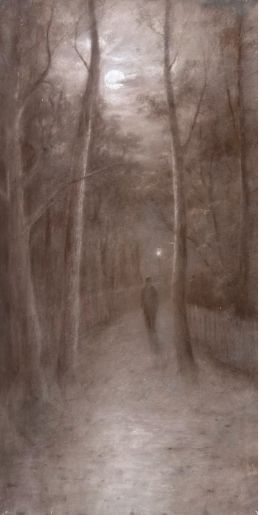
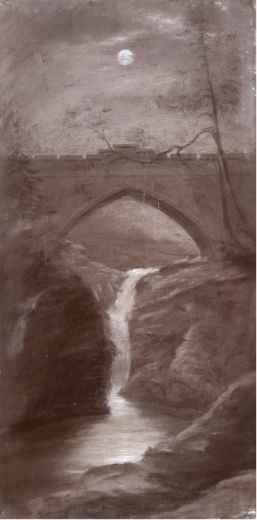
A sepia landscape painting brings quiet warmth and tonal depth to a room through monochromatic brown pigments and paper or canvas supports.
Sepia Landscape Painting
A sepia landscape painting captures rivers, coasts, and city streets through monochromatic brown pigments, relying on tonal variation rather than broad palettes. These works emerge primarily across the Georgian, Victorian, and Edwardian eras through to the early twentieth century.
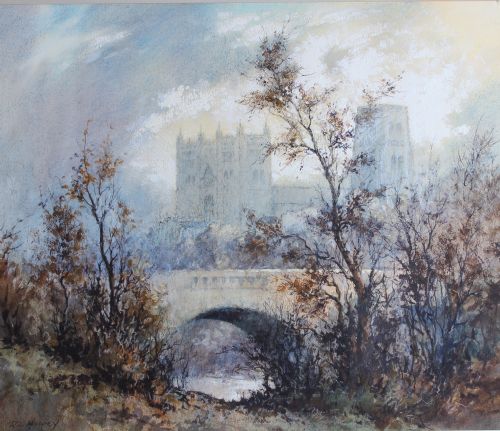
Buyers encounter framed watercolours, ink drawings, and mixed-media works on paper or canvas. Subjects range from Yorkshire harbours and Scottish highlands to continental buildings and marine scenes.
The selection includes both signed watercolours by known nineteenth-century hands and atmospheric charcoal drawings influenced by tonalism. Works span domestic British views and continental scenes recorded by travelling artists.
How they were made
Artists utilise watercolour pigment, ink, and charcoal on paper or canvas supports, often enclosed within wood frames under glass. Washes of brown pigment create depth and shadow without relying on colour.
Pencil underdrawing frequently anchors the composition before ink lines or watercolour washes define the landscape details. Selected works incorporate gold leaf accents or gilt highlights to catch the light within the frame.
Listings span the eighteenth century through to the 1940s, featuring works executed in watercolour, ink, and charcoal on paper and canvas.
What varies in quality
Quality rests in the precision of the brushwork and the control of tone across the monochromatic palette. Skilled handling creates convincing atmospheric perspective and depth using limited brown shades.
The sophistication of the composition and the preservation of the paper or canvas determine the standing of each piece. Finer works display confident ink line work and nuanced washes that retain their initial contrast.
John Smith Atherton·David Roberts·Robert Leslie Howey·Charles James Lauder·George Arthur Fripp·Frederick William Booty·Leslie Rackham·Henry Barlow Carter·Hercules Brabazon Brabazon·Samuel Palmer·W. Tatton Winter·Amos Green·Frank W. Scarborough·Harry Wanless·Thomas Clavering Alder·George Graham·Walter Emsley·Arthur Netherwood·Fred Lawson
The Sepia Landscape Painting Glossary
- Sepia
- A brown pigment traditionally derived from the ink sac of the cuttlefish. It provides the signature monochromatic tone found across these historical landscapes.
- Watercolour
- A painting method where water-soluble pigments are suspended in a water-based solution. Artists apply these transparent washes onto paper to build light and shade.
- Tonalism
- An artistic style that emerged in the late nineteenth century where painters focused on atmosphere and shadow rather than crisp topographical details. These works often employ dark, muted palettes.
- Gilt
- A thin layer of gold applied to wood frames or canvas elements. It adds reflective warmth to the perimeter of the artwork.
Sepia Landscape Painting: Frequently Asked Questions
What is sepia?
Sepia is a brown pigment historically obtained from marine cephalopods. It produces the warm, monochromatic tones characteristic of these works.
Artists valued the pigment for its stability and the wide range of light and dark washes it could achieve on paper.
How should I frame these works?
These pieces generally require wooden frames, often complemented by glass to protect the paper or canvas supports. Traditional gilt or timber moulding suits the nineteenth-century origins of the paintings.
Keep them away from direct sunlight to preserve the delicate brown pigments from fading over time.
Where were these painted?
The subjects span British locations such as Yorkshire, London, and Scotland, alongside continental scenes. Artists frequently travelled to record historic towns, coastal harbours, and rural rivers.
These depictions reflect both local topographical interest and the broader travels of nineteenth-century painters.