



Gilt Framed Fine Art
Gilt framed fine art brings together centuries of painted canvases and protective surrounds, offering buyers a window into historical portraiture and landscape.
Gilt Framed Fine Art
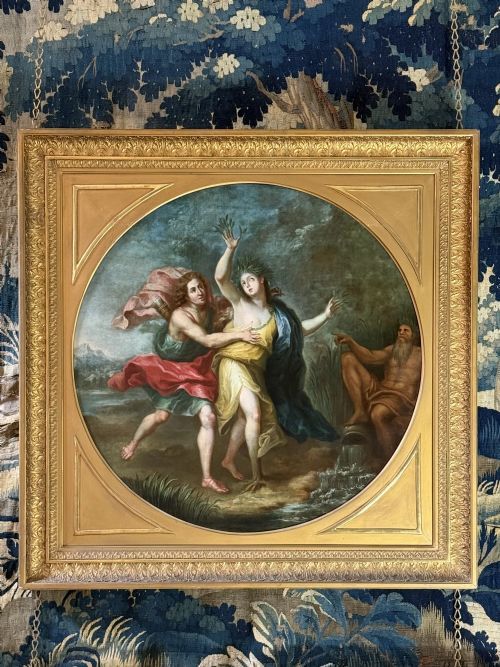
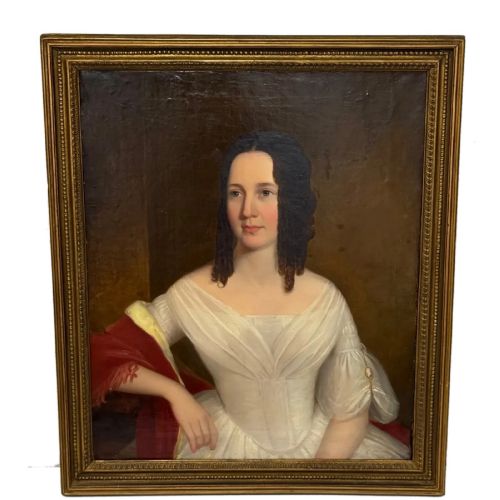
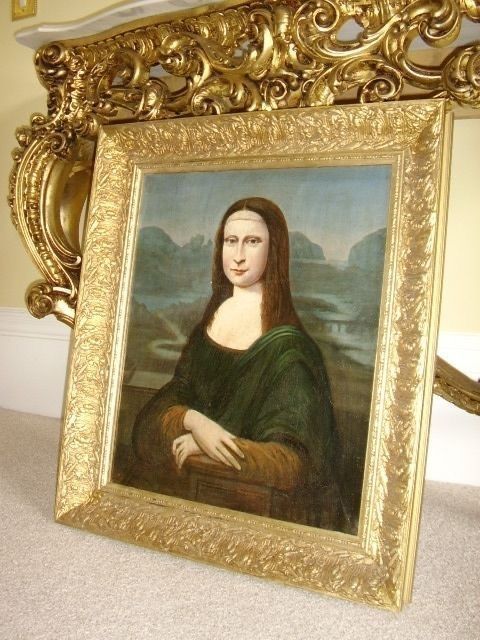
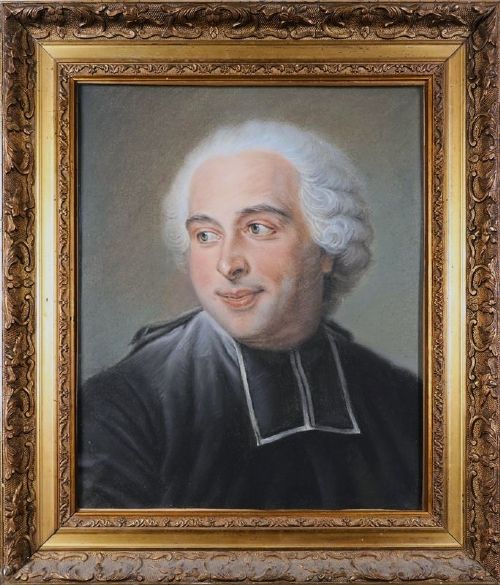
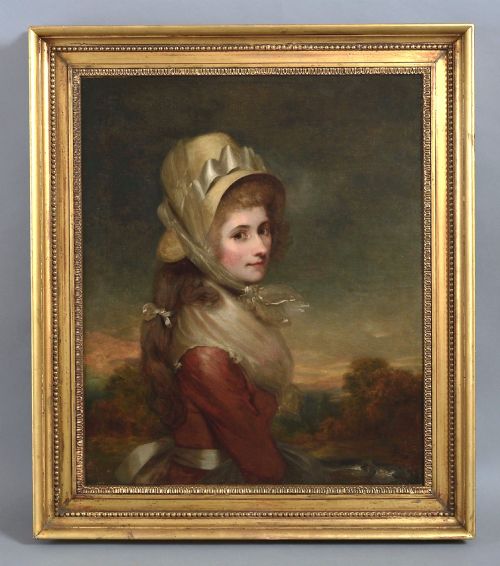
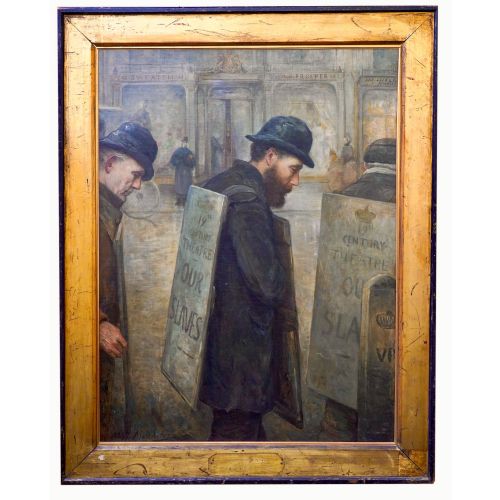
When searching for gilt framed fine art, buyers encounter oil paintings, pastels, and watercolours encased in decorative borders. These pieces span from the seventeenth century through to the twentieth century, capturing historical figures, landscapes, and domestic scenes.
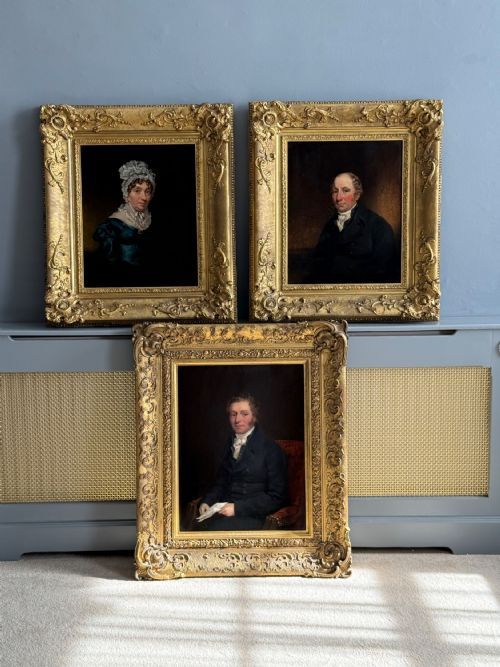
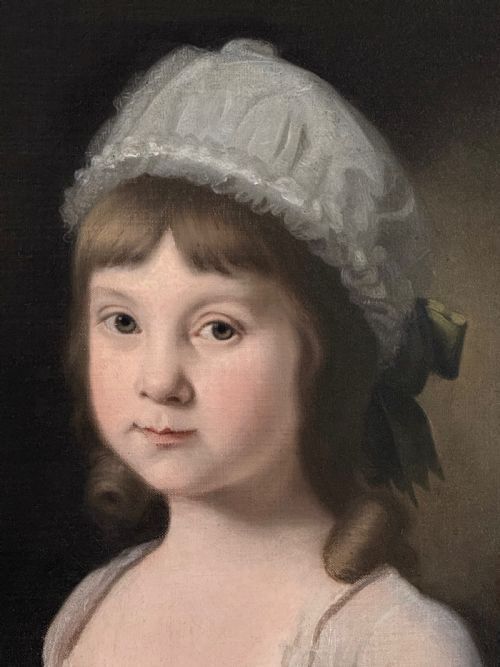
The most common examples on this page are oil paintings on canvas or panel, originating from British, French, and Italian schools. Portraiture dominates the selection, ranging from intimate miniatures to large canvases depicting nobility, artists, and literary figures.
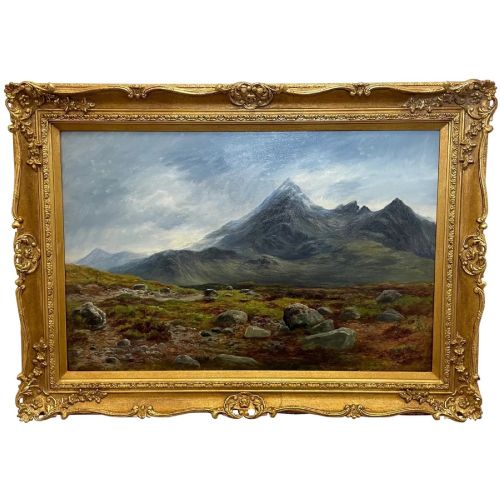
Beyond portraits, the selection includes coastal seascapes, pastoral landscapes, and classical mythological scenes. These artworks reflect the shifting aesthetic movements of their respective periods, from Baroque drama to Victorian realism.
How They Were Made
Artists typically applied oil paints to prepared canvas or wooden panels, building up layers of pigment and glaze to achieve depth and luminosity. Pastels on paper and watercolours also appear, utilising dry pigments or water-soluble binders.
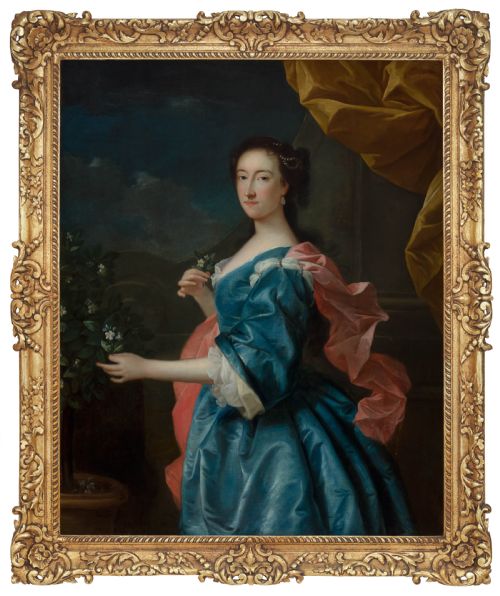
The surrounds are constructed from wood, often shaped with gesso - a plaster mixture - to form relief ornamentation before the application of gold leaf or gilt finish. This combination protects the artwork while providing a reflective border that complements the composition within.
The listings feature seventeenth-century portraits, eighteenth-century classical scenes, and nineteenth-century landscapes framed in gilt wood and gesso.
What Varies in Quality
The standard of execution in the painted surface sets individual works apart, distinguishing confident brushwork and precise anatomical drawing from more mechanical studio production. Works by named artists or established circles demonstrate superior handling of light, shadow, and texture.
The preservation and intricacy of the surrounding frame also influence the overall character of the piece. Original gilding and hand-carved gesso details on wooden mouldings represent a higher degree of craftsmanship than later replacements.
Charles Antoine Coypel·Jean Baptiste Van Loo·Joseph Clover·William Beattie Brown·Felix Stone Moscheles·Sir Anthony van Dyck·John Maler Collier·Joshua Reynolds·Jeremiah Davison·Francois Boucher·John Horace Hooper·Thomas Murray·Sir Peter Lely·Sir Thomas Lawrence·Benedetto Luti·Kershaw Schofield·George Houston·John Vanderbank·Charles D Agar
The Gilt Framed Fine Art Glossary
- Oil on Canvas
- Pigment mixed with drying oil, commonly linseed, applied to stretched woven fabric. This medium allows for rich blending and deep tones.
- Giltwood
- Timber that has been coated with gold leaf or a gold-coloured metallic finish. It provides a bright, ornate border for paintings.
- Gesso
- A paint mixture consisting of a binder mixed with chalk, gypsum, or pigment. It was applied to wooden frames to create a smooth surface for gilding.
- Portrait Miniature
- A small, highly detailed painting, often executed on vellum, card, or ivory. These portable likenesses were popular in the eighteenth century.
- Baroque
- An artistic style prevalent from the seventeenth to mid-eighteenth century, characterised by drama, deep shadow, and rich ornamentation.
Gilt Framed Fine Art: Frequently Asked Questions
How do I date an antique oil painting?
Dating relies on examining the canvas preparation, stretcher construction, and stylistic clues within the subject's clothing and hair. Pigment analysis and frame characteristics also provide helpful chronological markers.
Comparing the brushwork to known examples from specific artistic schools helps narrow down the decade of creation.
What is the difference between an oil and a pastel?
Oil paintings use pigments bound with drying oils on canvas or panel, resulting in a durable, luminous surface that can be cleaned. Pastels consist of powdered pigment bound into sticks, applied directly to paper to create a matte, powdery finish.
Pastel works require glass protection to prevent the pigment from smudging over time.
How should I hang and care for fine art?
Artworks should be positioned away from direct sunlight and steady heat sources to prevent the canvas from drying out and the paint from cracking. Maintaining a stable room temperature protects both the painting and its wooden frame.
Dusting the frame gently with a dry, soft brush keeps the gilding clean without damaging the delicate gesso details.
What does attributed to an artist mean?
Attribution indicates that experts believe a work was produced by a specific artist's hand, though absolute documentation may be absent. It often points to a transitional piece created in the master's studio.
This term differentiates works created directly by the primary master from those produced by their wider circle or followers.