




18th Century Dutch Art
18th century dutch art brings together oil paintings, folk carvings, ceramics and textiles that capture the domestic and natural observations of the period.
18th Century Dutch Art
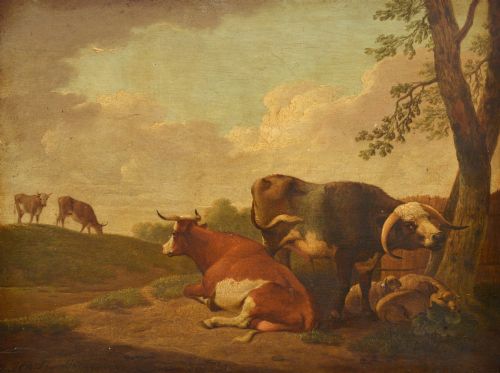
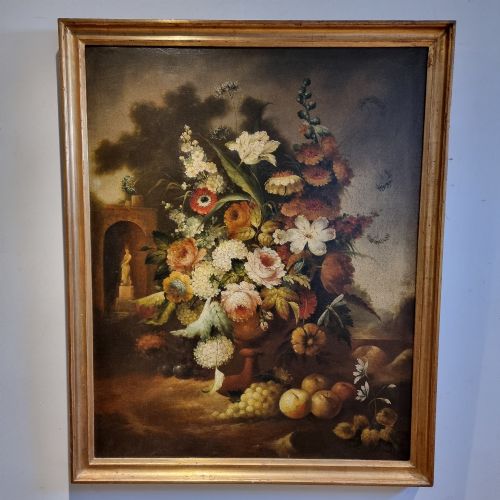
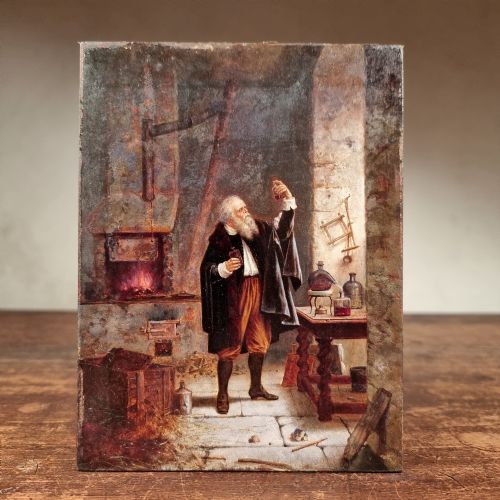
When you search for 18th century dutch art, you encounter a varied selection of oil paintings on canvas and oak panel, alongside carved wooden household objects and polychrome ceramics. Landscape, still life and portraiture dominate the painted works, often reflecting the traditions of the Dutch Golden Age.
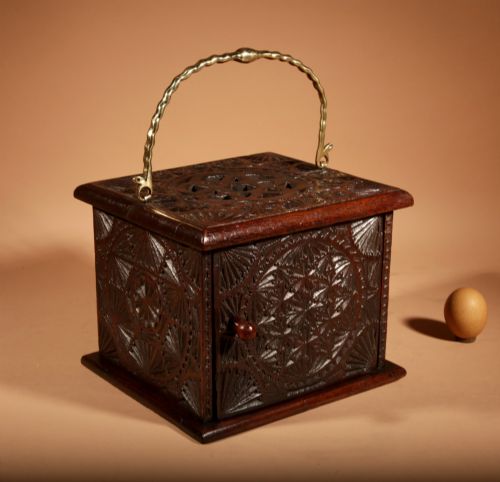
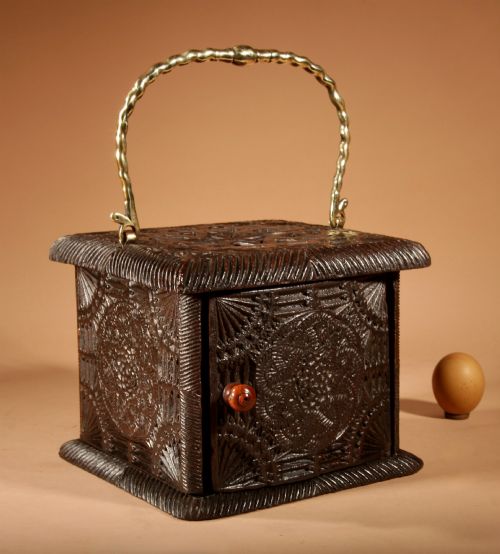
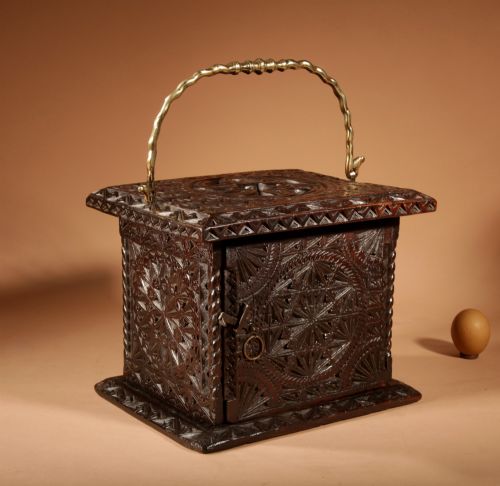
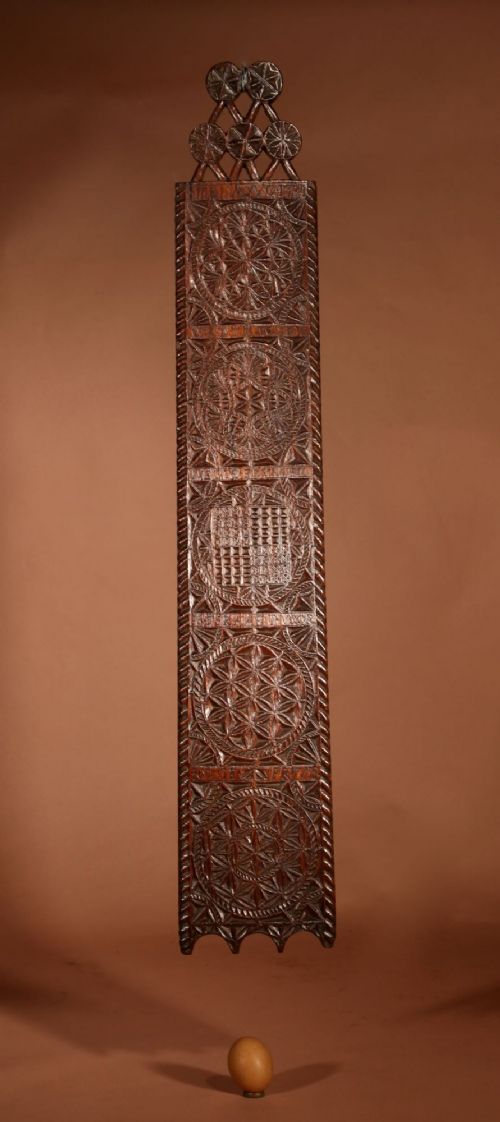
Beyond paintings, the material culture includes utilitarian items bearing decorative folk motifs, such as oak chip-carved foot stoves, mangle boards and slipware jars. These domestic objects display regional characteristics, particularly from Frisian traditions.
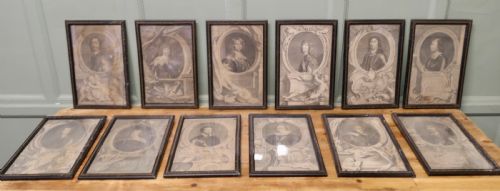
The selection ranges from finely rendered engravings and silk embroideries to architectural elements and painted pine furniture. Together, these pieces illustrate both the formal artistic output and the everyday material craft of the period.
Materials and Techniques
Painters of this era utilised oil paint on prepared canvas or sturdy oak panels, capturing fine details in portraits, landscapes and still life compositions. Engravings on paper and intricate silk and metal thread embroideries also form a significant portion of the pictorial works.
Carved wooden objects rely on dense domestic timbers like oak and pine, shaped with chip-carving techniques to produce geometric and floral reliefs on items such as mangle boards and foot warmers. Ceramics employ tin-glazed earthenware traditions, seen in polychrome Delftware chargers and plaques with hand-painted geometric or floral designs.
The listings on this page span the 17th, 18th and 19th centuries, featuring oil paintings, brass, oak, giltwood and canvas.
Factors of Quality
The distinction between standard works and exceptional pieces lies in the precision of the brushwork, the depth of composition and the preservation of the original surface. In paintings, finer examples show careful handling of light, texture and anatomical proportion, whereas lesser works may exhibit stiff rendering or later overpainting.
For carved wood and ceramics, quality depends on the crispness of the chisel work and the vibrancy of the hand-applied pigments. Pieces retaining their original polychrome decoration, clear dates, or makers' signatures command greater interest than heavily worn or later-altered examples.
Hendrik Willem Schweickhardt·Jacobus Houbraken·David Teniers The Younger·Philipp Ferdinand de Hamilton·Jacob Bogdani·Quirijn Van Brekelenkamp·Jan Evert Morel·Ludolf de Jongh·Johan Noah Bemmel·Frans van der Mijn·William Jones Of Bath·Hermanus van Brussel·Bartholomeus Van Burgindis
The 18th Century Dutch Art Glossary
- Oil on panel
- A painting executed on a wooden support, typically oak in Dutch works of this era. This surface provides a rigid base that influences the preservation and craquelure pattern over centuries.
- Delftware
- Tin-glazed earthenware produced in the Netherlands, known for its white surface and blue or polychrome painting. Figures often decorated these tin-glazed pieces with floral, geometric or Chinoiserie motifs.
- Chip carving
- A woodworking technique where the maker removes small chips from a single piece of wood with knives or chisels to form geometric patterns. Frisian artisans frequently applied this method to household utilities.
- Mangle board
- A flat wooden board used with a roller to smooth linen and fabrics, typically featuring relief carvings, dates and initials. These functional boards served as traditional betrothal or marriage gifts.
- Line engraving
- A printmaking process where an artist cuts lines directly into a metal plate with a burin to hold ink. This technique allows for high levels of linear detail in reproduced portraits and scenes.
18th Century Dutch Art: Frequently Asked Questions
How do I identify an 18th century panel painting?
Examine the reverse of the wooden support to check for age, grain direction and construction marks typical of the period. Oak panels from this era often show natural darkening and oxidation along the edges.
Look closely at the paint surface under magnification to observe traditional craquelure and pigment composition consistent with eighteenth-century oil painting methods.
What were foot warmers used for?
Oak foot warmers held hot embers inside a metal container to keep individuals warm during long periods spent in unheated domestic spaces or horse-drawn carriages.
Artisans pierced the wooden outer casings with decorative geometric patterns to let the heat escape while protecting dresses and shoes from direct contact with coals.
How are Delftware chargers displayed?
Large tin-glazed earthenware chargers featured pierced foot rings on the reverse designed for threading wire or cord to hang them safely on walls.
Collectors today continue this tradition using plate hangers, placing these colourful geometric and floral dishes in dining spaces or living rooms as decorative wall art.
What is Frisian folk art?
Frisian folk art originates from the northern province of Friesland in the Netherlands, characterised by deeply carved wooden household items like mangle boards and foot stoves.
These pieces frequently incorporate initials, dates and chip-carved motifs that reflect regional craftsmanship and domestic utility during the eighteenth century.