
Antique Game Painting
An antique game painting captures the rich tradition of rural sport and still life, bringing centuries of natural history and countryside heritage directly into a room.
Antique Game Painting
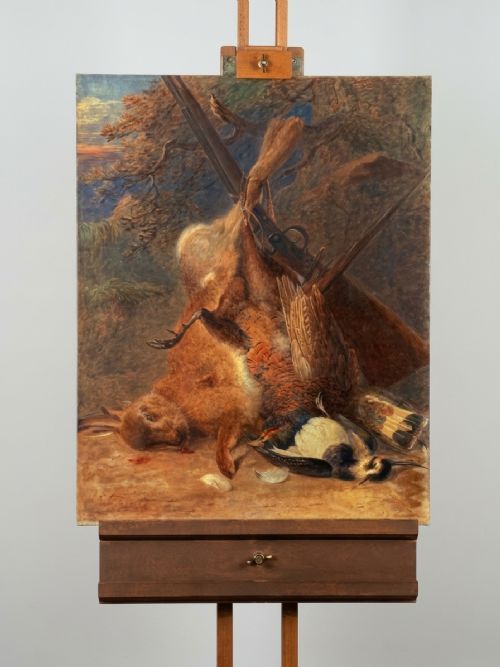
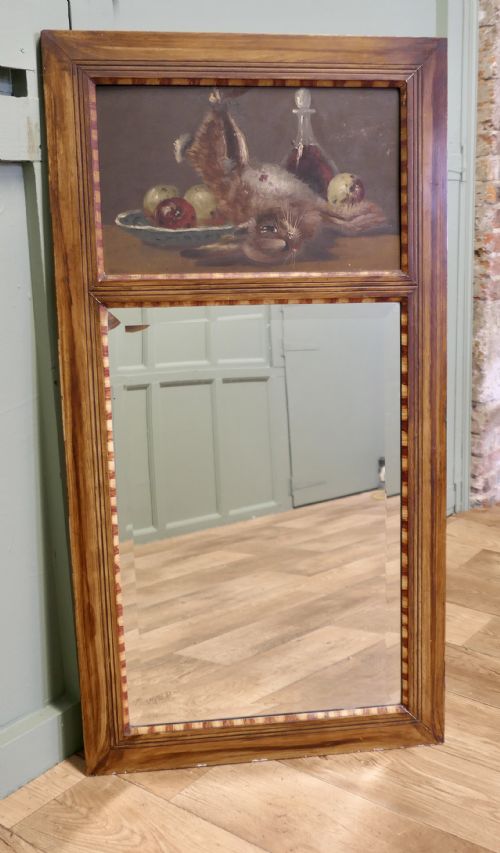
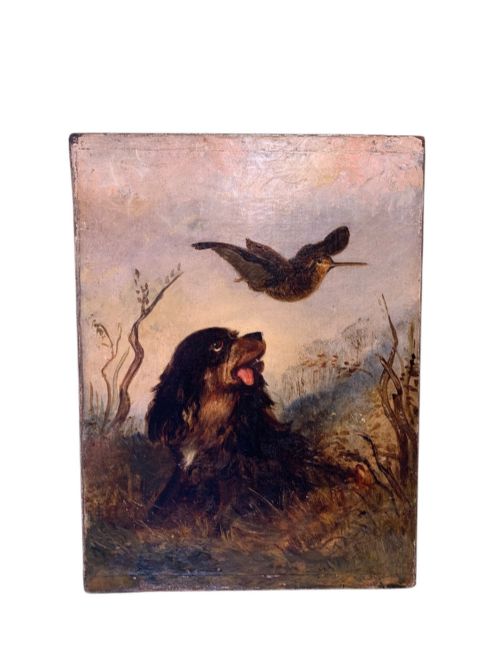
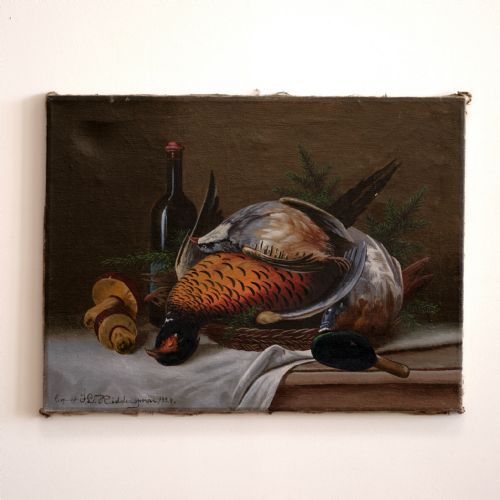
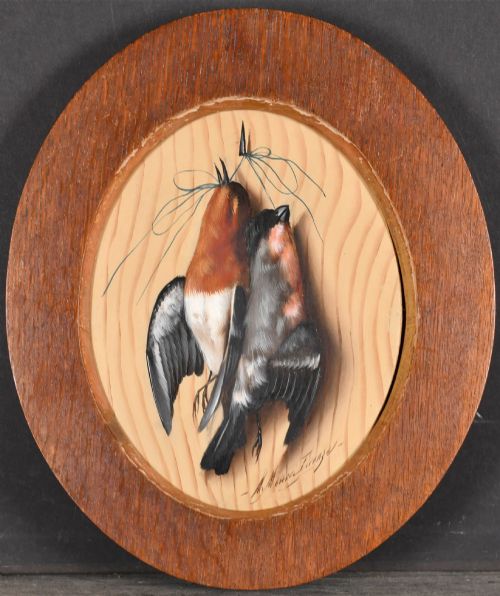
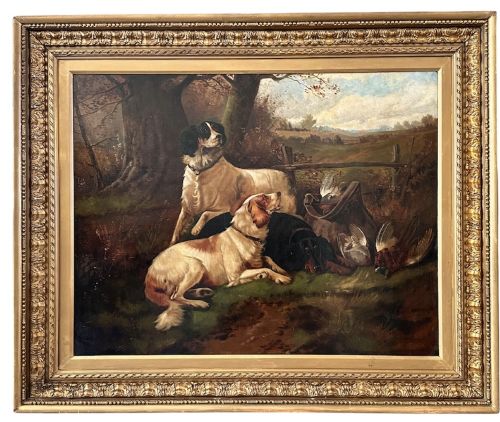
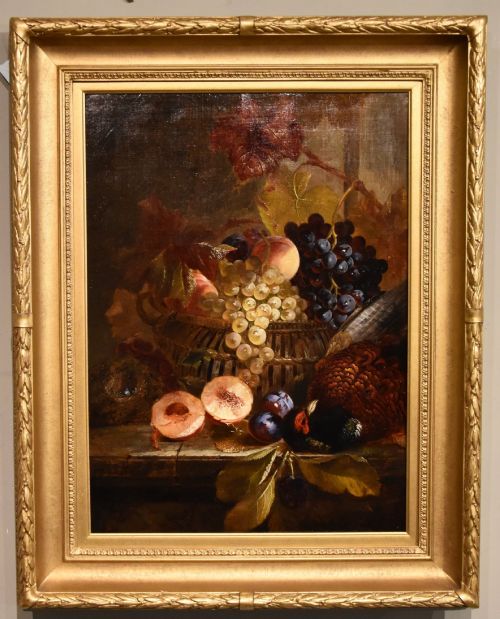
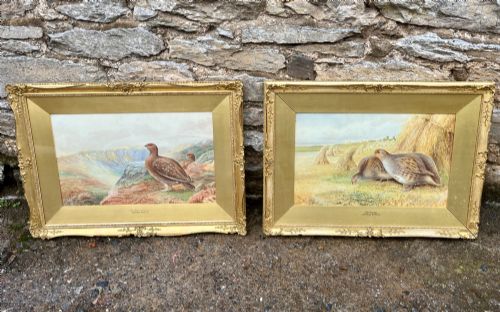
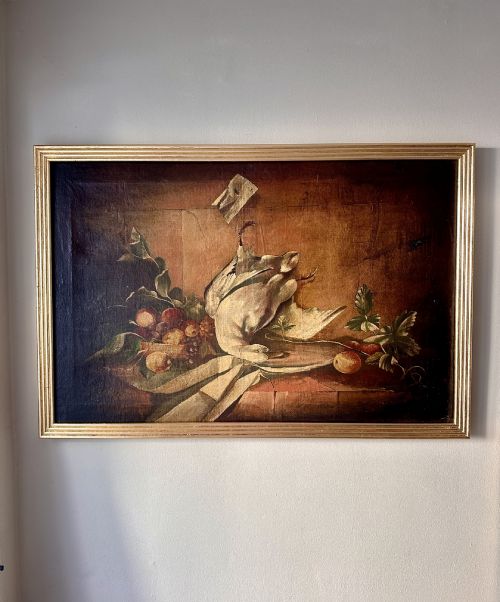
An antique game painting depicts various forms of wildlife and quarry associated with country pursuits, ranging from hares and woodcock to hanging game birds and larder views. These works capture the tangible results of the hunt, often arranged as still lifes or shown alongside hunting dogs and gamekeepers.
The pieces encountered most frequently span the nineteenth and early twentieth centuries, reflecting a Victorian and Edwardian fascination with sporting art and natural history. Painters used oil on canvas or wood panel to record plumage, fur and feather with careful precision.
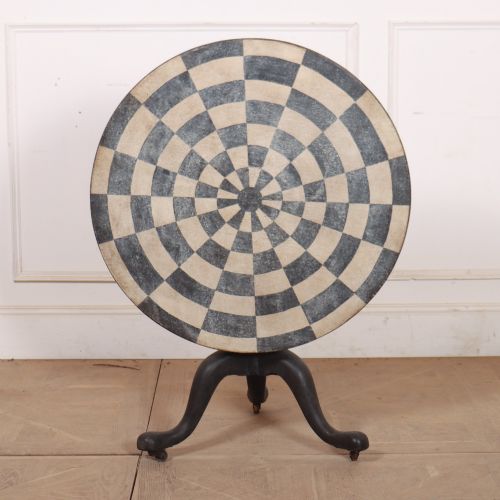
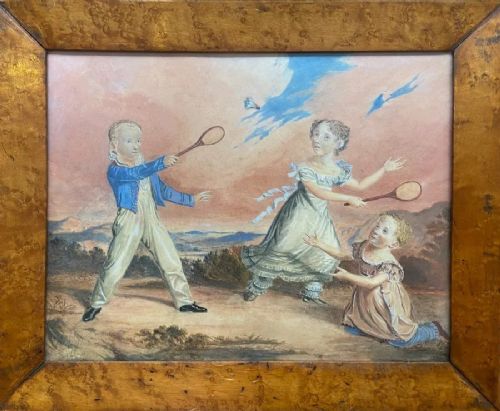
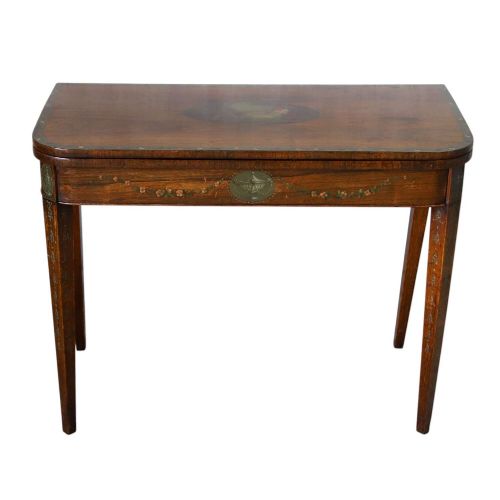
Beyond straightforward still lifes, the broader category encompasses genre scenes of pastimes and card games, though traditional depictions of feathered and furred quarry remain central to the genre.
How they were made
Artists relied primarily on oil paint applied to prepared canvas or wooden panels, a medium that allowed for deep, layered tones and subtle blending in the depiction of animal pelts and feathers. Gilders frequently housed these works in ornate gold leaf frames that complemented the rich dark palettes of the subjects.
Watercolour and bodycolour also appear on paper supports, particularly for detailed ornithological studies and smaller cabinet works. Skilled draughtsmen utilised fine brushes to render the delicate textures of bird wings and woodland backgrounds with botanical accuracy.
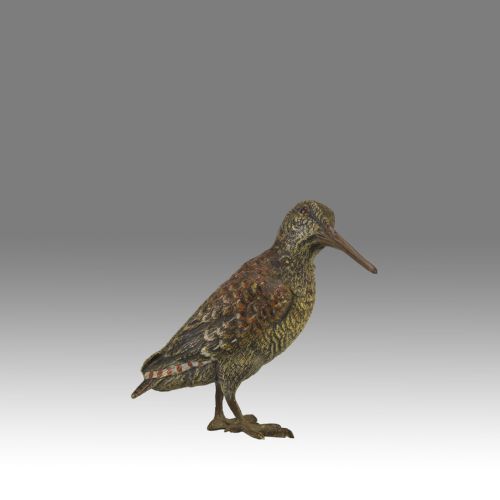
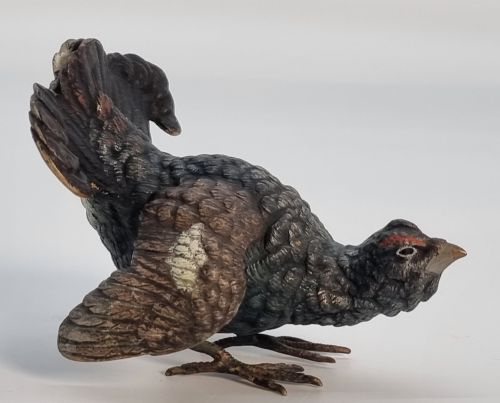
Materials span traditional oil on canvas and wood panel through to delicate watercolours on paper and cold-painted bronze figures.
What varies in quality
Quality rests upon the artist's ability to render anatomical precision and lifelike texture in the fur, feather and glass-like eye of the subject. Master hands distinguish themselves through confident brushwork that conveys weight and softness without relying on stiff outlines.
The handling of light and shadow, particularly in larder interiors and deep woodland settings, separates ambitious compositions from standard decorative works. Condition of the original paint surface and the presence of a period gilt frame further influence the standing of any given piece.
Franz Bergman·George Sydney Shepherd·Michelangelo Meucci·William Henry Ward·George Rankin·Johann Hamza·Benjamin Blake·Abel Hold
The Antique Game Painting Glossary
- Still life
- A painting depicting inanimate subject matter, typically commonplace objects or dead game. These compositions allow artists to focus entirely on texture, lighting and arrangement.
- Oil paint
- A slow-drying paint made from pigment suspended in a drying oil, commonly linseed. It permits smooth colour transitions and rich glazing techniques.
- Bodycolour
- Watercolour mixed with a white pigment to make it opaque, creating denser, more solid areas of colour. It is frequently seen in nineteenth-century works on paper.
- Panel painting
- A painting executed on a flat piece of wood rather than canvas. Oak and mahogany served as stable supports for earlier works.
- Gilt frame
- A wooden picture frame covered with a thin layer of gold leaf or gold paint. These frames enhance the visual weight of traditional oil paintings.
Antique Game Painting: Frequently Asked Questions
What subjects feature in these paintings?
Paintings of this type typically show dead game such as woodcock, hares, grouse and songbirds, often arranged on tables or hanging in larders. Sporting dogs and gamekeepers also appear alongside the day's bag.
Some works focus purely on ornithological studies, presenting individual birds with scientific accuracy against neutral or wooded backgrounds.
How do I date an oil painting?
Dating relies on examining the canvas preparation, stretcher construction and the pigments utilised by the artist. Stylistic clues in the framing and the artist's signature also provide clear chronological markers.
Comparative study with known works from the same period helps narrow down the decade of production.
Where were these artworks displayed?
Historical works of this nature hung predominantly in country houses, shooting lodges and dining rooms. They celebrated the success of rural estates and the traditions of field sports.
Today, they suit studies, libraries and traditional drawing rooms where dark wood and period furnishings predominate.
Are these works signed by artists?
Many examples bear the artist's signature or monogram, usually tucked into a lower corner of the canvas or panel. Others remain unattributed, reflecting the output of regional schools or anonymous studio painters.
Archival records and exhibition labels on the reverse sometimes reveal the creator's identity.