


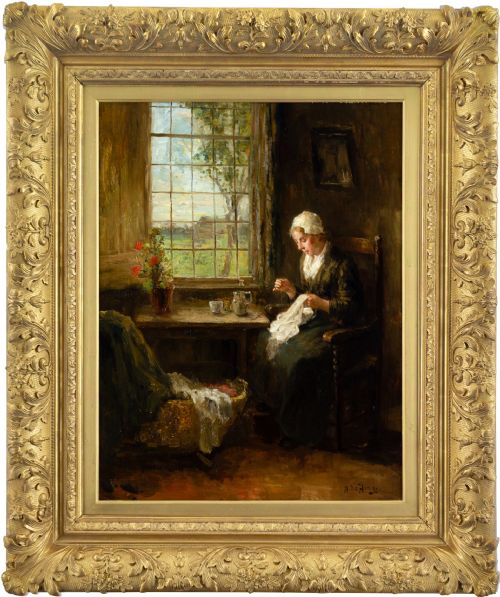

Dutch School Art
When you explore dutch school art, you encounter centuries of oil paintings alongside lighting and clocks shaped by regional design traditions.
Dutch School Art
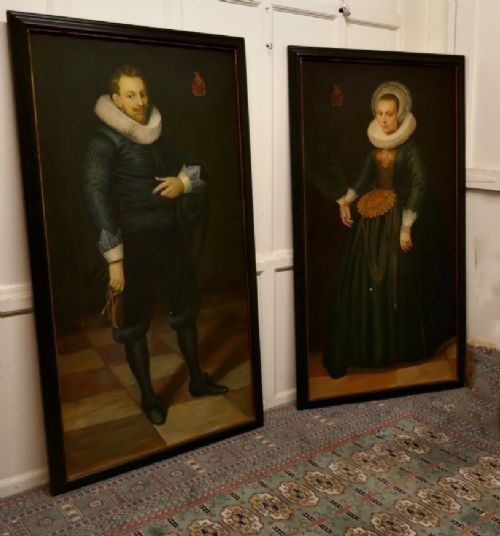
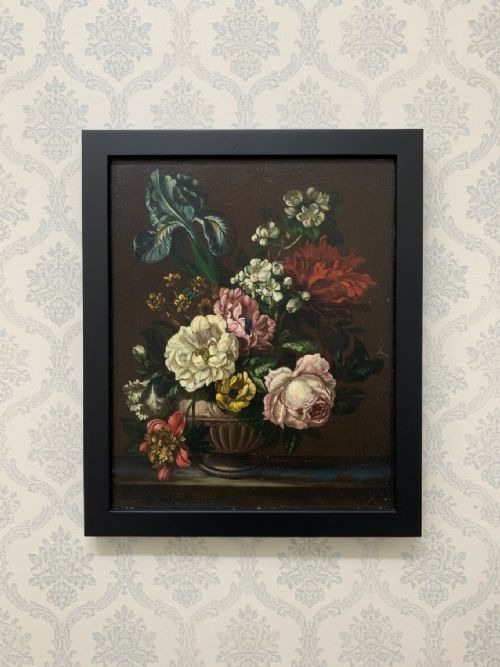
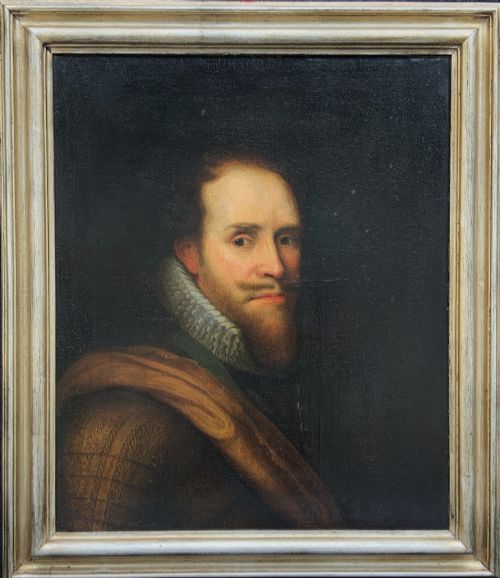
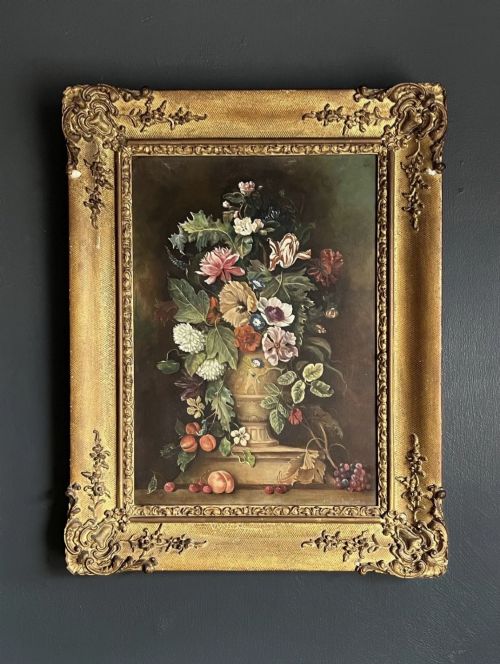
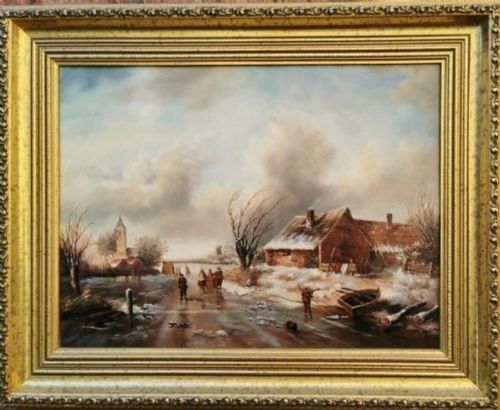
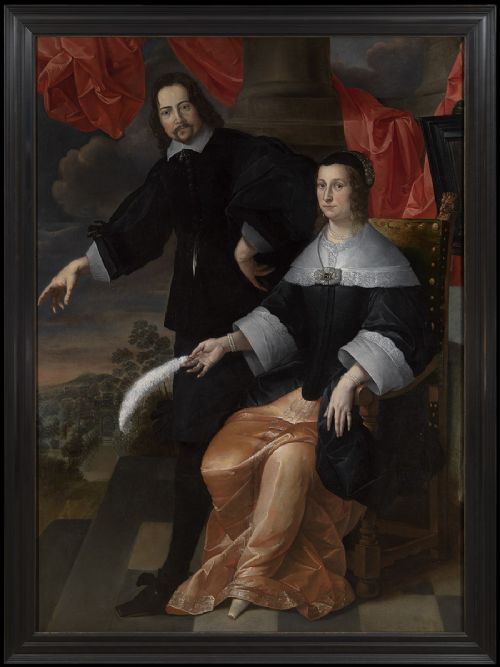
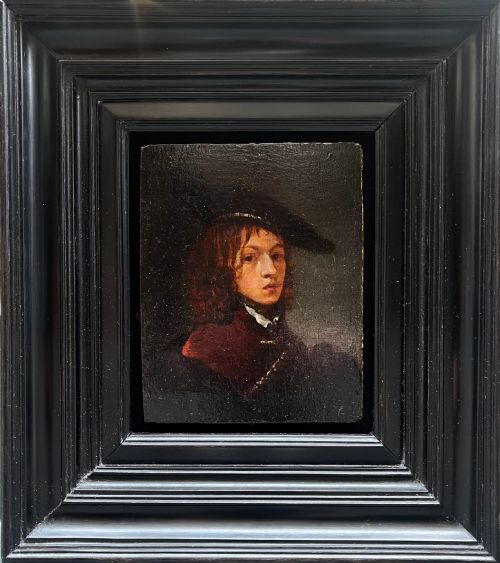
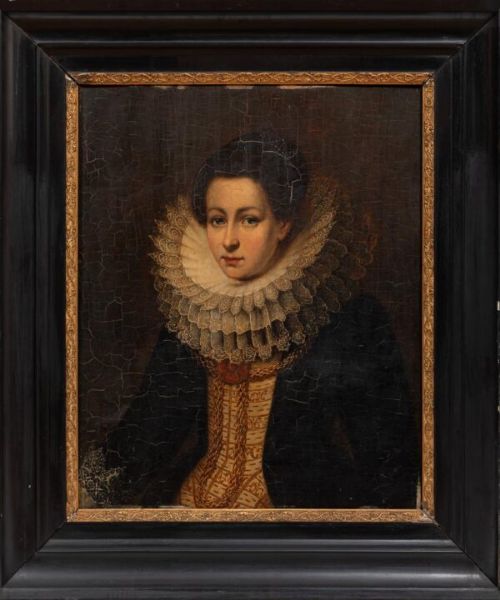
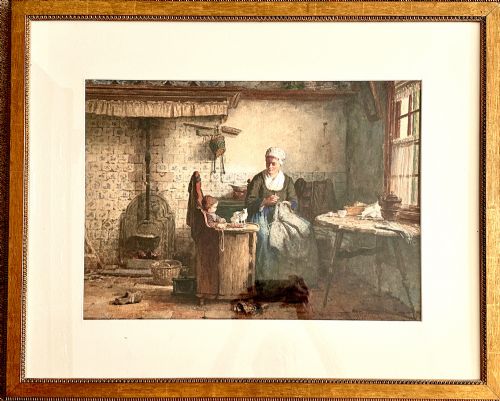
The selections gathered here span from seventeenth-century portraits and winter landscapes to later interpretations and Amsterdam School decorative objects. Buyers seeking traditional oil paintings find canvases depicting townscapes, tavern interiors, and floral studies alongside historical portraits.
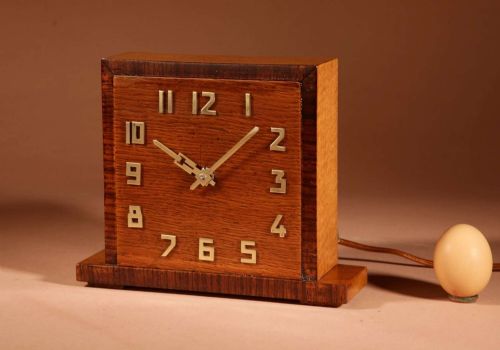
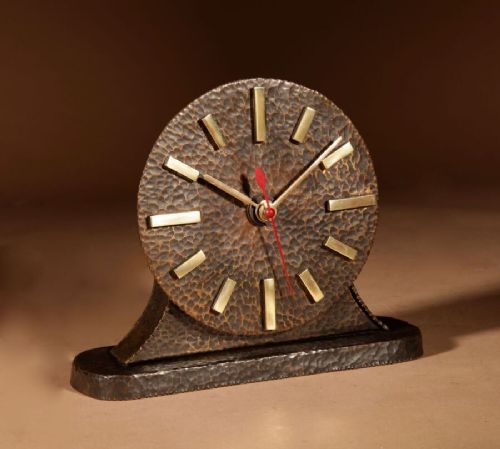
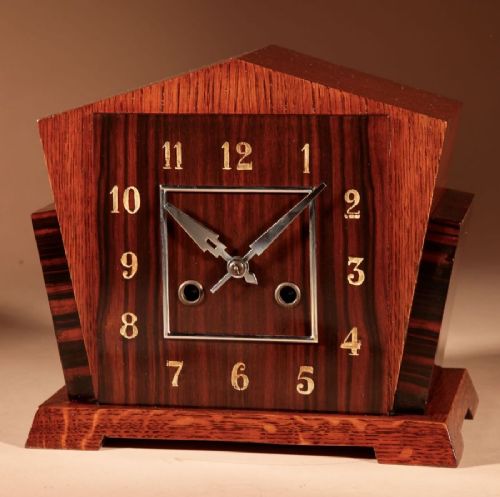
Alongside fine art, the selection includes functional items such as patinated brass candlesticks, mantel clocks in oak and rosewood, and table lamps representing twentieth-century movements.
The objects cross multiple periods, uniting seventeenth-century Dutch Golden Age aesthetics with nineteenth-century realism and early twentieth-century design.
Materials and construction
Painters relied primarily on oil paint applied to canvas, wood panels, or vinyl canvas, often finishing works within gilt gesso frames.
Decorative objects and lighting utilise worked metals including brass, copper, and iron, frequently hammered or patinated to achieve specific surface textures.
Clock cases and furniture elements incorporate dense timbers such as oak, rosewood, macassar ebony, and coromandel.
Listings feature works spanning from the seventeenth century through the mid-twentieth century, encompassing both fine art paintings and brass lighting.
Assessing craftsmanship and execution
Execution depends on the fluidity of the brushwork and the precision rendered in details like facial expressions, fabrics, and architectural elements.
In metalwork and clocks, quality emerges through the weight of the brass, the subtlety of patination, and the integrity of applied electrical components.
Hendrik Valkenberg·Bernard De Hoog·Abraham Hulk I·Philipp Ferdinand de Hamilton·Pieter Cornelis Dommersen·Cornelis Christian Dommersen
The Dutch School Art Glossary
- Oil on canvas
- Pigment suspended in drying oil applied to stretched fabric. This technique allowed artists to blend tones smoothly and build rich surface textures.
- Pricket candlestick
- A candleholder featuring a sharp spike that secures the wax candle in place. These items frequently appear in brass or copper within northern European interiors.
- Amsterdam School
- An architectural and design movement spanning the early twentieth century. It prioritised expressive forms, traditional craftsmanship, and varied timber selections.
- Gilt gesso
- A plaster-like material applied to wooden frames and covered with a gold-colored finish. It provides ornate decorative relief around painted works.
Dutch School Art: Frequently Asked Questions
What defines dutch school art?
This category encompasses paintings, clocks, and lighting originating from or inspired by Dutch artistic traditions. The works range from seventeenth-century old master portraits to twentieth-century decorative objects.
Buyers encounter diverse mediums, including oil paintings on canvas or panel alongside patinated brass candlesticks and wooden mantel clocks.
How should I display oil paintings?
Oil paintings require placement away from direct sunlight and excessive humidity to protect the canvas and pigment. Proper wall mounting ensures the structural stability of both the stretcher and the frame.
Many period works feature gilt gesso frames that benefit from gentle dusting with a soft, dry cloth rather than liquid cleaners.
Are the clocks in working order?
Clocks from the early twentieth century often incorporate early electrical mechanisms alongside traditional wooden cases. Buyers should examine individual listings to confirm whether mechanical or electrical components remain operational.
Professional assessment ensures that vintage electrical wiring meets modern safety standards before regular domestic use.
How do I identify the period?
Dating relies on stylistic markers, framing techniques, and material selection, ranging from seventeenth-century portraiture conventions to Art Deco geometric clock designs. Signatures and archival records offer additional verification where present.
Comparing brushwork and subject matter against documented examples helps distinguish seventeenth-century originals from later nineteenth-century interpretations.