

Gold Frame Art
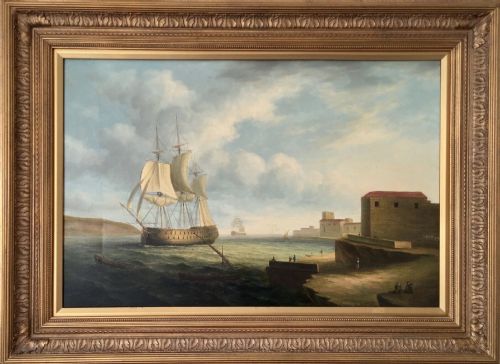
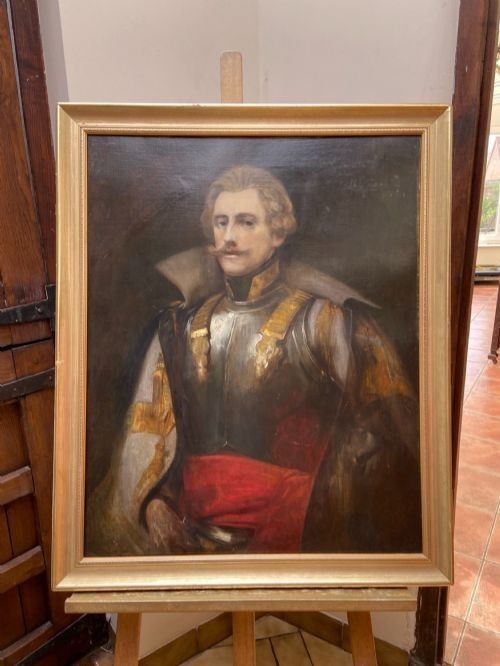
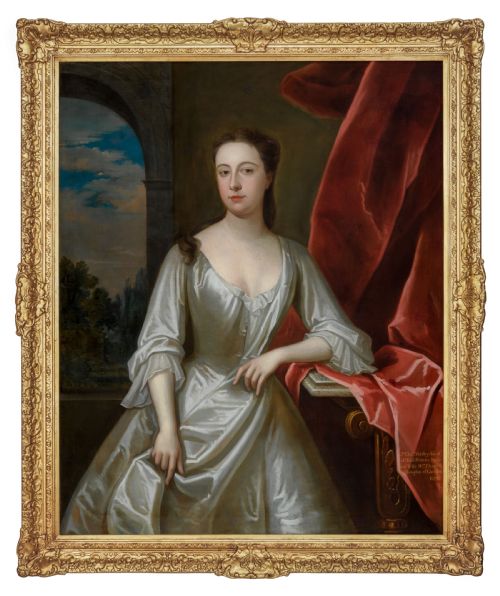
When you search for gold frame art, you seek painted portraits, landscapes and mirrors bound in gilded wood that illuminate a room.
Gold Frame Art
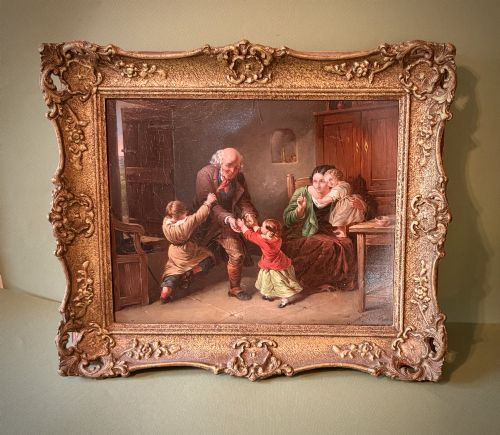
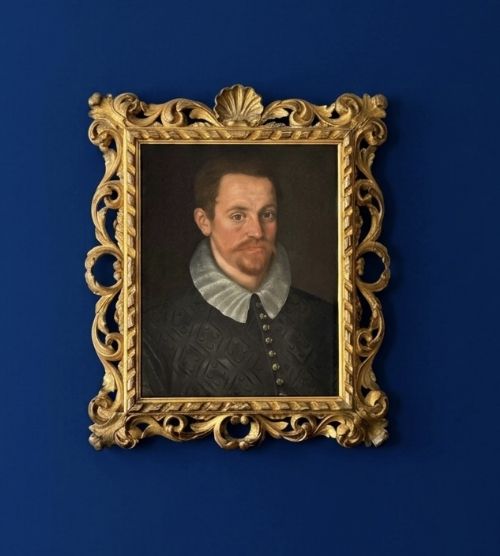
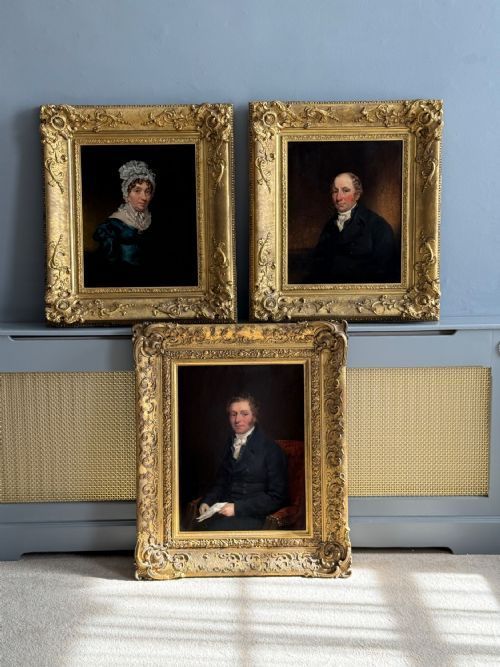
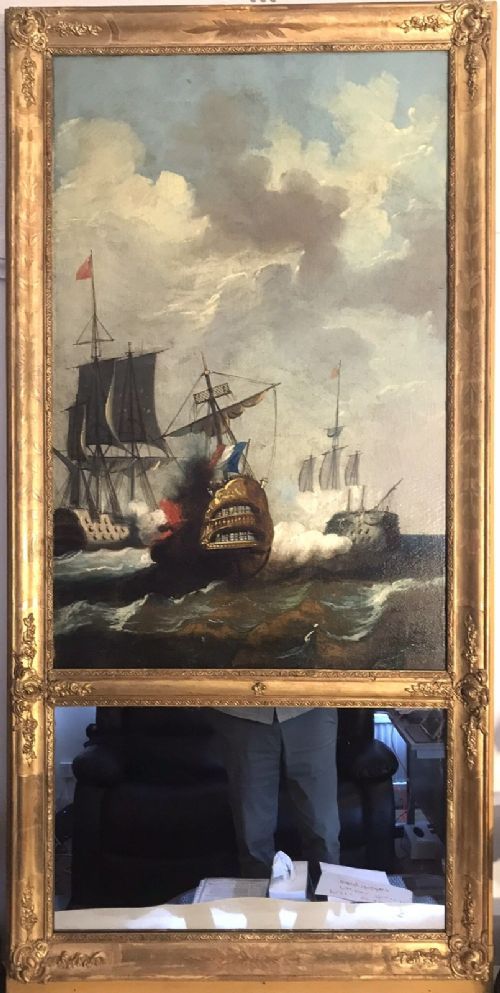
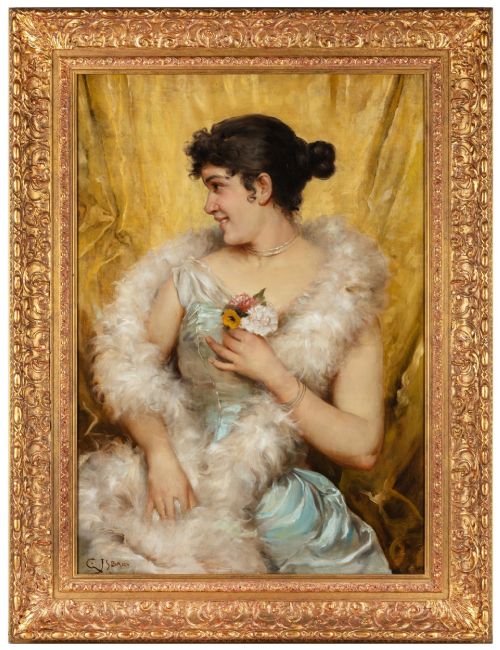
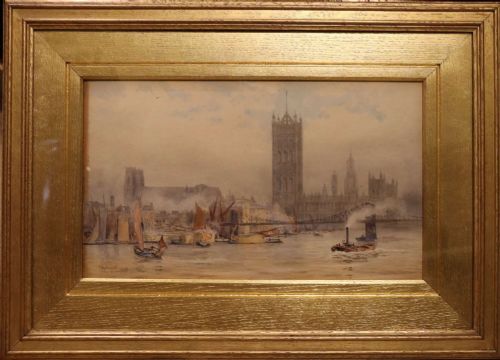
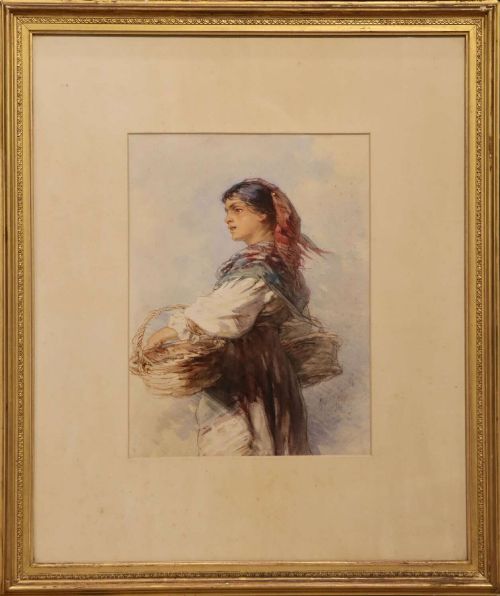
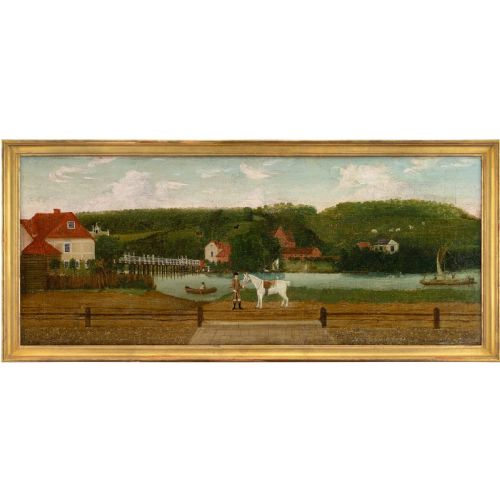
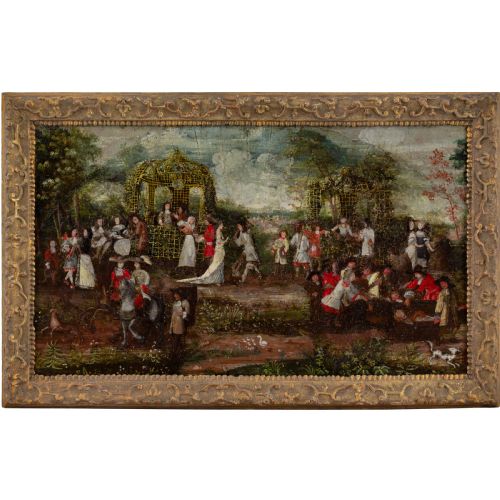
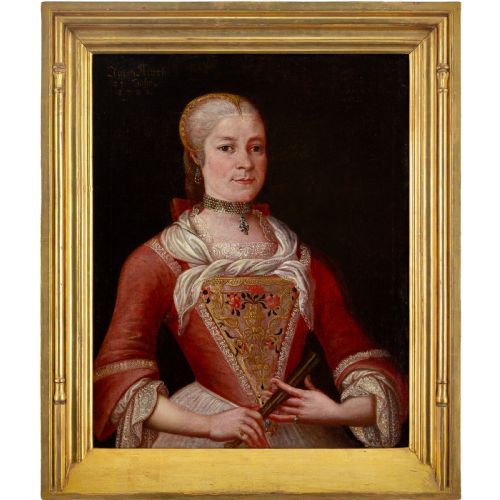
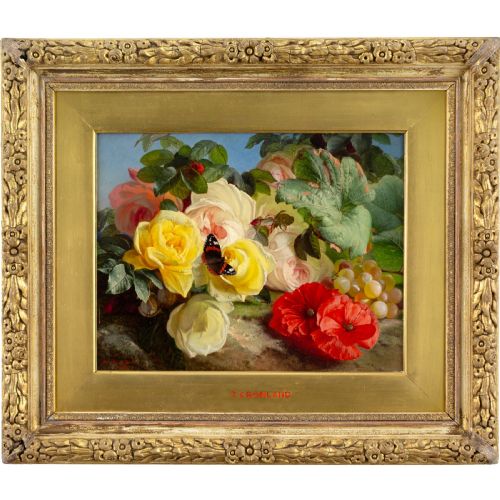
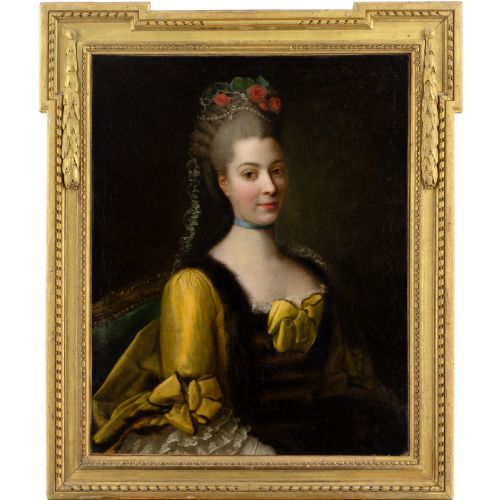
Gold frame art encompasses oil paintings, watercolours, portrait miniatures, engravings and trumeau mirrors enclosed in gilded wooden surrounds.
The selection ranges from seventeenth-century English and Flemish portraiture and eighteenth-century classical canvases to nineteenth-century romantic landscapes and academic realisms.
Buyers encounter works spanning multiple periods including Victorian creations, Georgian compositions, and later French post-impressionist pieces.
How they were made
Makers utilised oil paint and pastel applied to canvas, panel, paper or fan leaf, supported by wooden stretchers and paper backings.
Surrounding housings are constructed from carved wood, giltwood, and gilt wood, layered with gold leaf or metallic finishes to achieve luminous borders.
Listings feature works executed in oil paint, pastel, and watercolour across seventeenth, eighteenth, and nineteenth-century schools.
What varies in quality
The depth and intricacy of the wooden carving on the surround separate standard mouldings from deeply sculpted, hand-finished period frames.
Joseph Clover·Sir Joshua Reynolds·Charles-Antoine Coypel·Jean-Baptiste Van Loo·Sir Godfrey Kneller
The Gold Frame Art Glossary
- Giltwood
- Wood that has been coated with gold leaf or gold paint. This finish creates a reflective and opulent surface popular in period framing.
- Trumeau
- An architectural pier glass mirror often incorporating an oil painting above the glass plate. These decorative panels originated in eighteenth-century interior design.
- Oil on Canvas
- Pigment mixed with drying oil applied to a woven fabric stretched across a wooden frame. This medium allows for rich colour blending and texture.
- Portrait Miniature
- A small-scale painted portrait executed with fine detail on panel, card or vellum. These intimate works were frequently housed in protective portable cases.
- Academic Realism
- A style of painting produced under the influence of European academies of art. It emphasises precise draughtsmanship, smooth finishes, and traditional subject matter.
Gold Frame Art: Frequently Asked Questions
How do I hang a heavy giltwood frame?
Heavy frames require robust wall fixings anchored directly into masonry or wall studs using strong picture hooks or metal brackets designed for substantial weight.
Ensure the hanging wire or D-rings attached to the reverse of the frame are structurally sound before mounting the piece securely at eye level.
How should I clean a antique gold frame?
Dust the gilded wooden surfaces gently using a soft, dry artist brush or a clean microfiber cloth to remove surface particles without disturbing the delicate finish.
Avoid using water, liquid cleaners, or chemical solvents, as moisture can lift the gold leaf or damage the underlying gesso layers.
What is a trumeau mirror?
A trumeau mirror is a traditional French wall fixture that combines a vertical glass mirror plate with an integrated oil painting positioned directly above it.
These decorative panels were designed to fit neatly between windows or above mantelpieces in grand period drawing rooms.
Can I mix different centuries of frames?
Displaying art from the seventeenth or eighteenth century alongside nineteenth-century works creates a layered, collected interior rather than a uniform period display.
Pay attention to the scale and intensity of the gilding so that brighter modern frames do not overpower older, subtler patinas.