

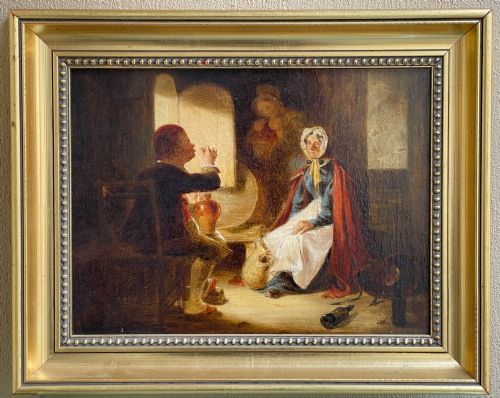


Dutch Genre Scene
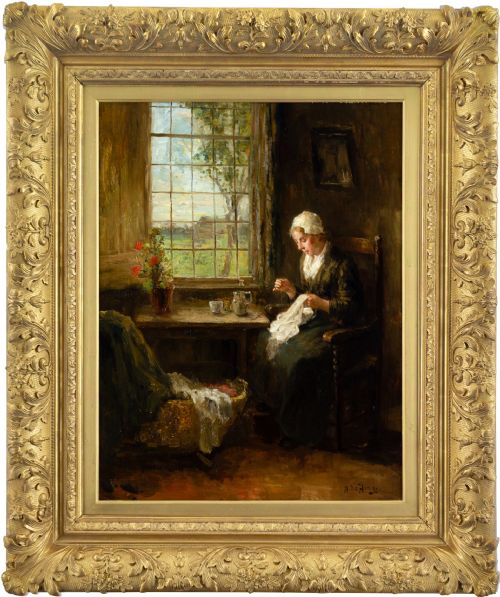
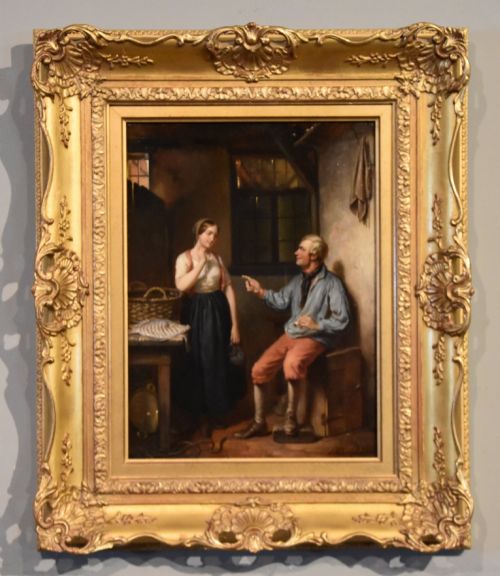
A dutch genre scene captures everyday life in domestic interiors or lively taverns, offering a fascinating glimpse into historical European society.
Dutch Genre Scene
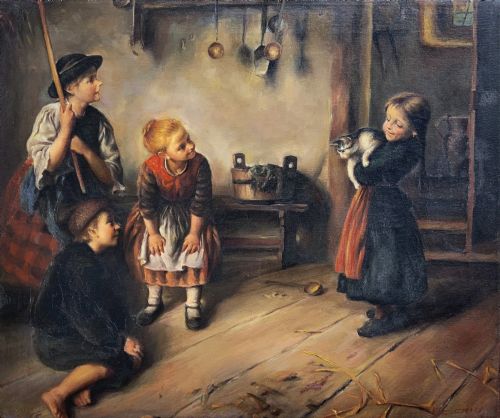
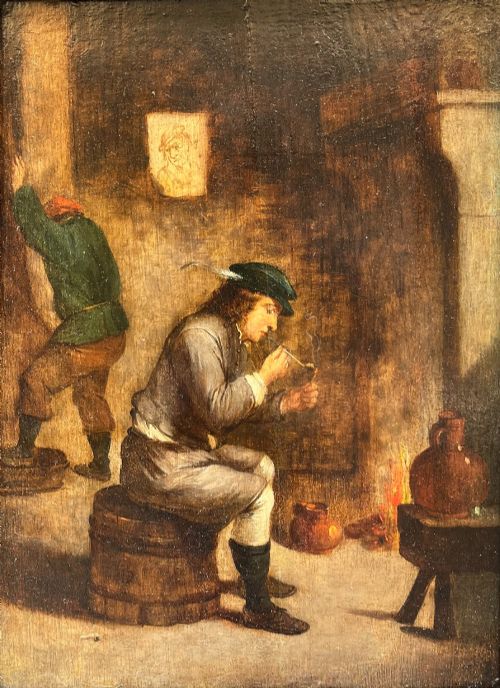
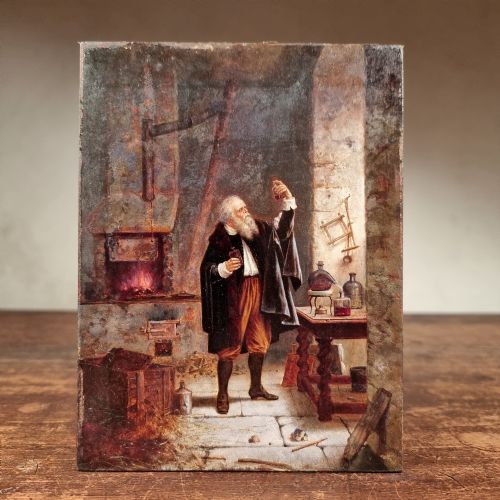
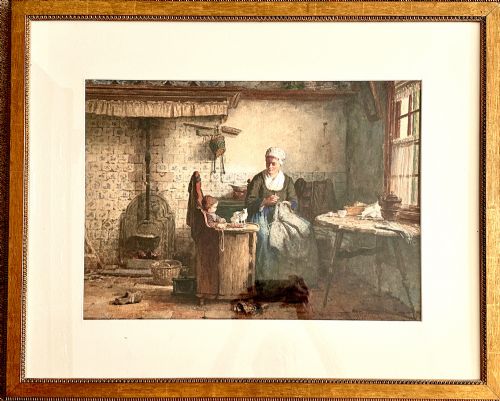
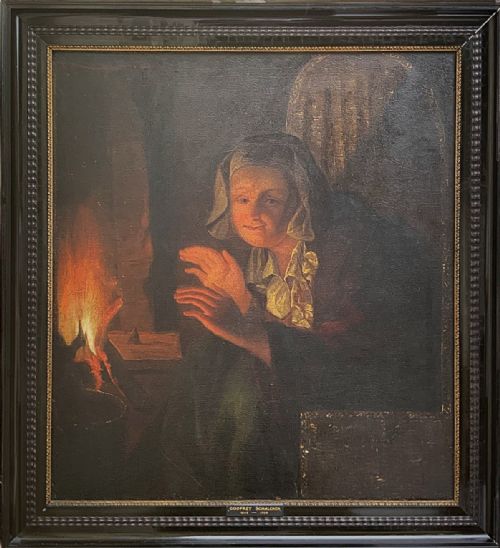
A dutch genre scene portrays ordinary people engaged in daily routines, such as domestic chores, tavern gatherings, or quiet moments by the hearth. These works bring historical interior life into focus through painted panels, canvas, and works on paper.
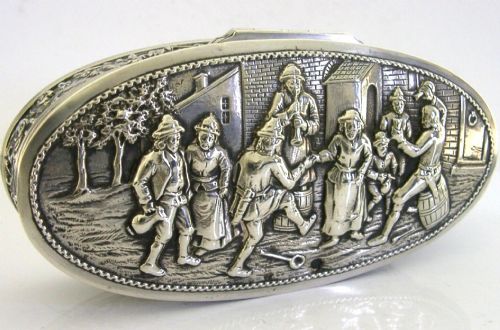
The pieces available span multiple periods, from the seventeenth century through to mid-century interpretations and revivals. Oil paintings dominate the selection, alongside watercolours, decorative silver boxes, and magazine racks.
Buyers often encounter works attributed to the Dutch Golden Age style, nineteenth-century realism, or later followers working in the manner of established masters. Each piece reflects domestic or social observations typical of northern European traditions.
Materials and Construction
Painters utilised oil on canvas, wood panels, copper, and tin, applying oil paint to build up layered compositions with careful attention to light and shadow. Works on paper typically employ watercolour techniques on prepared sheets.
Frames and decorative objects incorporate carved wood, gesso, gold leaf, and solid silver. Artisans shaped these materials using traditional joinery, casting, and gilding methods appropriate to each period.
Listings include oil paintings on canvas and wood panels alongside watercolours, solid silver boxes, and brass stands spanning multiple centuries.
Quality and Execution
Quality rests primarily on the fluidity of brushwork, the handling of light within interiors, and the psychological depth given to human figures. Superior examples display confident draughtsmanship and harmonious colour palettes that hold the eye across the entire composition.
Material support also distinguishes works, with finely prepared oak panels or high-grade canvases generally supporting more enduring artistic execution than later mechanical prints or hasty reproductions.
David Teniers The Younger·Hendrik Valkenberg·Bernard De Hoog·Jacob Akkersdijk·Godfried Schalcken·Quirijn Van Brekelenkamp·Ludolf de Jongh·Madeline Hughes·Willem Johannes Martens·Reinier de la Haye·Jan Steen
The Dutch Genre Scene Glossary
- Genre painting
- The depiction of aspects of everyday life by plain citizens, often set in interiors or streets. These works eschew grand historical or mythological subjects in favour of relatable human moments.
- Oil on panel
- A painting executed on a wooden board, frequently oak in Northern European traditions. This rigid support provides a stable base for detailed brushwork.
- Giltwood
- Wood that has been treated with gold leaf or a gold-coloured finish. It is commonly found on ornate antique frames designed to complement oil paintings.
- Dutch Golden Age
- A period in seventeenth-century history marked by exceptional achievement in trade, science, and the arts. Painters during this time established enduring conventions for domestic and landscape subjects.
- Oileograph
- A mechanical reproduction printed on canvas to simulate an oil painting, often finished with varnish and mounted in a heavy frame.
Dutch Genre Scene: Frequently Asked Questions
What is a dutch genre scene?
A dutch genre scene is an artwork depicting everyday domestic life, such as tavern interiors, kitchen preparations, or family moments. These subjects focus on ordinary people rather than historical or religious figures.
Such scenes provide insight into historical dress, interior architecture, and social customs across different centuries of European craftsmanship.
How do I date an antique painting?
Dating relies on examining the material support, such as oak panels or coarse canvas, alongside the style of framing and pigment analysis. Signatures, artist inscriptions, and labels on the reverse also offer clues.
Stylistic markers like clothing fashions and interior furnishings help narrow down whether a work originates from the seventeenth century or later nineteenth-century revivals.
Are all these pieces original paintings?
While the majority consist of original oil paintings on canvas or wood, the category also includes watercolours, sketches, and occasional nineteenth-century prints on canvas. Decorative metalwork items like silver boxes also appear.
Checking the specific medium listed in each description confirms whether a piece is a hand-painted work or a printed reproduction.
How should I display an oil painting?
Paintings on canvas or panel benefit from stable indoor environments away from direct sunlight and excessive humidity fluctuations. Proper wall placement protects the wooden supports and oil pigments from degradation.
Matching the piece with a period-appropriate giltwood or wooden frame enhances the visual impact while respecting the historical context of the artwork.