




Georgian Pastoral Oil Artwork
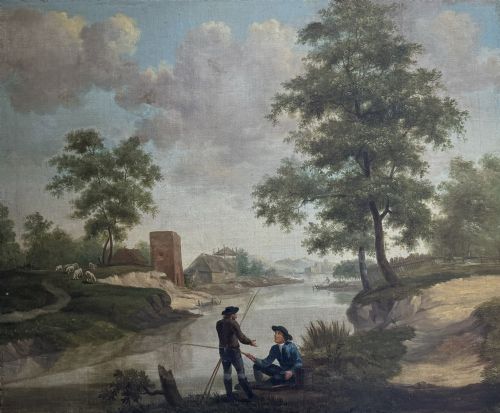
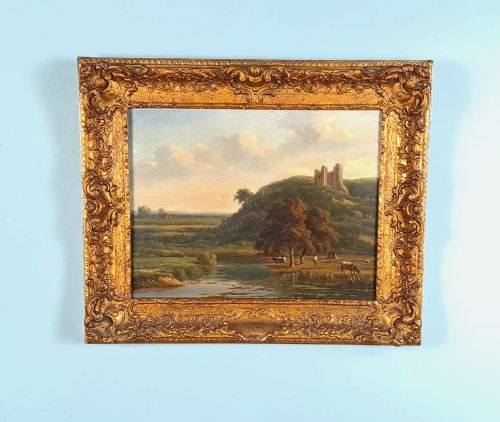
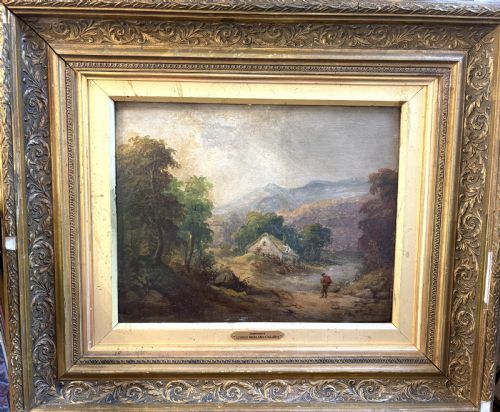
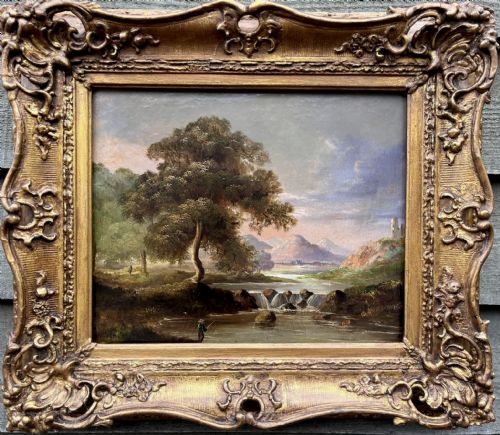
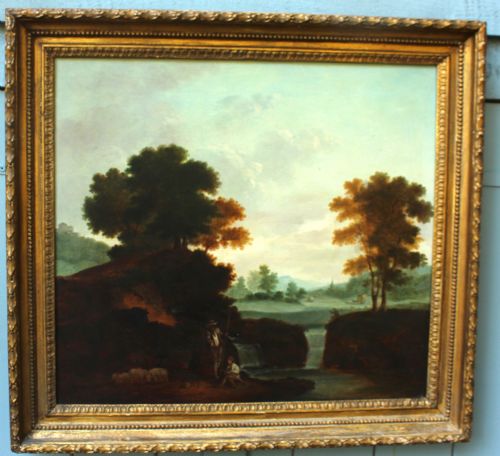
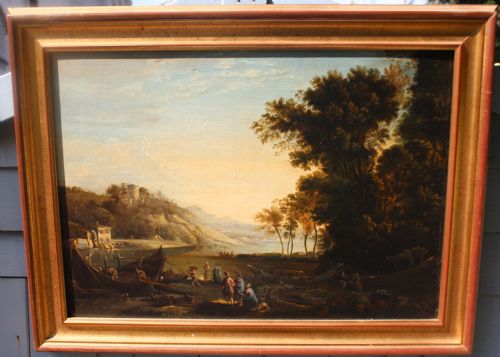
Georgian pastoral oil artwork captures idyllic rural scenes in oil paint on canvas and board from the eighteenth and nineteenth centuries.
Georgian Pastoral Oil Artwork
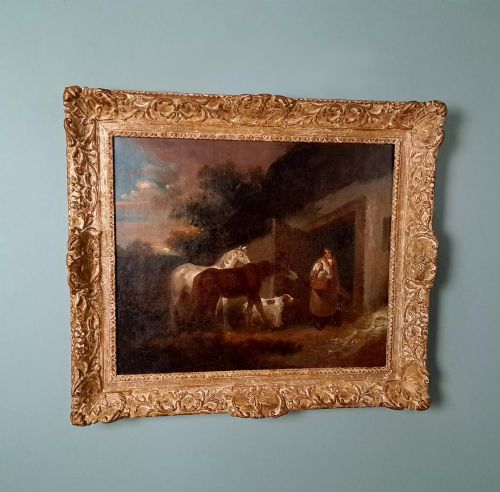
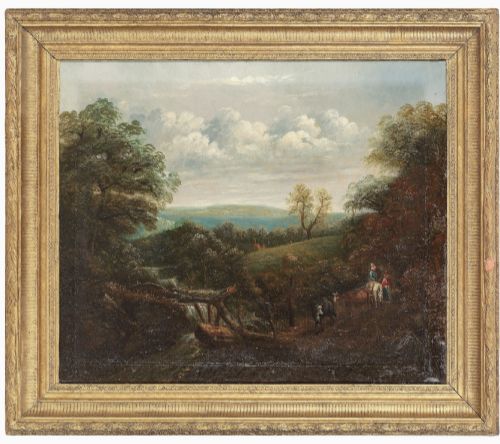
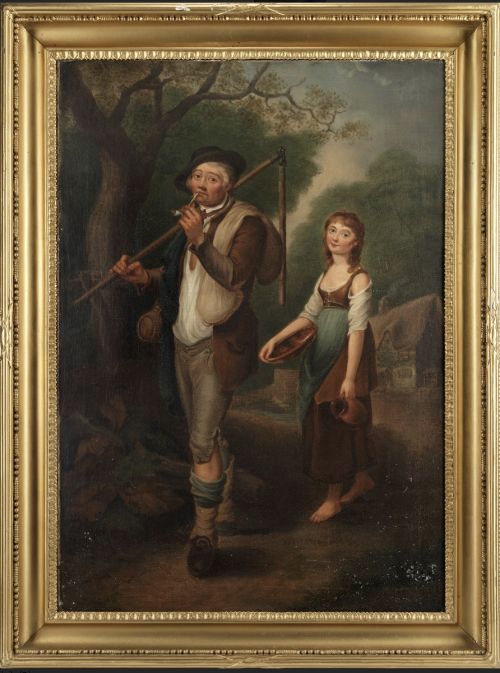
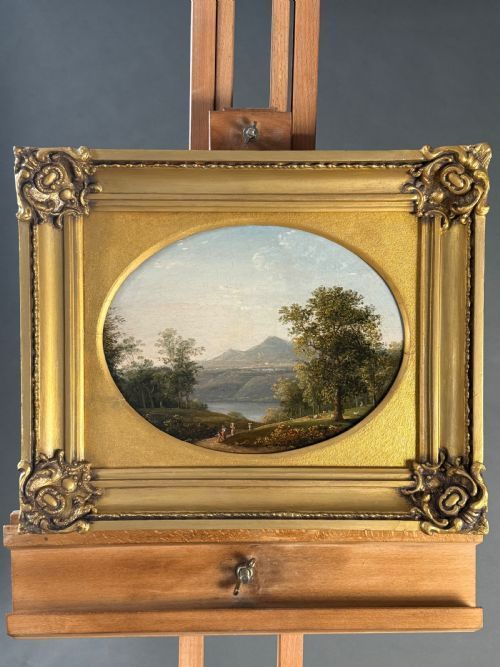
When you search for georgian pastoral oil artwork, you are looking at oil paintings depicting rural idylls, country paths, riversides, and agricultural life. These works draw heavily upon classical and British pastoral traditions, portraying figures, cattle, and milkmaids in gentle rural landscapes.
The pieces you meet most often on this page date from the eighteenth and nineteenth centuries, encompassing Georgian, Regency, and Victorian periods. They frequently take the form of framed wall art, ranging from intimate country scenes to large landscape compositions.
Many of these works reflect the influence of regional British schools such as the Norwich School, alongside continental classical landscape traditions. They record a romanticised view of the countryside that resonated strongly with collectors and patrons of the era.
How they were made
These works are executed in oil paint, applied to woven canvas or rigid wood panels using traditional brushwork techniques. Painters built up their compositions in layers, establishing background skies and distant hills before adding detailed figures and livestock in the foreground.
Surviving works are typically housed in their period frames constructed from wood, gesso, and giltwood, often accented with gold leaf. The craftsmanship of the frame is integral to the piece, providing structural support and framing the pastoral narrative within a decorative border.
Several cows make a steadfast appearance in the foreground, faithfully pausing their grazing to supervise every single pastoral transaction.
What varies in quality
Quality in these pastoral scenes rests upon the deftness of the brushwork and the harmony of the composition. Stronger examples display a confident handling of light and atmospheric depth, particularly in the rendering of skies, water, and foliage.
The fidelity and liveliness of the figures and animals shape the distinction between standard works and superior pieces. Finer paintings capture subtle anatomical details in cattle and horses, alongside expressive interactions among human figures in the landscape.
William Joseph Shayer Senior·Thomas Barker of Bath·JACOB PHILIPP HACKERT·T C Hofland·George Morland·John Sanderson Wells·Julius Caesar Ibbetson·Francesco Zuccarelli·Richard Wilson·Claude Lorrain·James Ward·Thomas Jones
The Georgian Pastoral Oil Artwork Glossary
- Oil paint
- A slow-drying medium made by mixing pigments with oils such as linseed. This material allows artists to achieve rich colour saturation and smooth tonal gradations across the canvas.
- Giltwood
- Wood carved and coated with gold leaf or metallic powder to create a lustrous finish. It is commonly found on the traditional frames encasing these rural paintings.
- Pastoral
- A genre of art that idealises rural life, featuring shepherds, milkmaids, and agricultural labourers in natural settings. These scenes often evoke a peaceful, harmonious view of the countryside.
- Gesso
- A traditional paint mixture consisting of a binder mixed with chalk, gypsum, or pigment. It was applied to wood frames to create a smooth surface ready for gilding.
- Canvas
- A heavy woven fabric stretched tightly over a wooden frame to serve as a support for oil paintings. It provides a durable and slightly textured ground for the artist's brush.
Georgian Pastoral Oil Artwork: Frequently Asked Questions
What is a georgian pastoral oil artwork?
These pieces are oil paintings on canvas or board that depict rural landscapes, agricultural scenes, and pastoral figures from the eighteenth and nineteenth centuries.
They capture an idealised vision of the British and European countryside, often featuring cattle, rivers, and rustic dwellings.
How were these landscape paintings displayed?
These works were traditionally framed in decorative wood and giltwood mouldings designed to complement domestic interiors of the period.
Today, they function as wall art that brings historical warmth and natural scenery into sitting rooms and studies.
How do I identify the period?
Dating relies upon stylistic clues within the landscape, costume details of the figures, and the construction methods of the underlying canvas and wooden frame.
Reference to specific schools, such as the Norwich School or classical traditions, also helps establish the era of creation.
What subjects appear in these scenes?
Common subjects include milkmaids milking cows, cattle gathering at watering troughs, and travellers journeying along country paths.
Many compositions incorporate Italianate elements, distant villas, and serene river views inspired by classical painting traditions.