
18th Century Country Painting
These pieces combine period forms with original pigment, bringing 18th century country painting into domestic interiors.
18th Century Country Painting
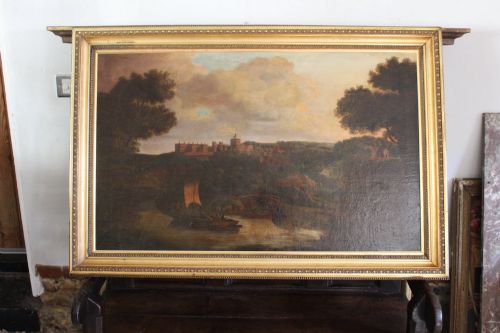
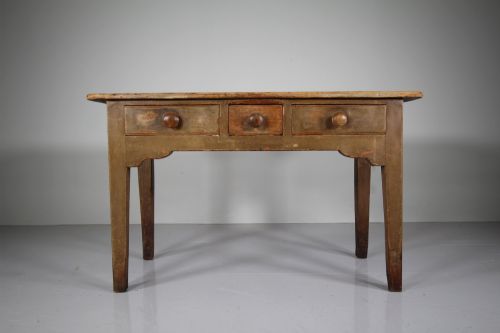
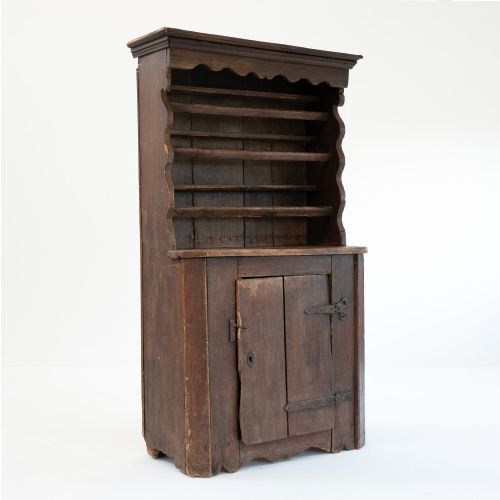
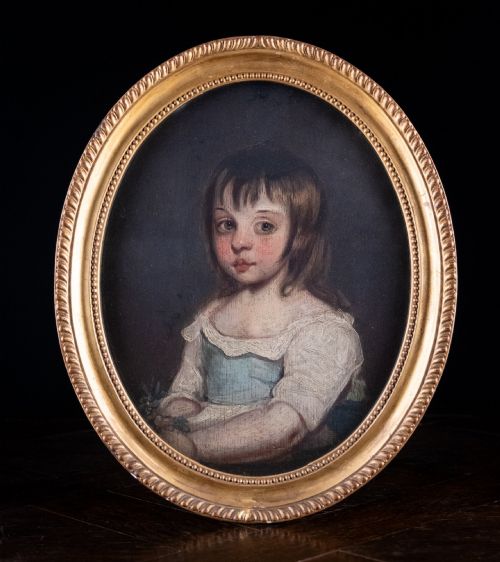
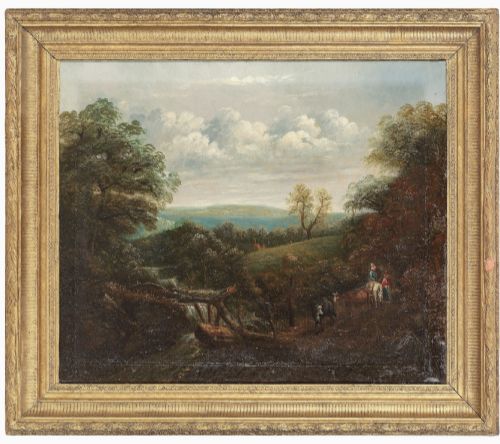
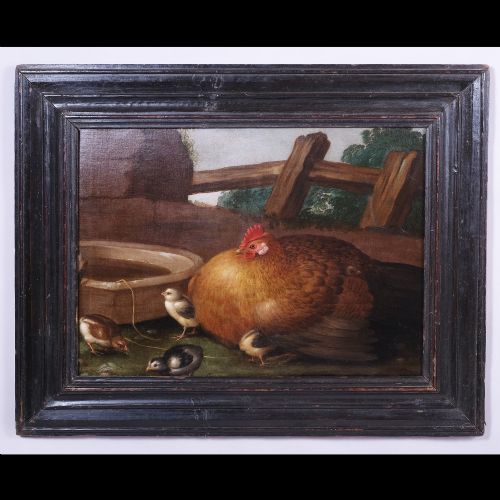
When you search for 18th century country painting, you find works on canvas and board alongside painted furniture from various regional traditions. The selections encompass oil paintings of rural scenes, portraits and naive topographical views alongside pine, oak and ash furniture finished in historic pigments.
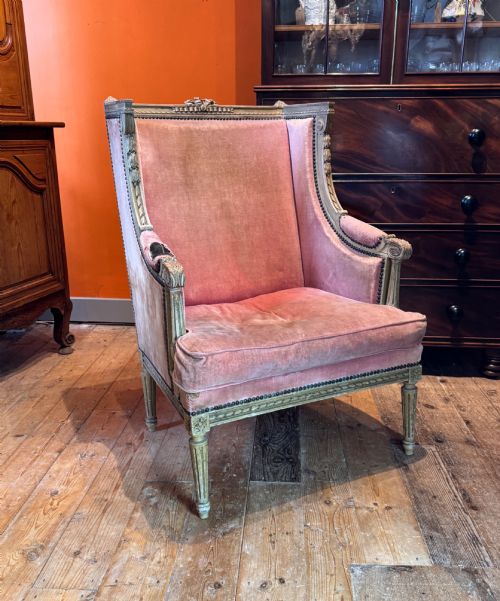
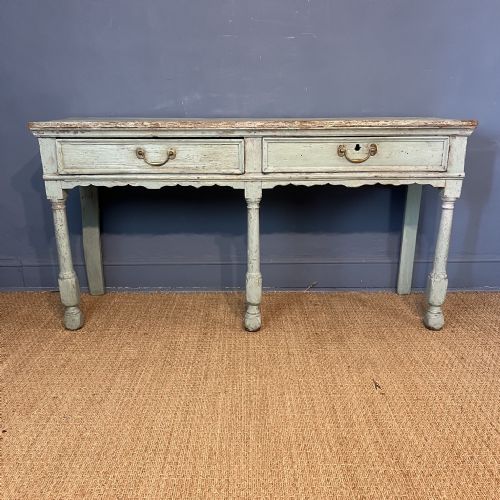
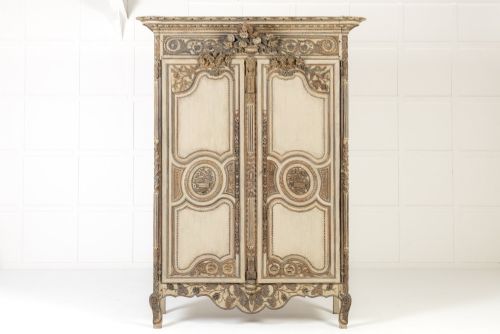
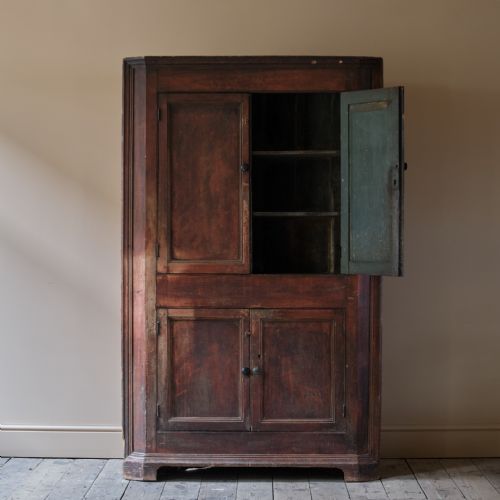
You are most likely to encounter canvas oil paintings depicting country paths, farmyard scenes and figures, alongside regional English, French and Scandinavian dressers, armchairs and cupboards in original paint. These objects cross multiple styles, including Georgian Country, French Provincial, and English Country.
The material record spans centuries from the 17th through to the 20th century, with a strong concentration of pieces originating in the Georgian era. Makers utilised timber and oil paint to create both utilitarian household items and decorative artworks.
Materials and construction
Painters used oil on canvas or board, applying pigment to capture landscapes, portraits and genre scenes. Furniture makers worked primarily in native timbers such as oak, pine, ash and mahogany.
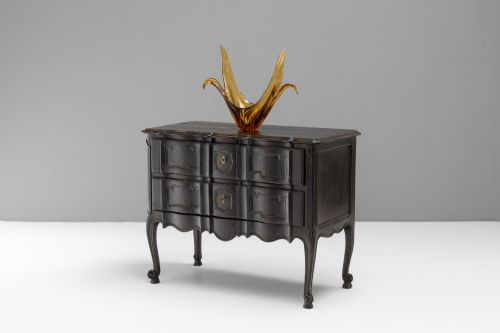
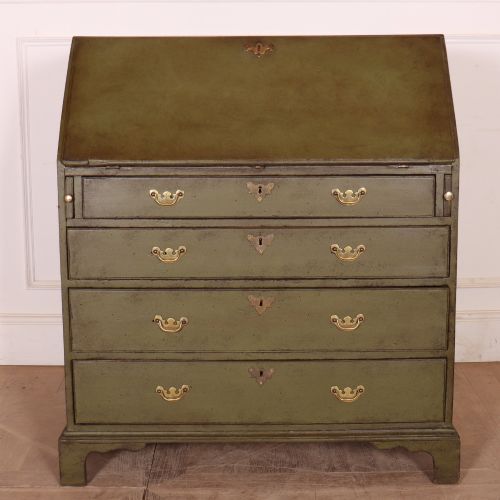
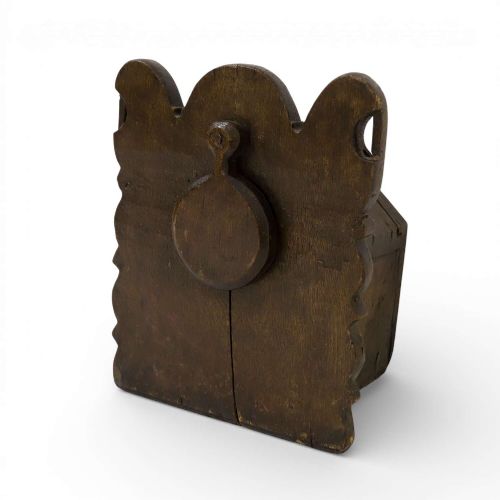
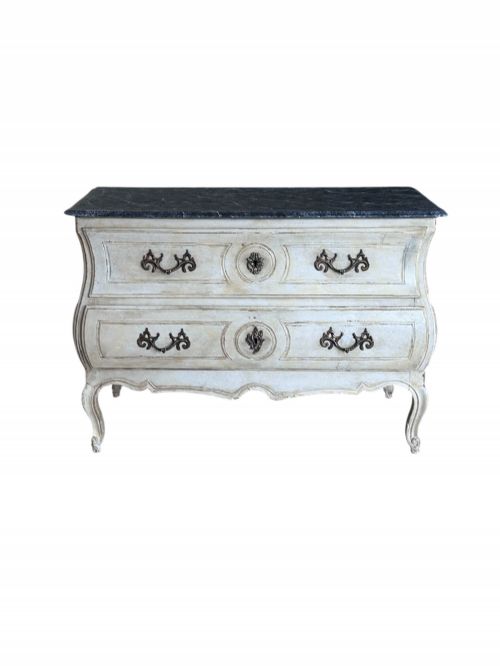
Surfaces frequently display original paint, ranging from red pigment traces on oak salt boxes to brown finishes on Windsor chairs and multi-layered colours on French and Swedish commodes. Iron hardware and brass details appear on storage pieces like cupboards and dressers.
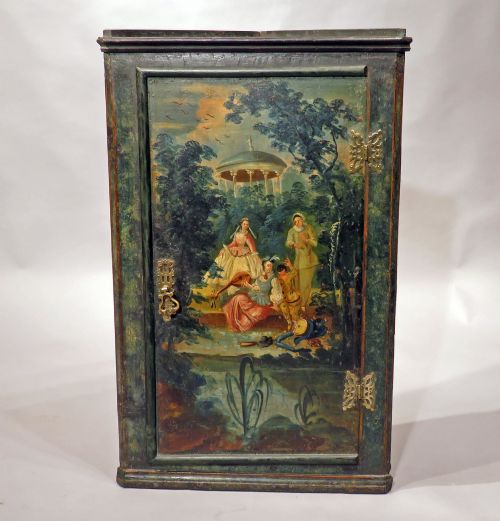
Listings feature oil paintings, armchairs, corner cupboards, dressers and commodes spanning the Georgian period and wider 18th century.
Factors of quality
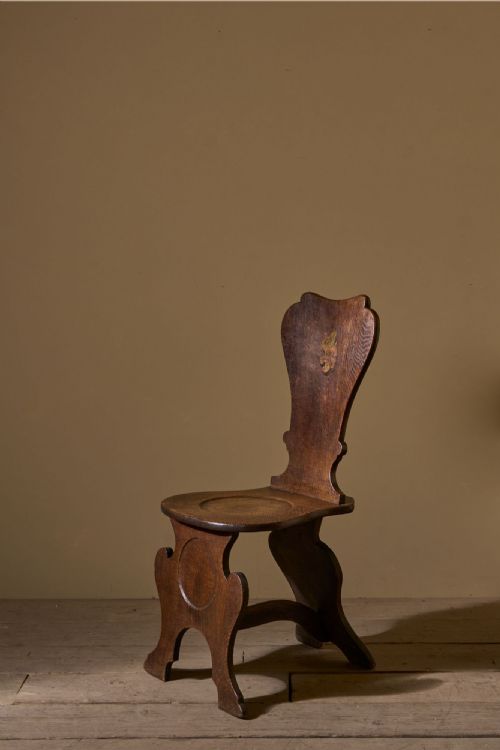
Quality rests on the integrity of the surface finish and the preservation of original paint layers rather than later overpainting. Hand-carved details, such as block feet on armchairs or shield backs on chairs, separate standard items from finer workshop output.
Pictorial works vary according to the handling of light and perspective by the artist, distinguishing skilled provincial portraiture or landscape recording from simpler naive works. The stability of timber frames and panels also dictates the enduring condition of each piece.
George Morland·Frank Moss Bennett·John Verelst·Francis Wheatley·Thomas Gainsborough
The 18th Century Country Painting Glossary
- Oil on canvas
- Pigment bound in drying oil applied to stretched fabric. This medium allows for blended tones and textured brushwork in landscape and portrait compositions.
- Painted wood
- Timber treated with decorative or protective pigment layers. Surviving historic coats demonstrate the original aesthetic choices of regional makers.
- Corner cupboard
- A storage unit built with an angled footprint to fit room intersections. These pieces often feature painted pine or oak construction.
- Salt box
- A wall-mounted container designed to keep kitchen salt dry. Examples frequently incorporate hinged lids and iron hardware.
- Naïve art
- Visual work created without formal academic training in perspective and proportion. These pieces rely on direct observation and linear clarity.
18th Century Country Painting: Frequently Asked Questions
What subjects appear in these oil paintings?
The canvases depict rural landscapes, country paths, farmyard scenes and historic figures. Artists also recorded topographical views of English villages and estates.
Portraits capture country girls, young ladies with flowers, and courting couples in pastoral settings. Genre scenes record everyday activities such as playing bowls or mending chairs.
How do I identify original paint?
Original paint surfaces display natural craquelure, wear patterns and multiple microscopic layers consistent with age. Traces of early pigment often survive beneath later domestic updates.
Examination under natural light reveals the integration of the paint with the underlying timber grain. Historic hardware and fixings corroborate the period of the finish.
Where were these painted furnishings made?
Regional workshops across Britain, France, Sweden and Italy produced these items to serve local domestic needs. English country pieces utilise native oak, ash and pine.
Continental examples feature provincial French commodes and Swedish cupboards finished in distinctive local colour palettes. Each region developed specific vernacular furniture forms.
How should I care for painted wood?
Keep painted furniture away from direct sunlight and steady temperature fluctuations to prevent the pigment from fading or flaking. Avoid harsh chemical cleaners that strip historic finishes.
Dust surfaces gently with a dry, soft cloth. Maintain stable indoor humidity levels to protect both the wooden substrates and the applied paint layers.