




Oil Painting Ruin Landscape
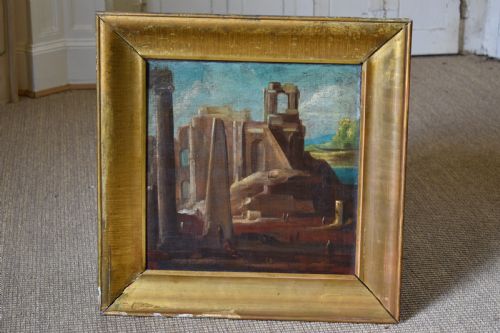
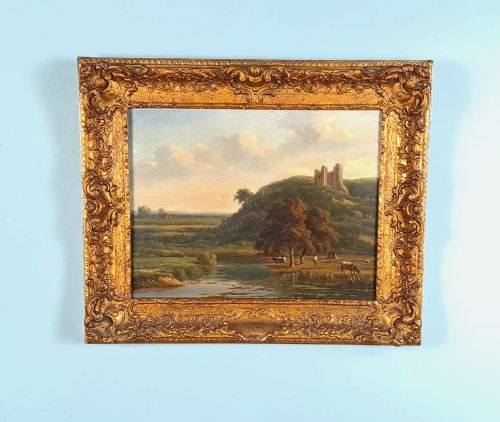
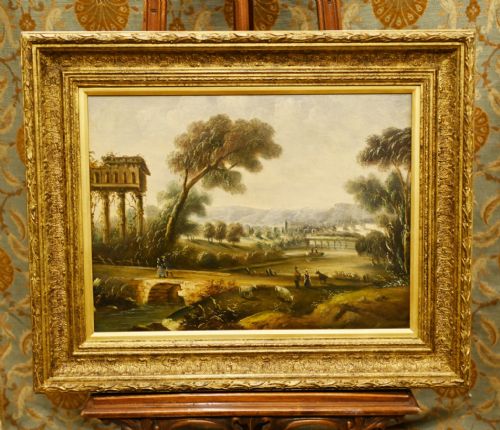
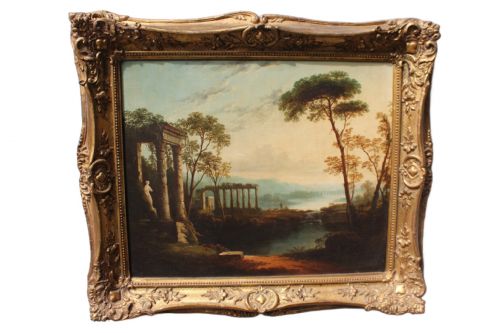
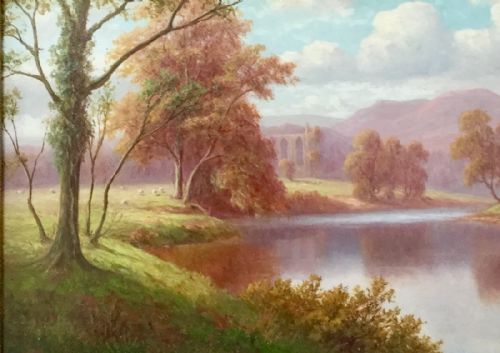
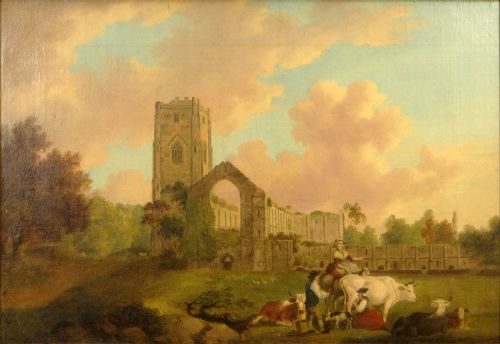
An oil painting ruin landscape captures fallen masonry and overgrown arches, offering a romantic glimpse of past civilisations that collectors display for deep atmosphere.
Oil Painting Ruin Landscape
An oil painting ruin landscape depicts decaying architectural fragments such as castles, abbeys, and classical temples set within pastoral or coastal scenery. These works draw heavily on seventeenth-century Italianate traditions and later Grand Tour aesthetic ideals, translating physical decay into picturesque harmony.
The selections available span from the seventeenth century through the Georgian and Victorian eras up to early twentieth-century interpretations. English examples frequently record domestic abbeys and castles, while continental works lean towards Mediterranean and Roman motifs.
Canvases and wood panels dominate the physical formats, frequently framed in original giltwood or gilded wood. The scale ranges from intimate panel boards to large decorative canvases intended for formal reception rooms.
How they were made
Artists applied oil paint using fine brushes over prepared grounds on woven linen canvas or rigid wood panels. This medium allowed for rich glazing, deep shadow work, and luminous handling of atmospheric light around crumbling stone.
Surviving works commonly retain their period frames carved from wood and finished with layers of gesso and gilding. These giltwood surrounds complement the romantic warmth of the painted composition.
Recorded periods include Georgian and Baroque styles, alongside Grand Tour and Italianate classical movements.
What varies in quality
The distinction lies in the handling of atmospheric depth and the structural precision of the masonry. Superior examples integrate the architectural ruins into the natural topography with convincing light, whereas weaker works rely on rigid formulae.
Brushwork fluidity and pigment preservation dictate overall visual impact. Works retaining their original giltwood frames without heavy restoration command greater appreciation among serious collectors.
Angelo Maria Crivelli·T C Hofland·Giovanni Paolo Panini·George Gregory·Francesco Zuccarelli·Francesco Guardi·Everett Watson Mellor·Julius Ceaser Ibbetson·Jan Ludewick De Wouters·Louis Bélanger·Patrick Nasmyth·Richard Wilson
The Oil Painting Ruin Landscape Glossary
- Capriccio
- An architectural fantasy placing together ancient ruins, classical buildings, and other architectural elements in a fictional compositional arrangement. Painters used this device to showcase imagination alongside historical knowledge.
- Grand Tour
- A traditional trip of Europe undertaken by upper-class European young men of means circa the seventeenth to nineteenth century. Travellers collected landscape paintings depicting Italian and Roman ruins as tangible proof of their travels.
- Oil on Canvas
- A painting medium where pigments bound in drying oil are applied to stretched woven fabric. This combination provides flexibility and allows for subtle blending of light and shadow.
- Wood Panel
- A rigid support base made from timber used by artists before canvas became the dominant substrate. Panels offer a smooth, stable surface for meticulous detail work.
- Giltwood
- Timber carved and coated with thin gold leaf or gold paint. It provides a reflective, ornate border that enhances the tonal qualities of historical oil paintings.
Oil Painting Ruin Landscape: Frequently Asked Questions
What is an oil painting ruin landscape?
These artworks portray weathered structures like abbeys, castles, and classical remnants nestled within natural terrain. They reflect changing attitudes toward history, nature, and the passage of time across centuries.
Created primarily by European artists following classical or romantic traditions, the genre spans several hundred years of painting practice.
How were these paintings used?
Owners historically hung these works within drawing rooms, libraries, and galleries to display cultural sophistication and a classical education. They served as conversation pieces that bridged contemporary domestic life with ancient history.
Today, they function similarly as focal points in traditional or eclectic interiors, bringing historic depth to modern spaces.
How do I live with one?
Protect the canvas or wood panel from direct sunlight and steady moisture fluctuations to preserve the stability of both the oil paint and the timber support. Positioning the piece away from direct heat sources prevents cracking in the gesso and giltwood frame.
Lighting the painting with a dedicated picture light enhances the subtle atmospheric details of the distant landscape and ruined masonry.
How do I tell periods apart?
Seventeenth and eighteenth-century works often emphasise theatrical classical composition and idealised Italianate lighting, whereas nineteenth-century pieces focus on specific British abbeys with atmospheric realism. Twentieth-century examples introduce modernist brushwork or tonalist palettes while retaining the core ruin subject.
Examining the canvas weave, stretcher construction, and the style of the giltwood frame provides further clues to dating.