




Framed Classical Oil Picture
These framed classical oil picture works bring historical depth to a room through traditional painting techniques and period frames.
Framed Classical Oil Picture
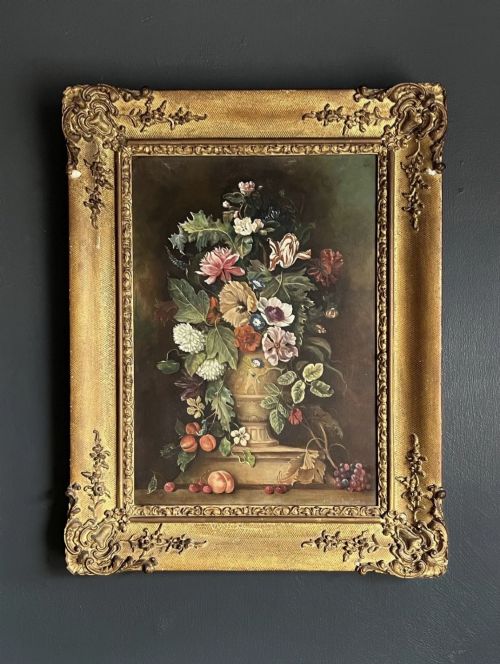
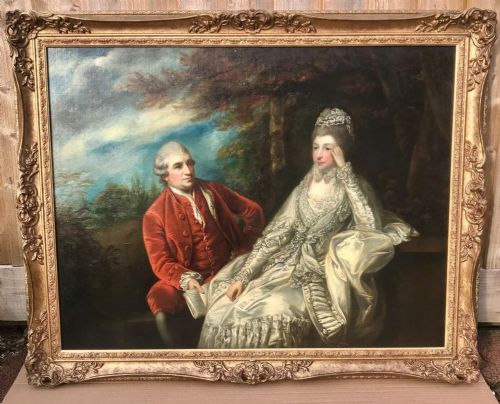
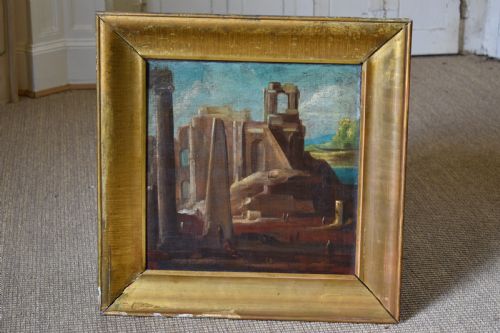
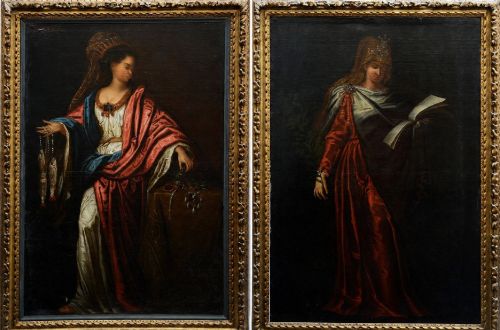
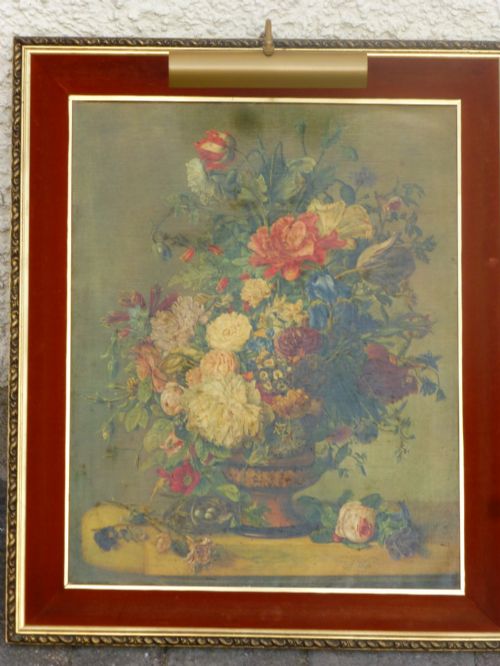
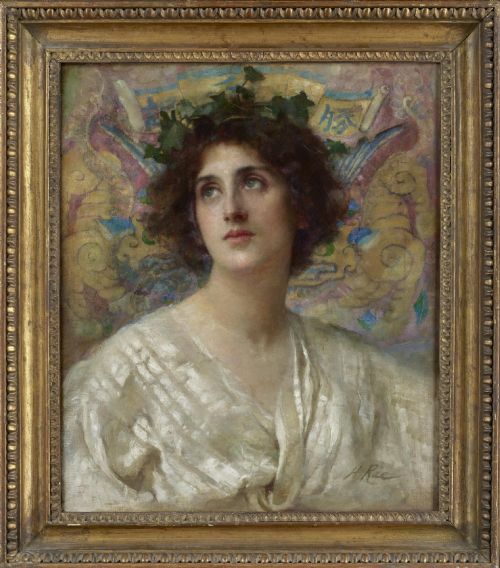
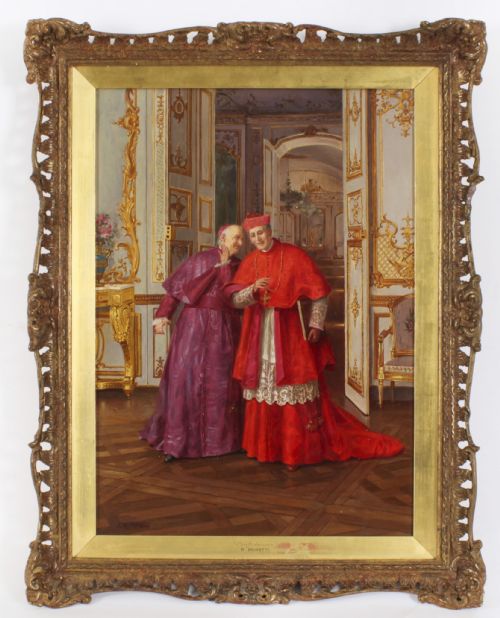
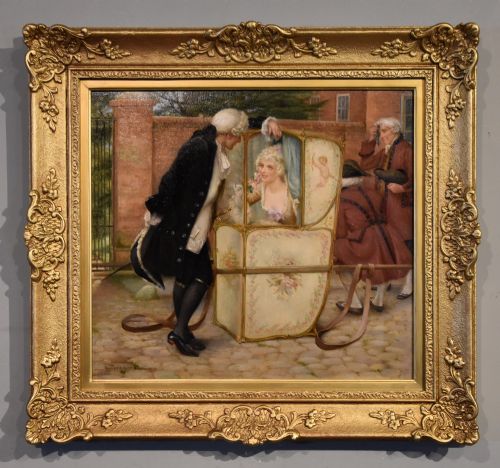
A framed classical oil picture typically presents oil paint applied to canvas or panel, depicting landscapes, portraits, still lifes, or mythological scenes. These artworks span several centuries, with pieces originating from the 17th century through to the mid-20th century.
Buyers searching for a framed classical oil picture encounter works created by various European schools, including Dutch, French, Italian, and British artists. The subjects range from grand historical narratives to intimate floral compositions and pastoral river views.
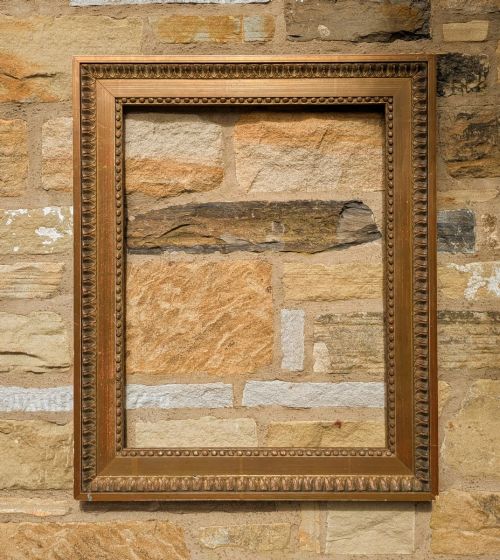
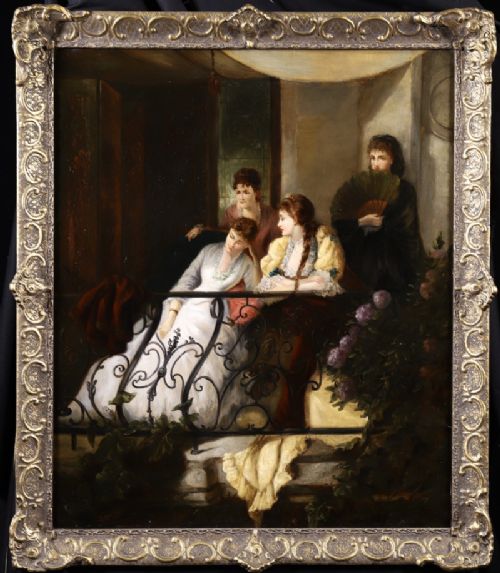
Most examples appear within decorative surrounds such as giltwood, gesso, or carved wooden moulding frames. These enclosures form an integral part of the piece, often matching the period of the artwork itself.
How they were made
Artists built up these compositions using oil paint on stretched canvas or wooden panels, allowing for subtle blending and rich colour depths. Painters employed varied brushwork to render the textures of fabrics, foliage, and skin.
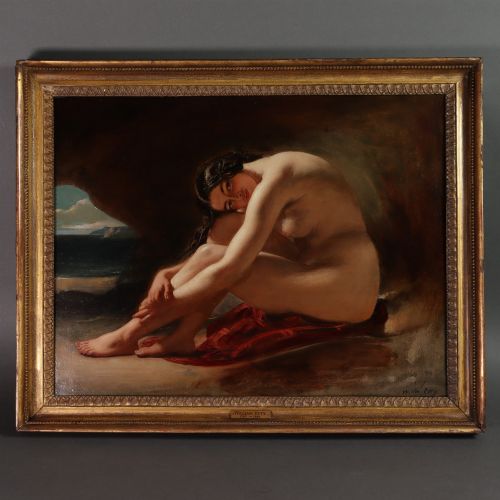
The accompanying frames were constructed from wood, then finished with layers of gesso and gold leaf or giltwood. Craftsmen often embellished these borders with carved ornamentation such as egg and dart or beaded moulding patterns.
Several canvases capture mischievous gods and playful mythological creatures caught mid-scene.
What varies in quality
The handling of light, shadow, and anatomical or spatial perspective distinguishes skilled studio output from more basic decorative works. Master painters achieved greater psychological depth in portraits and more convincing atmospheric perspective in landscapes.
Frame craftsmanship also differs significantly, with hand-carved giltwood and gesso mouldings offering greater artistic harmony to the painting than simpler replacement frames. The integrity of the original canvas support and the preservation of the paint surface further influence the overall standing of the piece.
Joshua Reynolds·John Ferneley Senior·William Etty·Jean-baptiste Joseph Pater·Claude Lorrain·William Duffield·Henry Schouten·Richard Wilson
The Framed Classical Oil Picture Glossary
- Gesso
- A plaster-like mixture applied to wood frames to create a smooth surface for gilding. It is often moulded or carved with decorative patterns.
- Giltwood
- Wood that has been coated with a thin layer of gold leaf or gold paint. This technique gives frames a bright, reflective metallic finish.
- Oil on Canvas
- A painting medium where pigments are suspended in a drying oil and applied to a woven fabric support. This combination allows for flexible application and enduring colour richness.
- Neoclassical
- An artistic style drawing inspiration from the classical art and culture of ancient Greece and Rome. It emphasises proportion, clarity, and restrained composition.
Framed Classical Oil Picture: Frequently Asked Questions
How do I date a framed classical oil picture?
Dating relies on examining the canvas preparation, stretcher construction, and the style of the pigment application. The accompanying frame also provides key clues, as period frames often match the era of the painting.
Stylistic conventions and costume details within the artwork help narrow down the decade of creation. Written inscriptions, signatures, or artist archives further clarify the timeline.
Where should I hang a classical oil painting?
These works suit traditional reception rooms, studies, or hallways where their rich tones and historical subjects complement period architecture. Placing them away from direct sunlight protects the oil pigments and the underlying canvas from fading.
Ensuring stable room humidity prevents the wooden panels and canvas stretchers from warping over time. Adequate wall spacing allows the decorative gilt frame to project properly into the room.
What is the difference between canvas and panel?
Canvas consists of woven fabric stretched over a wooden frame, offering a slightly flexible painting surface that became dominant from the Renaissance onward. Panels are rigid wooden boards, often used for earlier or smaller works.
Panel paintings require careful climate control to prevent the wood from splitting as it expands and contracts. Canvas works are more resilient to minor atmospheric shifts but can sag if the tension changes.