



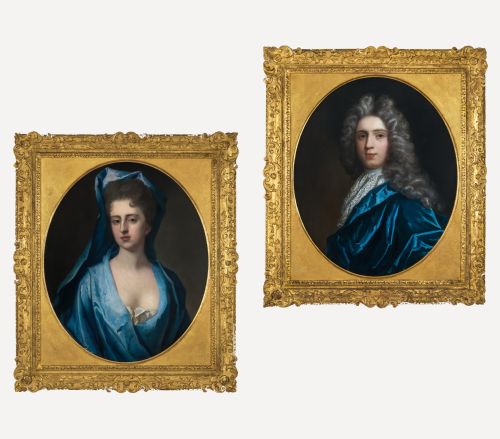
Georgian Framed Canvas Art
Georgian framed canvas art brings centuries-old portraiture and narrative scenes into modern interiors, offering oil paintings set within period timber and giltwood frames.
Georgian Framed Canvas Art
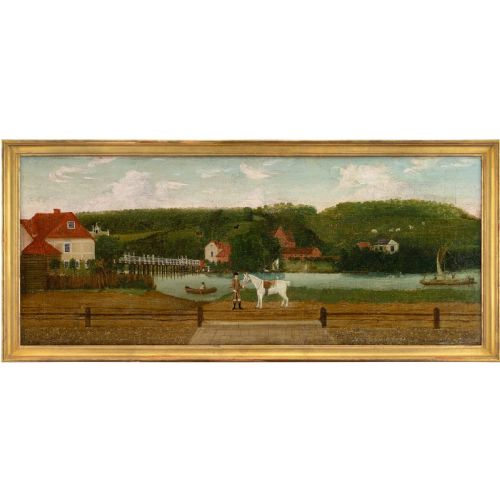
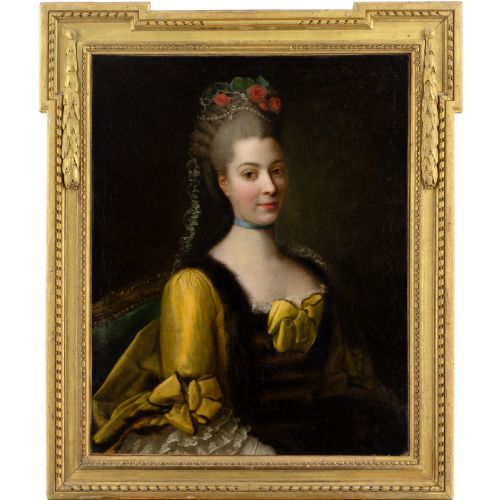
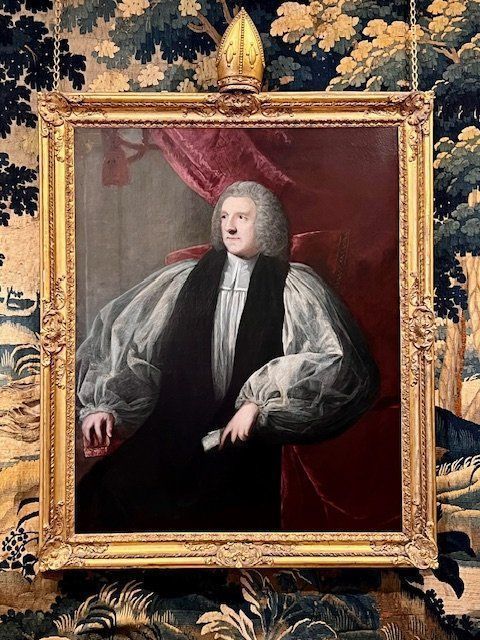
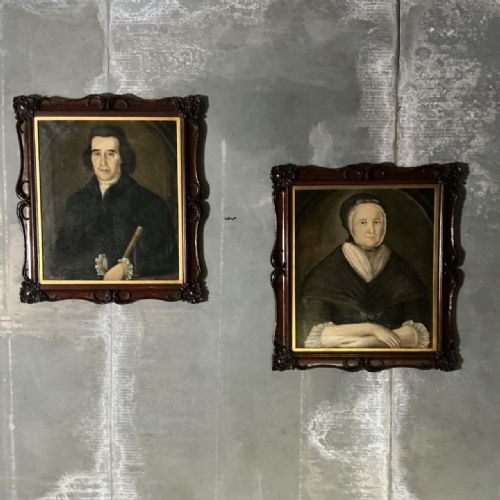
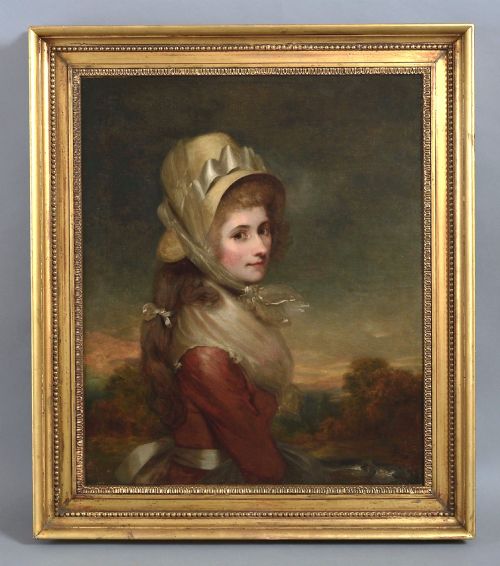
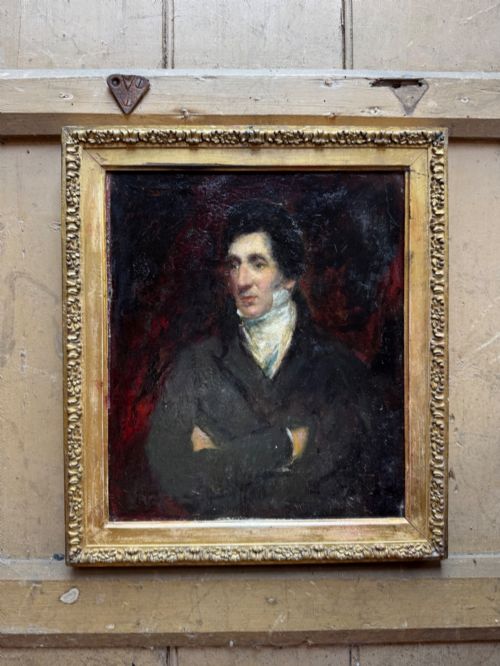
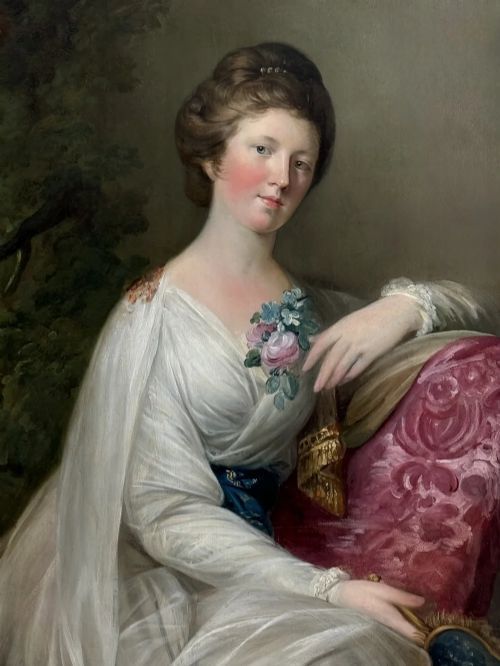
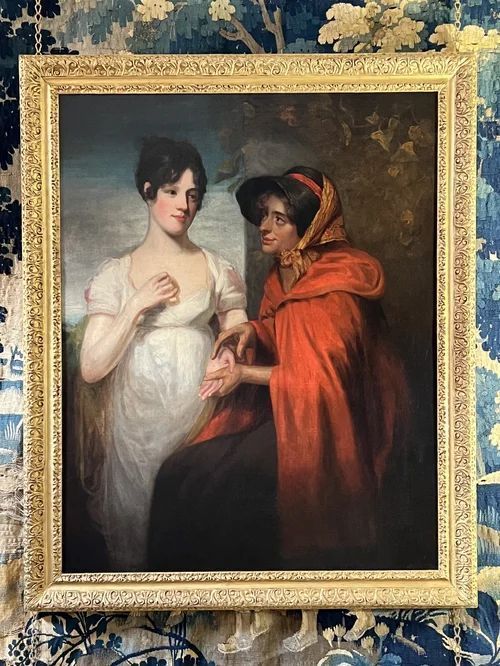
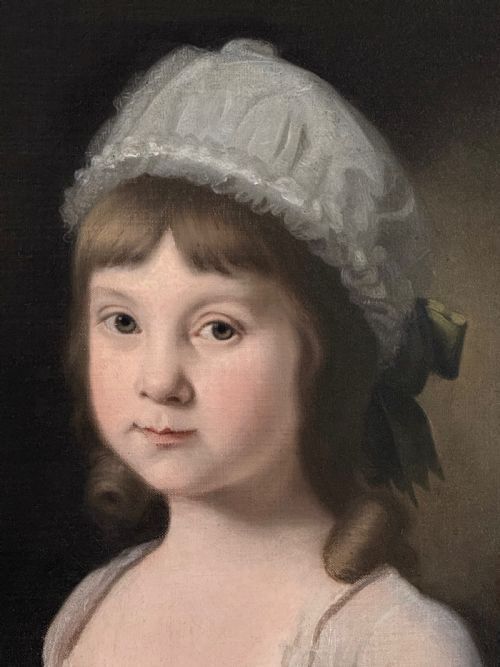
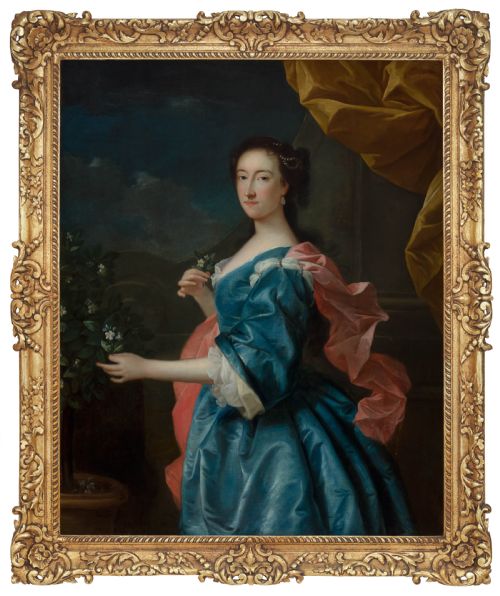
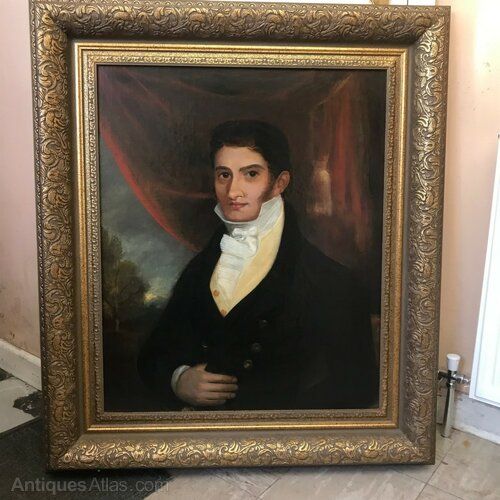
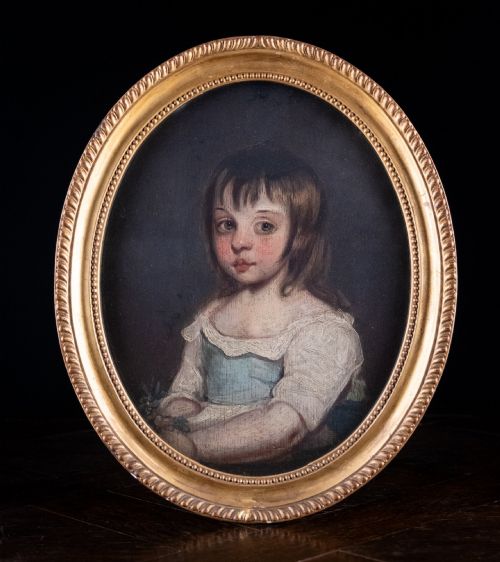
The most common form on this page is the oil on canvas portrait, often housed in its original or period-appropriate wooden frame. These works record identifiable historical sitters, members of landed families, and anonymous figures painted within British and European traditions.
Pieces span multiple periods including the seventeenth and nineteenth centuries, reflecting overlapping aesthetics such as British Baroque, Rococo, and classical portraiture. The paintings range from intimate head-and-shoulder studies to large-scale framed canvases designed for country house interiors.
Materials and Construction
The physical objects rely on woven canvas stretched over wooden frames and painted using oil pigments applied in layers. Artists utilised organic binders and mineral colours to build depth, form, and texture across the picture plane.
Surrounding the paintings are frames constructed from timber, frequently embellished with carved wooden ornament and finished with gold leaf or giltwood. These protective enclosures were constructed by specialist frame-makers to complement the scale and aesthetic of the canvas.
Several portraits preserve the intense gazes of eighteenth-century captains, actors, and prime ministers who spent their lives staring into the middle distance.
Assessing Quality
The condition and authenticity of the surrounding frame heavily influence the integrity of the piece. Frames featuring original carved wood and intact gold leaf complement the historical value of the canvas within.
Charles Jervas·Sir Joshua Reynolds·Jean Baptiste Van Loo·John Opie·Thomas Barker of Bath
The Georgian Framed Canvas Art Glossary
- Giltwood
- Wood carved and coated with gold leaf or a metallic substitute. This material defines the reflective surfaces of period picture frames.
- Oil on Canvas
- Pigment mixed with drying oil applied to a woven fabric support. This technique provides the primary medium for historical paintings.
- Genre Painting
- Art depicting scenes from everyday life rather than historical or mythological events. These works show ordinary people engaged in common activities.
- Baroque
- An ornate artistic style originating in the seventeenth century, characterised by drama and rich detail. British variants appear across several listed portraits.
- Regency
- The period in British history from 1811 to 1820, alongside the broader stylistic era associated with it. Pieces from this time show distinct neoclassical design traits.
Georgian Framed Canvas Art: Frequently Asked Questions
How do I hang a heavy framed canvas safely?
Heavy oil paintings require sturdy fixings screwed directly into wall studs or masonry using appropriate wall plugs and picture hooks. Using a two-point hanging system distributes the weight evenly and keeps the frame level.
Ensure the picture wire or D-rings attached to the wooden frame are secure and rated for the weight of the artwork. Period frames can be surprisingly heavy due to their dense timber and plaster composition.
Where should I place these paintings at home?
Position oil paintings away from direct sunlight, radiators, and damp walls to protect the canvas and the wooden frame from environmental damage. Stable indoor temperatures prevent the paint and canvas from expanding and contracting.
Traditional portraits look striking hung at eye level in living rooms, hallways, or libraries where their scale can be appreciated. Pairing them with directional picture lighting highlights the details of the brushwork and the gilt frame.
How can I tell an original period frame from a modern replica?
Examine the corners and joinery of the frame for traditional construction methods, such as mitred joints secured with wooden pegs or hand-carved elements. Older frames often show shrinkage cracks in the gesso and minor losses to the gold leaf.
Look at the reverse of the frame for old fixings, maker's stamps, or patination accumulated over centuries. Modern replicas usually display uniform machine-cut timber and artificial distressing.