
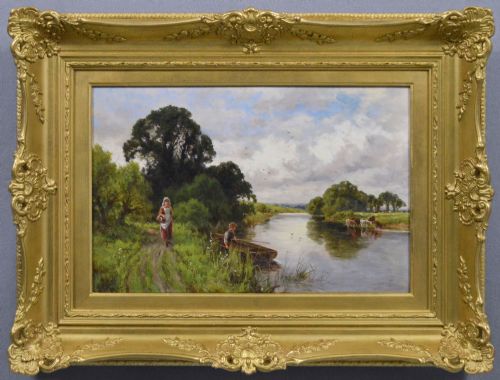

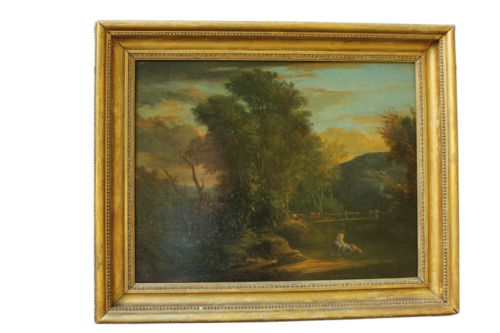

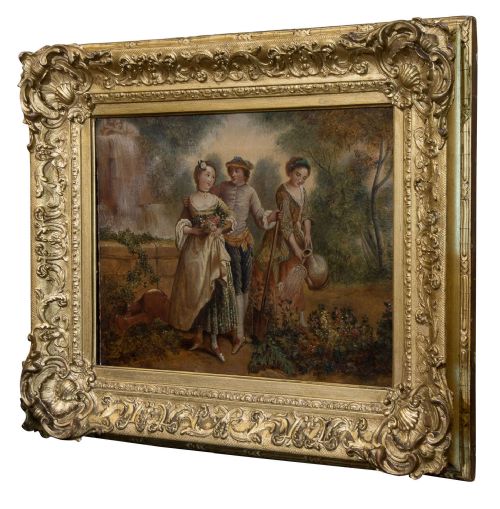


Pastoral Figure Oil Painting
When you search for pastoral figure oil painting, you find rural scenes on canvas and panel from the seventeenth century to the twentieth.
Pastoral Figure Oil Painting
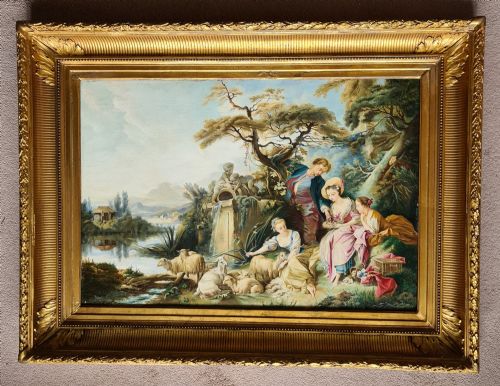
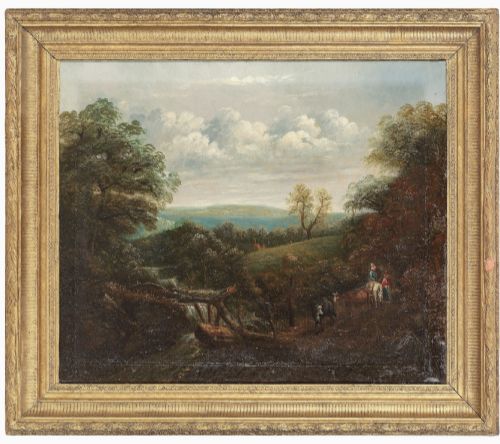
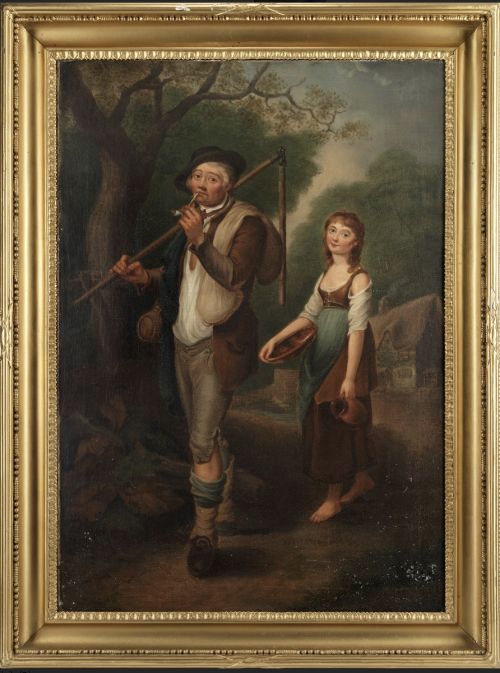
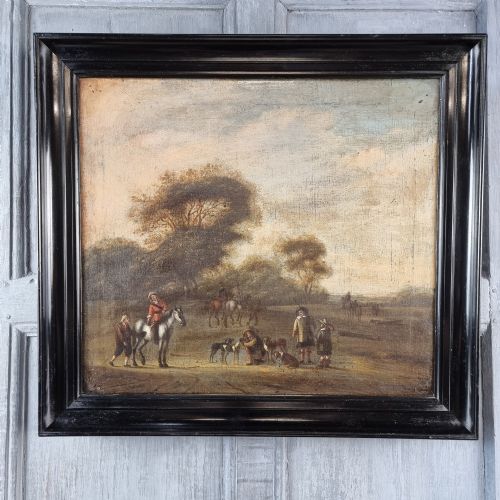
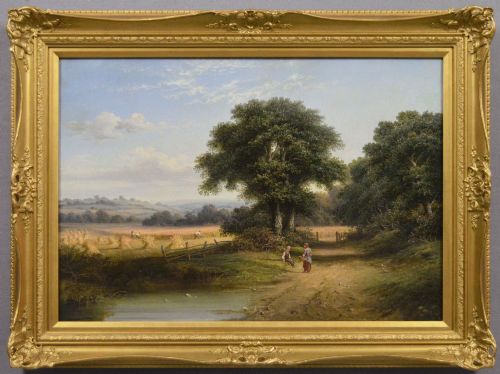
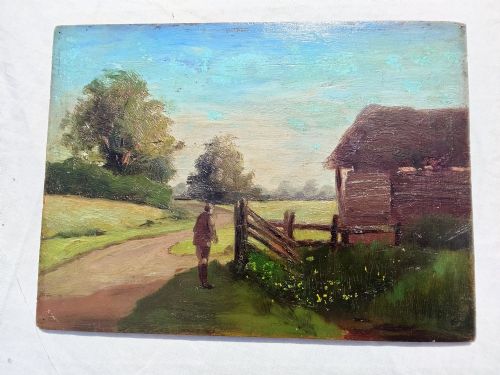
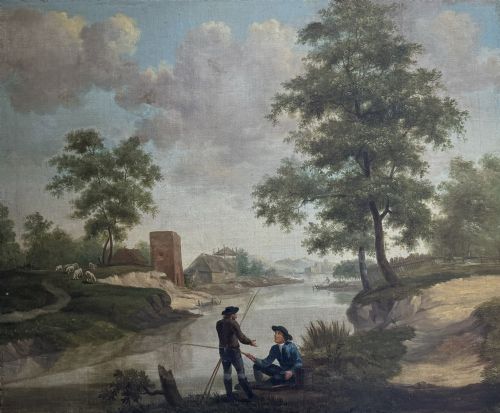
A pastoral figure oil painting depicts rural life, riversides, harvests, and figures in natural landscapes across various European schools. These works capture quiet moments with cattle, milkmaids, or travellers by water, spanning centuries of tradition.
You will most commonly meet nineteenth-century English and French examples on canvas and wood panel. These pieces reflect regional landscapes from the Norwich School to the French Barbizon style.
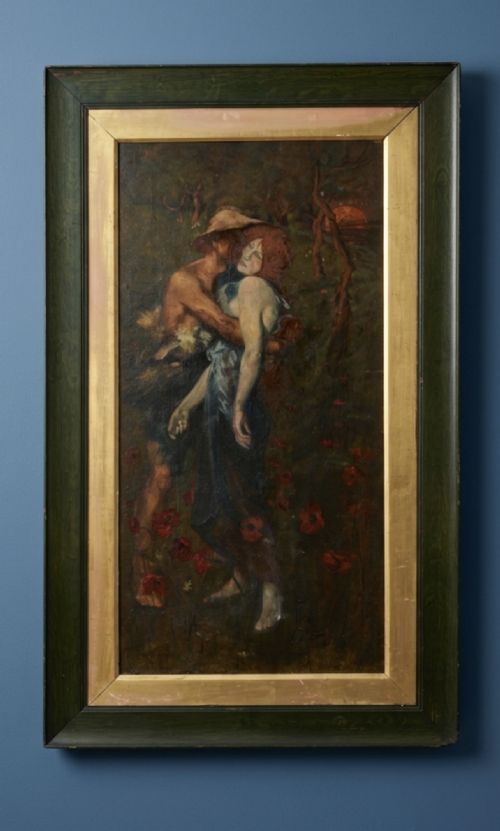
The subjects range from romantic river scenes to mythological figures and rustic idylls after classical masters. Each piece brings a traditional country atmosphere into an interior space through oil paint and framed presentation.
How They Were Made
Painters applied oil paint to stretched canvas, wooden boards, and panels using traditional brushes and mediums. These grounds were often prepared with gesso to create a smooth, stable surface for pigment.
Many works were housed in gilt wood and gesso frames that enhanced the depth and tone of the composition. The physical construction combined organic supports with layered oil colours built up in glazes and impasto.
Listings span from the seventeenth century to the twentieth, incorporating Dutch Golden Age, Victorian, and Edwardian styles on canvas and wood.
What Varies in Quality
The handling of light and atmospheric perspective distinguishes accomplished works from simpler decorative copies. Masterful brushwork brings vitality to figures, foliage, and water, while lesser examples rely on formulaic repetition.
The integrity of the original canvas or wooden panel and the preservation of the paint layers determine the overall condition. Original giltwood frames also contribute significantly to the character and period context of a piece.
Thomas Barker of Bath·Walter Heath Williams·Henry H Parker·Margaret Maitland Howard·Thomas Baker of Leamington·Robert Thorne Waite·George Turner·David Bates·Arthur Walker Redgate·Robert John Hammond·Thomas Thomas·Edward John Cobbett·James Arthur O’Connor·Cor De Boer·Francois Charles Cachoud
The Pastoral Figure Oil Painting Glossary
- Oil on Canvas
- Pigments bound in a drying oil applied to a woven fabric support. This combination allowed artists to create rich textures and subtle tonal gradations.
- Gesso
- A plaster mixture used as a smooth base on panels and frames before gilding or painting. It provides a durable foundation for the upper layers.
- Norwich School
- A regional collective of artists inspired by the Norfolk landscape in the early nineteenth century. They focused on local scenery and naturalism.
- Barbizon School
- A group of French painters associated with the Realist movement who worked directly from nature. Their landscapes emphasised atmospheric effects and rustic subjects.
- Gilt Wood
- Carved wood decorated with gold leaf or metal leaf applied over a prepared surface. It adds warmth and reflects light around the framed artwork.
Pastoral Figure Oil Painting: Frequently Asked Questions
What is the difference between canvas and panel?
Canvas is a flexible woven fabric stretched over a wooden frame, allowing for larger compositions and visible texture. Wooden panels provide a rigid, smooth support often found in earlier or smaller works.
Both materials require stable environmental conditions to prevent warping or cracking of the paint. Panel paintings are particularly sensitive to fluctuations in humidity.
How do I date a pastoral painting?
Stylistic clues, costume details of the figures, and the construction methods of the stretcher or panel help establish a date range. Signatures, inscriptions on the reverse, and framing styles also offer reliable evidence.
Comparative analysis with documented works by known school followers narrows down the period of execution further. Experts examine the crackle pattern in the paint as an indicator of age.
Where should I hang a rural landscape?
These works suit traditional reception rooms, studies, and hallways where natural light complements the composition. Avoid placing them in direct sunlight or above active heat sources to protect the canvas and pigments.
Pairing a framed landscape with period furniture creates a cohesive historical interior. Ensure the hanging height places the centre of the painting at eye level.