
Traditional Floral Art
Traditional floral art brings together centuries of painted blooms and stitched textiles, offering rich interior colour.
Traditional Floral Art
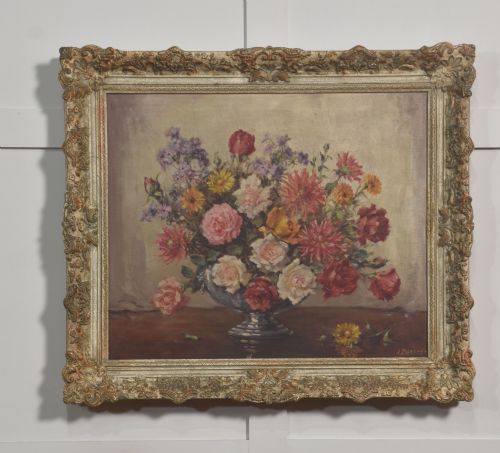
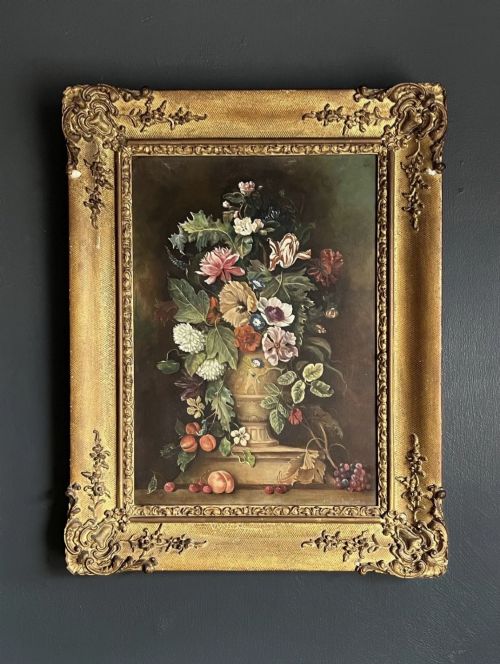
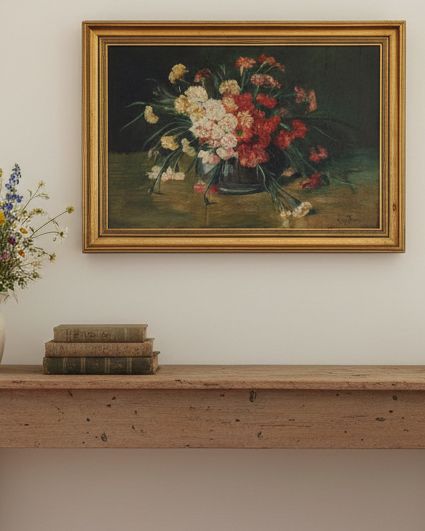
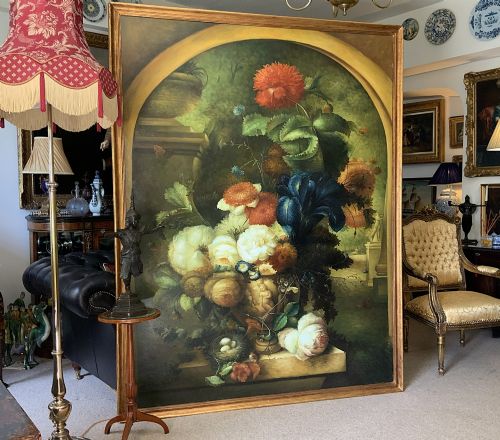
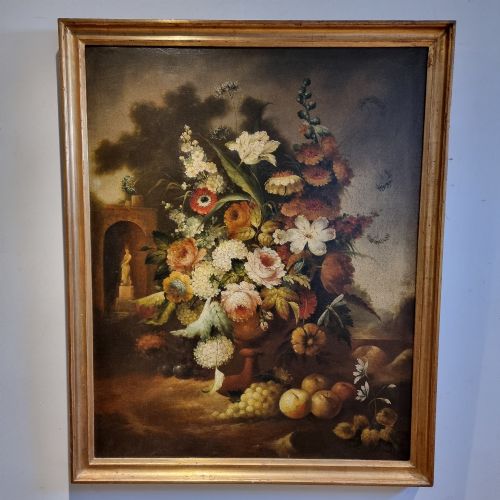
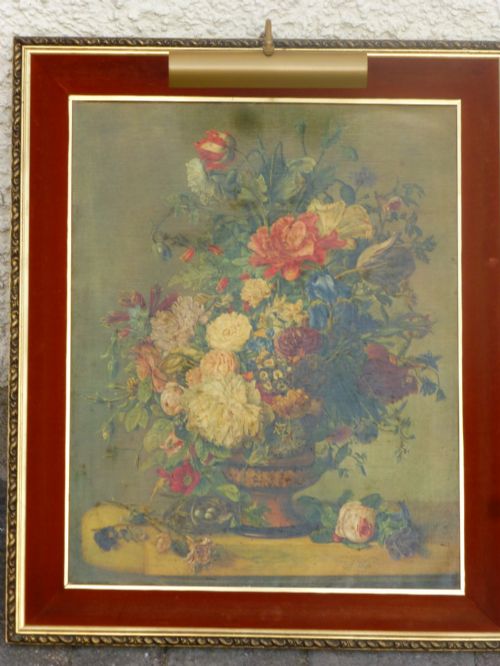
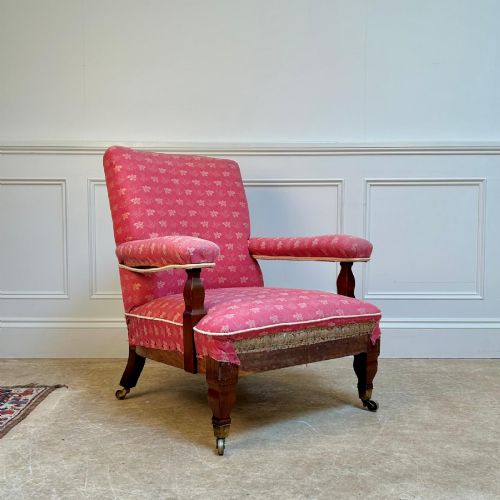
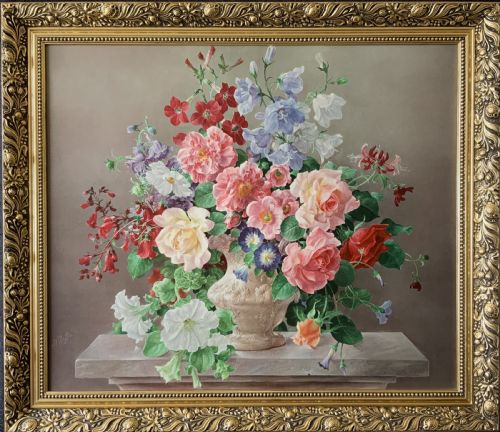
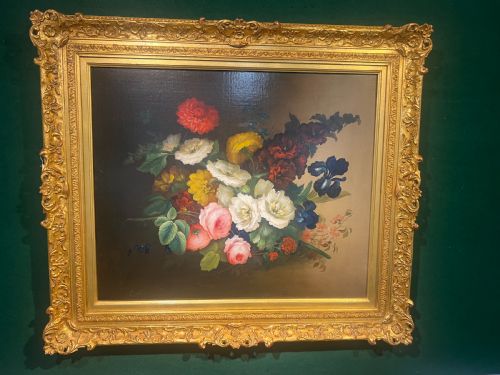
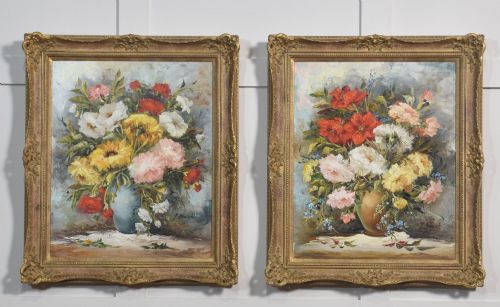
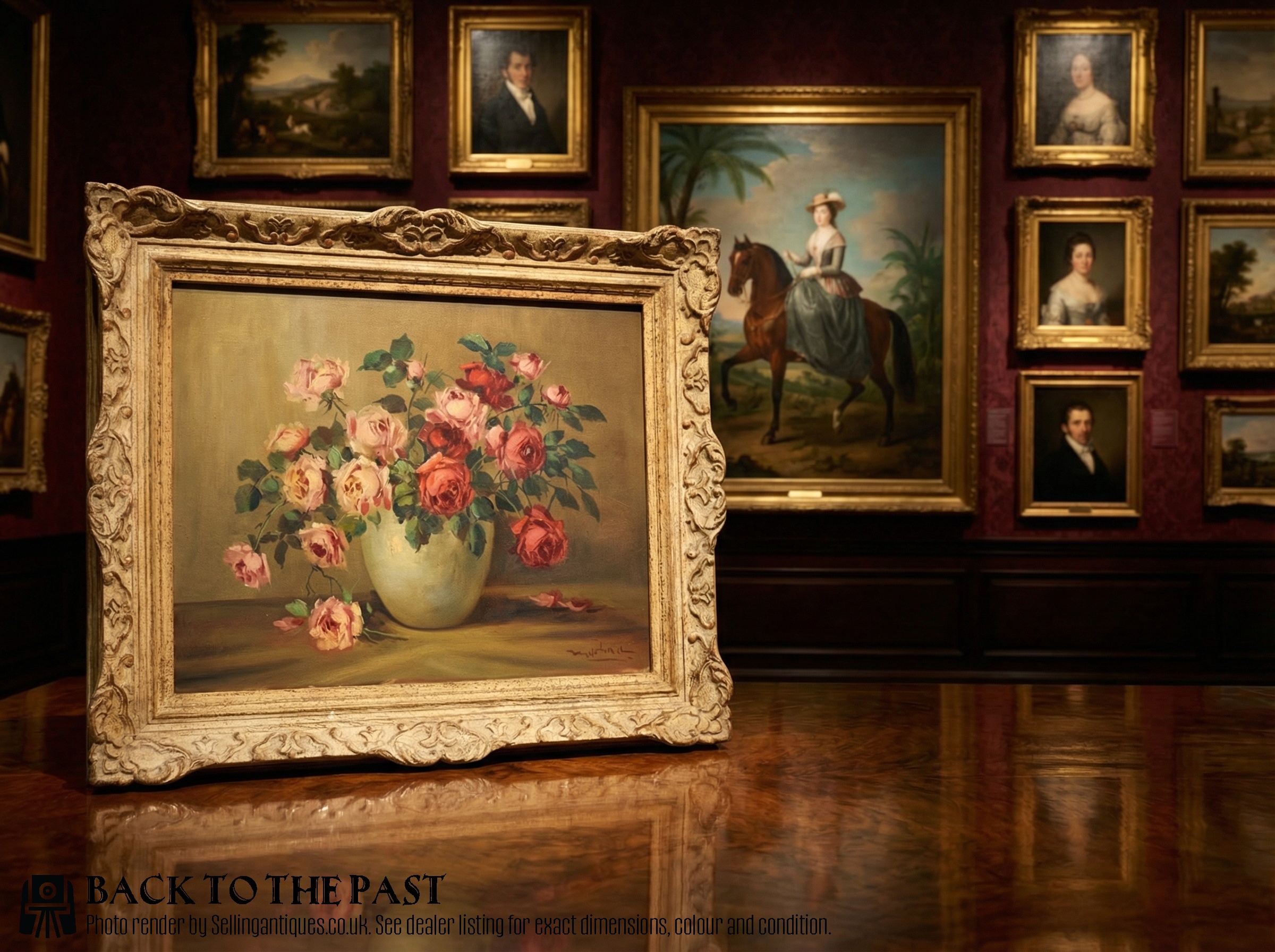
Traditional floral art covers oil paintings, textiles, tapestries, and painted wooden furniture spanning from the nineteenth century into the mid-twentieth century. Buyers searching for traditional floral art will frequently encounter canvas oil paintings depicting still-life arrangements of roses, carnations, and tulips.
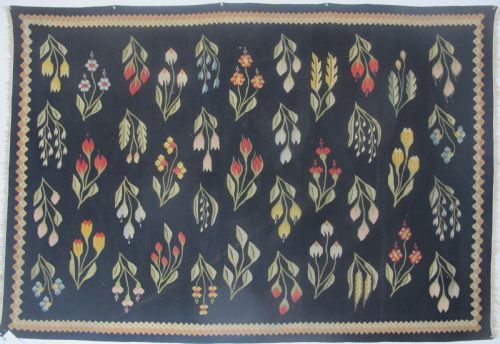
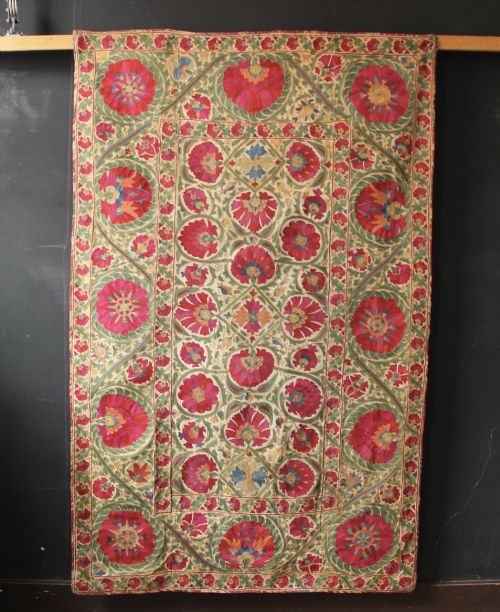
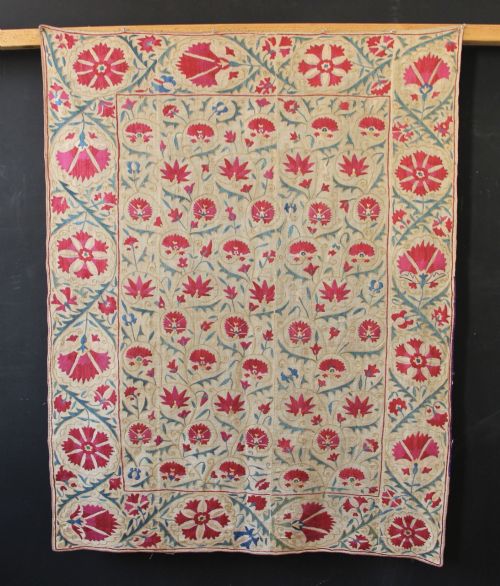
The selection also extends to woven wall hangings, embroidered suzanis, kilims, and painted pine boxes decorated with botanical motifs. These pieces originate from various European and Asian traditions, including Dutch, English, Hungarian, and Central Asian workshops.
Materials and construction methods
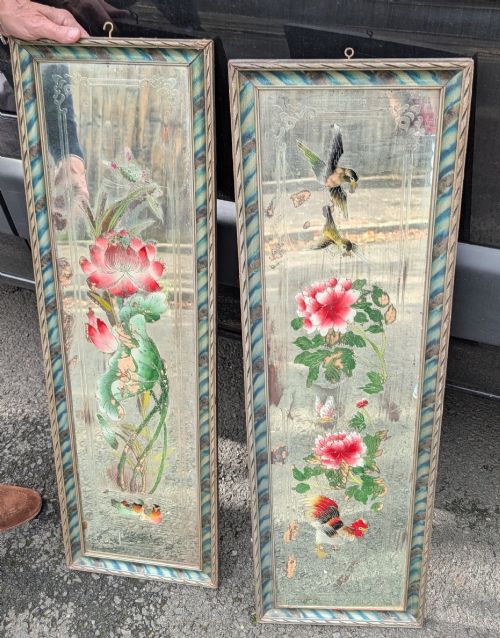
Painters utilised oil on canvas, gouache on silk, and watercolour, often framing their works in gilt gesso or wood. Textiles were produced using cotton, wool, and silk, employing techniques such as embroidery, tapestry weaving, and stitching.
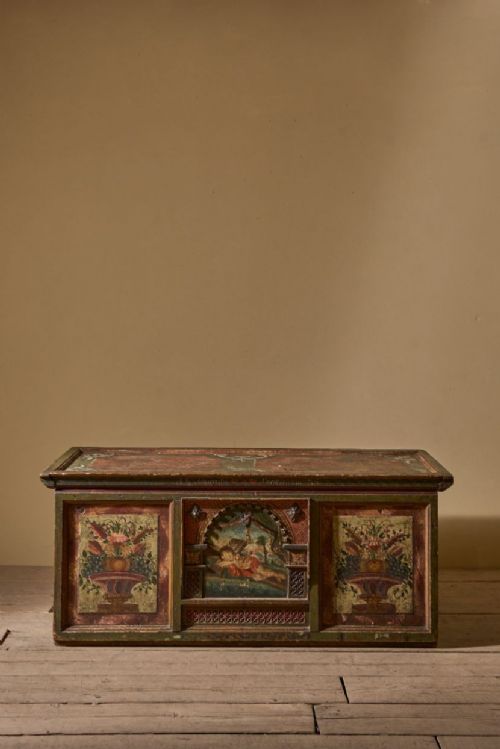
Wooden objects like marriage trunks, coffer boxes, and spinning chairs were fashioned from pine and other woods, then hand painted with surface designs.
Materials found across the selection range from oil on canvas and silk embroidery to pine, cotton, and iron.
Distinctions in quality
Quality in painted works rests on the handling of pigment, the fidelity of botanical detail, and the preservation of the canvas and frame. Skilled brushwork distinguishes a finely observed study of petals and foliage from simpler decorative output.
In textiles and tapestries, the fineness of the needlework, the complexity of the botanical patterns, and the durability of the natural fibres dictate the standard of the piece.
George Jack For Morris & Co·Edward Ladell·Harold Clayton·William Thomas Wood·Gertrude Hayes
The Traditional Floral Art Glossary
- Suzani
- An embroidered tribal textile originating from Central Asia, typically featuring bold floral motifs on a cotton or silk ground.
- Gesso
- A plaster-like mixture applied to wood or canvas surfaces before painting or gilding, commonly seen on ornate picture frames.
- Cassone
- A richly decorated chest or trunk used historically for marriage dowries, frequently adorned with painted floral or figurative scenes.
- Kilim
- A flat-woven carpet or tapisserie rug produced without a pile, often displaying geometric and botanical patterns.
- Oleograph
- A mechanical colour print on canvas designed to imitate the appearance and texture of an oil painting.
Traditional Floral Art: Frequently Asked Questions
How do I care for antique oil paintings?
Keep painted canvases away from direct sunlight and fluctuating humidity to prevent the oil and canvas from degrading over time. Dust the surface gently with a soft, dry brush without applying pressure.
Avoid using liquid cleaners or damp cloths on historical paint layers. Professional conservation is recommended if the canvas requires cleaning or canvas tightening.
How do I date a painted pine box?
Examine the construction joints, timber preparation, and the pigments used in the surface decoration. Nineteenth-century pine boxes often show hand-planed board surfaces and distinct regional folk painting styles.
Nails, hinges, and wear patterns around keyholes provide further clues to the age and origin of the piece.
What is a Dutch style still life?
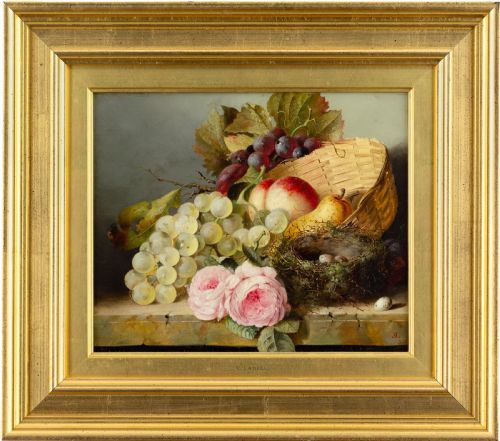
This style draws inspiration from the Dutch Golden Age, focusing on detailed arrangements of cut flowers like tulips, roses, and carnations. The compositions often highlight botanical accuracy alongside symbolic elements such as birds or nests.
Artists across the nineteenth and twentieth centuries adopted these classical arrangements to showcase technical skill in rendering light and shadow on petals.