




Pink Rose Still Life
A pink rose still life captures delicate floral arrangements in paint, offering lasting domestic charm for any interior.
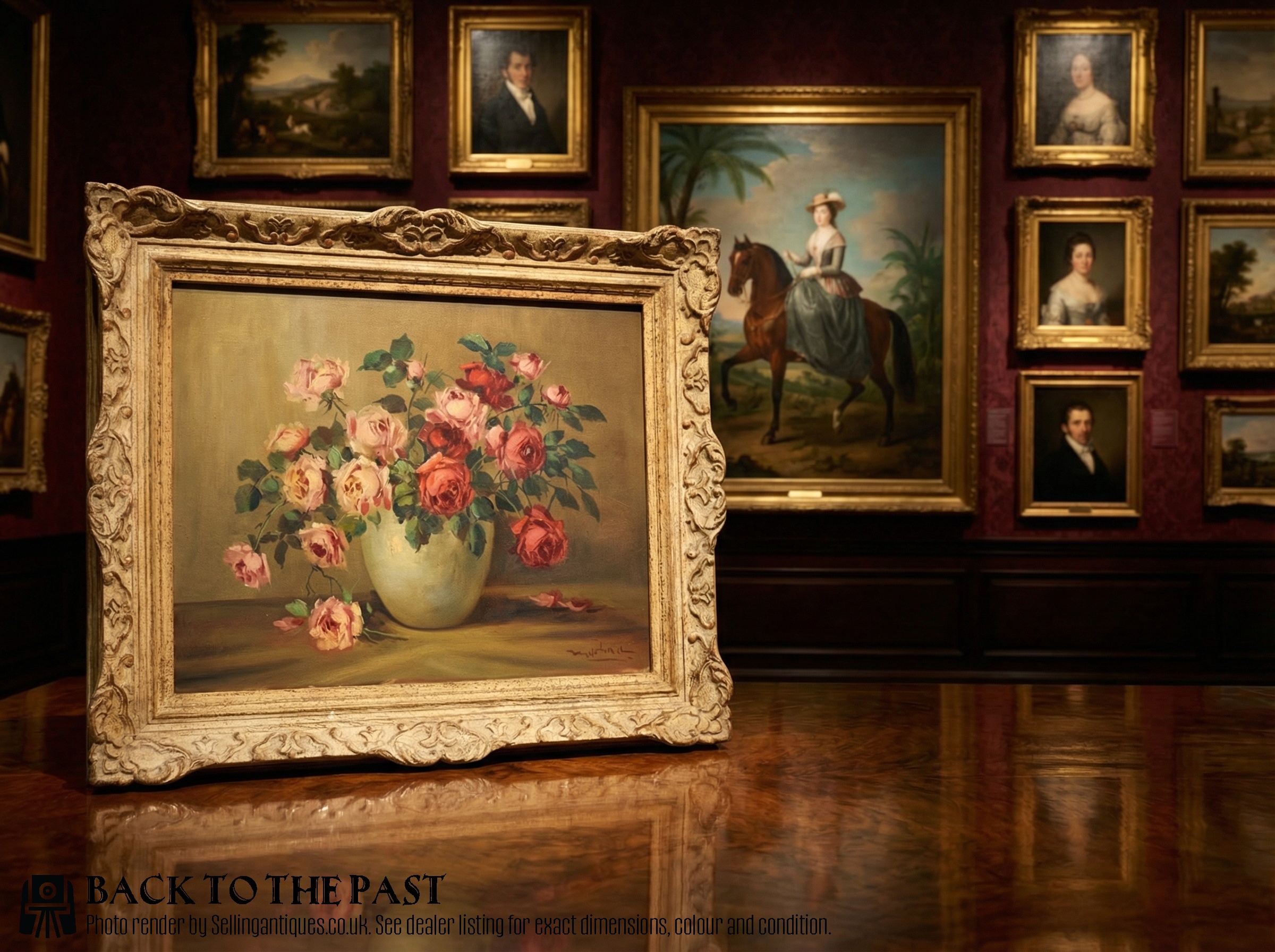
Pink Rose Still Life
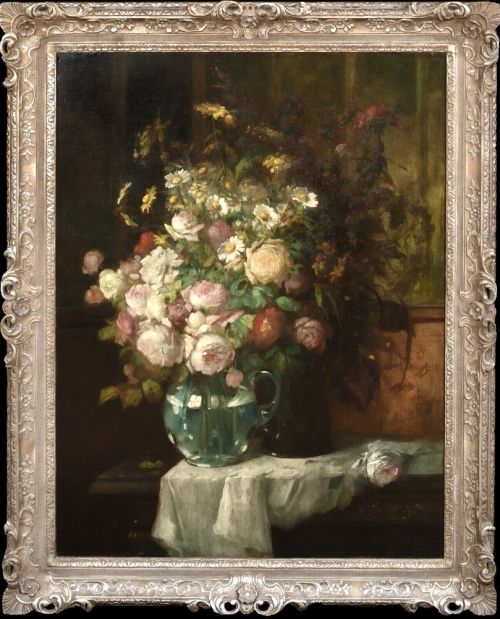
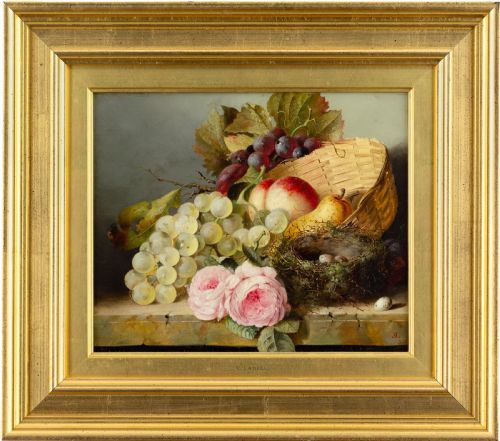
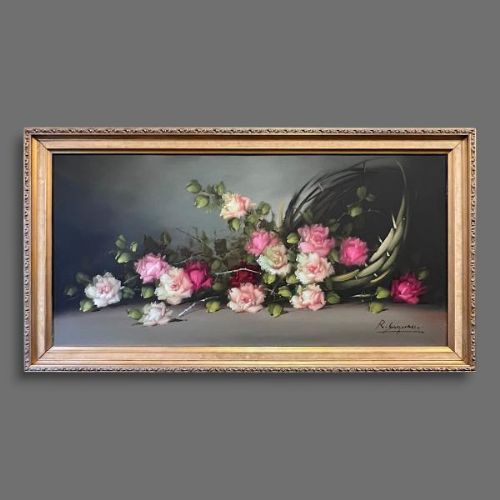
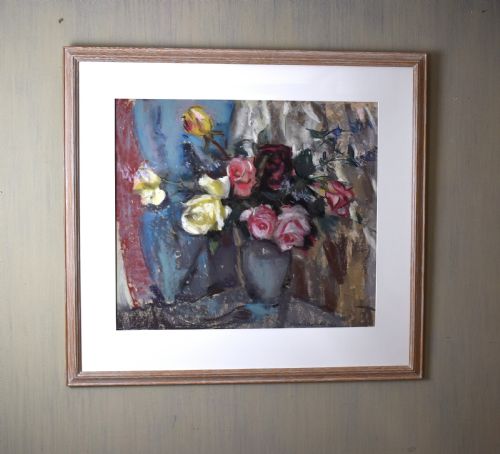
A pink rose still life brings botanical beauty indoors through painted studies of blooms arranged in vases, bowls, and baskets. The selection spans 19th-century Victorian works, Impressionist compositions, and mid-century interpretations.
Most pieces on this page are oil on canvas, accompanied by watercolours and tempera. These works depict single stems or abundant cascading petals set against draped cloths and simple interiors.
Materials and technique
Artists utilise oil paint on canvas or board to build rich textures and tonal depth in petal formations. Watercolours on paper capture lighter, translucent effects for more delicate compositions.
Frames play a significant role, with gilded wood and gesso frames providing period ornamentation. Wood structures house the canvas securely while enhancing the visual weight of the artwork.
The listings combine 19th-century Victorian oils with mid-century tempera, watercolour, and pastel works.
What varies in quality
The finesse of brushwork distinguishes exceptional studies from simpler decorative pieces. Mastery in rendering light upon petals and foliage creates a convincing sense of volume and life.
The preservation of the pigment and the condition of the original giltwood frame influence the overall integrity of the piece. Balanced composition and harmonious colour relationships elevate the artistic merit.
Konstantin Stoitzner·Edward Ladell·Stuart Armfield·Lena M Alexander·William Thomas Wood·Jules Felix Ragot
The Pink Rose Still Life Glossary
- Impressionism
- A style focused on capturing light and spontaneous brushstrokes rather than rigid detail. It appears across multiple 19th-century and later works.
- Gesso
- A plaster-like mixture applied to wood frames before gilding. It provides a smooth base for intricate decorative mouldings.
- Tempera
- A permanent fast-drying painting medium consisting of coloured pigment mixed with a water-soluble binder. It offers a distinct matte finish compared to oil.
- Giltwood
- Wood carved and covered with a thin layer of gold leaf or gold paint. Frames of this material frequently accompany antique oil paintings.
Pink Rose Still Life: Frequently Asked Questions
What periods do these paintings come from?
The pieces span from the Victorian era and the 19th century through to mid-century modern examples from the 1950s and 1960s.
Different decades bring distinct framing choices and painting techniques, ranging from detailed Victorian studies to looser Impressionist approaches.
How were these artworks created?
Artists primarily worked with oil paint on canvas, though watercolours, pastel, and tempera also appear in the selection.
Many retain their original gilded wood and gesso frames, which complement the floral subjects.
How should I display a still life at home?
These works suit traditional and mid-century interiors alike, anchoring a room with botanical colour and texture.
Ensure they hang away from direct sunlight to protect the pigments and any paper supports used in watercolours.
What subjects accompany the roses?
Compositions frequently include wicker baskets, ceramic bowls, glass vases, and draped fabrics surrounding the blooms.
Some examples also incorporate other fruits or mixed garden flowers alongside the pink roses.