



Impressionist Rose Painting
Impressionist rose painting captures fleeting light and colour on blooms, offering collectors vibrant floral studies that bring warmth to any interior.
Impressionist Rose Painting
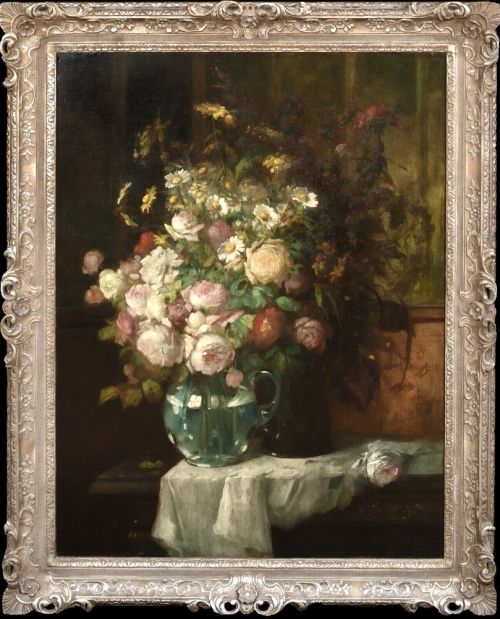
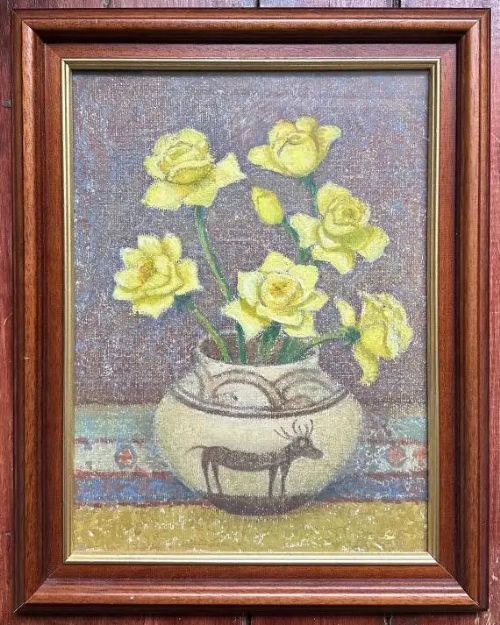
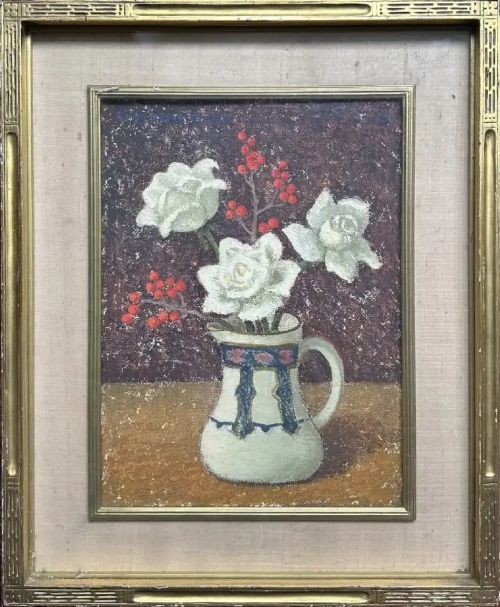
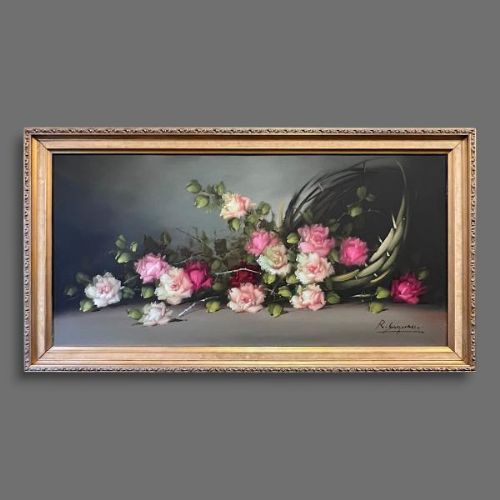
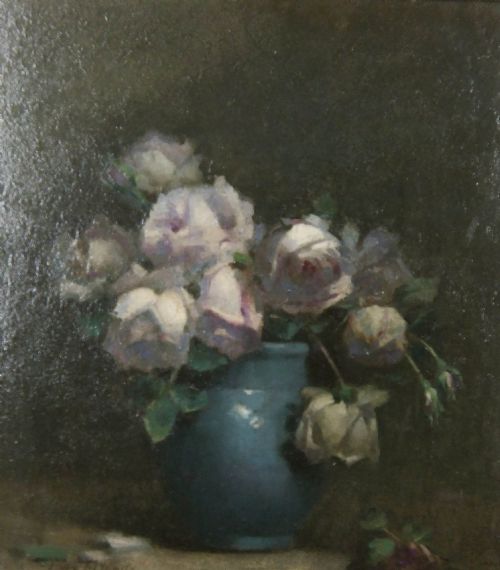
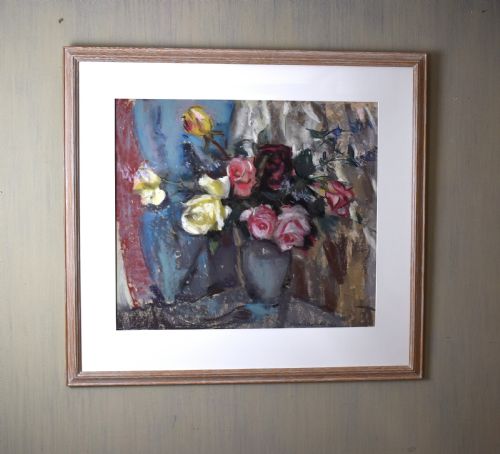
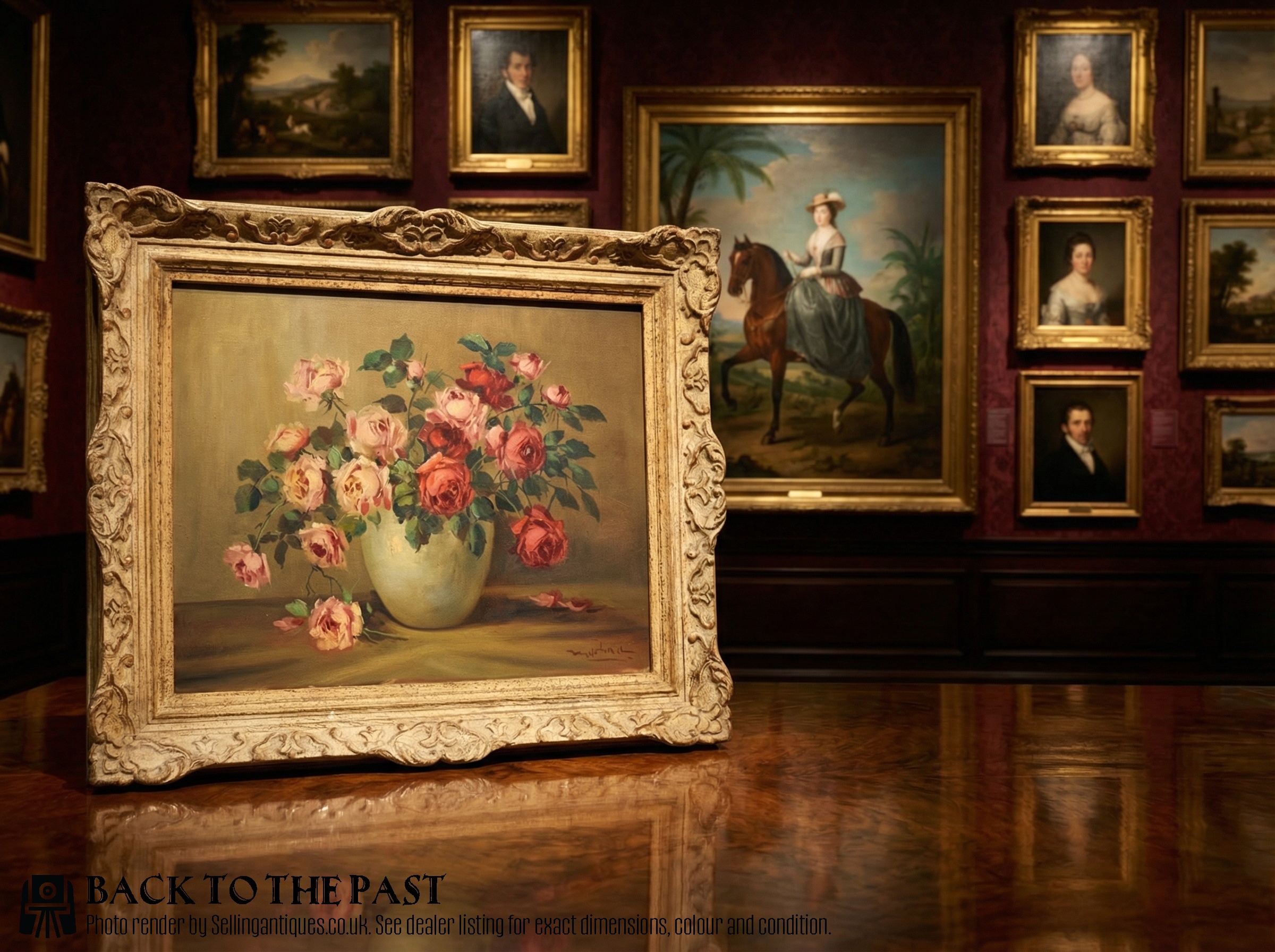
An impressionist rose painting represents floral still life and garden scenes executed with loose brushwork and a focus on atmospheric light. These works capture roses in various settings, ranging from simple vases and hopi pots to wicker baskets and draped cloths.
The pieces appearing on this page span from the nineteenth century through the decades of the twentieth century. British Impressionism, American Impressionism, and French Impressionism form the primary aesthetic traditions of these works.
Makers and artists working within these movements sought to render the transient qualities of natural light upon petals and foliage. Collectors encounter oils on canvas, oil on board, and pastel mediums reflecting these distinct regional schools.
How they were made
Artists built these compositions primarily using oil paint applied to stretched canvas or wooden board surfaces. The application often incorporates impasto technique, where thick layers of pigment create physical texture that catches the light across the rose petals.
Many of these artworks retain their original wooden frames, frequently enhanced with gold leaf, gilded wood, or gilt finishes. These frames were selected to complement the warm palettes and expressive brushstrokes of the central floral subject.
The documented periods span from the nineteenth century through the nineteen-sixties.
What varies in quality
Quality rests upon the confidence of the brushwork and the artist's ability to suggest the ephemeral nature of light rather than rendering botanical precision. Stronger examples display a dynamic handling of paint, particularly in the rendering of impasto textures on the roses and the surrounding foliage.
The integration of the subject with its vessel and background distinguishes superior works from more routine studies. Provenance, historical exhibition records, and association with recognised regional groups also elevate the standing of a piece.
Konstantin Stoitzner·Emma Fordyce MacRae·William Thomas Wood·Lena M Alexander·Ernest Higgins Rigg·Owen Bowen·Jules Felix Ragot
The Impressionist Rose Painting Glossary
- Impressionism
- A nineteenth-century art movement characterised by relatively small, thin, yet visible brush strokes and an emphasis on accurate depiction of light. It emerged in France before influencing British and American artists.
- Impasto
- A technique where paint is laid on an area of the surface in very thick layers, usually thicker than the brush stroke. This method makes the texture of the paint stand out visibly from the canvas.
- Still Life
- A work of art depicting mostly inanimate subject matter, typically commonplace objects which may be either natural or man-made. In these pieces, the focus remains primarily upon arrangements of roses.
- Gilt
- A thin layer of gold or gold-like material applied to wooden frames to give them a decorative metallic finish. This treatment frames the colourful oil pigments effectively.
Impressionist Rose Painting: Frequently Asked Questions
How should I display my impressionist rose painting?
These works benefit from placement in rooms with controlled natural light, away from direct sunlight that might harm oil pigments over time. Neutral wall backgrounds allow the loose brushwork and warm floral tones to stand out effectively.
Matching the frame finish, such as gilded wood or plain wood, to other furnishings helps integrate the painting into the living space. Proper wall anchoring ensures the canvas remains secure and level.
What periods do these paintings come from?
The selections encompass pieces created during the nineteenth century, alongside works dated through the nineteen-tens, twenties, thirties, fifties, and sixties. Each decade brings slight shifts in regional impressionist techniques.
Earlier nineteenth-century works often lean towards traditional academic foundations, while later twentieth-century examples embrace looser modernist interpretations.
How do I care for an oil painting on canvas?
Maintenance requires keeping the canvas in stable environmental conditions with moderate humidity and temperature levels. Dust should be removed gently using a soft, dry brush without applying pressure to the paint surface.
Avoiding moisture and harsh cleaning agents preserves the integrity of both the oil pigments and the underlying canvas support.
What is the difference between oil and pastel rose paintings?
Oil paintings utilise pigment suspended in drying oils, offering rich textures, impasto depth, and long-term durability on canvas or board. Pastels consist of powdered pigment combined with a binder, creating a soft, velvety surface that requires protective glass framing.
Both mediums capture light differently, with oils providing heavier brush presence and pastels offering delicate tonal gradations.