


Pink Rose Oil Painting
A pink rose oil painting brings botanical warmth to a wall, capturing fleeting blooms in lasting pigment.
Pink Rose Oil Painting
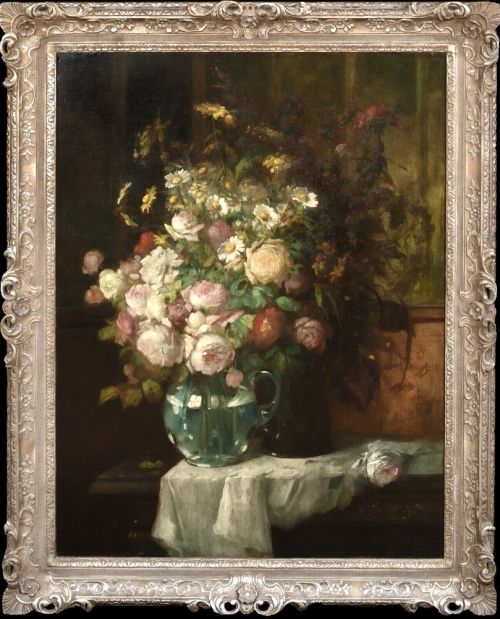
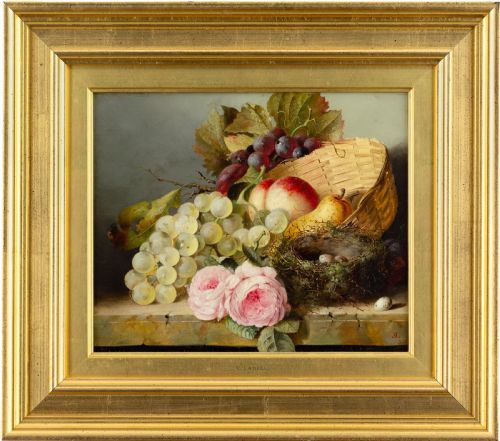
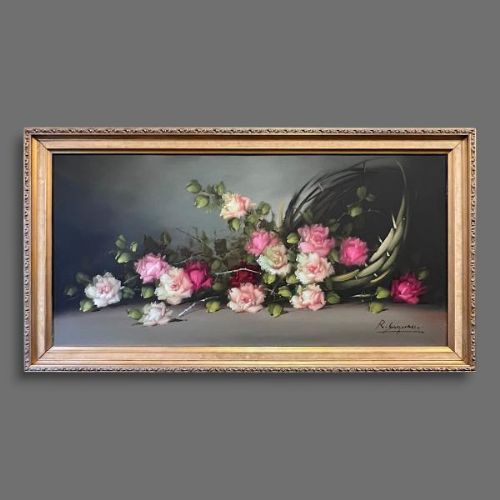
A pink rose oil painting focuses on floral subjects rendered through varied historical lenses, spanning the nineteenth century to the mid-century modern era. These artworks frequently present blooms arranged in bowls, baskets, or glassware, alongside occasional portraiture featuring the flower as a decorative detail.
Victorian examples sit alongside impressionist interpretations from British, French, and Austrian schools. Buyers encounter diverse compositions ranging from tightly detailed studies of petals to looser, textured applications of pigment on canvas.
The objects available encompass straightforward canvas works and pieces housed within decorative frames of gilded wood and gesso. Each item records a specific period's approach to colour harmony and botanical arrangement.
What varies in quality
The handling of light and shadow across the rose petals distinguishes proficient brushwork from standard decorative output. Superior compositions demonstrate a nuanced understanding of tone that creates genuine volume within each blossom.
Framing adds another layer of distinction, where period-appropriate gilded wood and gesso mouldings elevate the presentation. The integration between the canvas and its housing reflects the overall investment made by the original commissioner.
Listings feature oil paint, canvas, gesso, and gilded wood, spanning periods from the Victorian era to the mid-century modern movement.
Konstantin Stoitzner·Edward Ladell·Stuart Armfield·Alfred Seifert·Jules Felix Ragot·André Perrachon·Norman J. Battershill
The Pink Rose Oil Painting Glossary
- Impressionism
- A style focused on accurate depiction of light in its changing qualities, often using visible brushstrokes. This approach appears frequently in nineteenth-century and British works.
- Gesso
- A plaster-like mixture applied to wood frames as a base for gilding. It provides a smooth surface for ornamental moulding.
- Giltwood
- Wood carved and covered with gold leaf or a metallic substitute. This material defines many antique frames.
- Tempera
- A permanent, fast-drying painting medium consisting of coloured pigment mixed with a water-binder. It offers a matte finish distinct from oil.
- Still life
- A work depicting mostly inanimate subject matter, typically commonplace objects. Floral arrangements form a major category within this genre.
Pink Rose Oil Painting: Frequently Asked Questions
How should I hang a framed oil painting?
Secure the piece using appropriate wall fixings that match the weight of the timber and gesso frame. Avoid direct sunlight to protect the pigments from fading over time.
Keep the painting away from major heat sources like radiators to prevent the canvas from drying out or warping.
What periods do these floral artworks represent?
The selection spans from Victorian and nineteenth-century pieces through to mid-century modern examples. Earlier works often lean towards detailed realism, while later items embrace impressionist techniques.
Each era brings distinct framing styles and colour palettes to the canvas.
Are these works painted exclusively on canvas?
While oil on canvas remains the most common format, some artists utilised wood panels or boards as a rigid support. Tempera on board also appears among mid-century examples.
Each material responds slightly differently to environmental changes in the home.
How do I identify a Victorian floral piece?
Victorian examples frequently pair roses with other fruits or foliage in detailed, structured compositions. Heavy gilded wood frames with elaborate gesso ornamentation often accompany these works.
The brushwork tends to prioritise botanical accuracy over loose impressionistic interpretations.