


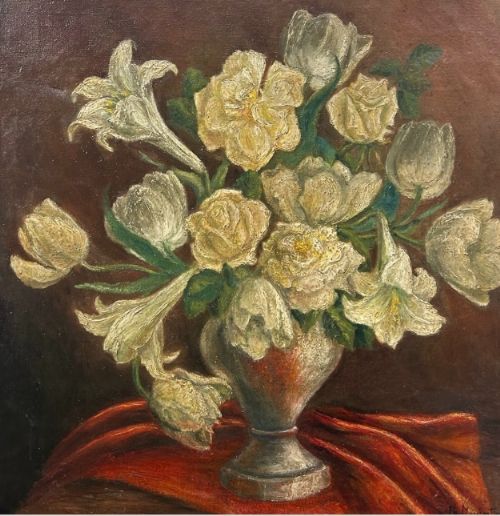


Rose Still Life Canvas
A rose still life canvas brings interior warmth through oil paint and wood framing.
Rose Still Life Canvas
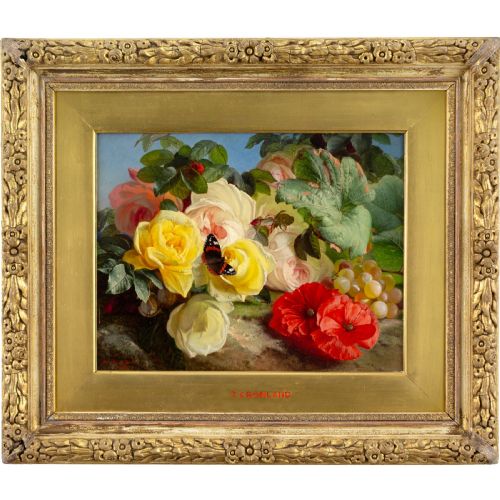
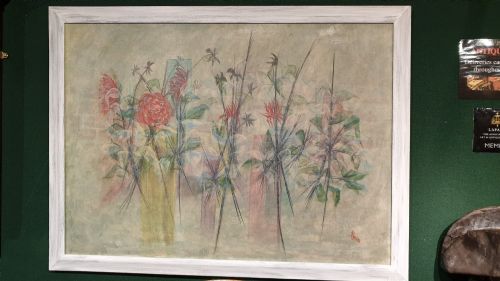
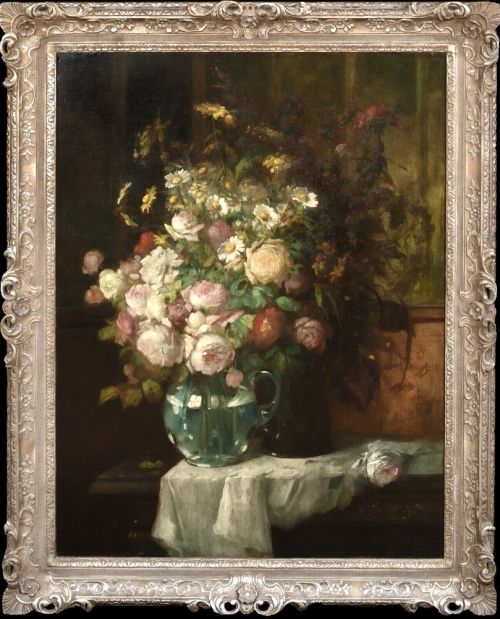
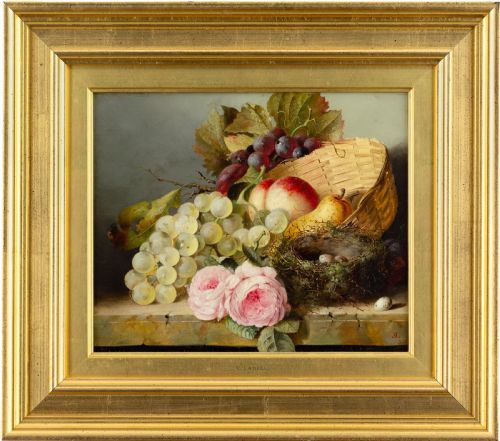
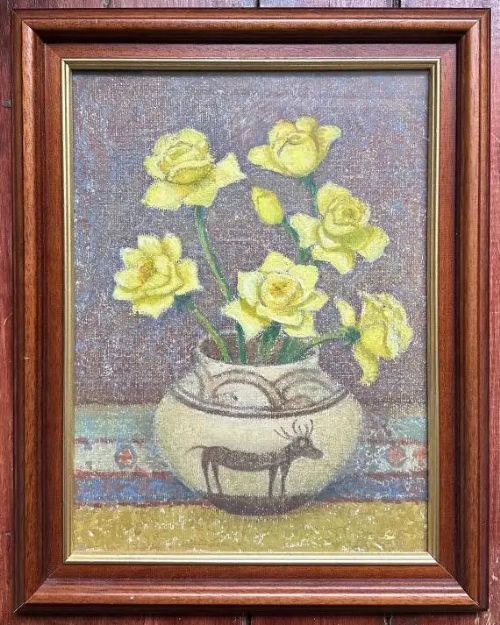
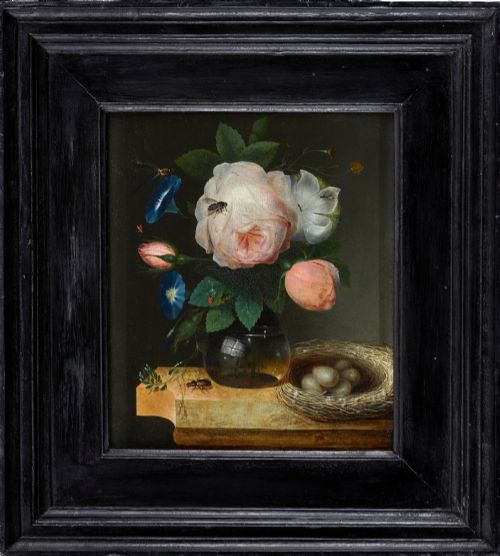
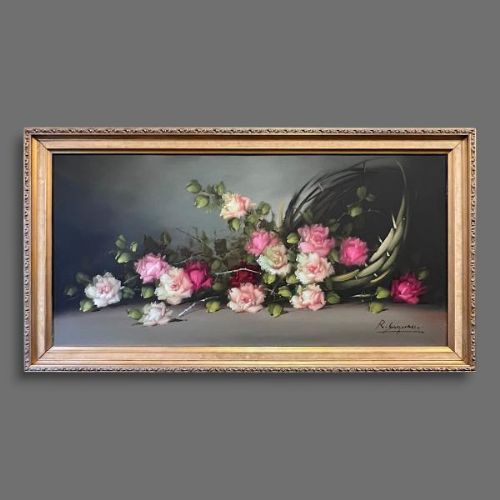
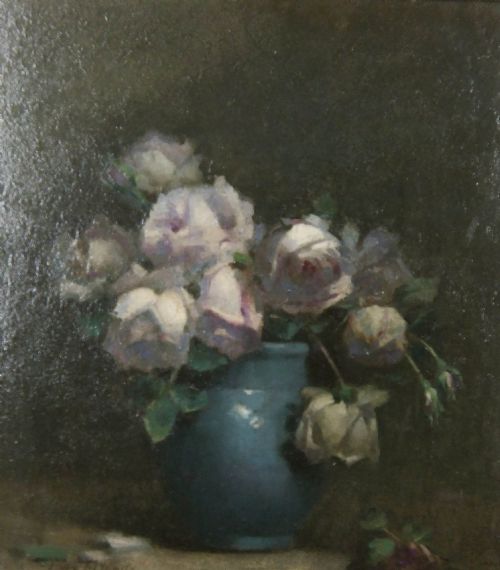
A rose still life canvas captures floral arrangements rendered in oil paint across diverse periods. These pieces range from seventeenth-century compositions to mid-century modernist works.
Buyers encounter Victorian canvases, British Impressionist studies, and Flemish Baroque examples. The selection includes depictions of roses in glass vessels, wicker baskets, and ceramic bowls.
Works appear in various formats, spanning intimate studies and large framed presentation pieces. Painters deploy canvas supports alongside wood and gesso frames to shape the finished object.
How They Were Made
Makers apply oil paint onto woven canvas supports, sometimes utilising wood panels or boards as foundations. Gesso layers prepare surfaces for pigment adhesion, while gold leaf frequently embellishes the surrounding wooden frames.
Artists balance brushwork techniques from realism to impressionism, building up floral textures with layered pigments. Framing materials combine gilded wood and carved mouldings to complement the painted imagery.
Materials recorded across the archive include gesso, gilded wood, oil paint, and woven canvas supports.
What Varies in Quality
Compositional balance distinguishes proficient botanical painting from standard decorative production, evident in the arrangement of blooms, fruit, and vessels. Brushwork handling dictates visual depth, separating flat application from nuanced light play upon petals and leaves.
The integration of original framing materials, such as period gilded wood, affects the integrity of the surviving object. Palette sophistication and tonal control determine the artistic standing within impressionist or realist traditions.
Theude Grönland·Mark Ingram·Konstantin Stoitzner·Edward Ladell·Emma Fordyce MacRae·Gaspar Peeter Verbruggen·William Thomas Wood·Calzolari·Robin MacKertich·Stuart Armfield·L. Wilford·James Stuart Park·Ernest Higgins Rigg·Owen Bowen·Jules Felix Ragot·Louise Perman·John Fitz Marshall·G Stainton·Marthe Barbaud-Koch·Willy van Riet·Luciano Guarnieri
The Rose Still Life Canvas Glossary
- Canvas
- Woven fabric, typically linen or cotton, stretched across a wooden frame to serve as a painting surface. It provides the foundational tension required for oil paint application.
- Gesso
- A traditional paint mixture consisting of a binder mixed with chalk, gypsum, or pigment used to prepare wood or canvas surfaces. This preparation creates a smooth, absorbent ground for oil paint.
- Flemish Baroque
- An artistic style originating in Flanders during the seventeenth century characterised by dynamic composition, rich colour, and detailed realism. Works in this tradition often depict elaborate floral arrangements alongside objects like glass vases.
- Impressionism
- A nineteenth-century painting style focused on capturing light and its ephemeral qualities using visible brushstrokes. Practitioners prioritise atmospheric effects over microscopic detail in floral studies.
- Gilded Wood
- Timber surfaces coated with a thin layer of gold leaf or gold paint. This technique enhances frames surrounding fine art paintings.
Rose Still Life Canvas: Frequently Asked Questions
How do I date a canvas?
Dating relies on canvas preparation, stretcher construction, and stylistic markers inherent to specific periods like the Victorian era or mid-century modern movement.
Examining the reverse side often reveals framer stamps, artist signatures, or aged wooden wedges that provide chronological context.
Are these paintings original?
The inventory comprises original hand-painted works executed in oil upon canvas rather than modern reproductions or printed giclées.
Brushstroke topography and paint shrinkage patterns visible under magnification confirm authentic hand application.
How should I clean the surface?
Professional conservation standards advise against liquid cleaning agents or amateur intervention on aged oil paintings.
Dust accumulation requires gentle removal with a soft, dry brush by a trained conservator to prevent varnish damage.
What frames are original?
Period frames often display matching wear patterns, corner construction techniques, and gilding methods consistent with the creation date of the canvas.
Later replacement frames usually exhibit mismatched joinery or modern hardware securing the painting.