



French Style Floral Painting
French style floral painting brings together delicate botanical subjects and decorative furnishings rooted in nineteenth-century continental taste.
French Style Floral Painting
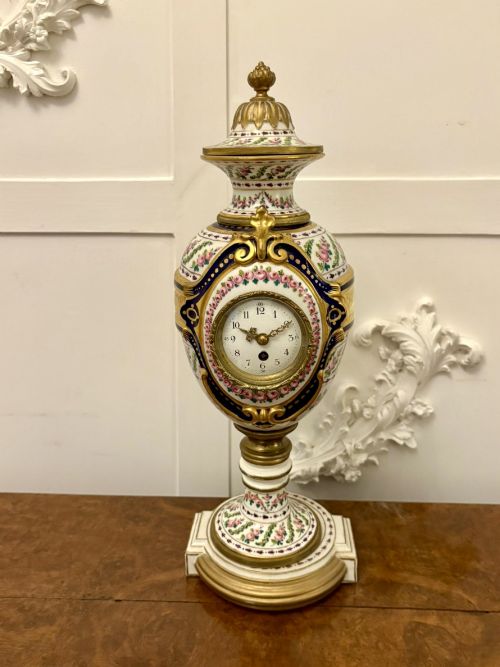
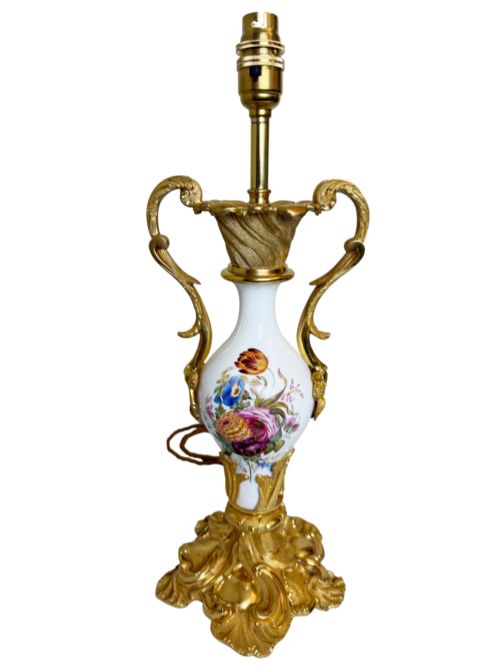
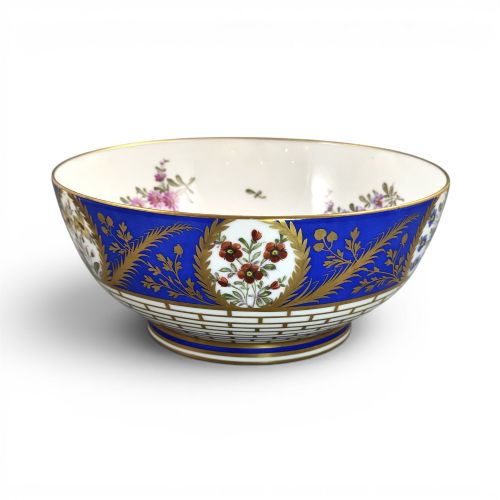
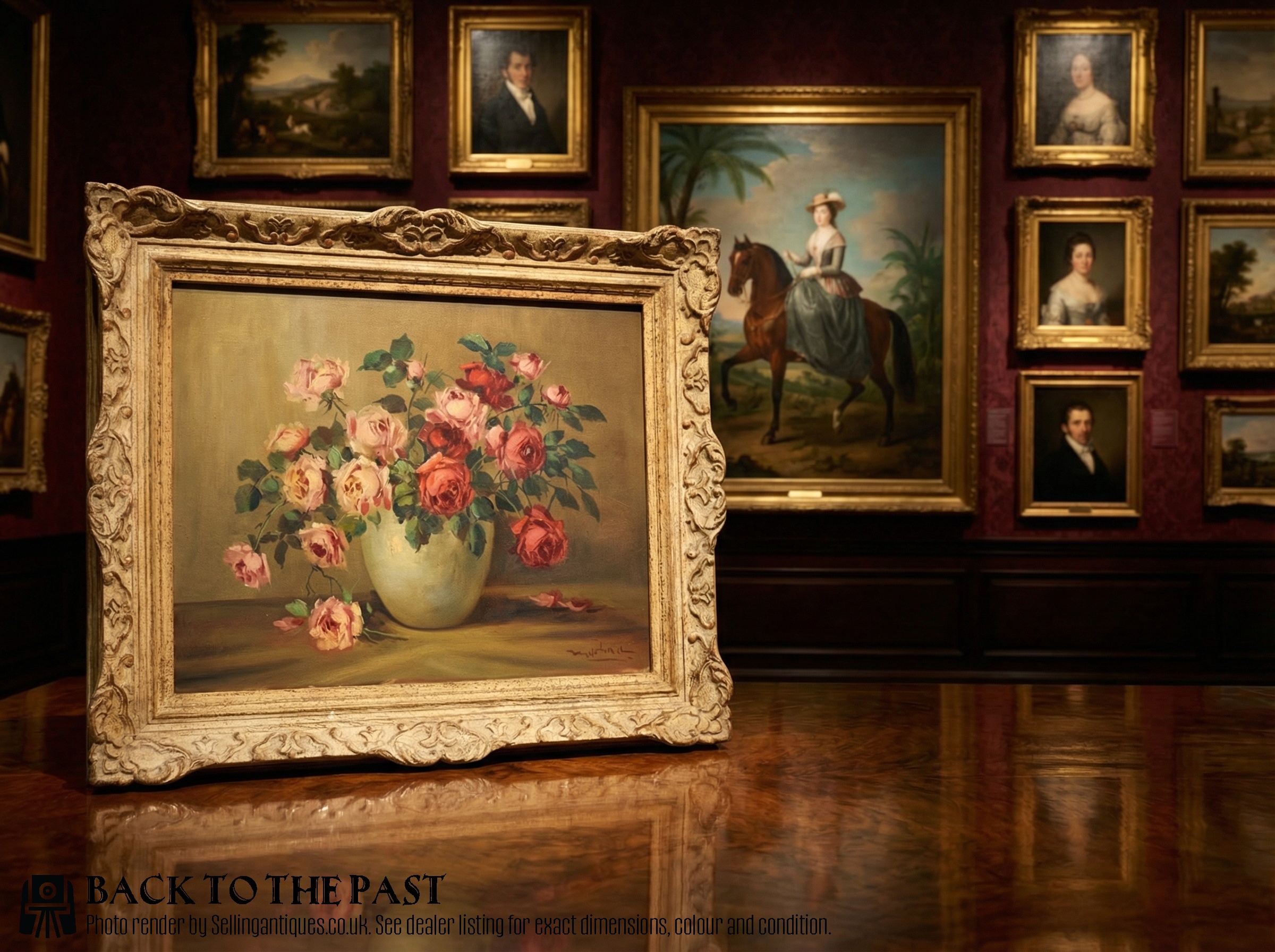
French style floral painting encompasses oil canvases depicting still lifes of roses and water lilies, alongside hand-painted porcelain urns, vases and mantle clocks featuring botanical motifs. These items emerge predominantly from the nineteenth century, spanning periods from eighteen-eighty to nineteen-hundred, with occasional expressions extending into the early decades of the twentieth century.
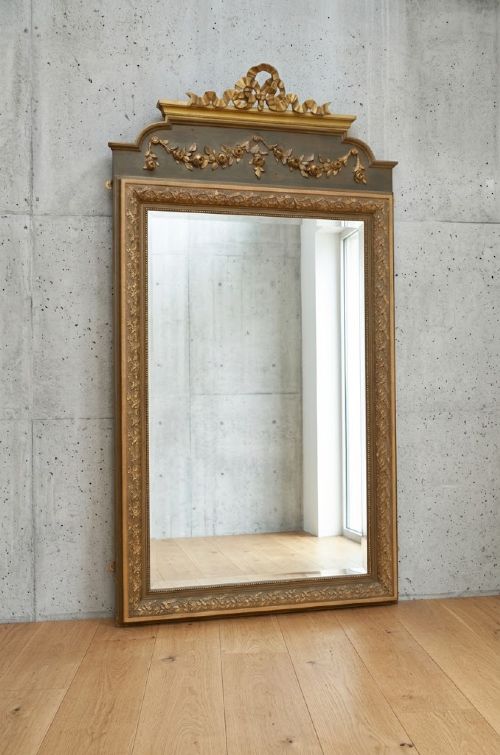
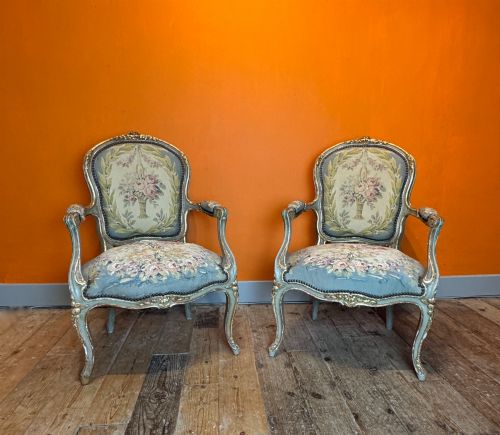
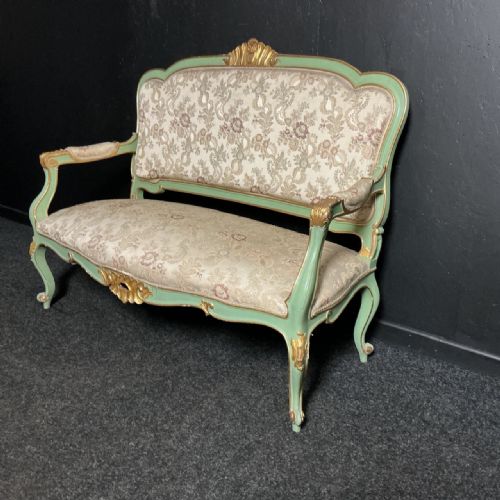
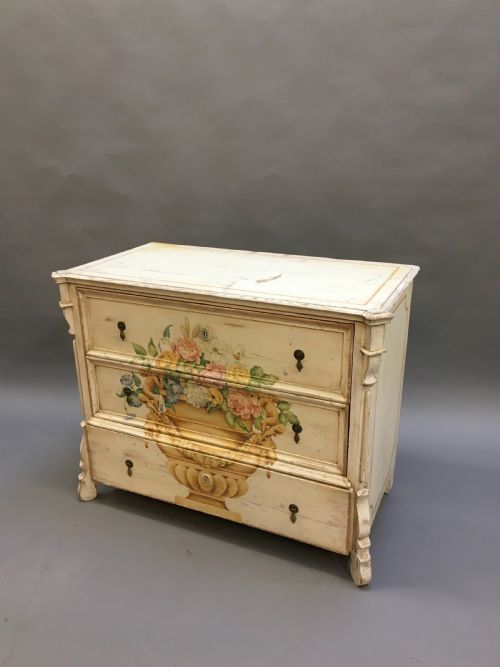
Buyers encounter these works across various decorative objects, including painted mirrors, cabinets, armchairs with needlepoint panels, and dedicated floral canvases. The aesthetic draws heavily from revival movements such as Rococo and Louis Sixteenth styles, blending ornate framing with naturalistic plant depictions.
How they were made
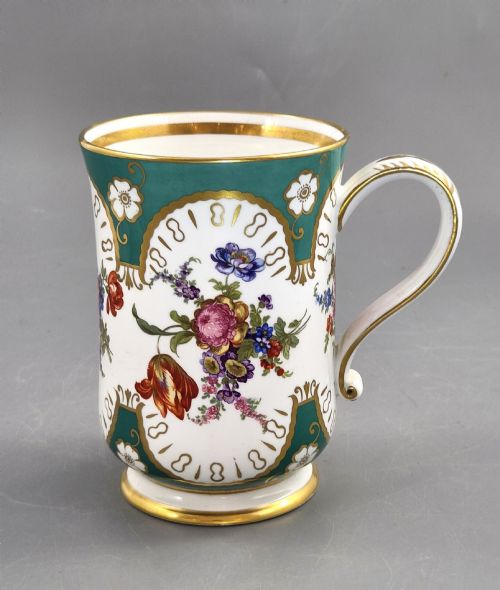
Makers utilised traditional oil paints on canvas for pictorial works, while three-dimensional objects relied on porcelain bodies decorated with hand-painted enamel colours. Gilding with gold leaf and ormolu mounts frequently enriched the wooden frames, bronze fittings and ceramic surfaces.
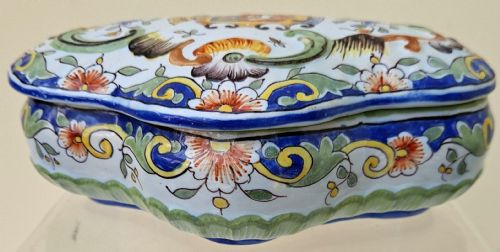
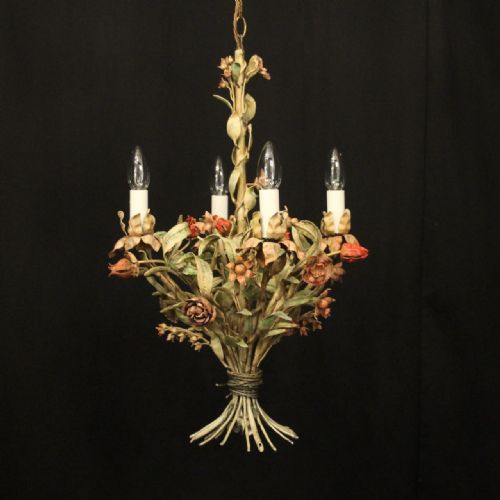
Woodwork relied on painted finishes, satinwood veneers and carved details to support the prevailing chateau and provincial aesthetics. Artisans applied polychrome pigments by hand across toleware chandeliers, faience boxes and porcelain tea services.
Even a painted bed once starred in film production.
What varies in quality
The sophistication of the brushwork defines the upper tier of pictorial works and hand-painted ceramics, where fine detail in petal structures and natural colour blending elevates the piece. Lesser examples display heavier, more mechanical application without the nuanced shading seen in masterworks.
Materials and structural execution separate standard production from superior items, particularly in the crispness of carved wooden frames, the weight of cast ormolu mounts, and the preservation of original painted surfaces on furniture.
Samson·Jacob Petit·Pierre Joseph Redoute
The French Style Floral Painting Glossary
- Toleware
- Painted or lacquered metalware, typically tin or sheet iron, shaped into chandeliers and decorative vessels. Artisans decorated these items with polychrome floral motifs.
- Ormolu
- Gilded bronze mounts applied to furniture, clocks and porcelain objects. This technique provided ornamental metal highlights during the eighteenth and nineteenth centuries.
- Bergere
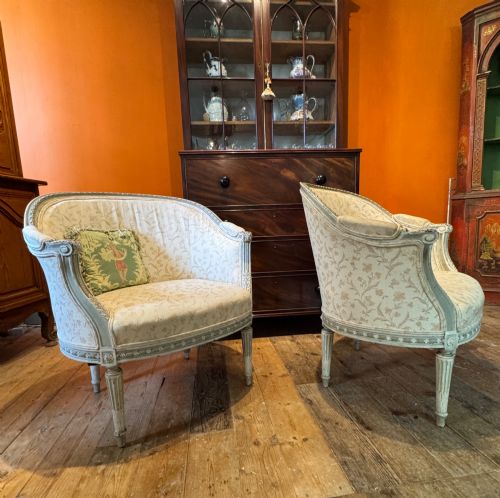
- An enclosed upholstered armchair with wooden framing and upholstered sides. These seats frequently featured painted finishes and decorative textile panels.
- Faience
- Tin-glazed earthenware produced in European potteries. These glazed vessels often carried hand-painted surface decorations.
- Vernis Martin
- A simulated Japanese lacquer technique developed in France. Furniture and occasional tables utilised this glossy finish to mimic Asian lacquerwork.
French Style Floral Painting: Frequently Asked Questions
What periods do these pieces date from?
The listings span the nineteenth and early twentieth centuries, with significant representation from eighteen-eighty to nineteen-hundred. Pieces also draw upon earlier eighteenth-century revival aesthetics.
Craftsmanship from these decades reflects established European manufacturing traditions, particularly in porcelain production and decorative painting.
How were painted porcelain items used?
Porcelain urns, cabinet mugs and vases functioned primarily as decorative garnitures on mantlepieces and display tables. Tea services served formal dining rooms during the nineteenth century.
These ceramic items combined utility with intricate floral artistry suited to wealthy domestic interiors.
How do I care for painted wooden furniture?
Maintain painted surfaces by dusting gently with a dry, soft cloth and avoiding chemical cleaning agents. Protect pieces from direct sunlight and humidity fluctuations.
Preserving original paint finishes requires stable environmental conditions to prevent flaking or cracking.
What distinguishes Old Paris porcelain?
Old Paris porcelain originates from various independent workshops operating in and around Paris during the eighteenth and nineteenth centuries. These pieces are characterised by generous gilding and hand-painted floral designs.
They often mimic the refined output of royal factories while maintaining distinct decorative flourishes.