
Traditional English Clock
Traditional English clock pieces bring mechanical precision and historic timber into a room, spanning longcase, bracket and wall designs from Georgian and Victorian workshops.
Traditional English Clock
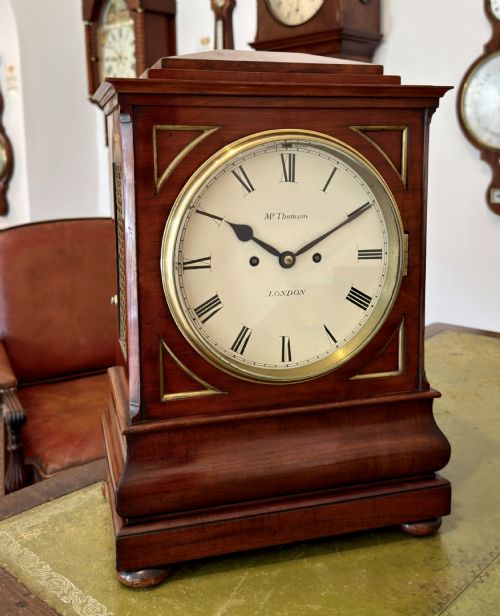
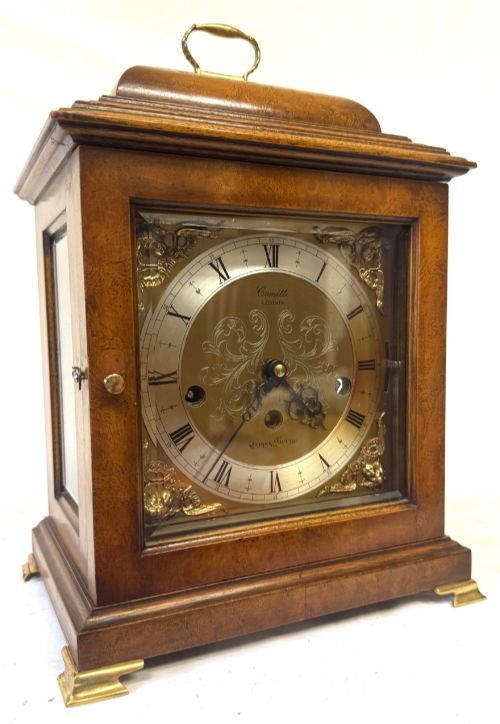
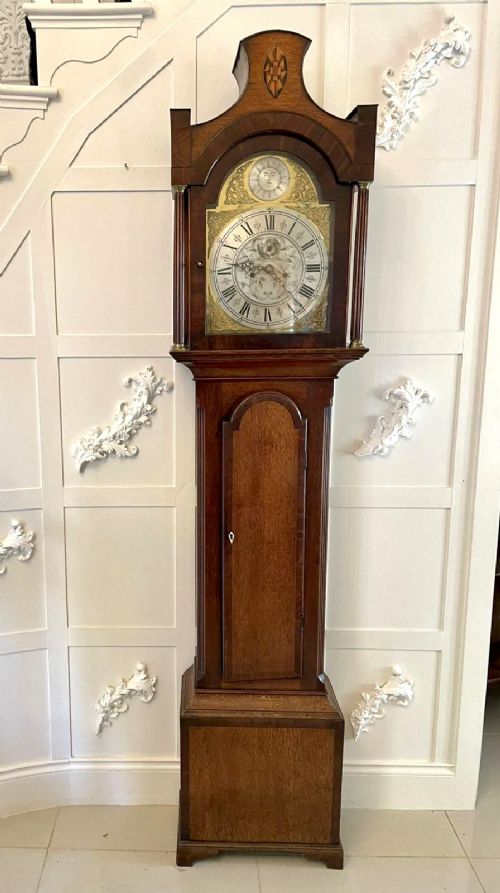
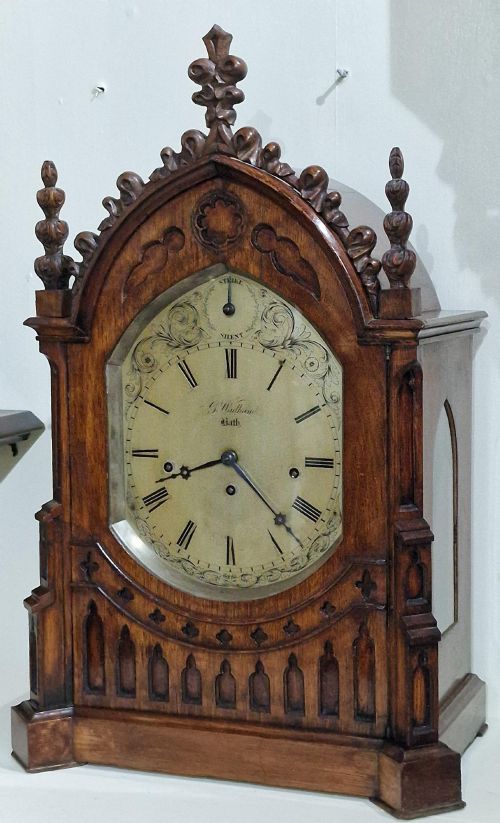
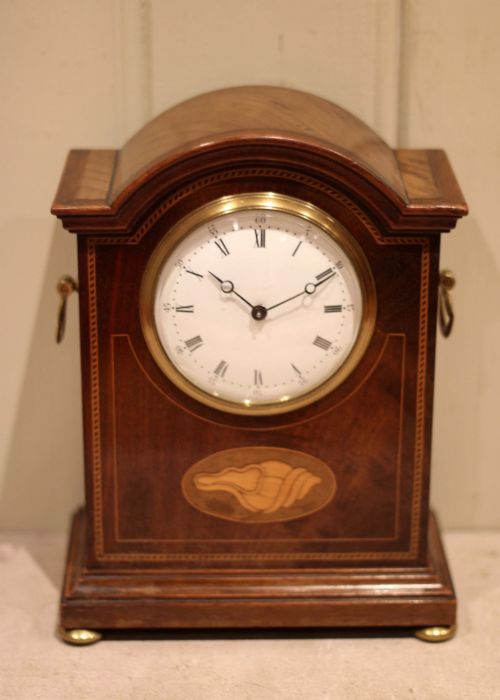
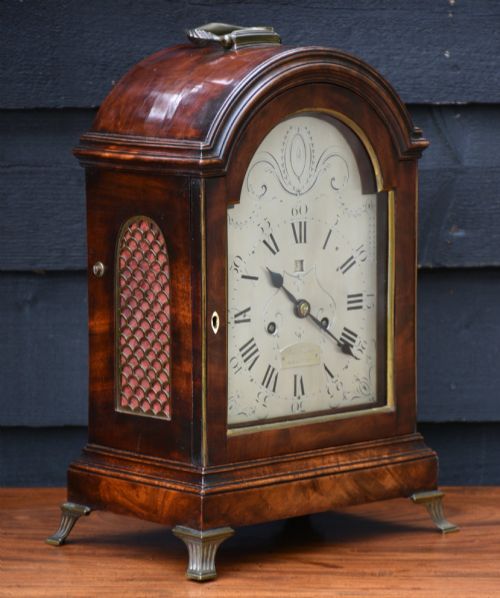
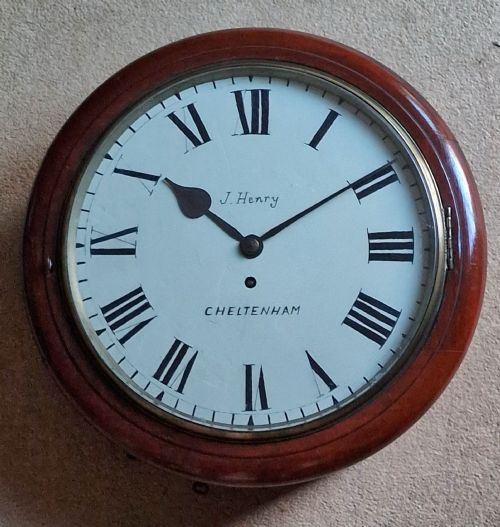
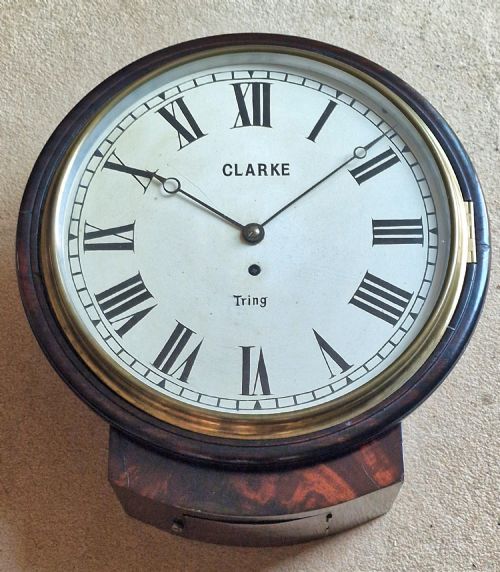
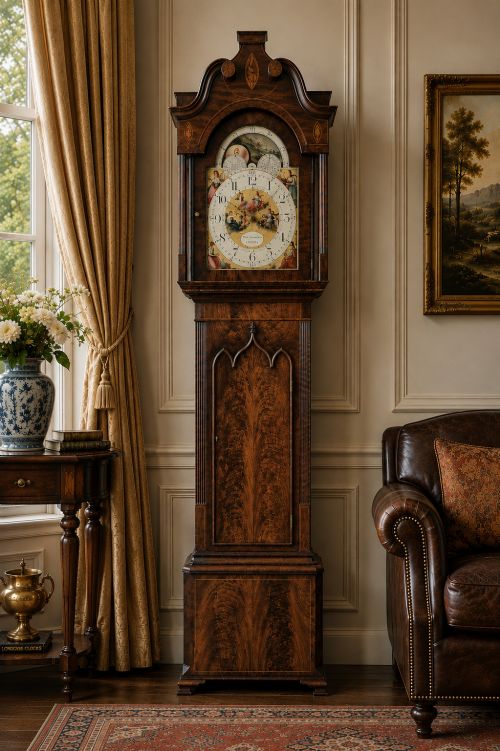
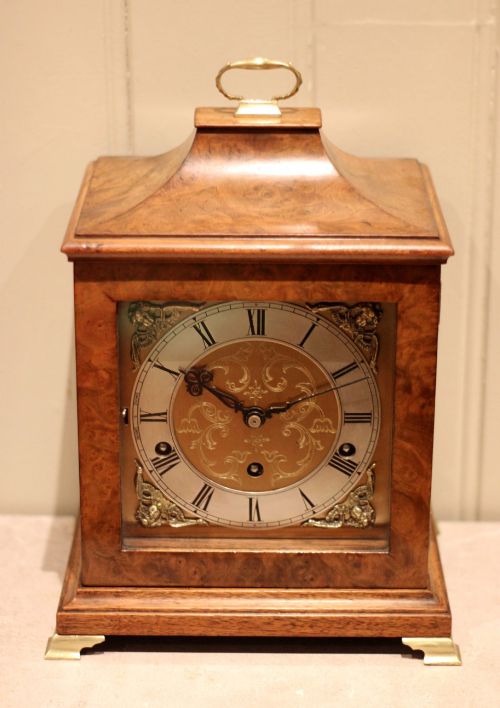
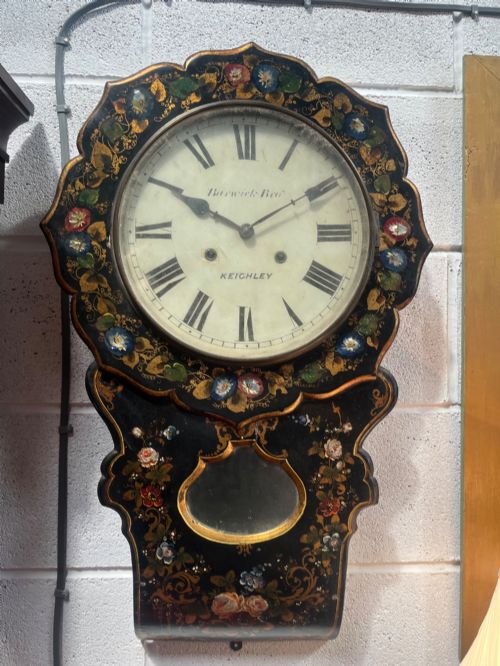
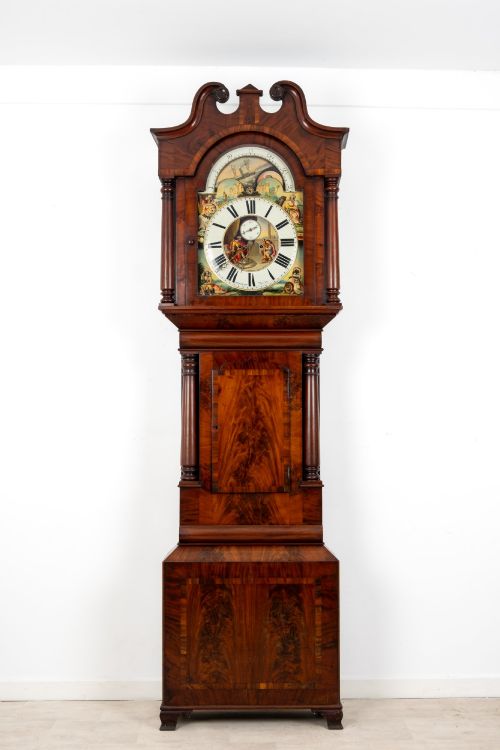
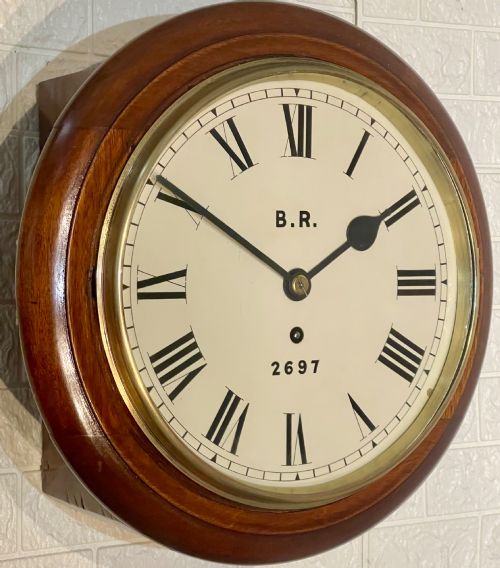
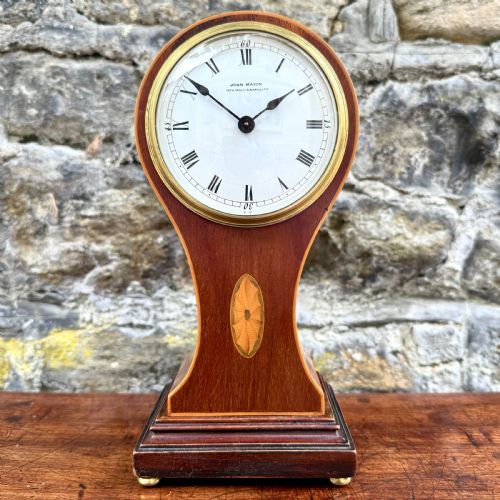
A traditional English clock functions as both a timekeeper and a substantial piece of furniture, utilising forms such as grandfloor longcase clocks, mantel clocks, bracket clocks and wall-hanging dial clocks. When searching for a traditional English clock, buyers encounter examples originating primarily from the Georgian, Victorian, Regency and Edwardian eras, constructed in Britain by known provincial and London makers.
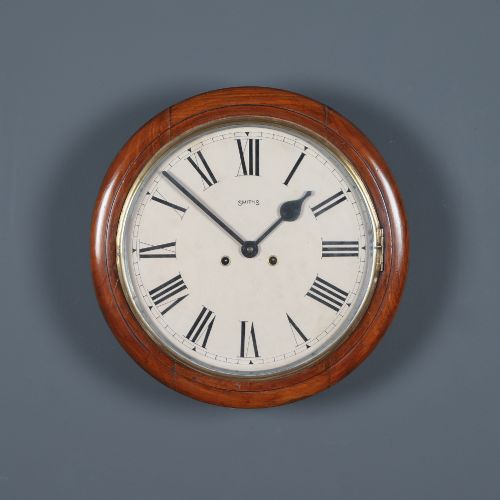
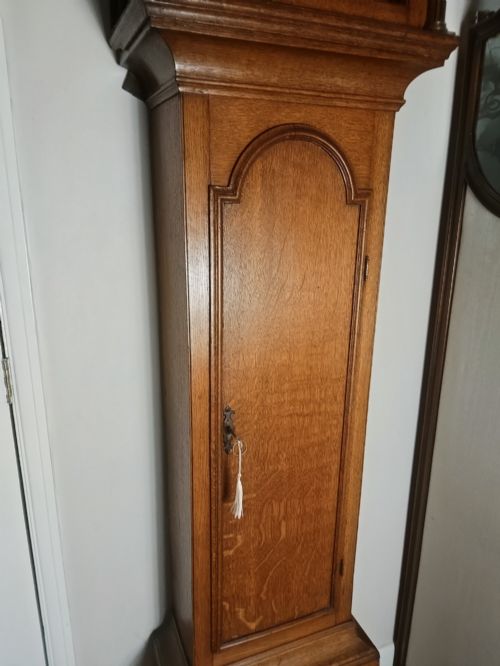
The selection ranges from tall oak and mahogany longcase clocks housing eight-day brass or painted dials to compact mahogany bracket clocks and railway dial wall clocks in oak cases. These domestic and public timepieces reflect centuries of horological practice, utilising mechanical fusee and verge movements housed in traditional timber housings.
Materials and construction methods
Clockmakers utilised dense cabinet timbers including mahogany, oak, burr walnut and rosewood to construct the cases, often incorporating glass panels, brass bezels, painted enamel dials and cast iron components. Longcase and bracket clock cases frequently feature fine grain selection and polished finishes, while wall and dial clocks rely on robust wooden backboards and bezels suitable for daily hanging.
Movements incorporate brass plates, steel pivots, iron arbors and weighted or spring-driven power sources, operating via anchor escapements, fusee cones or verge mechanisms. Dials are constructed from brass plates with engraved numerals, or iron discs finished with painted decoration and minute tracks.
Traditional English Clock Retail Price Guide 2026
Typical asking prices for traditional english clock among the pieces listed under this phrase on Sellingantiques today, from the lower quarter to the upper quarter. They describe what is for sale here now, not the wider market.
Listings feature oak, mahogany and burr walnut alongside brass and enamel materials across Victorian, Georgian and Regency periods.
Distinctions in horological and cabinet quality
Quality in a traditional English clock rests upon the execution of the internal movement and the crispness of the cabinetwork. Fine examples demonstrate clean wheel-cutting in the fusee or gear train, inscribed maker signatures on the brass backplate or dial, and well-proportioned timber cases with matched veneers.
Simpler dial clocks made for railway stations or schools prioritise clear enamel faces and robust oak or mahogany frames for public utility, whereas domestic bracket and longcase clocks display elaborate architectural mouldings, moonphase complications and chime mechanisms by notable makers.
Thomson of London·Comitti Of London·George Wadham Bath·George Clarke Tring·Samuel Kellett of Bredbury·Mappin and Webb·Parkinson Bros Batley·Barwise London·Ellicott and Smith·John Spershott Titchfield·L Vick of Stroud·Webster Cornhill London·Spurge Dunmow·Joseph Bird of Stroud·Thomas Hedge of Colchester·John Morley·Thwaites London·Thomas Moss
The Traditional English Clock Glossary
- Fusee
- A conical pulley used in spring-driven clocks to maintain an even pull as the mainspring unwinds. This device ensures consistent timekeeping power throughout the eight-day or thirty-hour cycle.
- Verge
- An early escapement mechanism employing a crown wheel and pallets attached to a vertical rod. It governs the speed of the gear train in older wall and bracket clocks.
- Longcase clock
- A tall pendulum clock housed in a wooden floor-standing case, commonly called a grandfather clock. These housing structures protect the weighted movement and allow the pendulum to swing freely.
- Bracket clock
- A portable table or shelf clock traditionally designed with a carrying handle or architectural top. They frequently sit upon matching wooden brackets or furniture surfaces.
- Moonphase
- A rotating dial mechanism displaying the lunar cycle alongside the standard time. It tracks the phases of the moon through a painted aperture on the clock face.
Traditional English Clock: Frequently Asked Questions
What is a fusee movement?
A fusee movement employs a conical pulley connected to the mainspring via a cord or chain. This mechanical device equalises the diminishing torque of the spring as it runs down.
Such mechanisms indicate higher quality British clockmaking, ensuring the timepiece maintains accurate momentum across its operating cycle without losing speed.
How do I wind an eight-day clock?
An eight-day clock requires a winding key inserted into the dial holes to lift internal weights or tension the mainsprings. Care must be taken not to overwind the movement past the natural stop.
Most traditional mechanisms operate reliably when wound at consistent weekly intervals using measured turns of the key.
Where were longcase clocks placed?
Longcase clocks historically stood in the hallways, stairwells or principal reception rooms of domestic homes to provide an audible strike and visible time for the household.
Their tall wooden cases required stable floor surfaces away from direct dampness to keep the pendulum swinging truly and the timber stable.