
Traditional Drop Leaf Table
A traditional drop leaf table is a versatile surface with hinged flaps that fold down, offering compact storage and expanded room when needed.
Traditional Drop Leaf Table
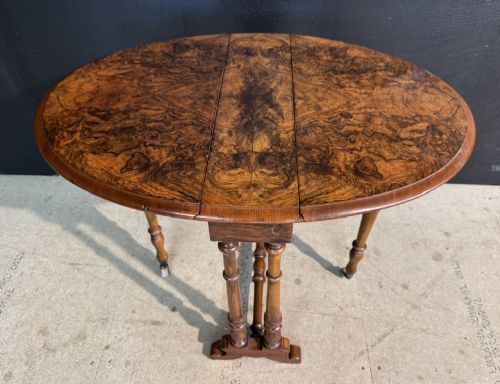
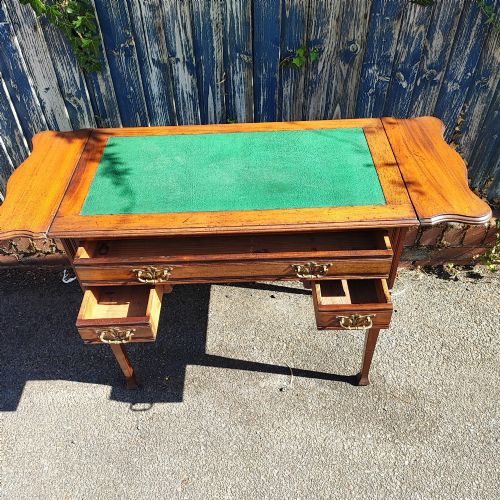
When you search for a traditional drop leaf table, you encounter various forms designed for dining, side use, or writing. The selection spans centuries from the 17th century through the Georgian, Victorian, and Edwardian periods.
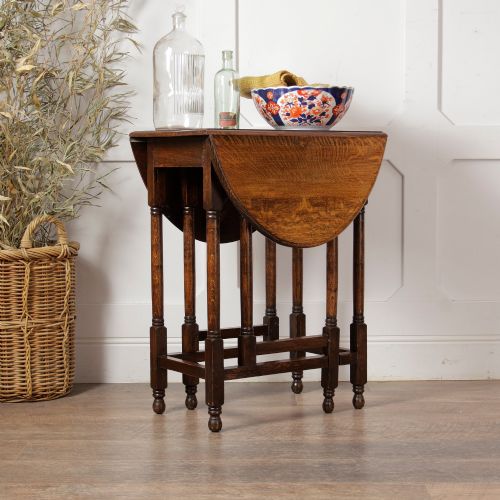
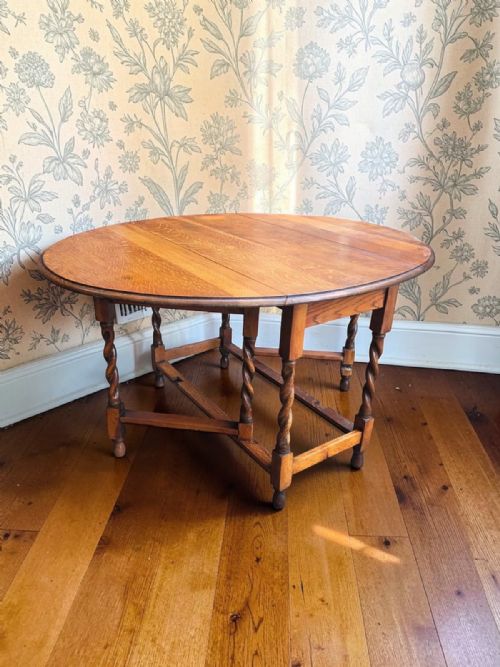
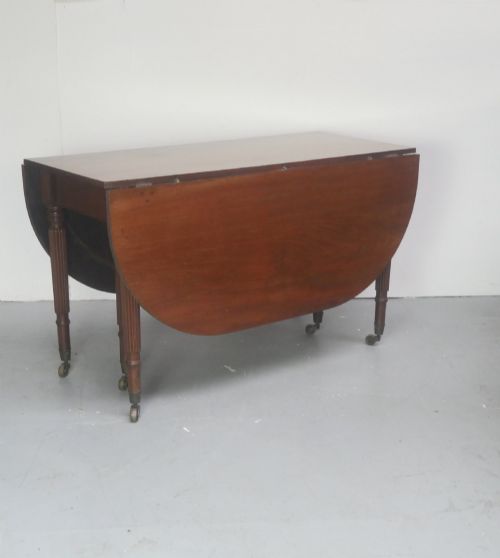
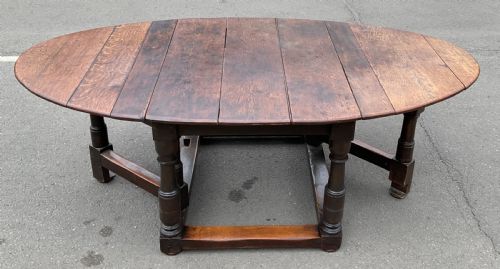
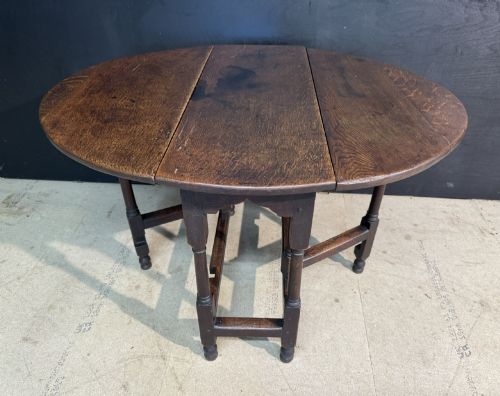
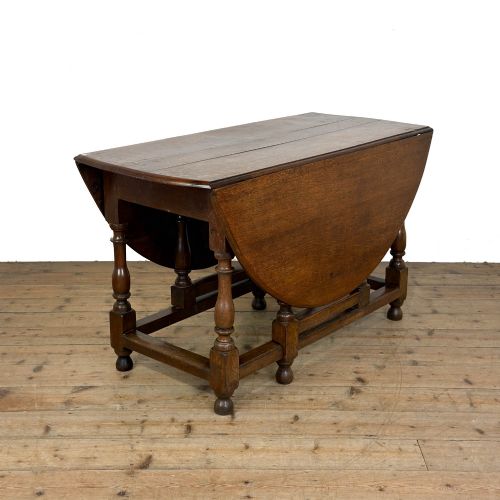
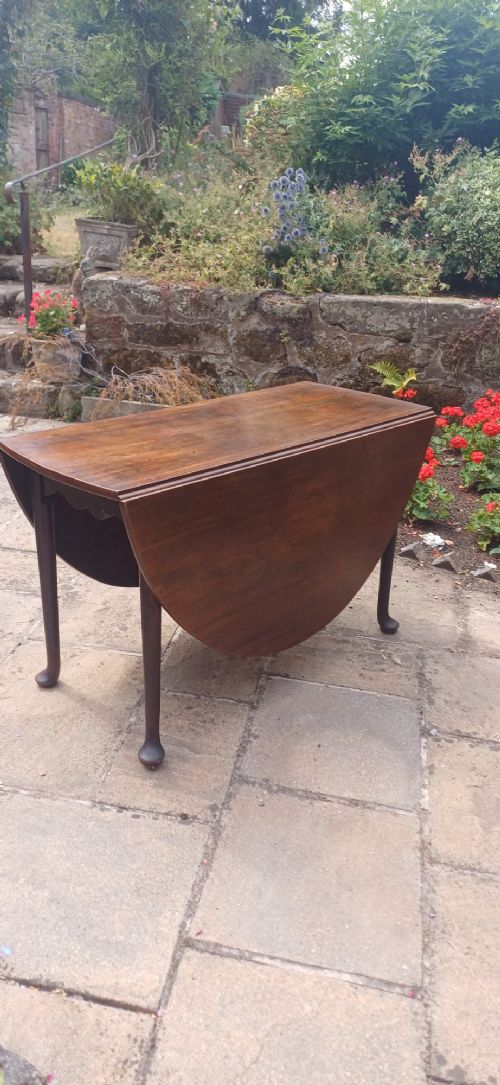
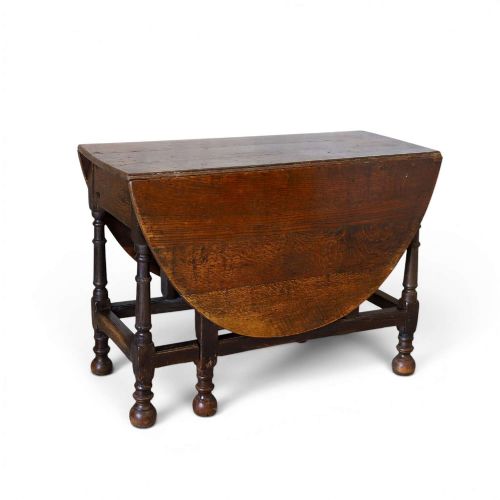
Gateleg tables in solid oak dominate the early pieces, featuring pivoting legs that swing out to support the extended leaves. Mahogany versions emerge strongly in the Georgian and Victorian eras, often taking the form of Pembroke or dining tables.
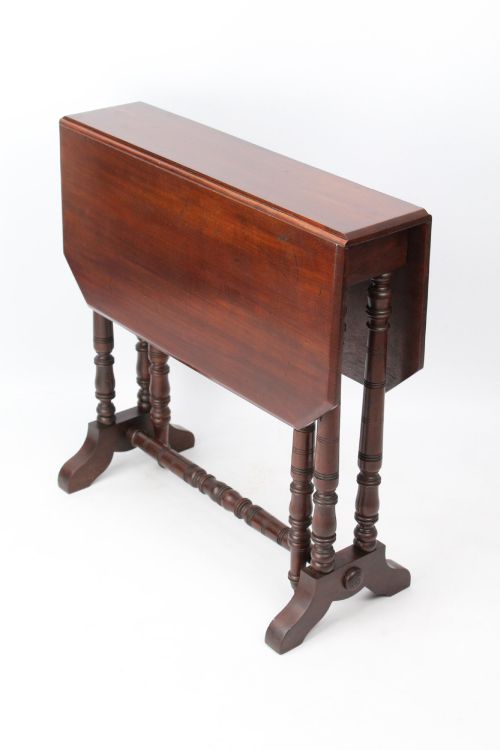
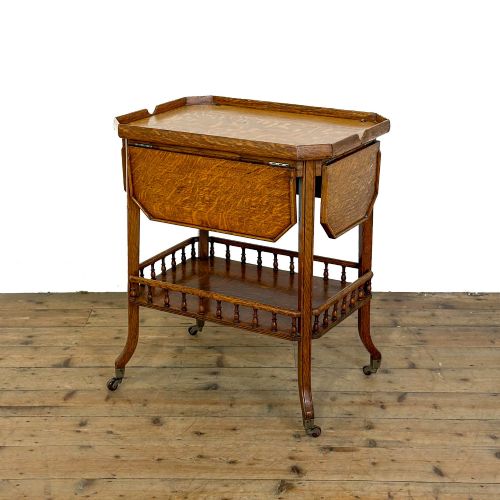
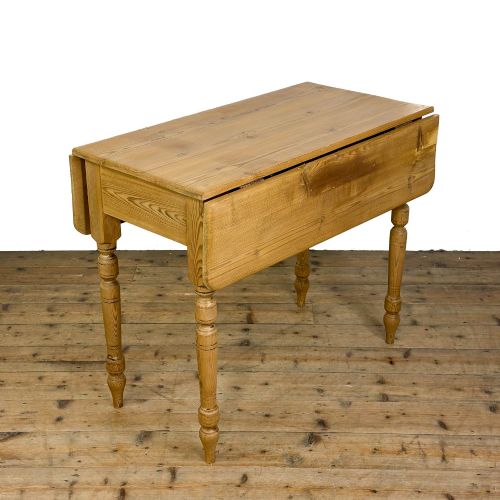
Smaller examples include Sutherland tables and tea trolleys designed for occasional use in domestic spaces. These pieces combine practical folding mechanisms with period timbers such as walnut, pine, and mahogany.
What varies in quality
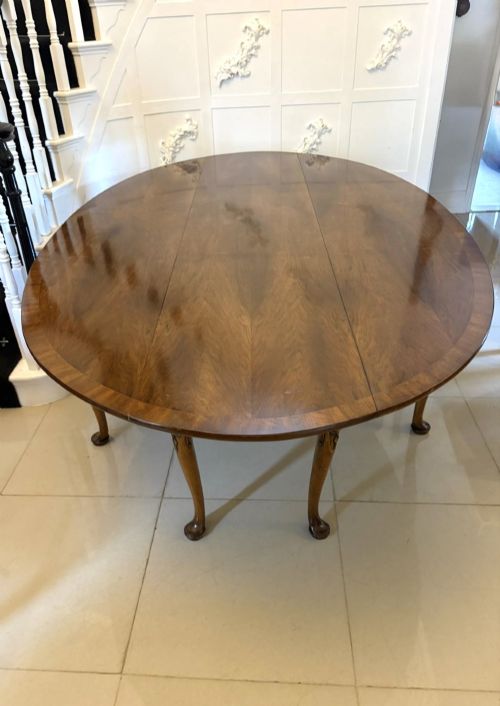
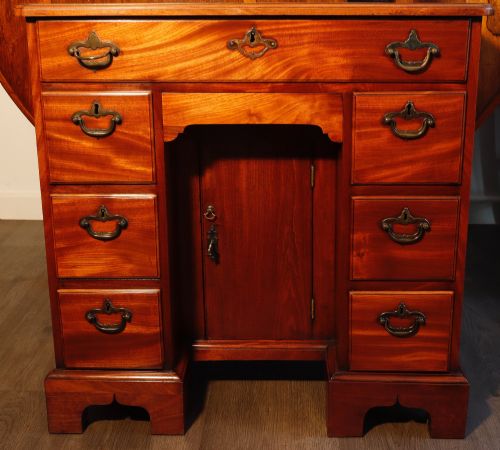
The distinction between standard items and superior examples lies in the selection of timber and the execution of the joints. Figured grain patterns on walnut or mahogany surfaces indicate a more thoughtful choice of material by the maker.
Proportion and stability define the upper tier of these tables, where folding gates operate smoothly without sagging. Original hinges and undisturbed patina contribute significantly to the integrity of older oak and mahogany specimens.
Traditional Drop Leaf Table Retail Price Guide 2026
Typical asking prices for traditional drop leaf table among the pieces listed under this phrase on Sellingantiques today, from the lower quarter to the upper quarter. They describe what is for sale here now, not the wider market.
The listings span from the 17th century to the 1920s, employing primary materials such as oak, mahogany, walnut, and pine.
The Traditional Drop Leaf Table Glossary
- Gateleg table
- A table with hinged leaves supported by one or more legs that swing outward like a gate. This design provides robust support for dining leaves.
- Pembroke table
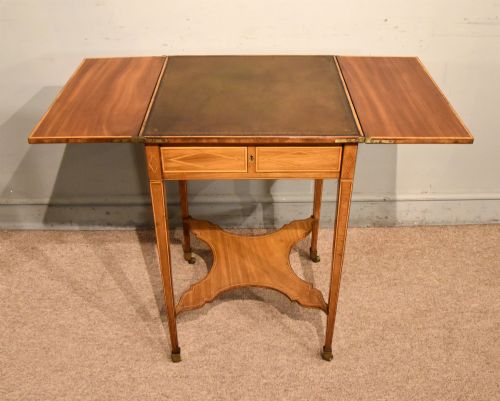
- A small rectangular table with two drop leaves on opposite sides and usually one or two drawers. It originated during the 18th century for breakfast or writing.
- Sutherland table
- A narrow table with exceptionally slender drop leaves that fold down almost vertically. It functions well in restricted spaces.
- Barley twist
- A type of woodturning shaped like a spiral or helix. It appears frequently on the legs of 17th-century and revival oak furniture.
- Patina
- The surface sheen and coloration developed through age, use, and waxing. It reflects the history of the timber over centuries.
Traditional Drop Leaf Table: Frequently Asked Questions
How do I identify a Pembroke table?
A Pembroke table is characterised by two shorter drop leaves on opposing sides of a central top, typically accompanied by a small drawer. They are lighter in construction than dining gateleg tables.
Most examples date from the Georgian and Victorian eras, utilised originally as breakfast or occasional writing surfaces.
Are these tables suitable for daily use?
Solid timber construction in oak and mahogany makes many of these tables robust enough for regular dining or side table functions. Proper care for the surface finish prevents water marks and heat damage.
The folding mechanisms require gentle handling to preserve original hinges and wooden pivot joints.
How do I date an oak drop leaf table?
Dating relies on timber choice, construction joints, and leg turnings such as bobbin or barley twist styles associated with the 17th century. Later revival pieces from the Edwardian period or 1920s imitate these earlier forms.
Examine the underside for hand-cut joints, original wrought iron or brass hinges, and the natural ageing of the wood.