
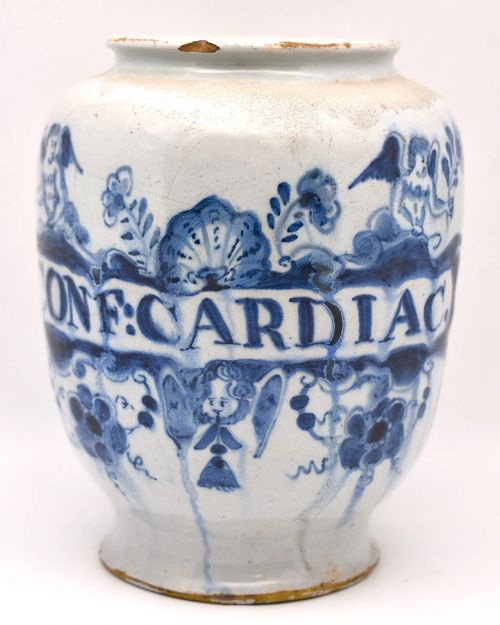


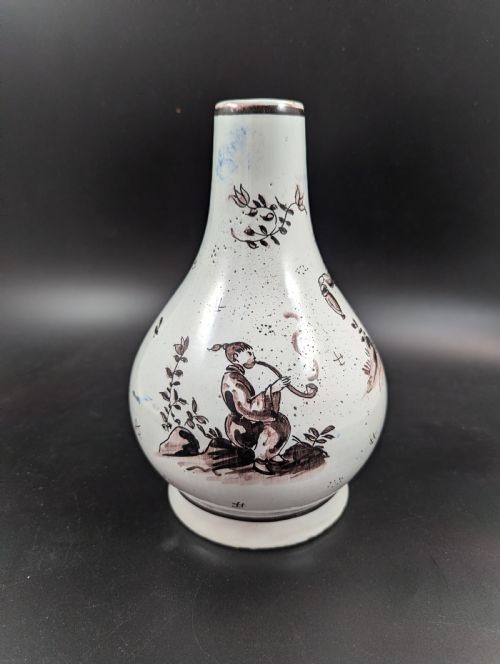
Tin Glazed Earthenware Pot
A tin glazed earthenware pot brings centuries of pigment, tin glaze, and ceramic craftsmanship directly to your interior.
Tin Glazed Earthenware Pot
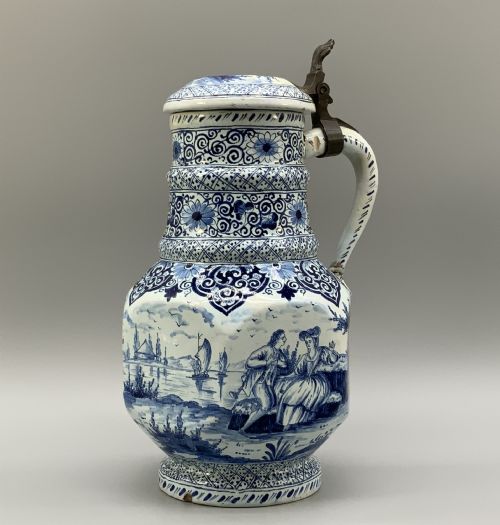
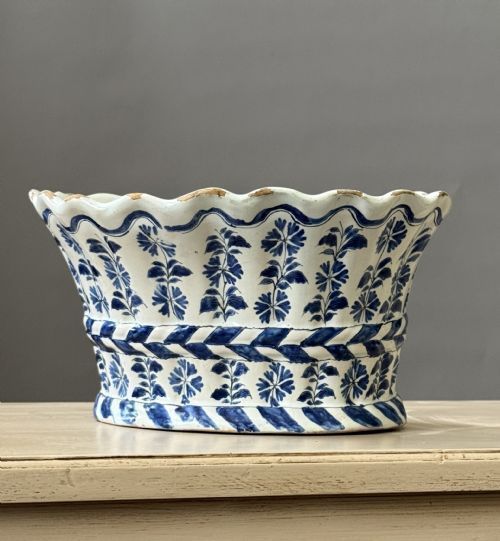
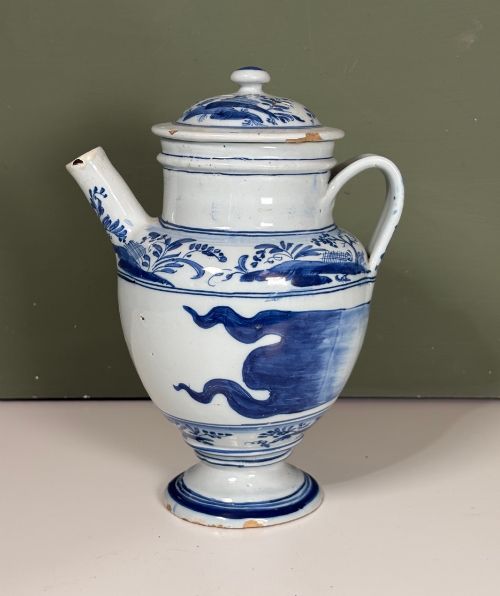
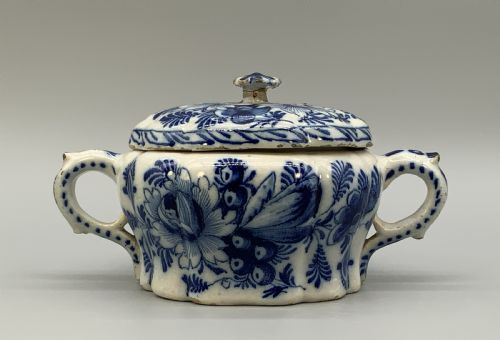
When searching for a tin glazed earthenware pot, you encounter an array of historical ceramic vessels spanning the seventeenth, eighteenth, and nineteenth centuries. These pieces encompass apothecary jars, drug jars, coffee pots, posset pots, bough pots, garden urns, and pitchers originating from English, Dutch, and Italian centres of production.
The seventeenth-century and eighteenth-century examples form the core of this selection, showcasing both blue and white designs and polychrome palettes. Styles range from Dutch delftware and Italian baroque to 18th century English delft and Nevers faience. Each object reflects the utilitarian and decorative domestic or apothecary requirements of its period.
Planters, jardinieres, sweetmeat presentiers, and vases round out the available forms, demonstrating the remarkable versatility of tin glaze over earthenware bodies. Surviving pieces often retain functional additions such as pewter or brass lids, bridging the gap between ceramic art and domestic utility.

What varies in quality
Quality rests upon the crispness of the hand-painted pigment against the tin glaze, where finer pieces display controlled brushwork and rich cobalt blues or vibrant polychrome hues. The sophistication of the form, whether a neatly potted albarello or a large garden urn, dictates the ambition of the original workshop.
The survival of original elements, including matching covers and supplementary metal mounts like pewter lids, elevates an example. Consistency in the glaze surface and the clarity of decorative motifs distinguish masterwork items from standard utilitarian wares.
Tin Glazed Earthenware Pot Retail Price Guide 2026
Typical asking prices for tin glazed earthenware pot among the pieces listed under this phrase on Sellingantiques today, from the lower quarter to the upper quarter. They describe what is for sale here now, not the wider market.
Listings feature tin glazed earthenware pots spanning the 17th, 18th, and 19th centuries, incorporating earthenware, tin glaze, pigment, brass, and pewter.
The Tin Glazed Earthenware Pot Glossary
- Tin-Glazed Earthenware
- Pottery coated with a lead glaze made opaque by the addition of tin oxide. This technique provides the white background characteristic of delftware and faience.
- Albarello
- A type of majolica earthenware jar used by apothecaries to hold ointments and dry drugs. Its hourglass shape allowed pharmacists to grip the jar easily and stack them efficiently on shelves.
- Delftware
- Tin-glazed earthenware made in the Netherlands, particularly associated with blue and white decoration imitating Chinese porcelain. English production shares similar technological roots.
- Posset Pot
- A multi-handled ceramic vessel used for serving posset, a historical hot drink made of milk curdled with wine or ale. These vessels often feature lids and spouts for communal drinking.
- Maiolica
- Italian tin-glazed earthenware decorated with colourful pigments on an opaque white glaze. The tradition flourished during the Renaissance and subsequent centuries across workshops in Italy.
Tin Glazed Earthenware Pot: Frequently Asked Questions
What is a tin glazed earthenware pot?
A tin glazed earthenware pot is a ceramic vessel coated in an opaque white glaze formulated with tin oxide, decorated with pigments, and fired. These pots served various domestic and apothecary functions across the seventeenth, eighteenth, and nineteenth centuries.
Examples include drug jars, coffee pots, posset pots, and garden urns made in English, Dutch, and Italian workshops.
What were apothecary jars used for?
Apothecary jars held medicinal herbs, syrups, ointments, and dry drugs in European pharmacies and dispensaries. Vessels like albareloes and wet drug jugs kept perishable ingredients sealed and organised.
Pharmacies displayed these jars on shelves, often labelling them with abbreviated Latin inscriptions to identify the contents.
Can I use these antique pots for plants?
Antique tin glazed pots such as bough pots, planters, and garden urns accommodate plants, though their historical glaze requires careful handling. Moisture can penetrate old earthenware through hairline cracks in the tin glaze over extended periods.
Using a plastic liner inside the ceramic vessel protects the antique body from direct soil and water contact.
What is the difference between delftware and faience?
Delftware and faience both describe tin-glazed earthenware, with regional naming conventions separating the terms geographically. Delftware specifically refers to wares produced in the Netherlands, while faience denotes similar pottery made in France and other European regions.
Technologically, both utilise an earthenware body and an opaque white tin glaze painted with metallic pigments.