

Blue White Ceramic Vessel
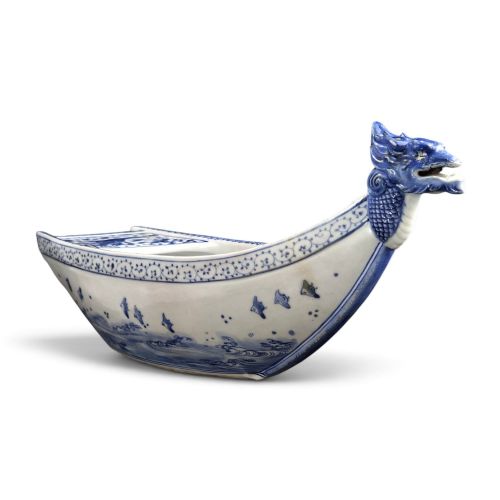
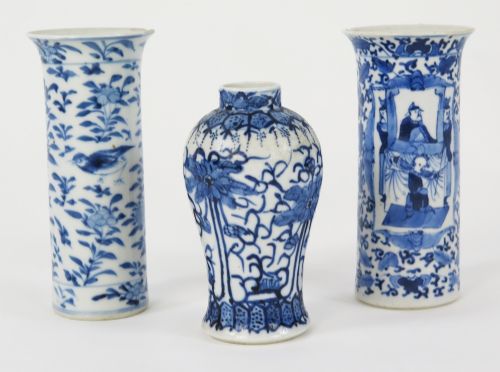
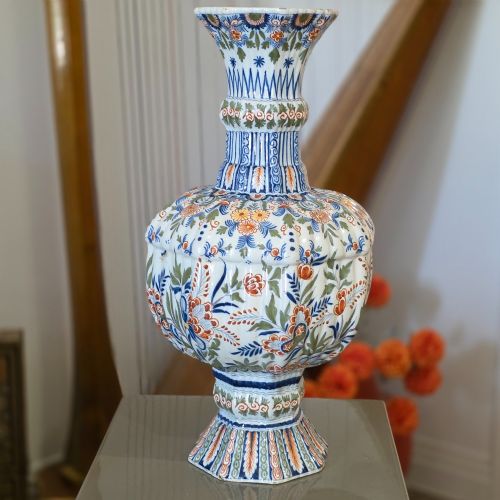
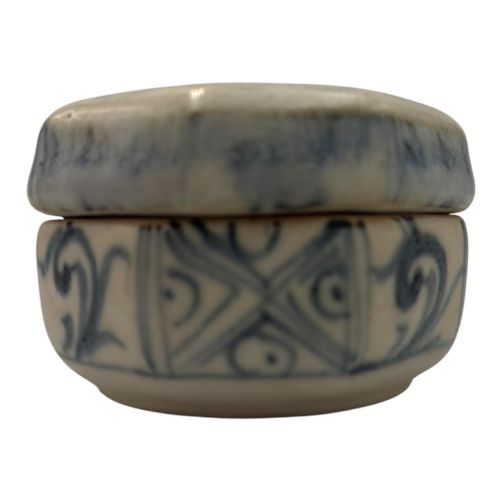
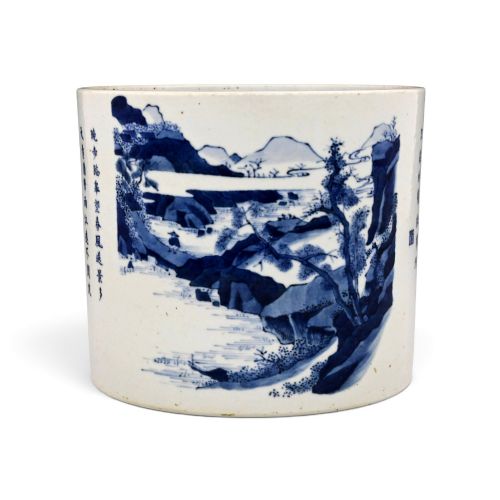
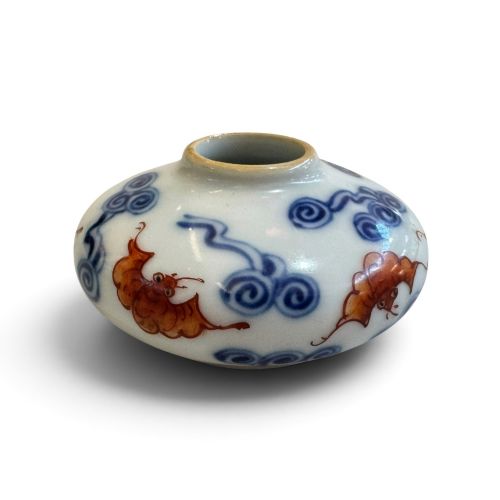
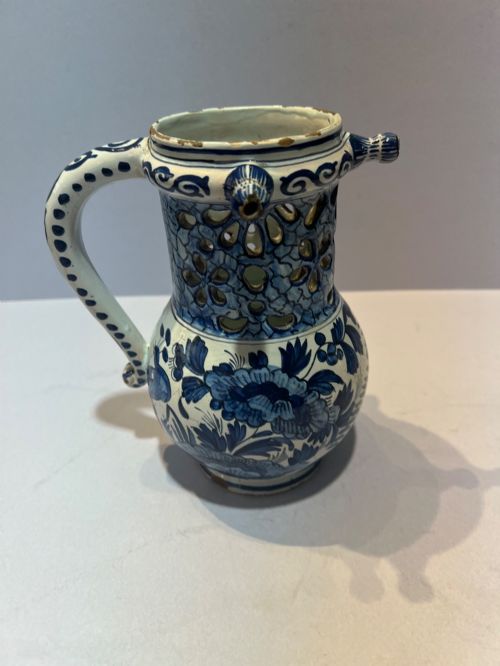
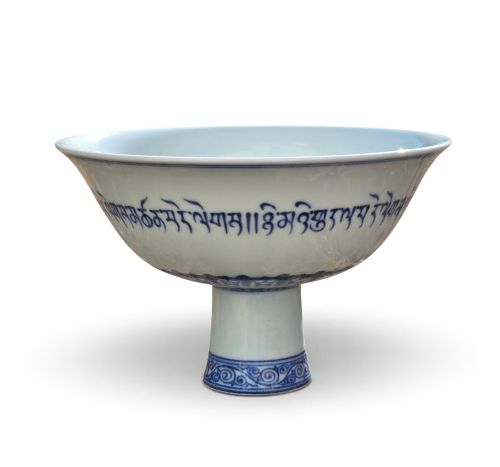
A blue white ceramic vessel brings cobalt pigment and crisp earthenware together into a functional display piece that anchors a room.
Blue White Ceramic Vessel
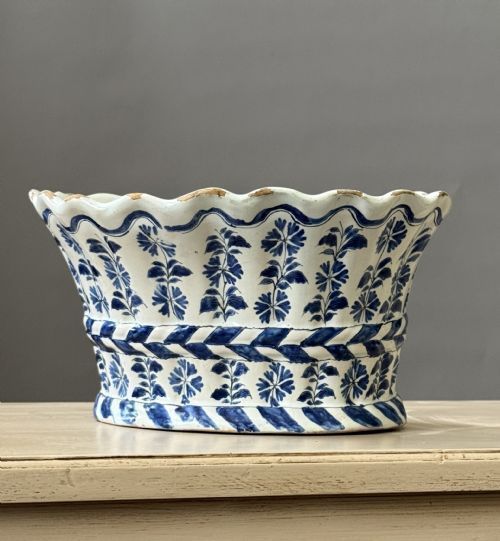
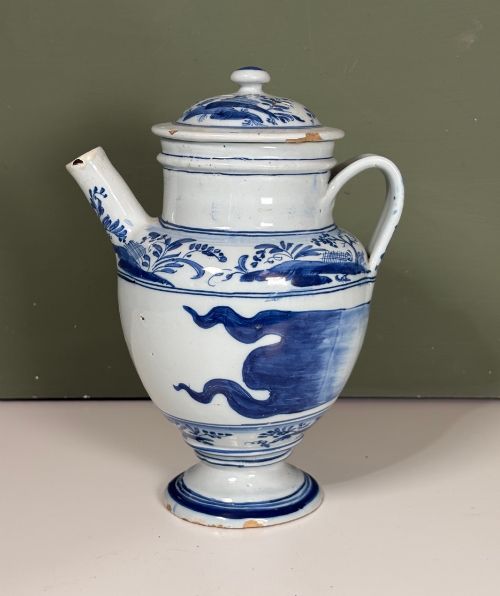
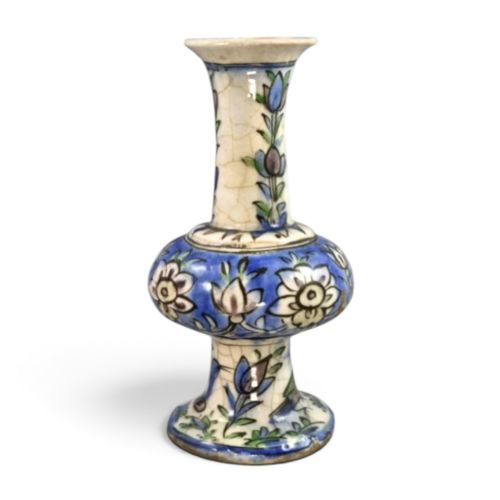
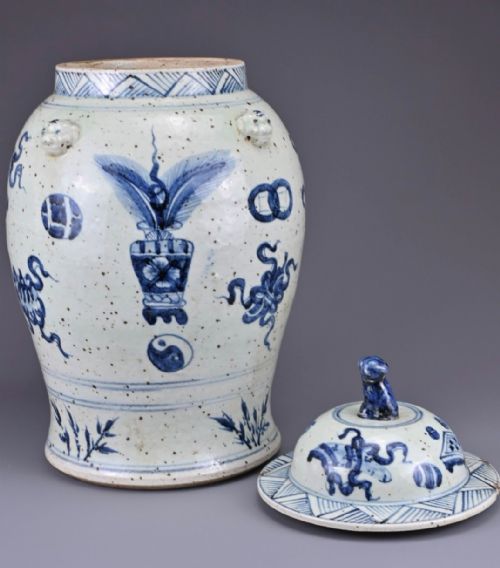
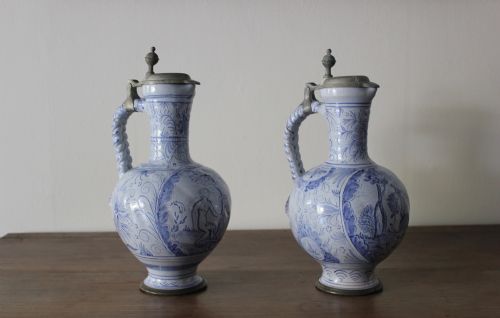
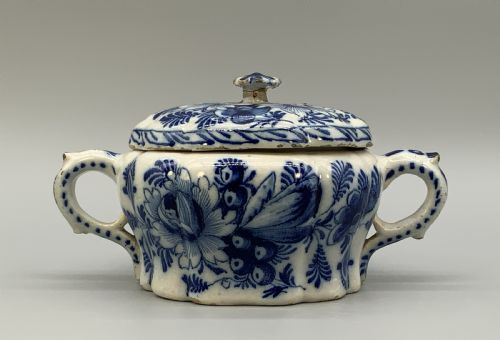
A blue white ceramic vessel encompasses a broad spectrum of utility and ornament, spanning apothecary jars, bulbous vases, and deep footbaths. Collectors encounter domestic English earthenware alongside export porcelain from China and tin-glazed pottery from Dutch and Italian workshops.
The selection here draws heavily on centuries of ceramic tradition, featuring items shaped for holding medicines, serving sauces, or displaying cut stems. Pieces range from small pharmacy albarellos to towering palace jars intended to command a corner.
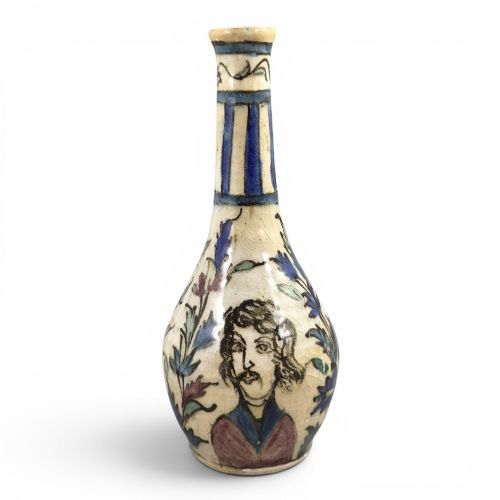
Origin points stretch across Europe and Asia, uniting Persian wares, French faience, and Qing Dynasty porcelain under a single cobalt palette. Each item demonstrates how potters adapted simple clay bodies to suit evolving tastes for contrasting blue decoration.
How they were made
Makers applied cobalt oxide pigments directly onto unfired clay or tin glazes before subjecting the vessel to high kiln temperatures. This technique allowed the rich blue colour to fuse permanently beneath a glossy transparent coating.
Potters shaped their wares either by hand on a wheel or within moulds, subsequently refining details through careful trimming and carving. The resulting surfaces received opaque white tin glazes or translucent porcelain finishes designed to showcase painted motifs.
Listings feature seventeenth-century Dutch Delft alongside eighteenth-century English delftware and nineteenth-century Chinese porcelain.
What varies in quality
The strength and clarity of the cobalt painting set exceptional vessels apart from simpler utilitarian wares. Precise brushwork, deep saturation, and stable kiln results distinguish masterworks from blurred or muddy executions.
Structural integrity and the condition of the glaze over centuries dictate a piece's standing among collectors. Undamaged surfaces retain their original sheen, while crisp throwing lines reveal the maker's underlying skill.
Heathcote·Spode
The Blue White Ceramic Vessel Glossary
- Albarello
- A cylindrical pharmacy jar designed for holding dry drugs or ointments. These vessels typically feature a constricted waist to facilitate gripping with fingers.
- Tin-Glaze
- An opaque white ceramic coating containing tin oxide that accepts painted cobalt decoration. This finish characterises European faience and delftware.
- Underglaze
- Pigment applied to a ceramic body before the application of a clear glaze and subsequent firing. This method protects the painted design beneath a glassy layer.
- Faience
- European tin-glazed earthenware produced across France, Italy, Holland, and England. The technique imitates the appearance of imported Chinese porcelain.
- Meiping
- A traditional tall-shouldered Chinese vase form originally created to hold blossoming plum branches. These vessels narrow sharply toward the base and possess a small neck.
Blue White Ceramic Vessel: Frequently Asked Questions
How were apothecary jars used?
Apothecary jars stored dry herbs, medicinal syrups, and healing ointments within pharmacies and hospitals. Their distinct labels ensured quick identification of contents by practitioners.
Over time, these utilitarian containers transitioned into decorative interior objects valued for their historic painted inscriptions and rich cobalt imagery.
How do I care for antique ceramics?
Keep delicate earthenware and porcelain away from direct sunlight and areas subject to rapid temperature fluctuations. Dust them gently with a dry, soft cloth rather than using liquid cleaners.
Avoid submerging porous historic pieces in water, particularly if the glaze displays microscopic age cracks. Professional display cabinets offer the best protection against accidental knocks.
What defines Delftware?
Delftware consists of tin-glazed earthenware produced primarily in the Netherlands and England from the seventeenth century onward. Artisans utilised a white opaque surface to paint intricate blue scenes inspired by imported Asian wares.
This tradition encompasses tiles, drug jars, and large decorative vessels that mimic the visual appeal of costly Chinese porcelain.
How do I date a blue and white vessel?
Dating relies on examining the clay body, the tone of the cobalt pigment, and the style of the painted motifs. Base marks, reign characters, and glaze characteristics provide further clues to a piece's period of origin.
Comparing potting techniques with documented examples from specific centuries helps narrow down the exact decade of manufacture.