

Tin Glazed Ceramic Plate
When seeking a tin glazed ceramic plate, one encounters earthenware vessels spanning centuries of European pottery traditions.

Tin Glazed Ceramic Plate
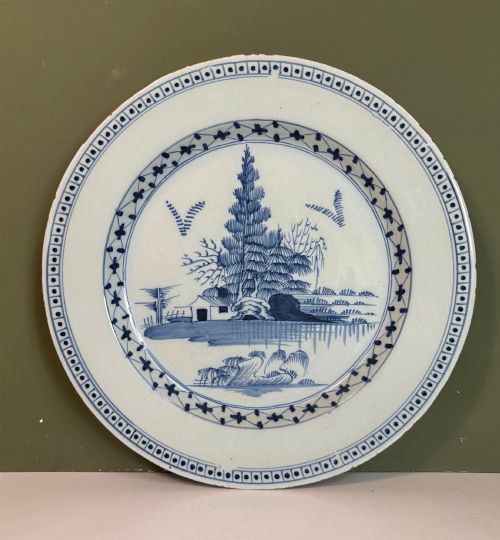
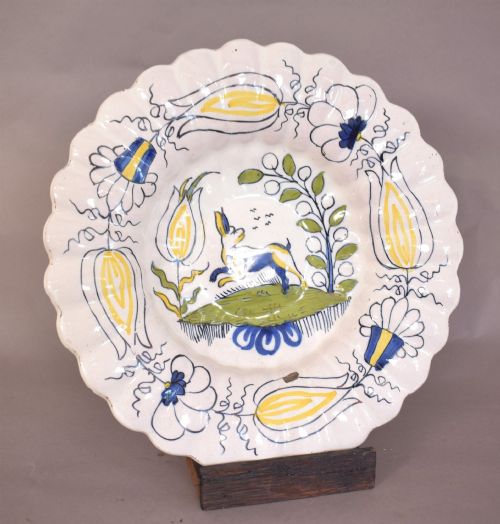
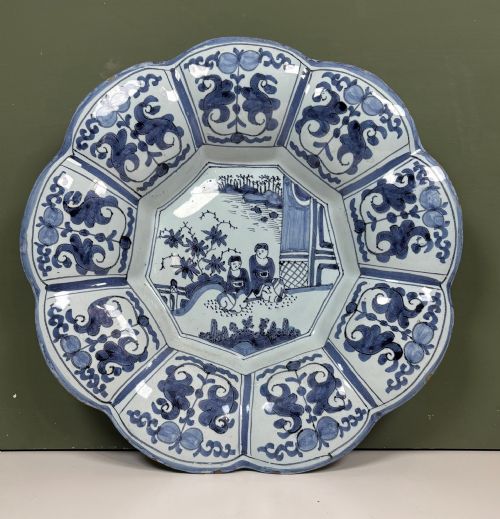
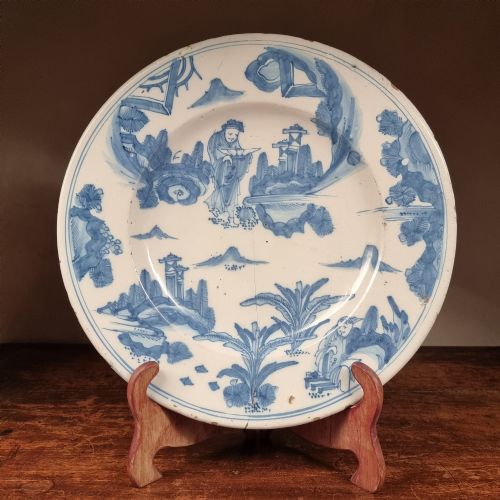
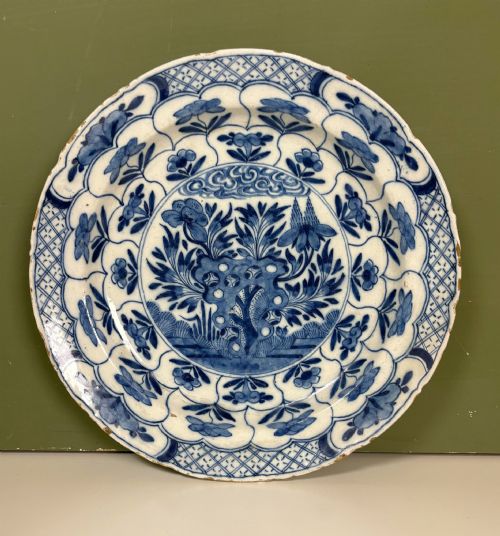
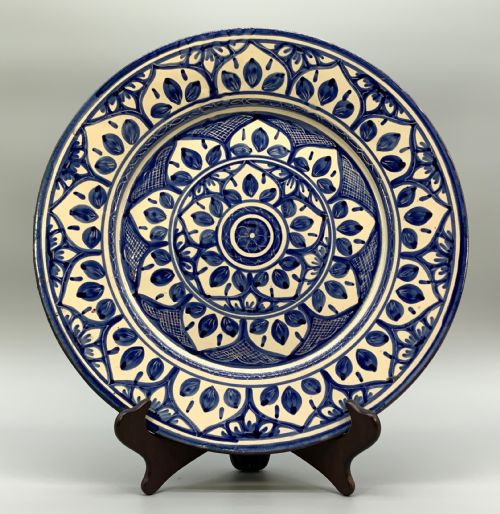
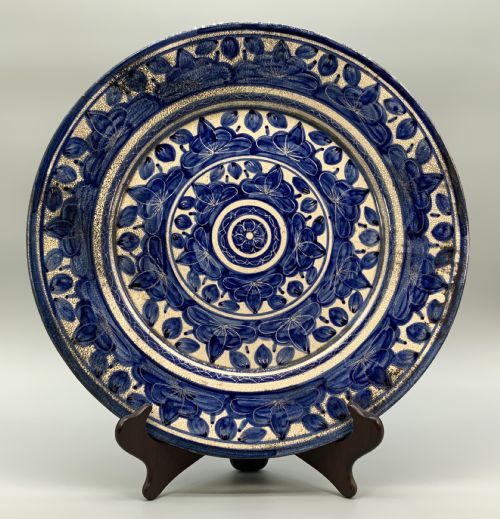
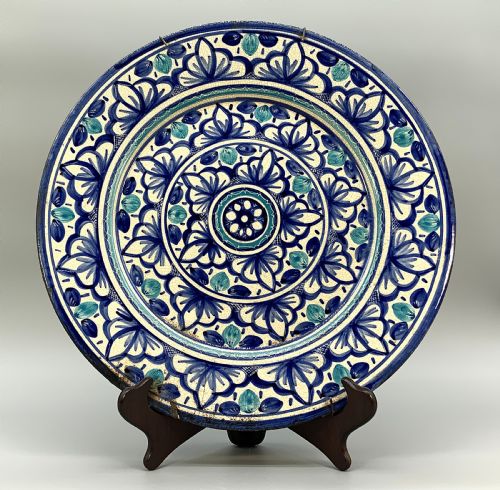
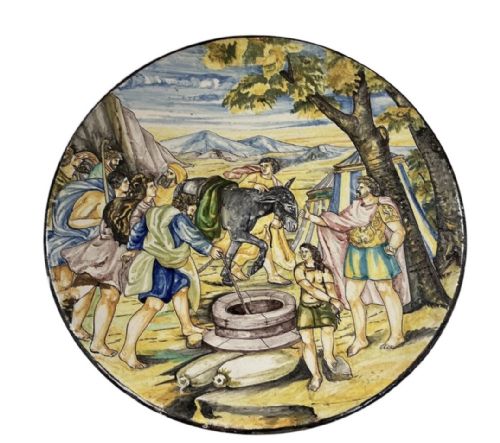
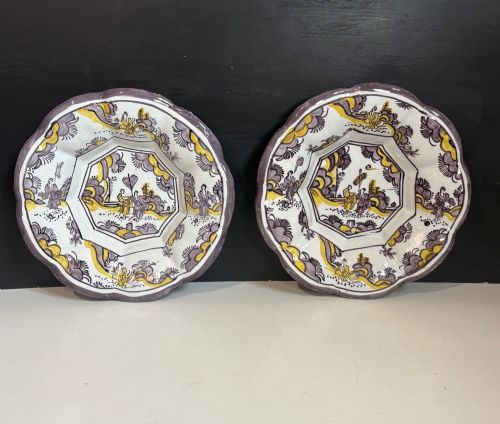
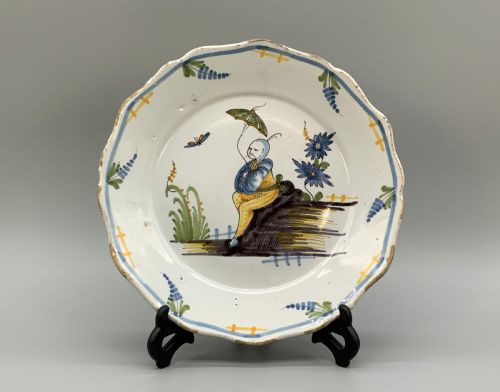
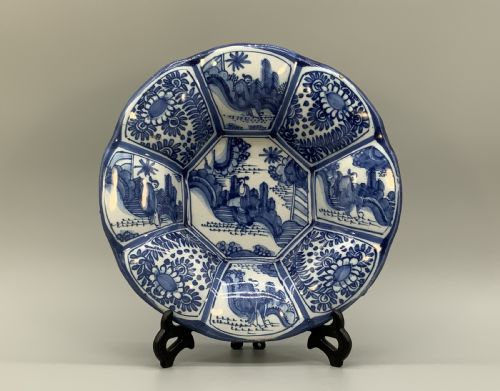
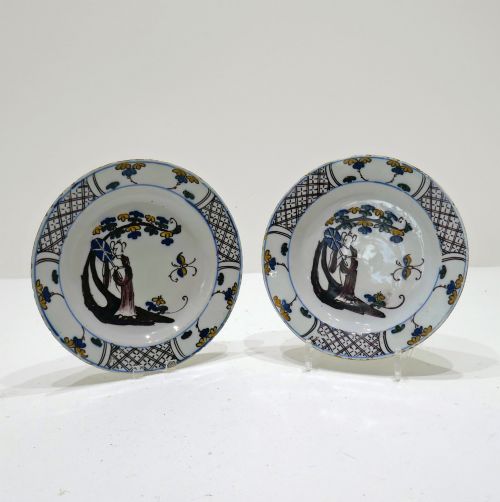
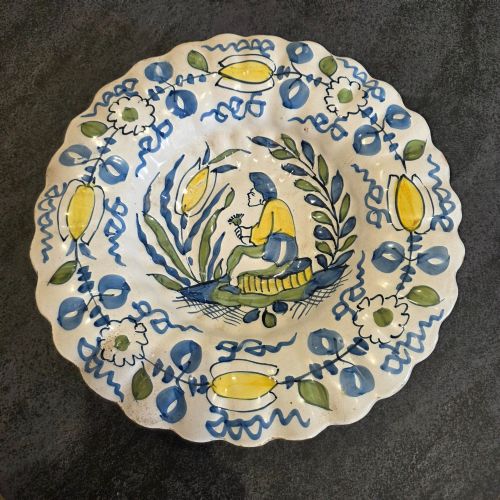
A tin glazed ceramic plate is a form of earthenware dish coated in an opaque white glaze containing tin oxide, providing a smooth surface for painted decoration. These objects appear in various configurations, including deep chargers, shallow bowls, lobed dishes, and marriage plates.
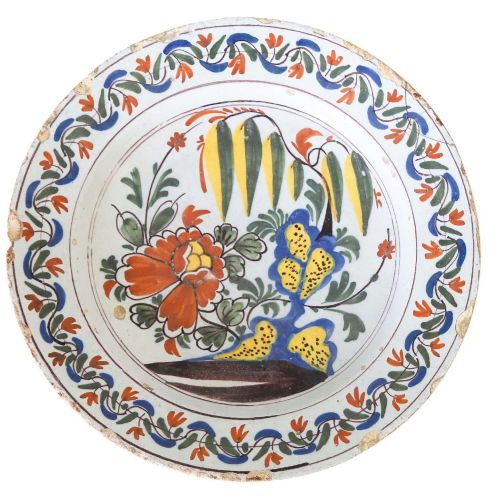
The pieces on this page originate from diverse European centres, with Dutch, English, French, Italian, and Spanish workshops represented. Surviving examples stretch from the seventeenth century through to the twentieth century, taking stylistic inspiration from Dutch Baroque, Kraak, Chinoiserie, and Moorish traditions.
Materials and technique
Potters formed these items from common earthenware clay, shaping them into plates, chargers, and dishes before applying a metallic glaze containing tin oxide to create the characteristic opaque white surface. This absorbent base coat accepted pigments readily before the final firing.
Painters applied cobalt pigment, manganese, and other mineral oxides directly onto the unfired glaze, utilising blue and white or polychrome palettes. Styles such as grand feu firing or hand-painted floral and historical scenes resulted from these chemical interactions during kiln heat.
Tin Glazed Ceramic Plate Retail Price Guide 2026
Typical asking prices for tin glazed ceramic plate among the pieces listed under this phrase on Sellingantiques today, from the lower quarter to the upper quarter. They describe what is for sale here now, not the wider market.
Materials recorded across the inventory include tin-glazed earthenware, ceramic, cobalt pigment, and faience.
Evaluating quality
Quality in these ceramics rests upon the clarity of the painted brushwork and the ambition of the design, ranging from simple geometric borders to intricate historical or Chinoiserie scenes. Superior examples display confident pigment application and balanced composition across the surface of the charger.
The stability and finish of the tin glaze itself distinguish finer pieces, alongside the precision of the pottery's original forming. Pieces that retain vibrant polychrome colours or deep cobalt tones without excessive glaze disruption demonstrate the maker's technical control.
The Tin Glazed Ceramic Plate Glossary
- Tin-Glazed Earthenware
- Earthenware pottery covered with a glaze made opaque by the addition of tin oxide. This technique forms the white background characteristic of European delftware and faience.
- Charger
- A large decorative plate or dish, typically measuring over thirty centimetres in diameter. These pieces were frequently displayed on walls or sideboards rather than used for dining.
- Polychrome
- Decoration employing multiple colours rather than a single pigment. In these wares, colours typically include yellow, orange, green, and manganese alongside blue.
- Kraak Style
- A style of Chinese export porcelain featuring panelled border designs and central motifs, widely copied by European delftware potters in the seventeenth century.
- Grand Feu
- A ceramic firing technique where glaze and pigments are fired together at high temperatures. This process fuses the colours into the glaze for a durable finish.
Tin Glazed Ceramic Plate: Frequently Asked Questions
What is a tin glazed ceramic plate?
These objects are earthenware dishes coated with an opaque white tin glaze and decorated with painted pigments. Potters across Europe produced them for both utilitarian use and decorative display.
Surviving examples demonstrate centuries of regional variation, incorporating motifs from Dutch, English, French, and Italian traditions.
How were these plates used?
Larger chargers and platters were primarily designed for decorative display on walls or dressers in wealthy households. Smaller dishes and plates served functional roles at the table for dining.
Special pieces, such as marriage plates, commemorated significant family events and unions rather than seeing everyday service.
How do you date an antique plate?
Dating relies on stylistic clues, including the painting palette, shape, and decorative motifs like Chinoiserie or Baroque borders. Early pieces often feature distinct foot rims and characteristic tin glaze textures.
Comparative study of regional potting centres in England, the Netherlands, and France helps narrow the period of manufacture.
How do you care for tin glazed pottery?
These earthenware objects require gentle handling because the historic ceramic body and glaze can chip or craze. Dusting with a soft, dry cloth is usually sufficient for maintenance.
Displaying them away from moisture and extreme temperature fluctuations protects the fragile glaze from further deterioration.