
Tiered Oak Bookcase
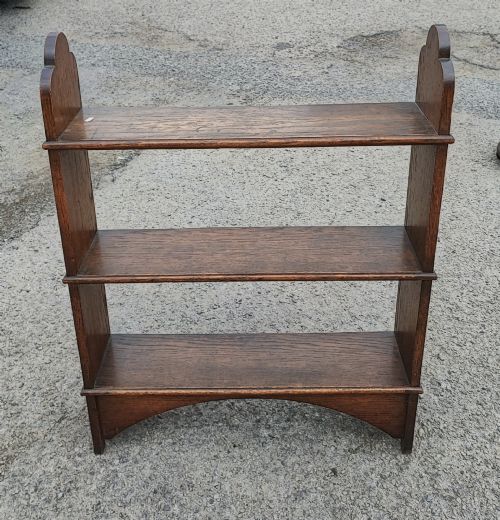
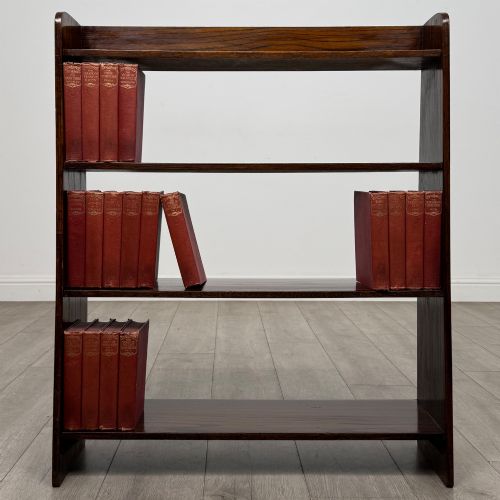
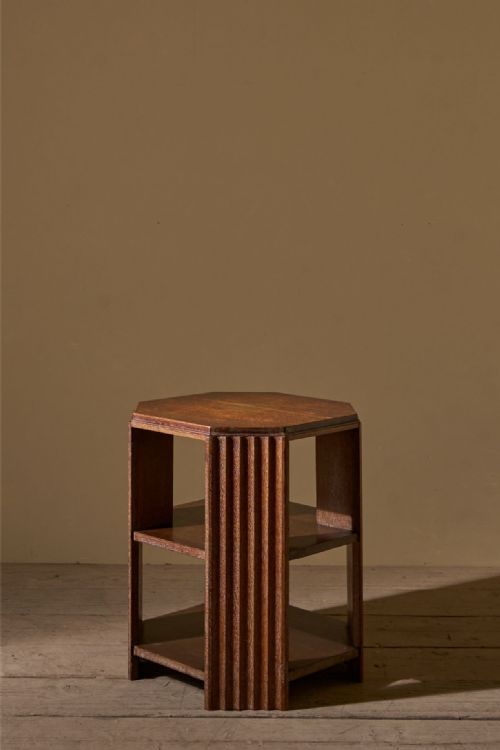
A tiered oak bookcase brings structured timber and practical display into a room, offering modular stacking or open shelving for a collection.
Tiered Oak Bookcase
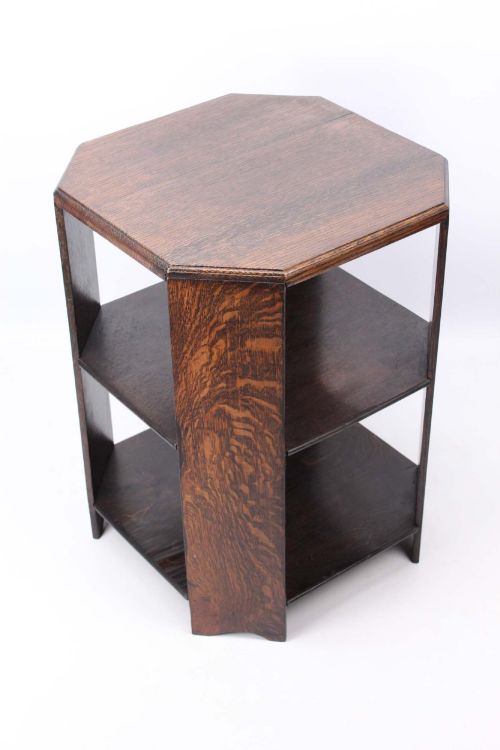
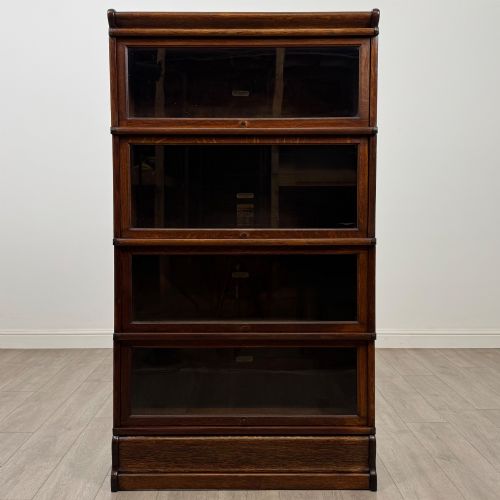
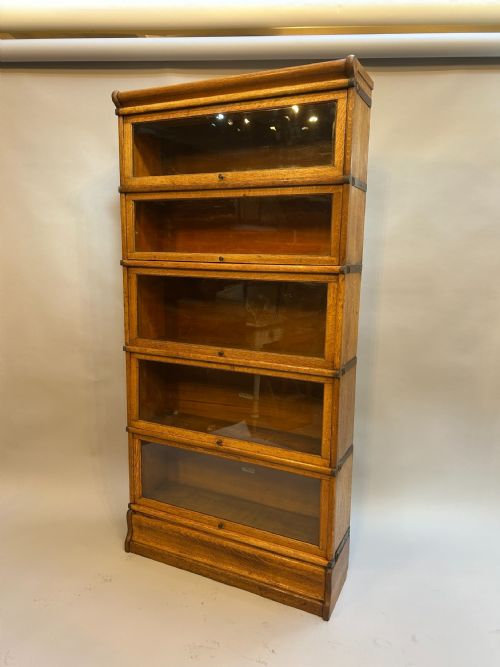
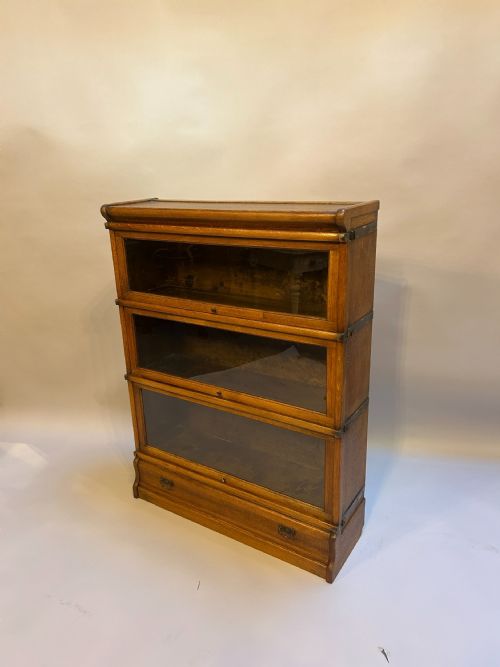
A tiered oak bookcase is a practical storage piece designed to hold volumes across multiple levels, ranging from open shelving to sectional cabinets. When exploring a tiered oak bookcase, buyers encounter items spanning from the nineteenth century through the Edwardian period and the nineteen-twenties.
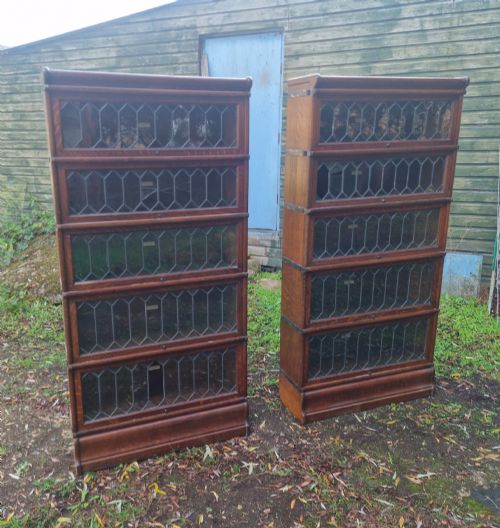
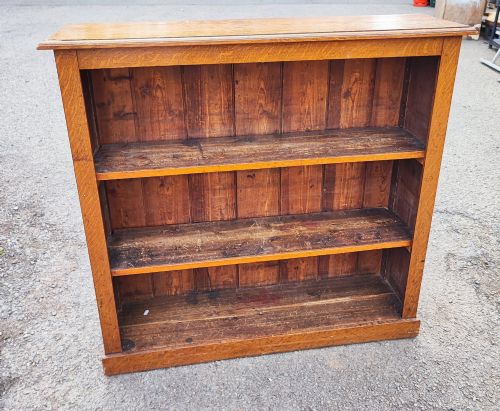
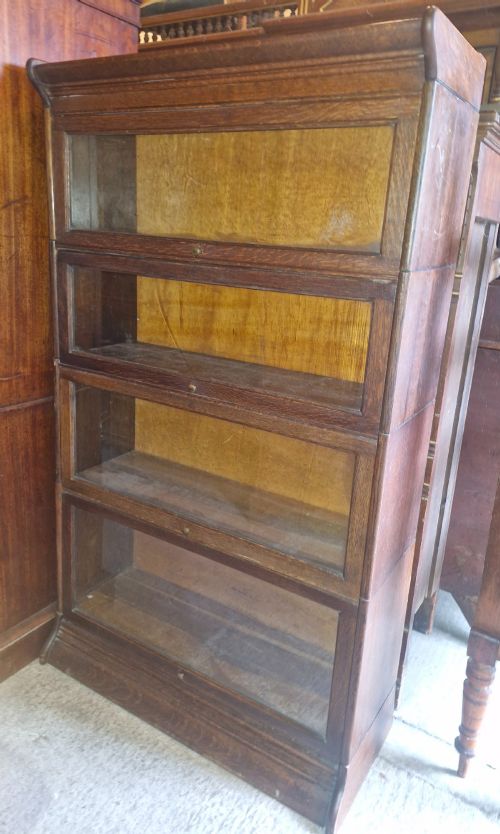
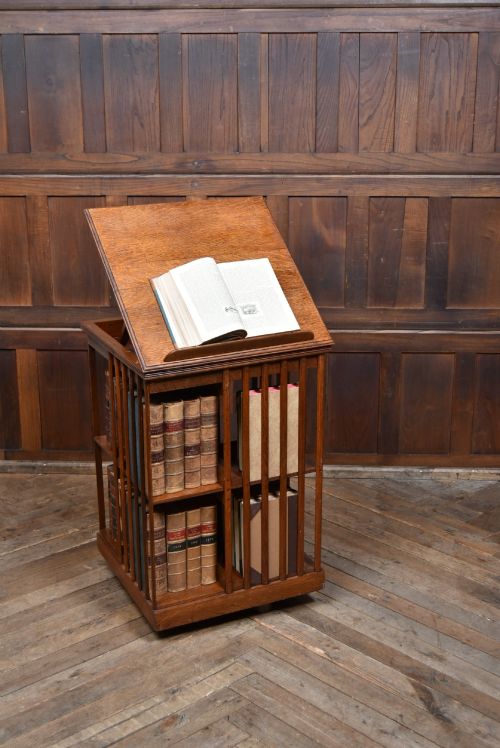
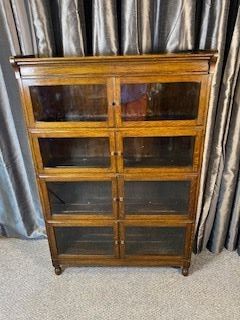
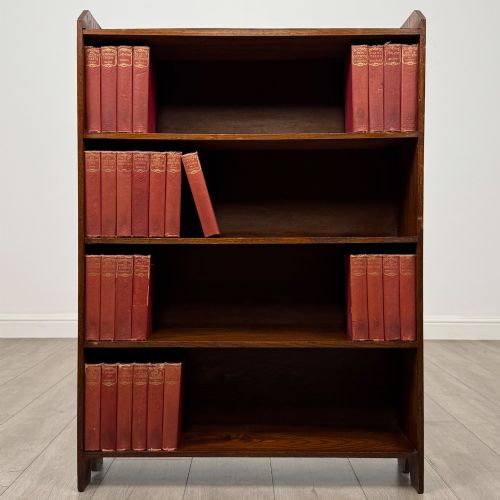
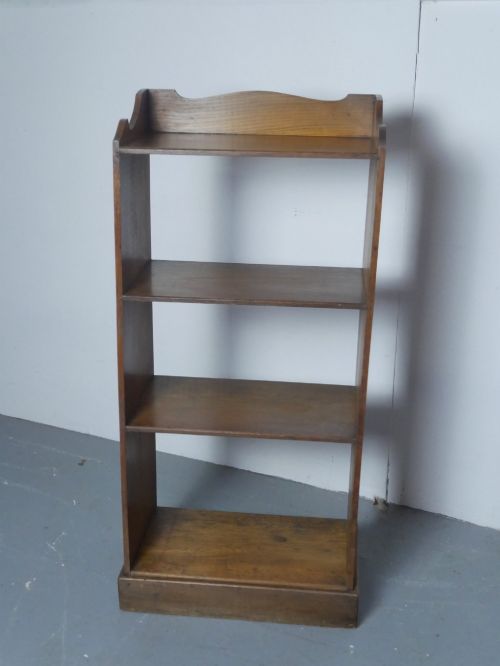
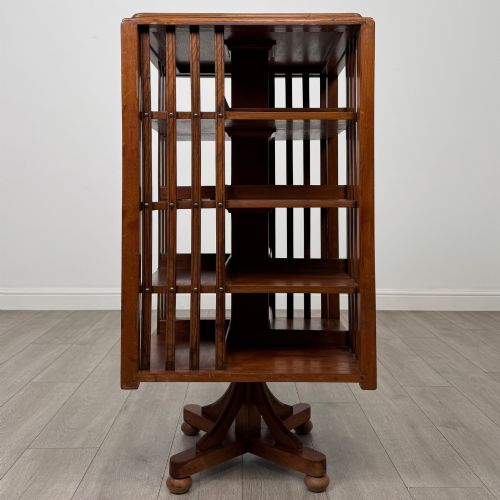
The selections available include sectional barrister styles, revolving designs, and open front configurations. Many examples originate from British workshops and domestic makers, showing the utility demanded by libraries and studies over successive decades.
How they were made
Makers utilised solid timber, frequently selecting standard oak or pollard oak for its robust grain and durability. Panels and frames were joined using traditional woodworking methods suited to heavy loads of books.
Glazed doors incorporate lead or metal cames to secure glass panes within sectional units. Brass hardware appears on rotating mechanisms and cabinet fittings, providing functional movement for stacking doors.
Listings feature oak combined with glass, brass, lead, and iron across Victorian, Edwardian, and twentieth-century periods.
What varies in quality
The standard of construction depends on the selection of timber and the precision of the joinery used in the frame. Higher grades exhibit carefully matched grain patterns and smooth operation in modular or revolving sections.
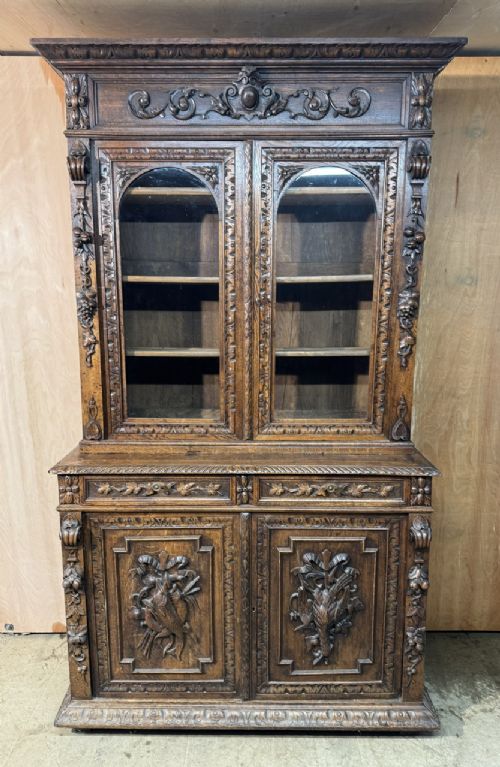
Maker attribution and the refinement of applied carving or inlay elevate certain pieces above standard utility furniture. Original glass, fittings, and finishes indicate greater preservation and integrity in surviving examples.
Heals·Globe Wernicke·Howard & Sons·Lebus
The Tiered Oak Bookcase Glossary
- Globe Wernicke
- A brand name widely used to describe sectional stacking bookcases with glass front lifting doors. These modular units allowed owners to add tiers as their libraries expanded.
- Barrister bookcase
- A modular office or library cabinet made of stacked sections with glazed doors that lift and slide inside the case. The design protected legal texts from dust in professional chambers.
- Revolving bookcase
- A compact table or floor-standing unit built on a rotating pivot to allow access to books from any angle. They were popular in studies and sitting rooms where floor space was limited.
- Pollard oak
- Timber taken from trees that were pollarded, producing a decorative timber with clustered knots and intricate grain patterns. It was selected for finer cabinet work.
- Open bookcase
- A shelving unit without doors, providing direct access to the volumes stored within. These pieces often feature adjustable shelves supported by wooden pegs or metal racks.
Tiered Oak Bookcase: Frequently Asked Questions
How do revolving bookcases work?
Revolving bookcases sit upon a concealed ball-bearing or pivot mechanism fitted to a heavy base. This allows the entire tiered structure to turn smoothly with a gentle push.
They were designed for placement beside a desk or armchair to keep reference volumes within arm reach.
Are the shelves adjustable?
Many open bookcases feature adjustable wooden shelves supported by internal wooden strips or metal pins. This allowed owners to alter shelf heights for books of varying sizes.
Sectional units have fixed shelf heights within each individual modular tier.
How do I identify Edwardian oak?
Edwardian oak furniture from the early twentieth century often displays lighter honey tones compared to darker Victorian timber. Makers frequently utilised quarter-sawn oak which reveals distinctive medullary ray flecks in the grain.
Construction during this period combined traditional joinery with modern factory methods, resulting in sturdy domestic utility pieces.