





Brown Oak Bookstand
These brown oak bookstand pieces range from revolving tabletop models to architectural lecterns, offering practical desktop organisation and characterful period presence.
Brown Oak Bookstand
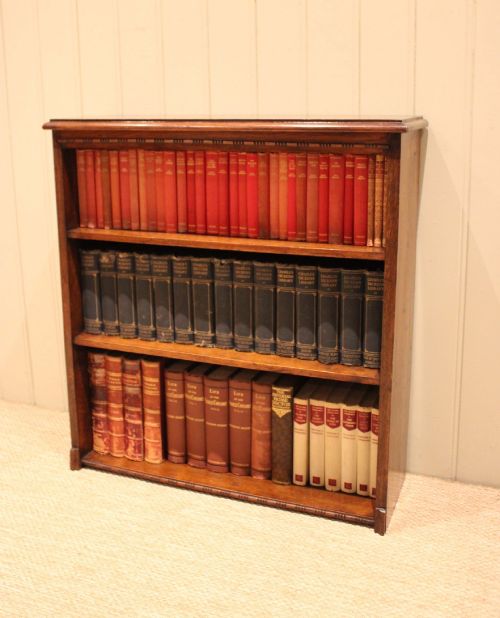
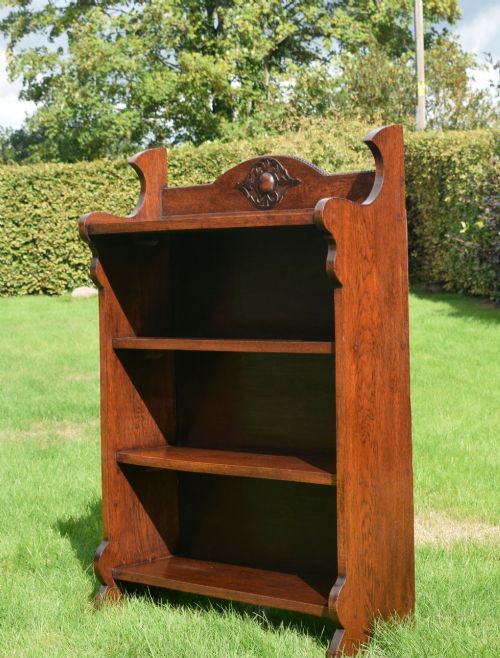
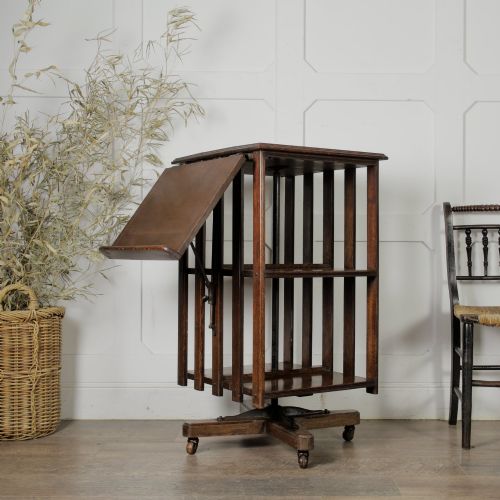
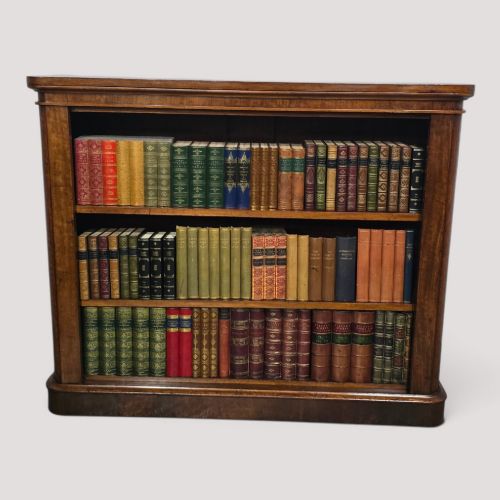
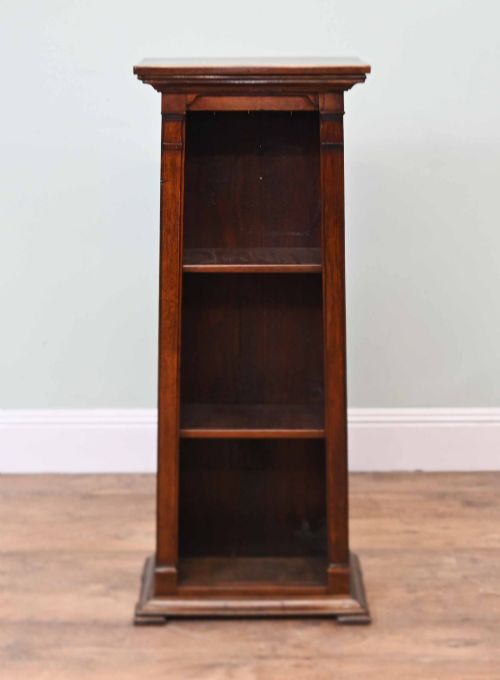
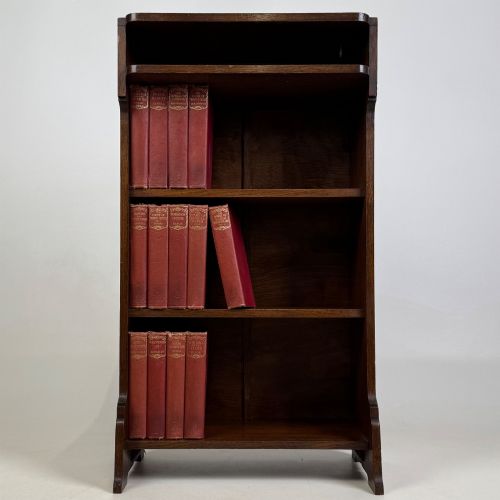
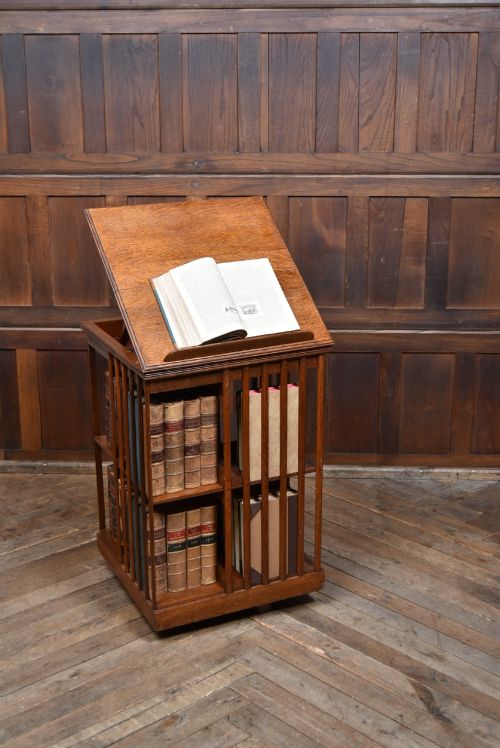
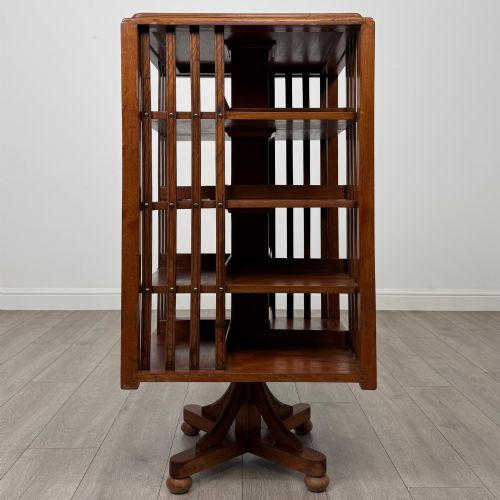
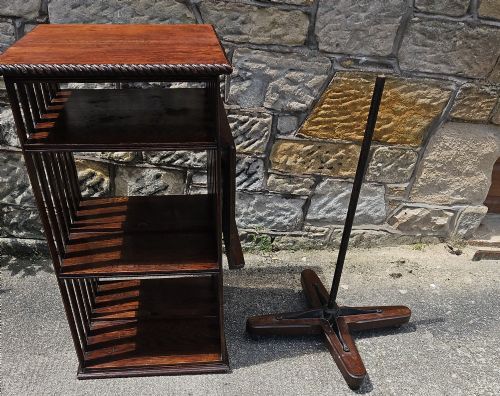
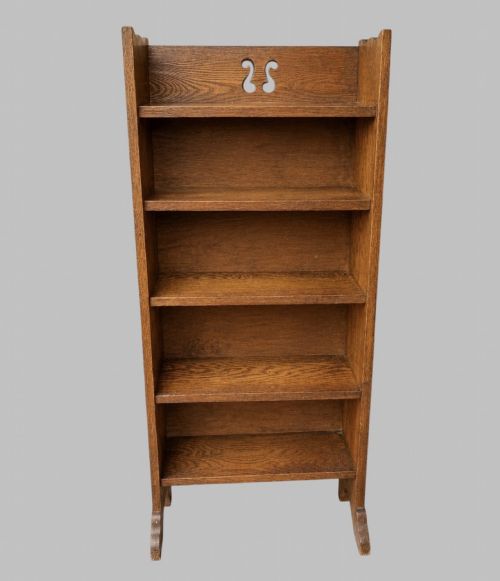
When you search for a brown oak bookstand, you encounter a specialised selection of library furniture and desktop accessories designed to hold volumes upright or open at a specific page. The inventory spans compact table top revolving bookcases, extending book slides, open shelving units, and carved standing lecterns.
The pieces appearing on this page originate predominantly from the Edwardian era and the early twentieth century, alongside occasional examples dating back to the eighteenth century. Makers constructed these items primarily in oak, complemented by mahogany, cast iron, brass, ceramic, and gilt details.
Stylistically, the selection embraces Edwardian simplicity, Arts and Crafts functionalism, Gothic Revival carvings, Baroque influences, and Jacobean Revival motifs. Buyers frequently select revolving designs for desktop utility or choose open waterfall shelves and adjustable library bookcases for daily reading storage.
How they were made
Craftsmen built these items using solid oak and mahogany timber, often selecting figured boards that displayed rich grain patterns and deep warm tones. Structural joints typically relied on traditional woodworking methods such as mortise and tenon construction, ensuring stability under the weight of heavy volumes.
Decorative work on these pieces incorporates detailed fret-cutting, decorative cut-outs, and carved elements like the outstretched wings seen on figural lecterns. Metal components in cast iron and brass provided mechanical support for revolving platforms and extending book slides.
Brown Oak Bookstand Retail Price Guide 2026
Typical asking prices for brown oak bookstand among the pieces listed under this phrase on Sellingantiques today, from the lower quarter to the upper quarter. They describe what is for sale here now, not the wider market.
An eighteenth century Italian oak lectern on this page depicts an eagle with outstretched wings, ready to assist your reading.
What varies in quality
Quality in these items depends upon the selection of timber and the precision of the joinery rather than mere age alone. Superior examples display carefully matched grain across visible surfaces and solid timber construction without unnecessary veneers.
Mechanical components dictate the worth of revolving and extending formats, where smooth rotation and sturdy pivot mechanisms separate utilitarian items from finer library accessories. Fret-cut panels and carved details reveal the hand of skilled artisans through crisp execution and proportion.
The Brown Oak Bookstand Glossary
- Revolving bookcase
- A freestanding or table top bookcase fitted with a concealed internal mechanism allowing it to spin freely for easy access to stored volumes. These items often feature slatted sides and square or circular tiers.
- Book slide
- An adjustable desktop rack featuring expanding ends that hold a small row of books firmly between upright supports. These accessories frequently utilise brass mechanisms to adjust the overall length.
- Lectern
- A slanted reading stand designed to hold a book at an ergonomic angle for a standing reader or speaker. Examples range from architectural architectural oak stands to carved figures depicting birds with outstretched wings.
- Waterfall bookcase
- A set of open bookshelves featuring graduated shelves that step back progressively from bottom to top. This form creates a descending profile reminiscent of cascading water.
- Arts and Crafts
- A design movement prioritising traditional craftsmanship, simple utility, and honest construction over mass-produced ornamentation. Pieces from this aesthetic often display exposed structural joints and decorative cut-outs.
Brown Oak Bookstand: Frequently Asked Questions
How do revolving bookcases function?
Revolving bookcases sit upon a concealed internal pivot mechanism fitted with ball bearings or wooden spindles that allows the entire upper tiers to turn smoothly in a circle. This engineering enables a reader to access multiple volumes from a single stationary seating position.
Most revolving designs balance weight distribution evenly across four quadrants to prevent tipping during rotation. Table top models offer this same convenience on a smaller scale for office desks and library tables.
Where were table top bookstands used?
Table top bookstands found their place primarily on executive desks, library tables, and study writing surfaces within homes and offices. They kept frequently referenced volumes, ledgers, or dictionaries close at hand without consuming floor space.
Their compact proportions made them suitable for domestic parlours and studies where large freestanding bookcases were impractical. Owners could easily relocate them between rooms as reading needs changed.
What is an extending book slide?
An extending book slide is a desktop accessory designed to corral a small selection of books between two sliding terminal bookends. The central platform expands or contracts to accommodate varying numbers of volumes.
These pieces often incorporated brass tracks and scissor actions to maintain smooth movement when adjusted. They provided a tidy method for keeping active reading material organised on flat surfaces.
How do I care for oak library furniture?
Oak library furniture requires stable indoor humidity levels and protection from direct sunlight to prevent the timber from drying out or splitting. Dusting regularly with a soft, dry cloth preserves the natural finish without building up heavy chemical residues.
Occasional application of appropriate furniture wax helps nourish the wood and maintain its subtle sheen. Avoid placing these items near direct heat sources such as radiators or fireplaces.
What distinguishes Gothic Revival pieces?
Gothic Revival pieces incorporate architectural motifs inspired by medieval churches and cathedrals, such as pointed arches, quatrefoils, and heavy carved mouldings. In furniture design, this translated into dramatic proportions and deep relief carving.
Items from this movement often utilise solid oak to convey a sense of solemnity and permanence. These stylistic elements contrast sharply with the simpler, functional lines of later Arts and Crafts pieces.