

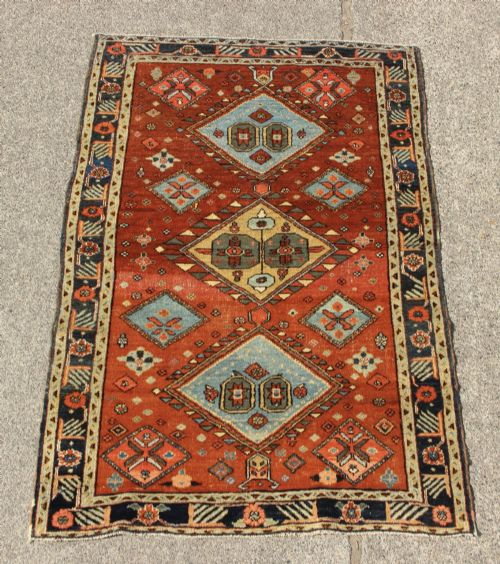
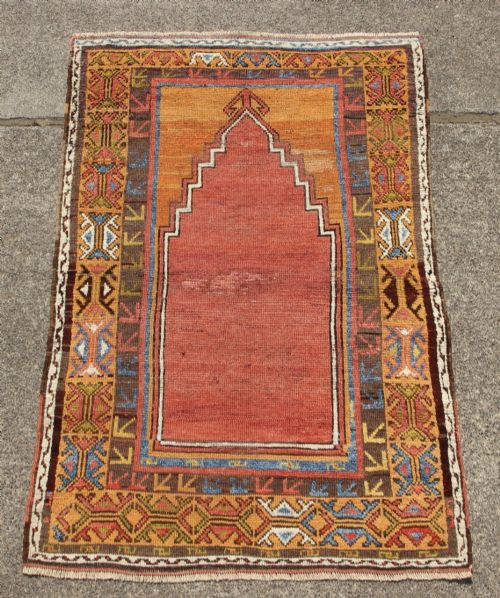
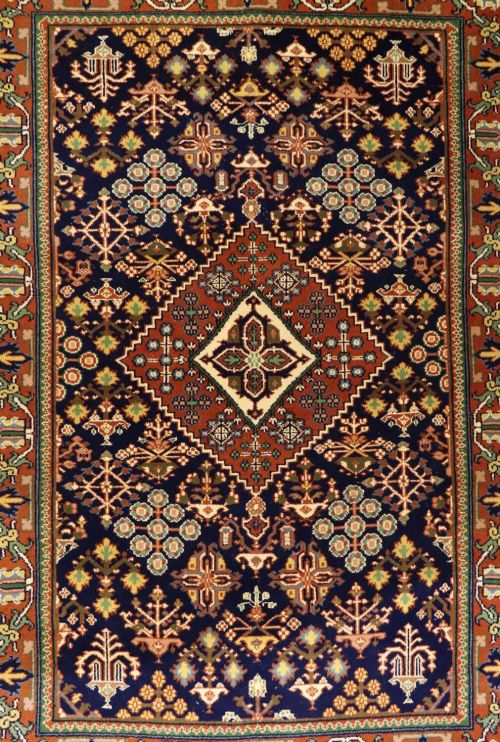
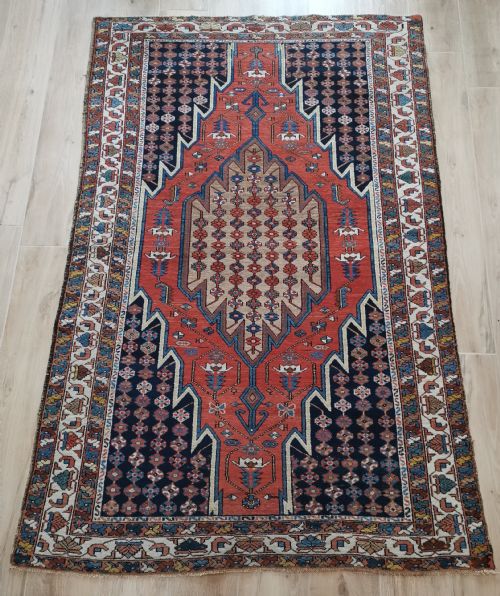
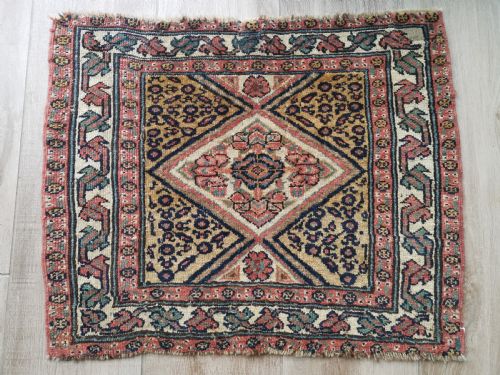
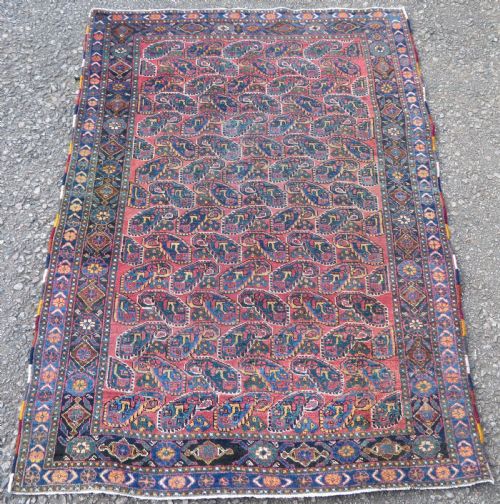
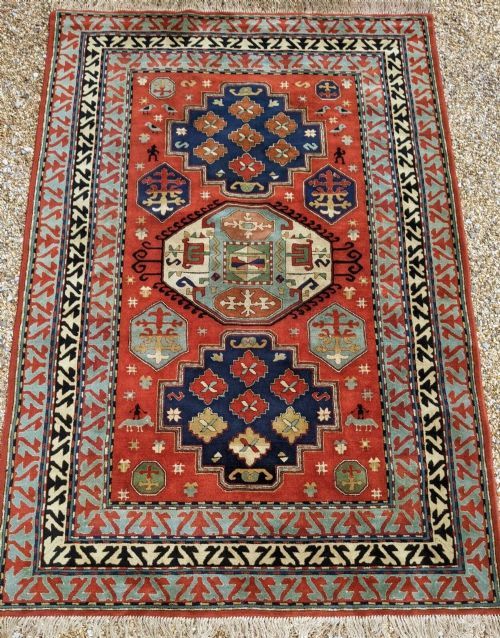
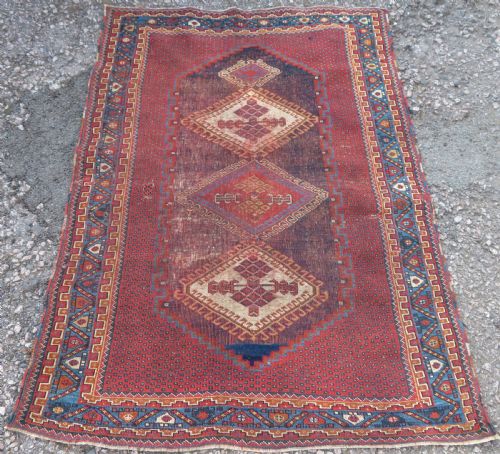

Terracotta Red Tribal Rug
These terracotta red tribal rug examples bring dense geometric patterns and rich natural dyes directly from nineteenth and early twentieth-century nomadic weavers into modern rooms.
Terracotta Red Tribal Rug
A terracotta red tribal rug represents the woven artistry of nomadic and village communities from Persia, the Caucasus, and Central Asia produced during the nineteenth and early twentieth centuries. These floor coverings and utility textiles range from small bagfaces and saddle covers to large room-sized carpets and long runners.
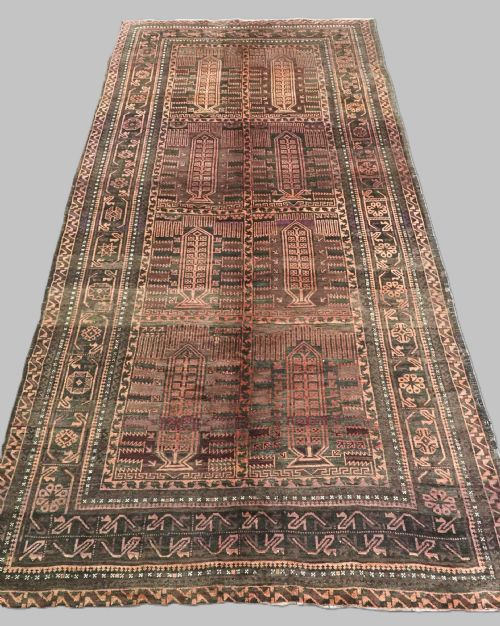
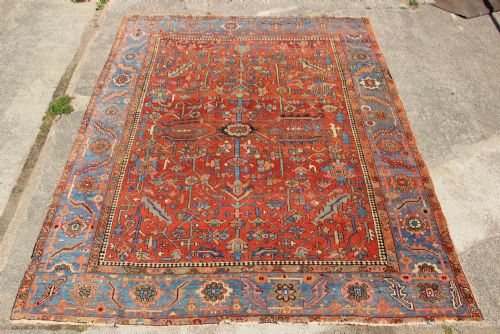
Buyers will most frequently encounter Persian tribal weaves, including Heriz, Bakshaish, Qashqai, and Afshar pieces, alongside Turkmen, Baluch, and Kurdish examples. The format varies from square formats and prayer rugs to runner rugs and tent door hangings.
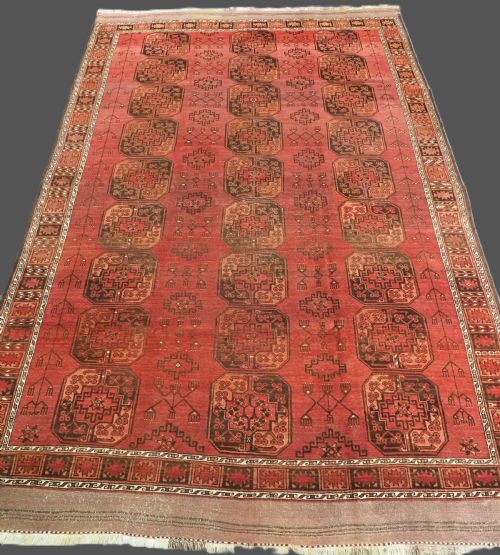
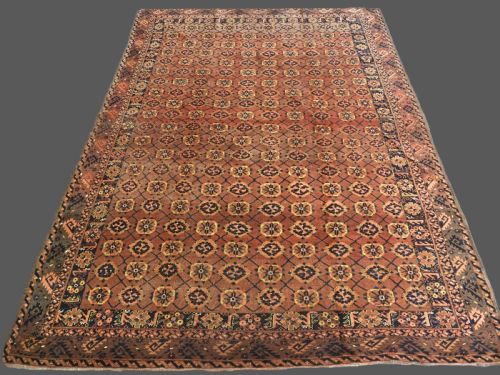
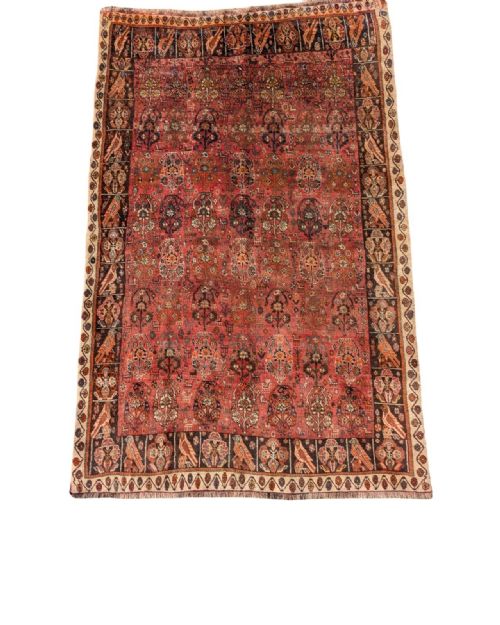
Nomadic weavers utilised local motifs such as geometric medallions, boteh patterns, and repeating guls, translating their cultural heritage into durable floor textiles. Each piece records the specific design traditions of regional groups like the Shahsevan, Yomut, and Ersari.
How They Were Made
Makers constructed these textiles using hand-spun wool for the pile, foundation warps, and wefts, occasionally incorporating cotton or felt structures. Artisans knotted the wool by hand onto the foundation threads, building up dense geometric pile surfaces designed for daily utility.
Dyers utilised natural dyes to achieve deep terracotta reds alongside indigo blues and earthy tones. These organic colorants interact with hand-spun wool to create subtle tonal variations across the field of the rug over decades of exposure and use.
What Varies in Quality
Quality rests upon the fineness of the hand-knotting and the precision of the geometric layout executed by the weaver. Tighter knot counts allow for sharper rendering of intricate tribal motifs and medallions.
The depth and clarity of natural dyes separate standard village pieces from exceptional tribal examples. Rich terracotta tones derived from organic sources retain their vibrancy and develop a desirable patina with age.
The Terracotta Red Tribal Rug Glossary
- Gul
- A repeating octagonal medallion motif frequently found in Turkmen and Central Asian tribal weaving. These symbols often denote specific tribal lineages.
- Boteh
- A stylised floral or almond-shaped motif representing a sprouting bush or cypress tree. This pattern appears frequently across Persian and Caucasian rug designs.
- Sumak
- A flat-weave technique where weft threads wrap around the warp threads to create a sturdy, non-pile textile surface. This method produces crisp geometric designs.
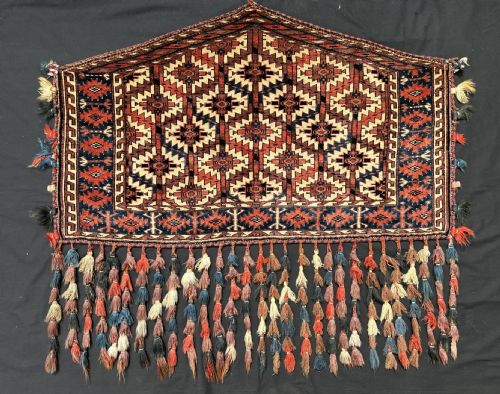
- Asmalyk
- A triangular or pentagonal camel-trapping textile produced by Turkmen tribes for wedding processions. These decorative pieces display intricate regional guls.
- Medallion
- A central ornamental design element placed in the middle of the rug field. Tribal weavers often rendered these in stepped geometric configurations.
Terracotta Red Tribal Rug: Frequently Asked Questions
How do I identify a tribal rug?
Tribal rugs display geometric patterns, stepped medallions, and repeating motifs rather than curved court designs. These pieces originate from nomadic or village weavers rather than city workshops.
Look for irregularities in the symmetry and spontaneous shifts in wool colours, which indicate hand-knotting by individual makers using natural materials.
How should I clean an antique rug?
Antique wool rugs require gentle care, starting with regular light vacuuming without a beating brush roll. Professional cleaning by specialists in hand-knotted textiles prevents dye bleeding.
Avoid harsh chemical detergents and excessive moisture, which can damage natural dyes and weaken hand-spun wool foundations over time.
Where were these rugs made?
Makers produced these textiles across Persia, the Caucasus, and the Trans-Caspian steppes of Central Asia. Specific groups like the Qashqai, Afshar, and Ersari Turkmen worked in distinct geographical territories.
Each region developed recognisable palettes and knotting structures tied to local materials and traditional nomadic migration routes.