
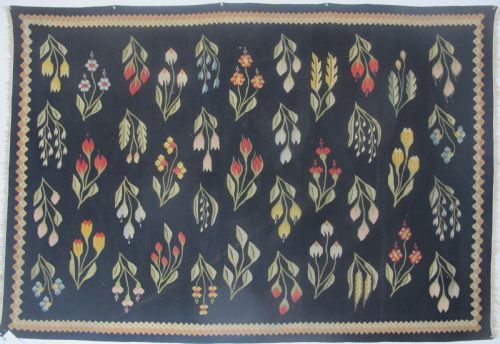
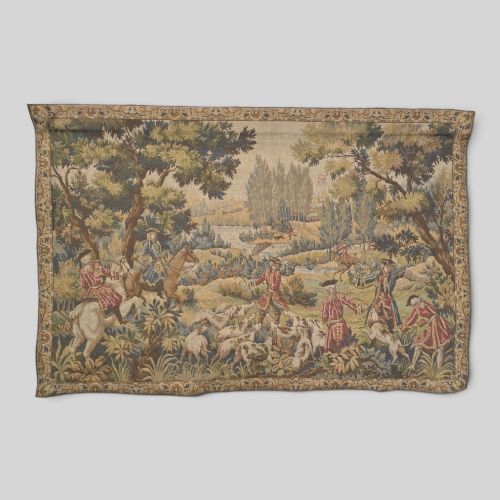
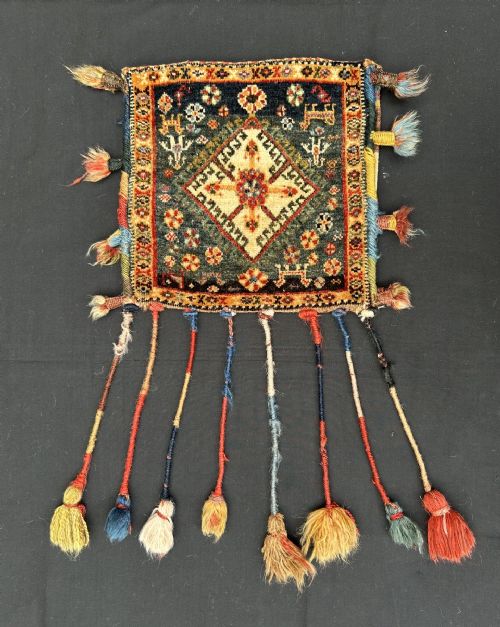
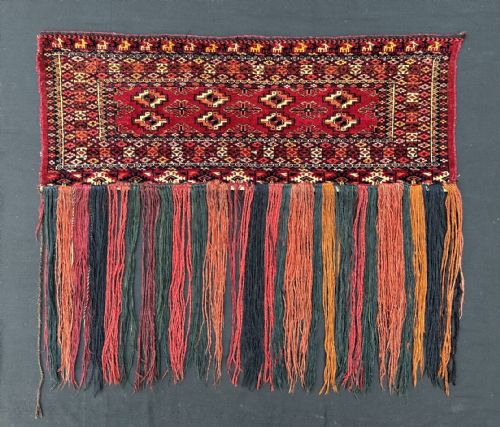
Woven Textile Wall Hanging
These woven textile wall hanging pieces bring centuries of tribal and European artistry straight to your interior.
Woven Textile Wall Hanging
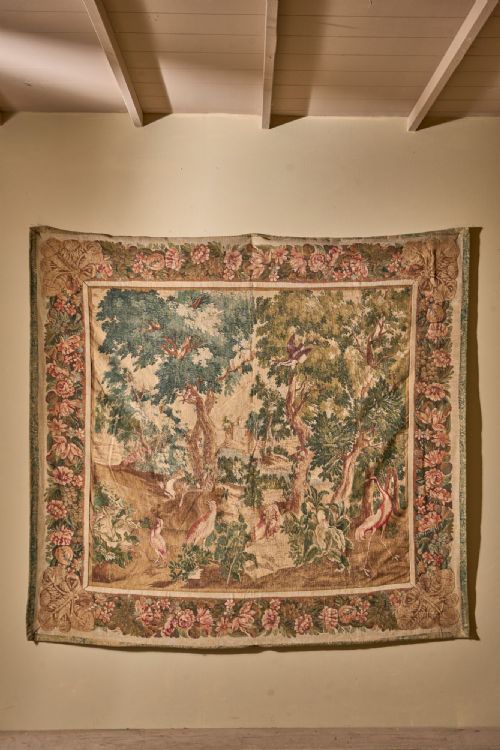
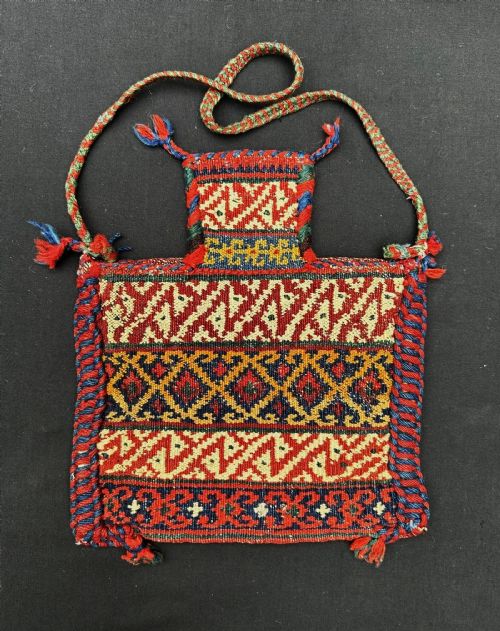
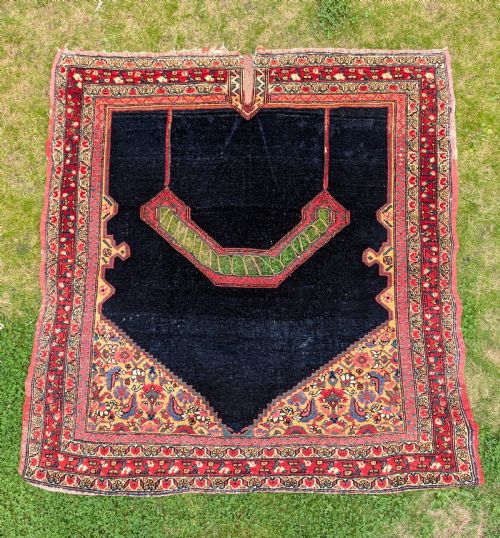
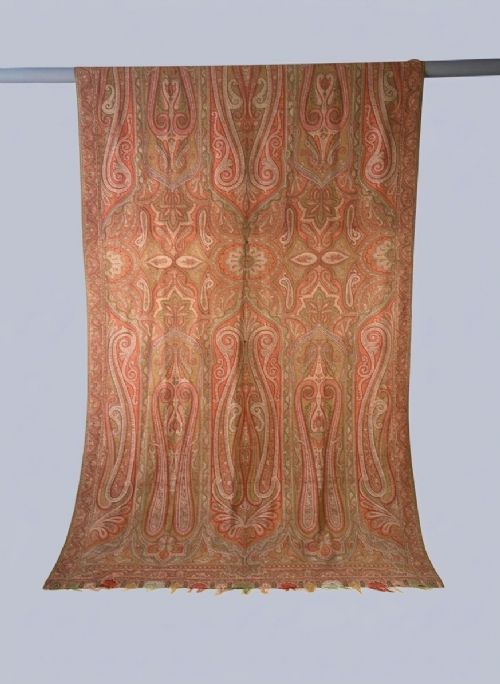
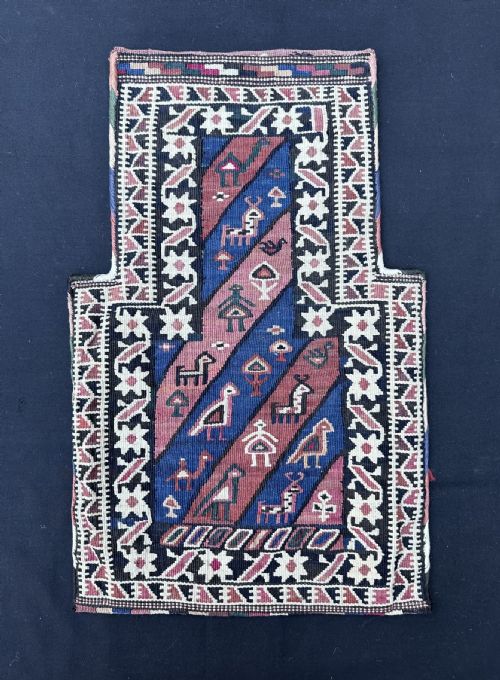
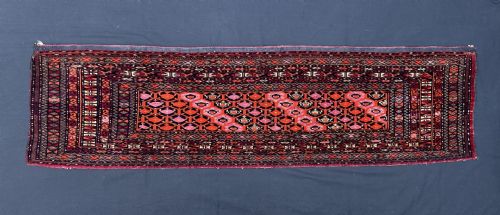
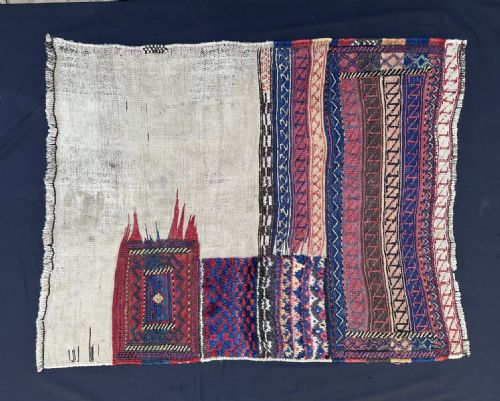
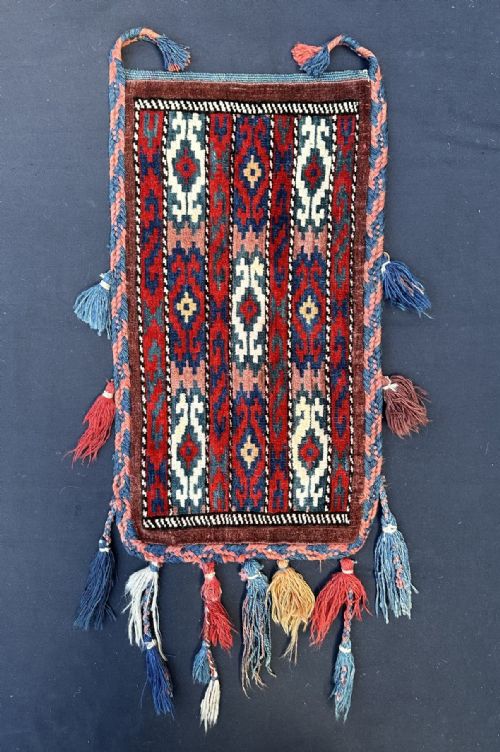
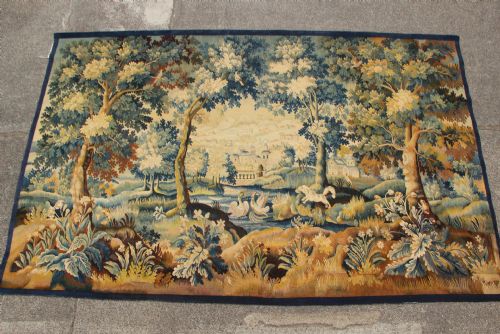
A woven textile wall hanging encompasses functional tribal weavings, European verdure tapestries, and ceremonial horse covers from the nineteenth and early twentieth centuries. When searching this phrase, you encounter nomadic bags, saddle covers, and large wall tapestries originating from Persia, Central Asia, and Europe.
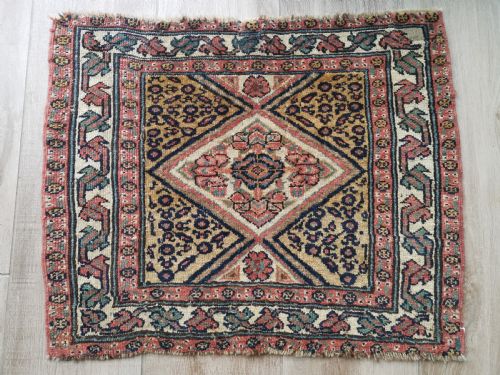
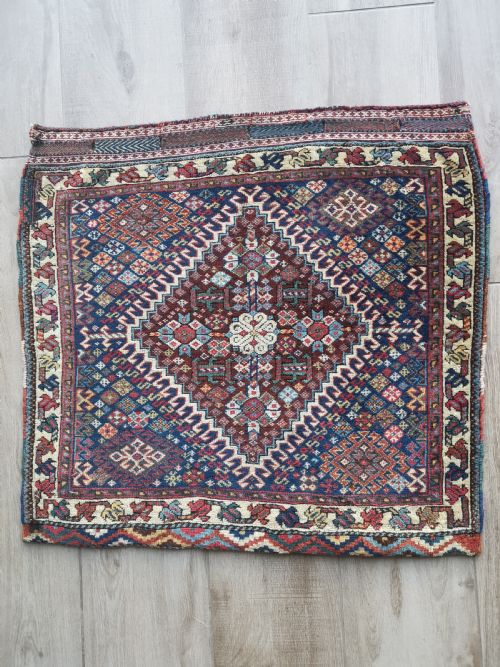
The pieces on this page lean heavily toward nomadic utility items and European decorative wall panels dating from the 1860s to the 1920s. Tribal bagfaces, animal trappings, and Verdure tapestries dominate the selection, reflecting domestic and nomadic textile traditions.
Materials and construction methods
The physical construction relies on natural fibres such as wool, cotton, silk, linen, and hand-spun wool, often combined with natural dyes. Artisans utilised these materials to build resilient structures suitable for nomadic transport or grand European interiors.
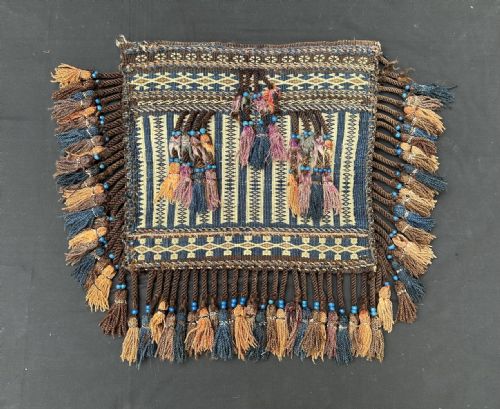
Certain examples incorporate decorative flourishes like glass beads and cowrie shells, adding tactile depth to the woven surface. These elements demonstrate the diverse regional techniques employed across Persian, Turkmen, and European workshops.
Several items retain their original cowrie shells, once attached to ward off the evil eye during desert travels.
Distinctions in craftsmanship
Quality rests upon the precision of the weave, the complexity of the design, and the survival of original structural elements like tassels and borders. Pieces retaining their full format and early natural dye palettes display greater artistic integrity.
The distinction between standard utility weavings and masterworks lies in the fineness of the wool preparation and the expressive depth of the imagery. Tribal pieces with clear provenance and balanced symmetry occupy the higher tier.
The Woven Textile Wall Hanging Glossary
- Verdure tapestry
- A European wall hanging featuring a stylized landscape design dominated by foliage, trees, and occasional animals. These pieces were woven in regions like Aubusson and France during earlier centuries.
- Asmalyk
- A pentagonal trapping traditionally used on the flanks of a camel during Turkmen wedding processions. They represent significant nomadic textile artistry.
- Bagface
- The decorative front portion of a nomadic storage bag, preserved and displayed independently as a flat textile. These display concentrated tribal motifs and iconography.
- Natural dye
- Colourants derived from plants, insects, and minerals rather than synthetic chemicals. They provide the rich, mellow tones seen in older textiles.
Woven Textile Wall Hanging: Frequently Asked Questions
What is a woven textile wall hanging?
A woven textile wall hanging is a decorative fabric piece designed for display on a wall. These items range from European landscape tapestries to repurposed tribal bags and horse covers.
Such pieces bring historical depth and varied textures into modern living spaces. They reflect the utilitarian craft and artistic expression of nomadic and European makers.
How were tribal bags used originally?
Nomadic groups utilised woven bags for storage, transporting household goods, or equipping animals during migrations. Items such as salt bags and saddle covers served daily practical functions within tribal camps.
Over time, many of these functional objects became prized collector pieces. Their survival preserves the specific weaving traditions of regions across Persia and Central Asia.
How do I hang a textile securely?
Hanging a textile safely requires distributing the weight evenly across the entire upper edge. Conservation methods often involve stitching a fabric sleeve or Velcro strip to the back.
Direct gluing or nailing damages the material and compromises its structural integrity. Proper mounting ensures the piece hangs flat without placing undue stress on individual threads.
Can I date a textile by its materials?
Materials offer clues to age, particularly through the presence of hand-spun wool and early natural dyes. Older pieces often exhibit subtle variations in tone that result from traditional dyeing processes.
Synthetic dyes generally point toward later periods of production. Examining the fibre preparation alongside stylistic motifs helps clarify the approximate era of creation.