


Antique Woven Blanket
When you handle an antique woven blanket, you hold centuries of tribal craft, practical utility and enduring textile artistry.
Antique Woven Blanket
An antique woven blanket encompasses domestic covers, tribal horse blankets, ceremonial saddle covers, and flat-woven kilim panels spanning the nineteenth and early twentieth centuries. These textiles originate from diverse regions, including Central Asia, Persia, Anatolia, and Scandinavia, reflecting deeply embedded cultural weaving traditions.
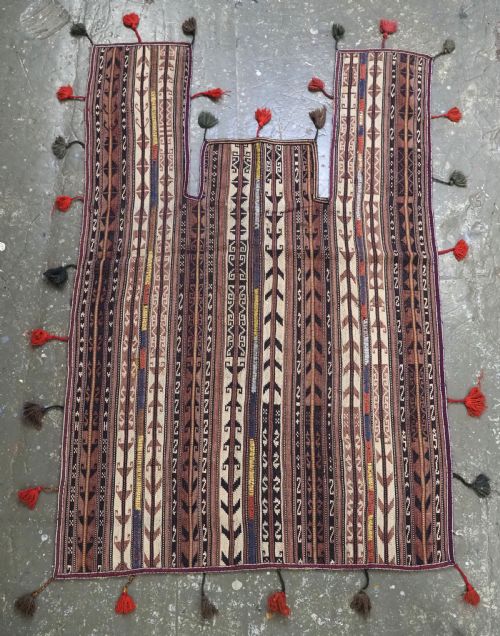
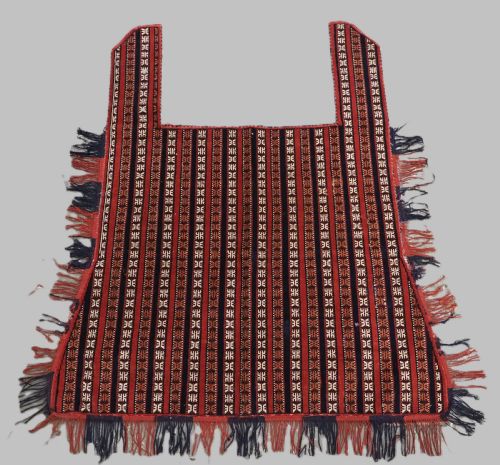
Buyers seeking an antique woven blanket will frequently encounter tribal pieces originating from Turkmen, Qashqa'i, and Afghan workshops alongside nineteenth-century European textiles and Swedish country items. Forms range from utilitarian bedspreads and coverlets to decorative wall hangings and floor spreads.
The materials and construction methods vary significantly between nomadic tribal pieces and European domestic textiles. Many examples utilise multiple panels stitched together or incorporate traditional flat-weaving techniques.
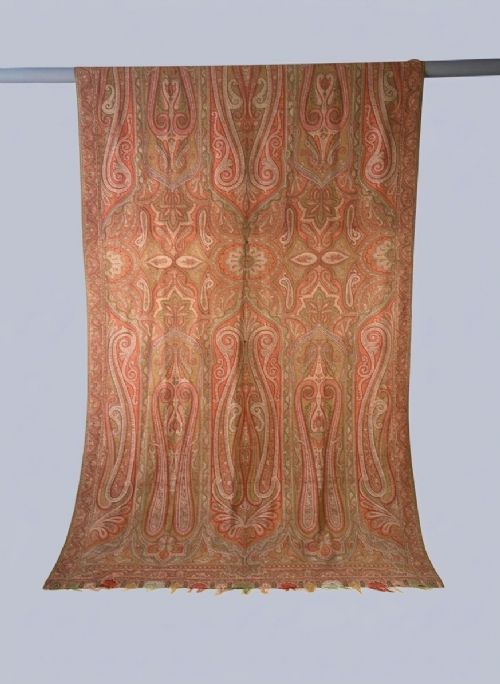
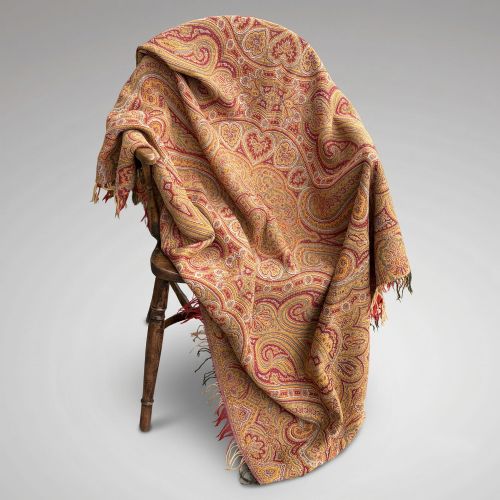
Selecting an antique woven blanket requires an appreciation of regional patterns, such as classic Yomut designs or traditional Paisley motifs found in Victorian shawls.
How they were made
Weavers utilised natural fibres such as wool, cotton, and silk, spinning and dyeing materials by hand to create durable and visually striking textiles. Nomadic and village makers constructed pieces on traditional looms, frequently dividing larger formats like kilim panels into distinct strips or parts that were subsequently joined.
Structural elements occasionally incorporated supplementary materials, with specific Scandinavian storage pieces integrating pine and metal or iron components alongside textile elements. Traditional finishing techniques included original tassels and flat-weave structures designed for intensive daily utility or ceremonial application.
Current listings feature textiles spanning the nineteenth and early twentieth centuries, incorporating wool, cotton, silk, and pine materials across various tribal and European styles.
What varies in quality
The standard of an antique woven blanket depends upon the precision of the weave, the integrity of the structural joins, and the preservation of original details like tassels and edge bindings. Finer examples display meticulous execution in complex geometric or tribal motifs across wool and silk.
Material quality and dyeing execution dictate the longevity and visual depth of the piece. Superior specimens maintain structural soundness across multi-part constructions and retain the distinct characteristics of their specific tribal or regional origin.
The Antique Woven Blanket Glossary
- Kilim
- A flat-woven textile or rug produced without a pile, common in Anatolian, Persian, and Central Asian traditions. These pieces are constructed by tightly interweaving warp and weft strands.
- Chuval
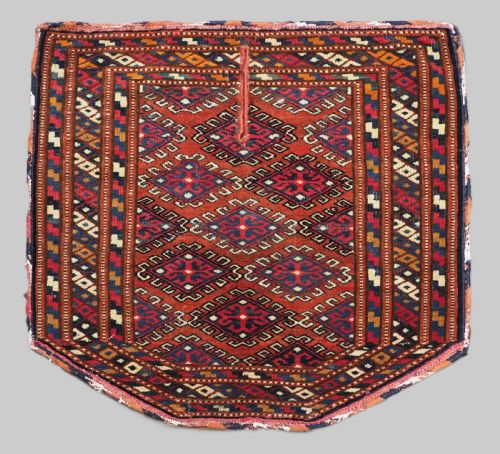
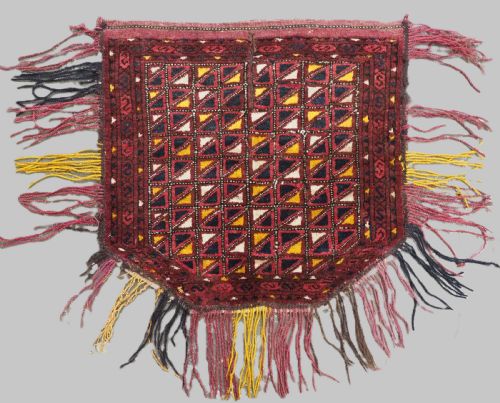
- A large tribal bag face or storage sack created by Turkmen groups, featuring intricate gushli or primary motif designs. They showcase characteristic nomadic knotting and dyeing methods.
- Paisley
- A traditional ornamental textile pattern utilising a curved Persian-derived teardrop motif, highly prevalent in nineteenth-century Scottish and Victorian wool shawls. The design required advanced weaving skill to execute correctly.
- Jajim
- A heavy flat-weave textile utilised as a floor spread, wall hanging, or cover, typically woven in narrow strips on portable looms and stitched together. Bakhtiari and other Persian tribes frequently produced these items.
Antique Woven Blanket: Frequently Asked Questions
How were antique woven blankets used?
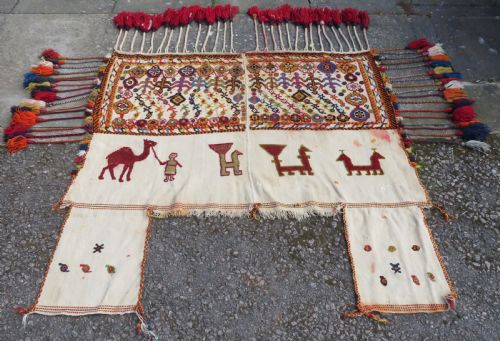
These textiles served varied domestic, nomadic, and ceremonial functions, ranging from functional bedspreads and coverlets to horse blankets and saddle covers. Tribal communities utilised durable flat-weaves for travel, warmth, and animal transport during migrations.
In European and Scandinavian contexts, heavy wool and cotton textiles provided household warmth, while specialised items functioned as decorative wall hangings or floor spreads in domestic interiors.
How do I care for an antique woven blanket?
Preserving these historical textiles requires careful handling, minimal direct sunlight to protect natural wool and silk dyes, and regular gentle ventilation. Avoid heavy washing methods and consult a textile conservator for specialised cleaning.
When displaying pieces as wall hangings or floor spreads, distribute weight evenly and utilise breathable mounting materials to prevent strain on original stitches and joins.
How are periods identified in these textiles?
Dating relies upon structural analysis, stylistic attributes, regional weaving techniques, and material composition characteristic of nineteenth and early twentieth-century production. Tribal pieces often display specific clan symbols that align with documented historical periods.
Comparison with established regional typologies helps differentiate mid-nineteenth-century items from later turn-of-the-century and 1920s examples.