




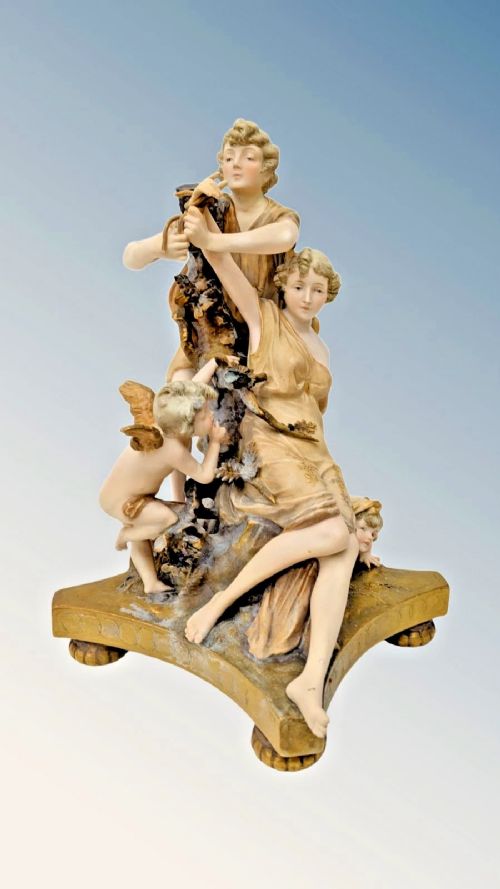


Terracotta Classical Figure
These terracotta classical figure pieces bring ancient myth and portraiture into the home, shaped in fired clay across the nineteenth and early twentieth centuries.
Terracotta Classical Figure
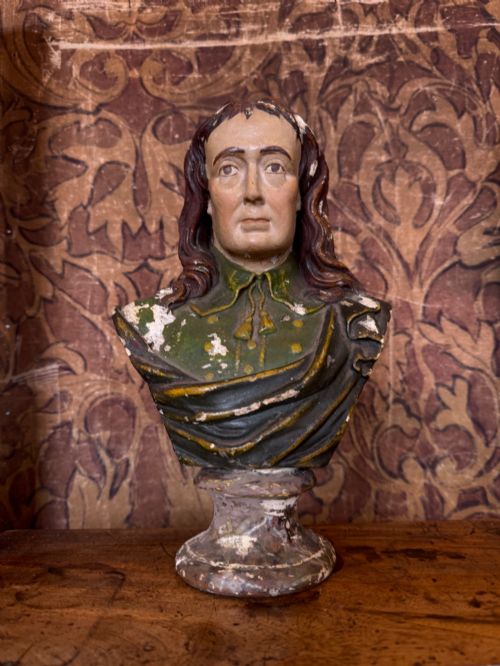
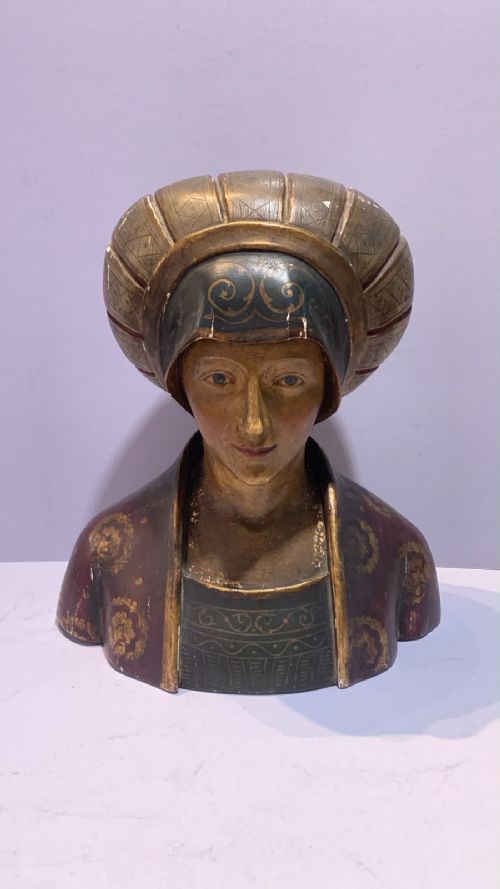
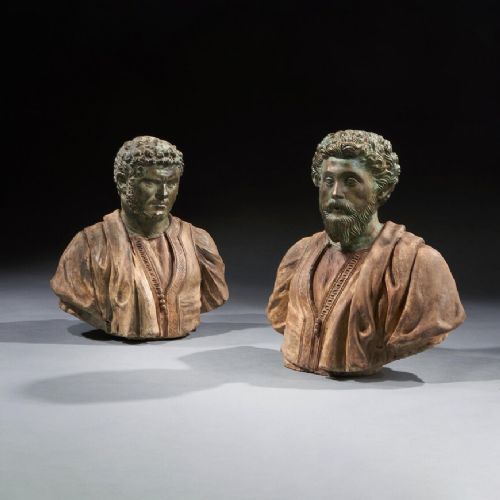
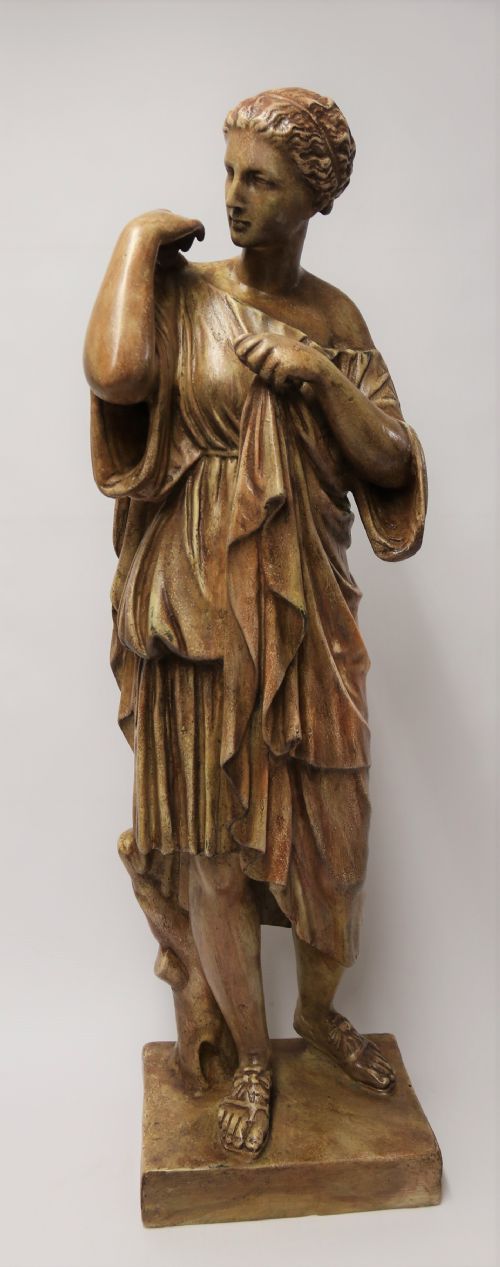
A terracotta classical figure draws upon ancient Greek and Roman subjects, often taking the form of deities, emperors, literary heroes, or mythological groups such as Cupid and Psyche. These works frequently arrive from Grand Tour travels or European revival movements, capturing antiquity through sculpted form.
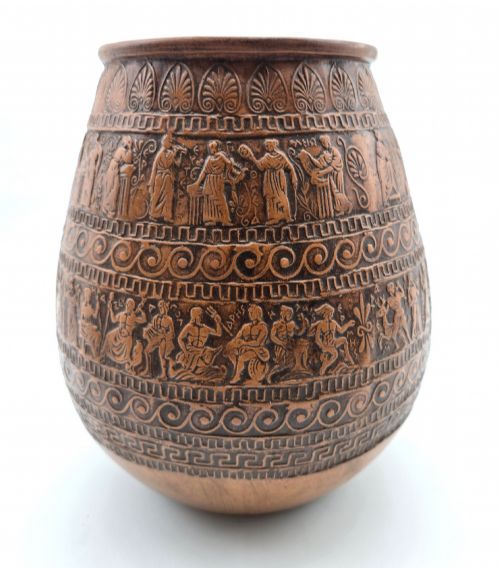
The selection here ranges from cabinet busts of Caesars and noblewomen to larger sculptural groups and vases, spanning periods from the eighteenth century to the art deco era. Makers and modellers rendered these figures in materials including terracotta, earthenware, and bisque, aligning with neoclassical and classical revival tastes.
Materials and construction
Makers shaped these pieces using refined clay or terracotta, often pressing the material into moulds or hand-modelling details before firing the body in a kiln. Firing temperatures and clay composition determined the final porousness and warm reddish-brown or buff hue of the sculpture.
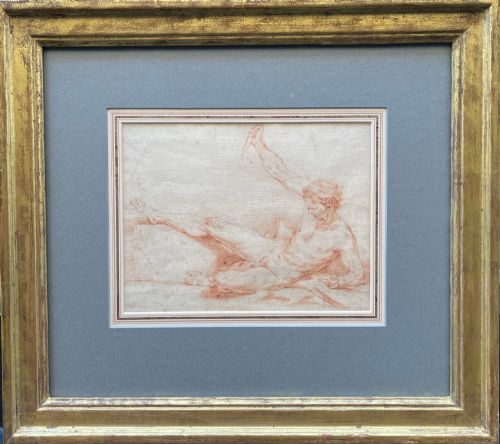
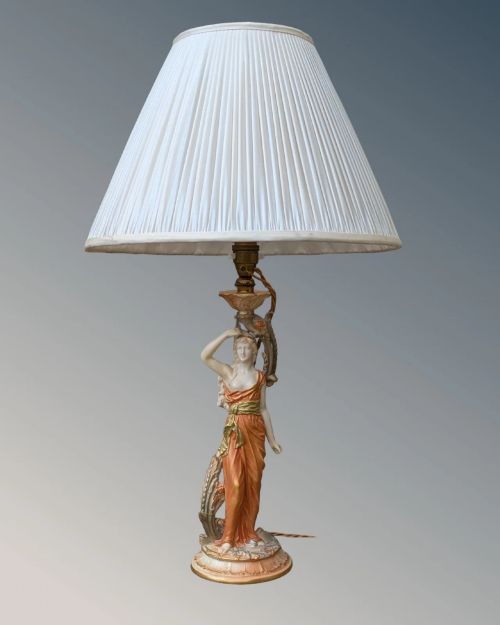
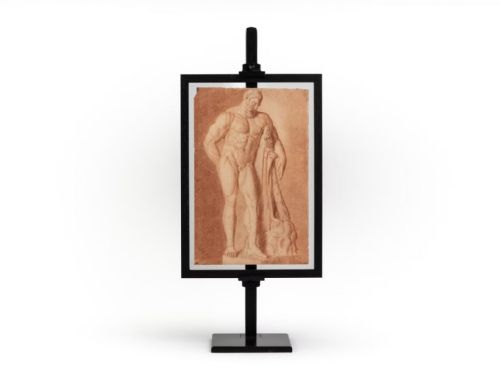
Listings span the eighteenth to the twentieth centuries, featuring terracotta, earthenware, and porcelain alongside related drawings and lamps.
Judging the work
Quality rests upon the crispness of the modelling and the depth of anatomical understanding in the face and limbs. Softer, over-moulded casts lose the sharp articulation of hair, muscle, and drapery found in works by skilled modellers and established potteries.
The sophistication of the patination and surface finish distinguishes standard commercial productions from finer sculptural editions. Original patination that retains its subtlety without obscuring the clay beneath elevates the piece.
Richard Avrilli·Royal Dux·Goldscheider·P. Ipsens Enke·Joseph Gott·Octave Galliard-Sansonetti
The Terracotta Classical Figure Glossary
- Terracotta
- Fired unglazed clay of a brownish-red colour, utilised extensively for sculpture and architectural ornaments.
- Grand Tour
- A cultural journey of Europe undertaken by wealthy young men in the eighteenth and nineteenth centuries, bringing home small sculptures and busts.
- Neoclassical
- A Western cultural movement drawing inspiration from the art and culture of classical antiquity.
- Bisque
- Unglazed white porcelain fired once before any decoration is applied, yielding a matte texture similar to marble.
- Patina
- A thin layer that develops on the surface of materials through age and use, or applied artificially to simulate antiquity.
Terracotta Classical Figure: Frequently Asked Questions
What is a terracotta classical figure?
It is a sculptural work modelled in fired clay depicting subjects from classical antiquity, mythology, or historical portraiture. These pieces reflect revival styles popular during the nineteenth and early twentieth centuries.
Such figures range from small cabinet busts of Roman emperors to full-bodied mythological groups. They served primarily as decorative objects for libraries, studies, and drawing rooms.
How do I date these figures?
Dating relies on stylistic clues, workshop marks, and the character of the clay body and surface patination. Nineteenth-century examples often connect to Grand Tour souvenirs or specific European pottery firms.
Examining the underside and any impressed stamps provides further evidence of the period and origin. Comparing the modelling style to known Victorian or Edwardian revival trends helps narrow the timeframe.
Where were these displayed originally?
Owners typically placed them on mantelpieces, bookshelves, pedestals, or dedicated display tables within period interiors. They functioned as conversation pieces that signalled classical learning and refined taste.
In Victorian and Edwardian homes, smaller busts and figures filled domestic spaces to evoke the grandeur of ancient Greece and Rome.
How do I care for terracotta sculpture?
Keep the pieces away from excessive moisture and direct sunlight, dusting them gently with a soft, dry brush. Terracotta is porous and can absorb liquids or stain if exposed to damp environments.
Avoid using water or chemical cleaners on unglazed surfaces, as moisture can alter the clay or lift applied patinas. Handle the sculptures firmly by their sturdy bases rather than fragile extremities.