





Neoclassical Grand Tour Sculpture
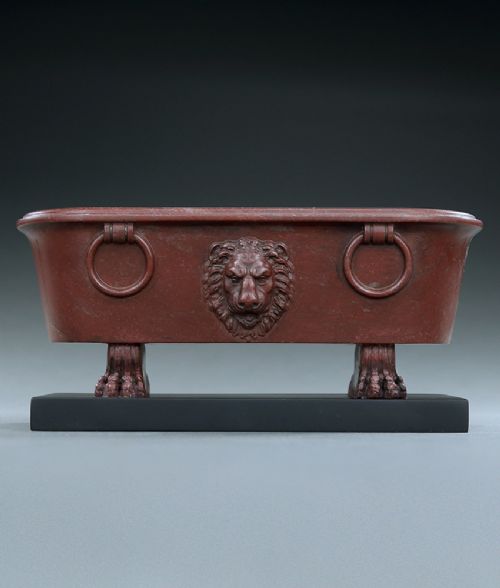
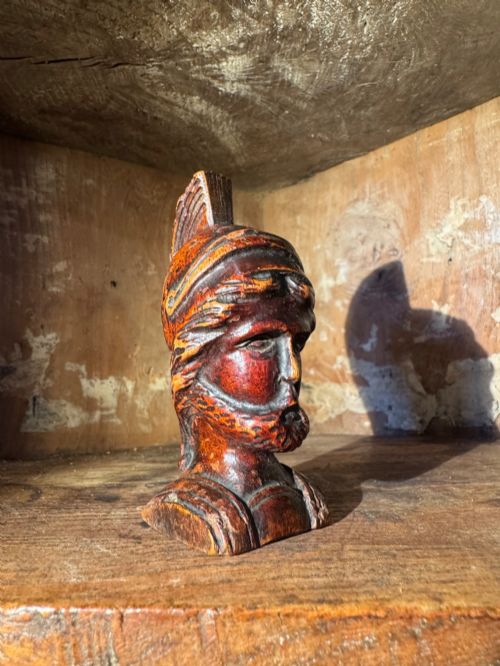
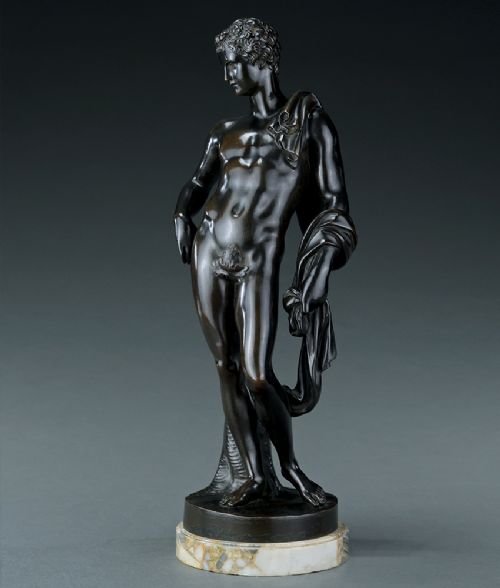
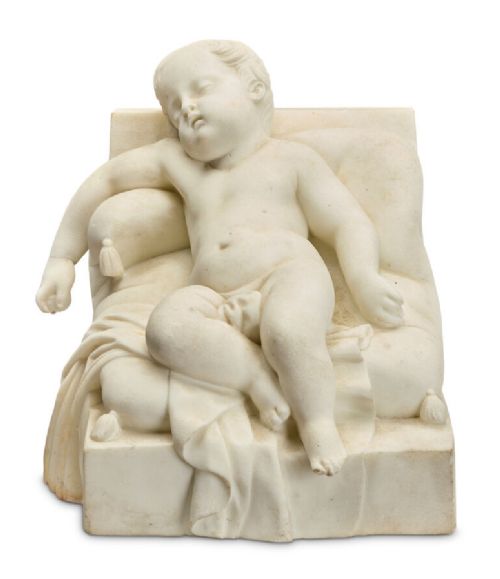
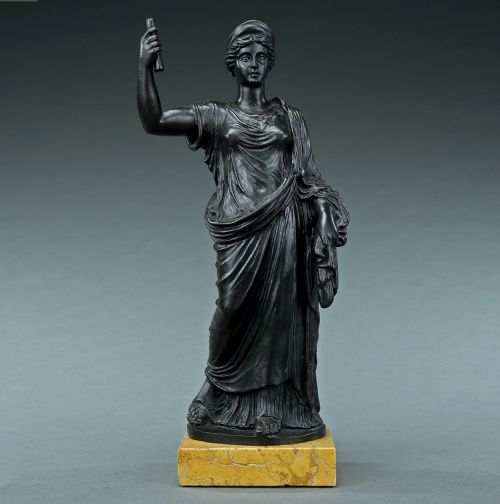
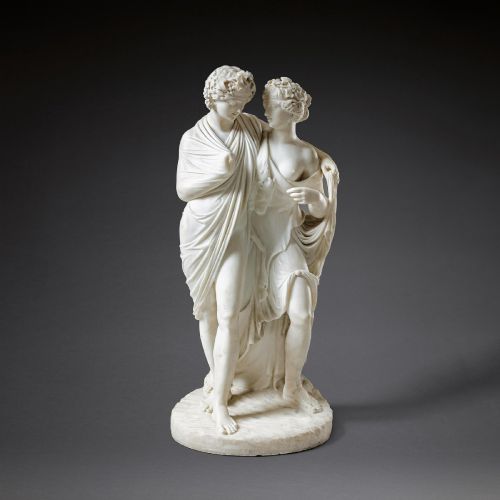
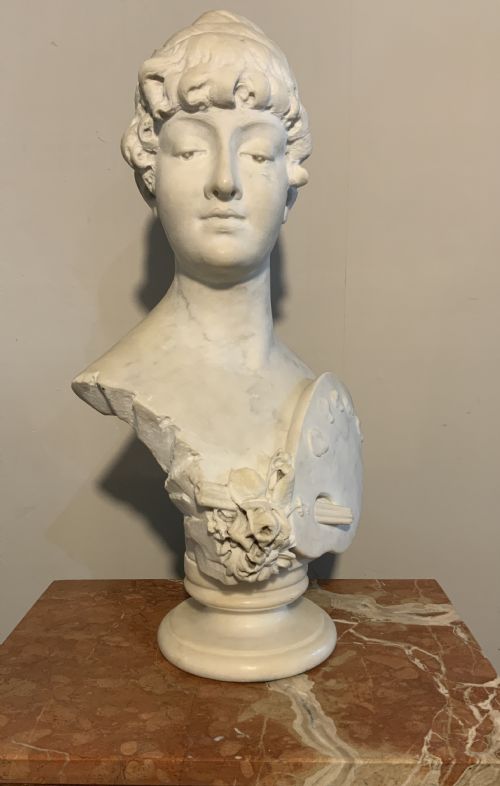
Neoclassical grand tour sculpture brings classical antiquity into private interiors through bronze figures and marble busts collected during European travels.
Neoclassical Grand Tour Sculpture
When searching for neoclassical grand tour sculpture, buyers encounter pieces that recreate ancient Greek and Roman art. These works served as souvenirs for travellers journeying through Italy during the eighteenth and nineteenth centuries.
The selection on this page centres primarily on nineteenth-century creations, spanning the Victorian era through to the early twentieth century. Common forms include miniature bronzes of mythological figures, marble busts of emperors, and architectural models of temples.
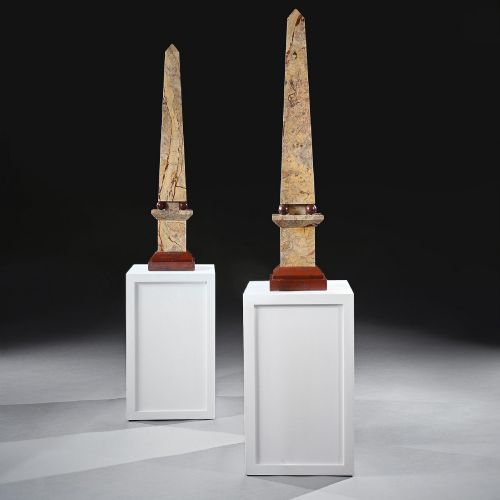
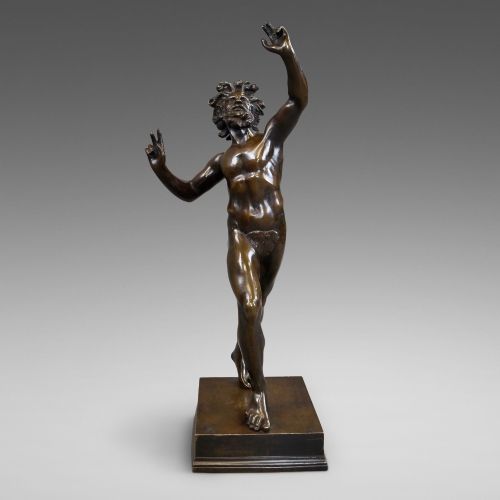
Subjects range from the Venus de Milo and dancing fauns to historical philosophers and lions after Canova. Pieces often combine cast metals with coloured marble bases, reflecting the materials encountered in Italian collections.
How They Were Made
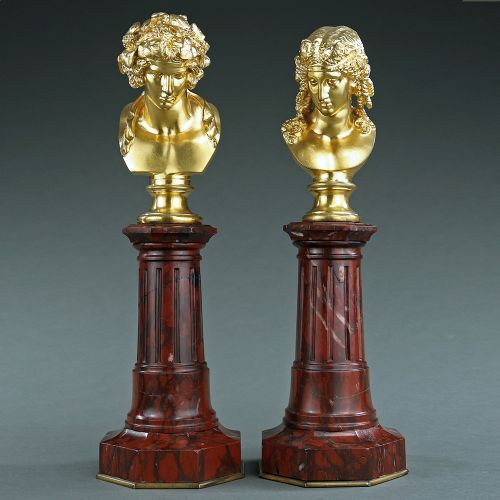
Materials divide into cast metals and carved stones, with bronze and patinated bronze appearing frequently alongside white Carrara, Siena, and Rosso Antico marbles. Founders utilised lost-wax casting for figures, producing detailed bronzes with dark patinas or gilt finishes.
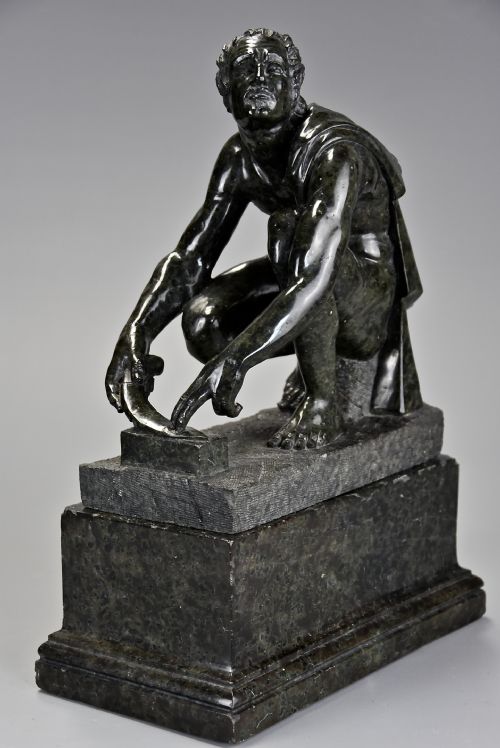
Stone elements were hand-carved and polished, sometimes incorporating distinct mineral varieties like serpentine and verdo prato to emulate ancient polychrome masonry. Plaster, cast iron, and stucco also appear in the record, utilised for architectural plaques and figures.
Listings feature nineteen-century bronzes and marbles depicting classical deities, Roman emperors, and architectural ruins.
What Varies in Quality
Quality rests upon the crispness of the chasing in bronze casts and the depth of detail in marble carving. Superior examples capture the musculature and drapery of classical prototypes with precision, whereas simpler pieces show softer lines and less refined finishing.
The selection of the base material matters, as solid coloured marbles elevate an object above standard wooden or basic stone mounts. Signed works or those attributed to known founders and workshops command greater regard for their documented origin.
Ferdinand Barbedienne·Carlo Albacini·Émile Louis Picault·Jean Antoine Houdon·Benedetto Boschetti
The Neoclassical Grand Tour Sculpture Glossary
- Patinated bronze
- Bronze treated with chemical solutions to produce a specific surface colour, most commonly dark brown or green.
- Carrara marble
- A type of white or blue-grey marble from the city of Carrara in Tuscany, prized for sculpture.
- Verdo prato
- A dark green Italian marble utilised for decorative architectural elements and sculptural bases.
- Tazza
- A shallow cup or bowl on a stem and foot, frequently carved from decorative stone during the grand tour period.
- Spelter
- An alloy of zinc used as a cheaper alternative to bronze for sculptural castings.
Neoclassical Grand Tour Sculpture: Frequently Asked Questions
What is a grand tour sculpture?
These pieces are miniature or reduced-scale replicas of classical antiquities purchased by travellers in Italy. They served as tangible reminders of classical art seen during educational journeys.
Subjects typically replicate famous statues housed in European museums, translating monumental marble and bronze into portable domestic objects.
How do I identify the material?
Close inspection reveals the weight, temperature, and surface texture of the object. Bronze feels cold and heavy, whereas spelter is lighter and softer under the fingernail.
Marbles display natural veining and cold density, while plaster and stucco feel lighter and more porous when examined.
Where were these sculptures placed?
Collectors displayed these items on libraries, desks, and mantelpieces within nineteenth-century homes. They demonstrated classical learning and refined taste to visitors.
Pairs of obelisks or lions often anchored architectural groupings on bookcases or side tables.
How do I date these pieces?
Dating relies on stylistic clues, mounting techniques, and foundry marks recorded in the metal. Nineteenth-century examples often show specific patination and wear consistent with age.
Archival connections to known sculptors or grand tour guides help narrow the period of production.