



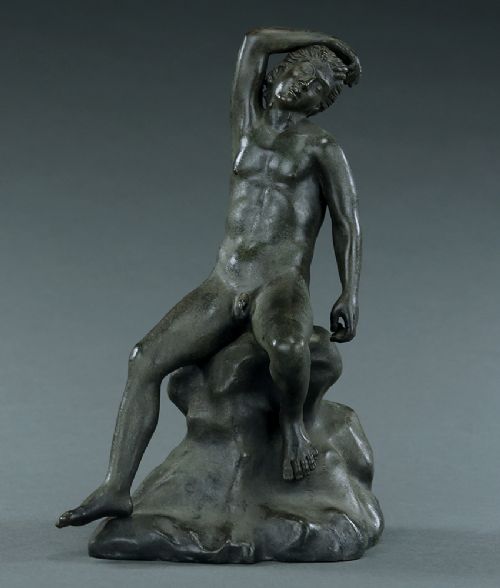
Grand Tour Souvenir Figure
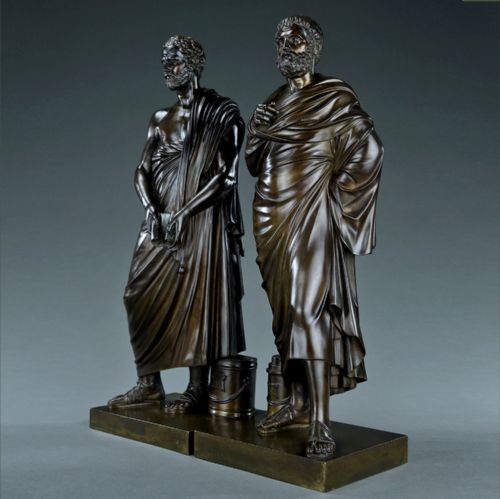
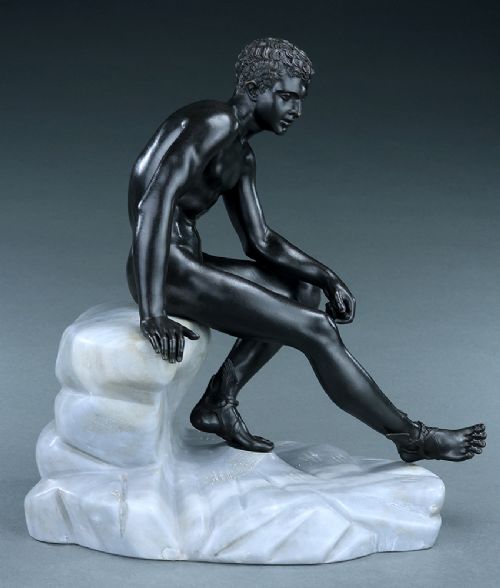
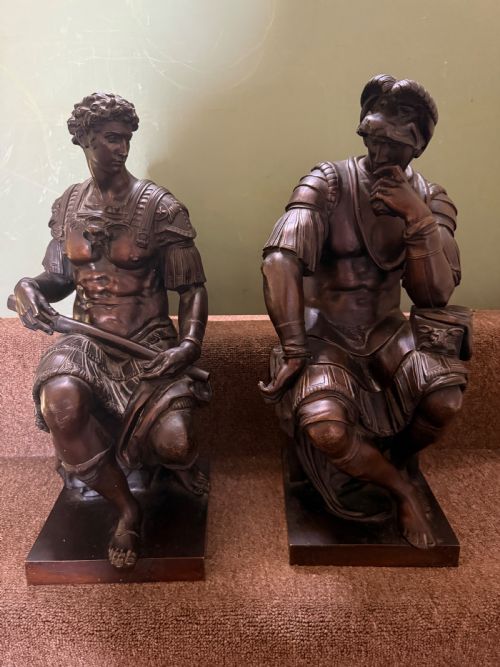
A grand tour souvenir figure captures the classicism of ancient Rome and Greece through miniature bronzes and carved marbles.
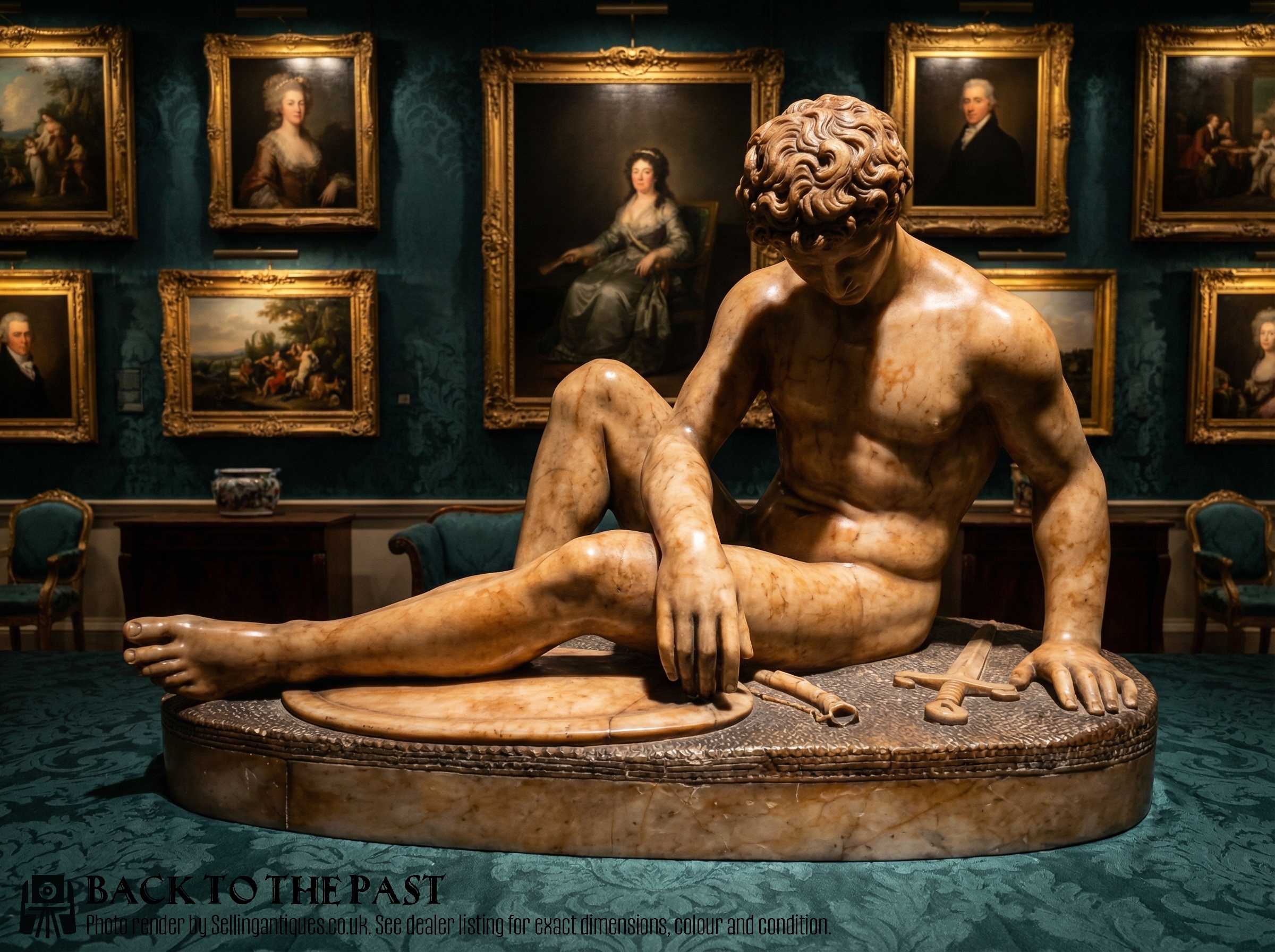
Grand Tour Souvenir Figure
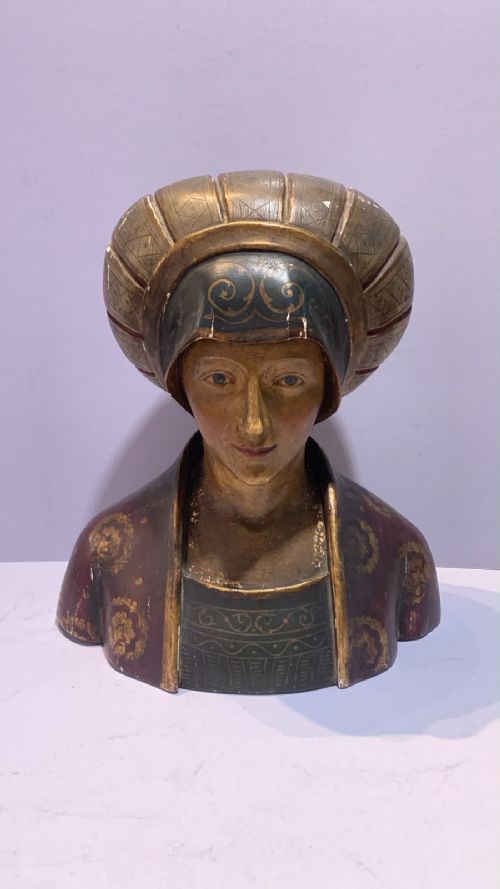
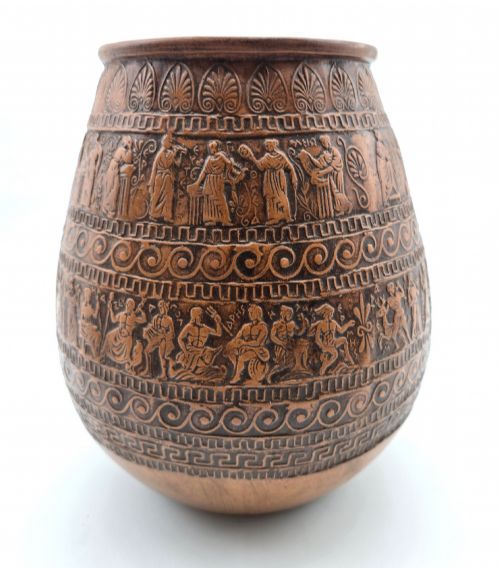
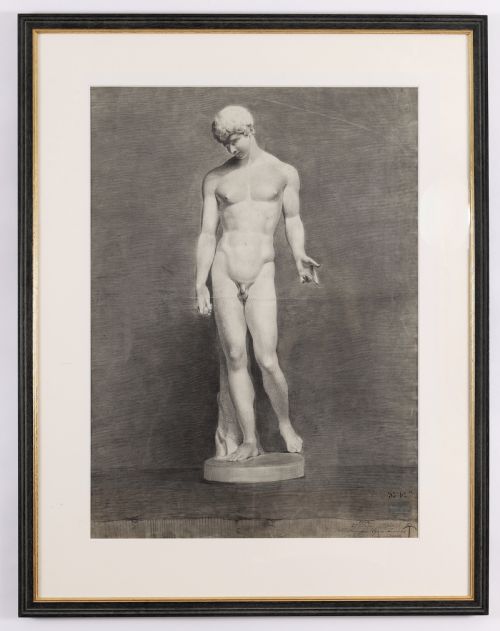
A grand tour souvenir figure represents classical sculptures, mythological subjects, and architectural landmarks collected by travellers journeying through Italy during the nineteenth century. These small-scale works translate monumental antiquities into domestic objects suited for libraries and studies.
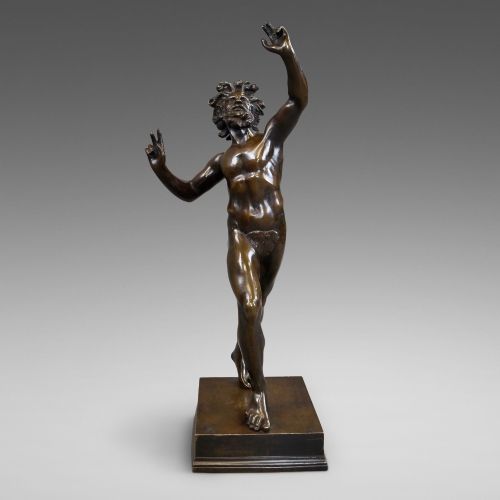
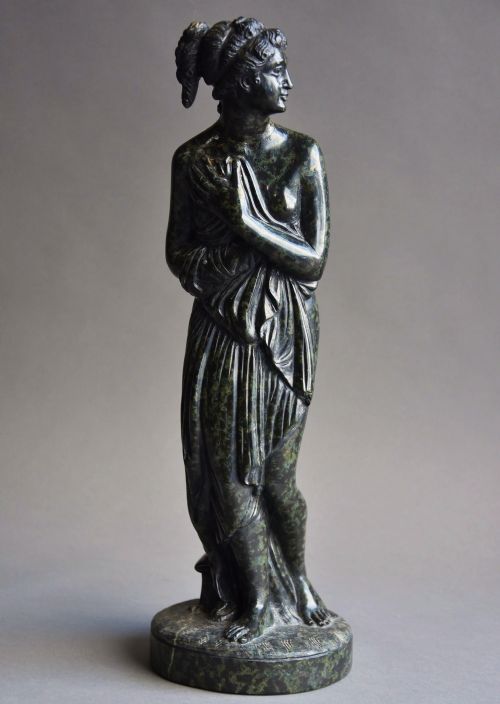
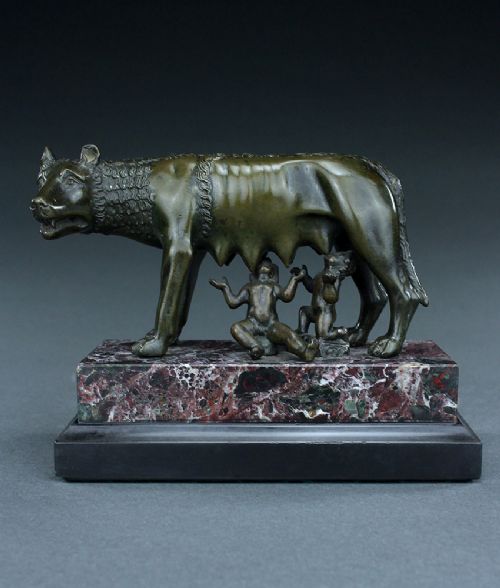
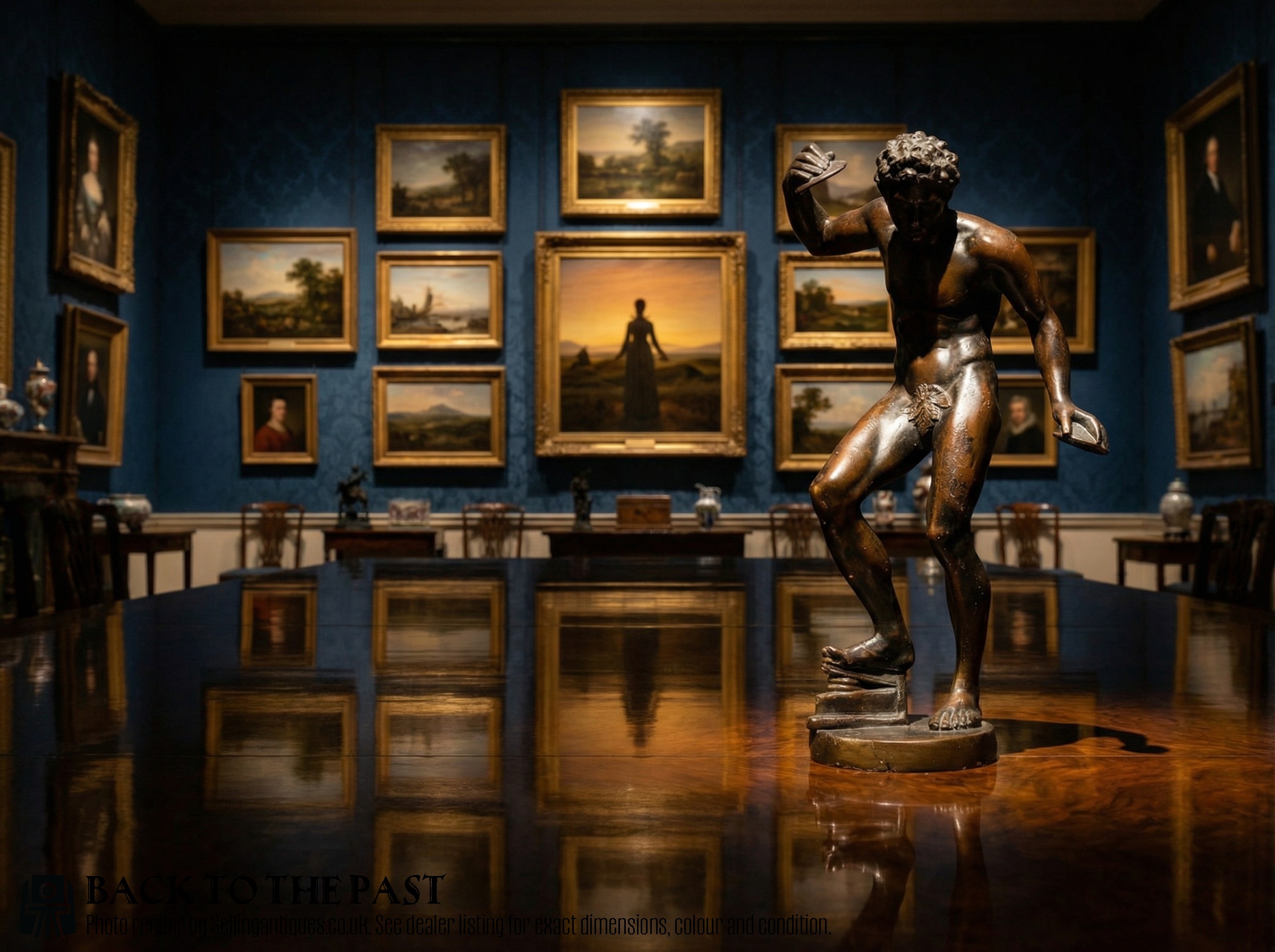
The version most frequently encountered on this page is a cast bronze study mounted on a marble or stone plinth base. Common subjects draw directly from renowned excavations and museum collections, including dancing fauns, lions, and classical deities.
How they were made
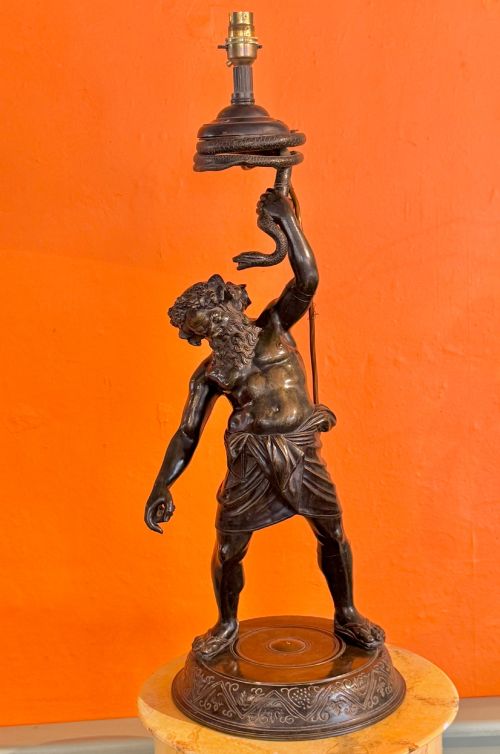
Metalsmiths utilised traditional casting techniques to shape bronze and brass into detailed figures, often applying chemical patination to achieve dark brown, green, or verdigris surfaces. These patinas simulate the age and weathering of ancient bronzes recovered from archaeological sites.
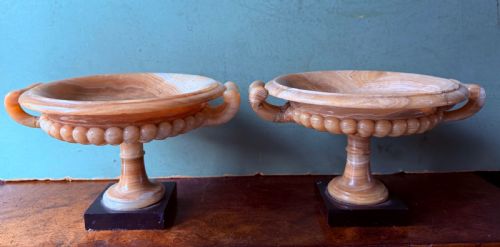
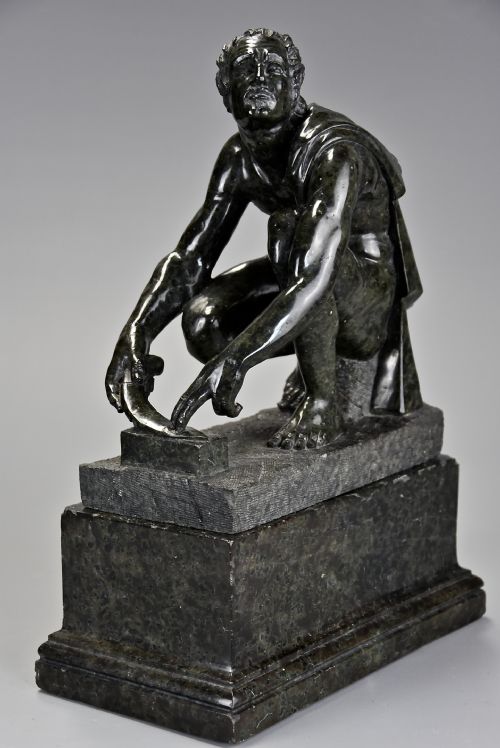
Carvers shaped various stones including marble, alabaster, serpentine, and local Italian varieties to form integrated or separate plinths and sculptural bodies. The combination of patinated metal and figured stone creates the characteristic weight and contrast found across these objects.
Grand Tour Souvenir Figure Retail Price Guide 2026
Typical asking prices for grand tour souvenir figure among the pieces listed under this phrase on Sellingantiques today, from the lower quarter to the upper quarter. They describe what is for sale here now, not the wider market.
Ancient Roman drinking habits live on through multiple generations of small bronze fauns caught permanently mid-stagger.
What varies in quality
Material selection and mounting craftsmanship also separate standard examples from superior ones. Finely figured marble bases, secure fixings, and careful hand-chiselling elevate the overall presence of the object.
G Amodio Naples
The Grand Tour Souvenir Figure Glossary
- Patination
- The chemical treatment or natural ageing process that colours the surface of bronze. Dark green, brown, and verdigris tones are typical of nineteenth-century examples.
- Plinth
- The solid block of marble, stone, or wood upon which a sculptural figure rests. These bases frequently utilise contrasting materials like black or white marble.
- Alabaster
- A fine-grained stone used for carving figures and architectural tazze. It provides a translucent quality that mimics classical marble.
- Serpentine
- A mottled green mineral valued by Italian artisans for bases and carved animal figures. Its distinctive coloration resembles snake skin.
- After the antique
- A description applied to copies of famous classical sculptures housed in European museums and archaeological sites.
Grand Tour Souvenir Figure: Frequently Asked Questions
What is a grand tour souvenir figure?
These pieces are miniature bronze sculptures and carved stone figures collected by travellers exploring classical sites in Italy during the nineteenth century. They served as tangible reminders of museum collections and archaeological excavations.
Artisans in Naples, Rome, and Florence produced these reductions after famous ancient statues for display in private homes across Europe.
Where were these figures made?
Workshops in Italian cultural centres such as Naples, Rome, and Florence specialised in producing these souvenirs for foreign travellers. Local founders and stone-carvers used traditional methods to replicate renowned antiquities.
Many pieces reflect the specific regional materials available to these makers, including local marbles and volcanic stones.
How do I care for a bronze figure?
Dust the metal gently with a soft, dry cloth to prevent the accumulation of grit on the surface. Avoid using chemical cleaners, polishes, or water, which can damage the historic patination.
Keep the piece in a stable environment away from excessive moisture and direct sunlight to protect both the metal and the stone base.
How do I identify nineteenth-century pieces?
Examine the quality of the bronze casting, the hand-chiselling details, and the type of marble used for the plinth. Nineteenth-century examples often exhibit deep patination and material combinations typical of Italian workshops from that era.
Compare the subject matter against known classical antiquities and museum pieces popular during the nineteenth-century revival periods.