




Terracotta Statuette Figure
These terracotta statuette figure examples range from classical antiquity to the twentieth century, offering modelled form and historical presence for the home.
Terracotta Statuette Figure
A terracotta statuette figure represents modelled clay subjects spanning domestic decorative items, grand tour souvenirs and ancient artefacts. You encounter nineteenth century revival pieces alongside earlier styles and twentieth century modernist works.
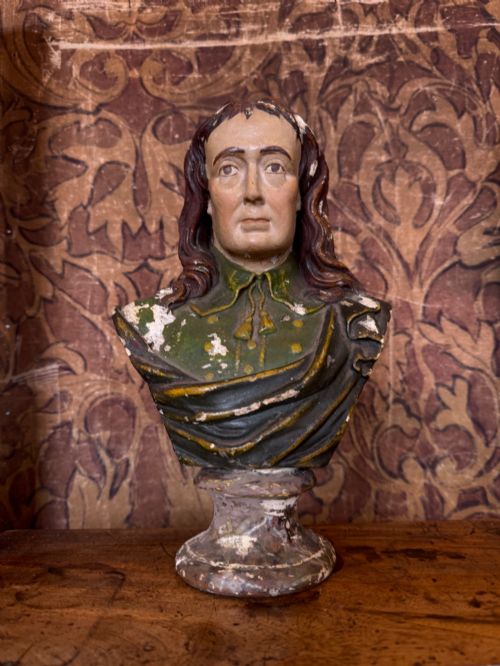
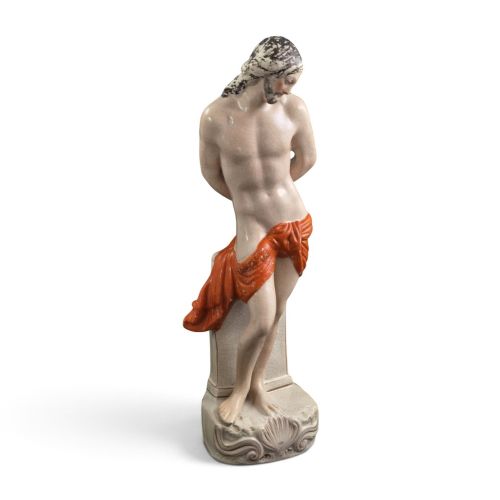
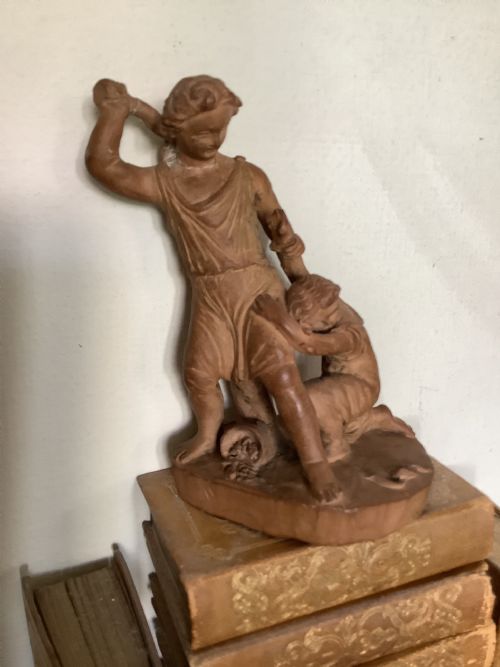
The selection includes figures of deities, animals, literary scenes and human subjects in various states of glaze and paint. Forms extend from small desk accessories and quill holders to larger sculptural models.
Makers and cultures represented stretch from British Staffordshire potteries and Bohemian ceramic works to Chinese regional kilns and classical antiquity. Each piece demonstrates the enduring appeal of fired earth sculpture across different eras.
How they were made
Makers shaped these objects primarily from clay and earthenware, firing the material to achieve a durable ceramic body. Some works received applied glazes such as sancai finishes, while others relied on the natural porous texture of unglazed terracotta.
Surface treatment frequently involved paint or gilding with gold leaf to highlight drapery, anatomical details and decorative attributes. Individual hand modelling or press moulding in clay determined the crispness of the final form before kiln firing.
Listings feature works spanning the nineteenth century alongside pieces attributed to the eighteenth century and ancient periods.
What varies in quality
Quality rests in the fidelity of the modelling and the sensitivity of the surface finish, whether in the expressive musculature of a classical figure or the glaze distribution on a glazed pottery animal. Finer examples display confident handling of the clay that captures anatomical detail or gesture without stiffness.
The sophistication of the secondary decoration, such as delicate painted highlights or well-preserved gold leaf, separates standard production pieces from finer sculptural works. Preservation of the original fired surface without extensive modern restoration remains central to the integrity of each piece.
Royal Dux Bohemia·Joseph Gott·Shiwan pottery
The Terracotta Statuette Figure Glossary
- Terracotta
- A porous fired clay body ranging in colour from buff to deep red-brown. It serves as the primary structural medium for unglazed or painted sculptural figures.
- Earthenware
- A broad category of pottery fired at lower temperatures than stoneware or porcelain. It requires glazing or painting to ensure impermeability.
- Sancai
- A traditional type of lead glaze used on pottery featuring low-firing colours typically including amber, green and cream. It is frequently associated with Chinese ceramic traditions.
- Gold leaf
- Extremely thin gold beaten into sheets and applied to surfaces as gilding. It highlights specific details on sculptures and decorative objects.
- Grand Tour
- A traditional trip of Europe undertaken by upper-class European young men of means in the eighteenth and nineteenth centuries. It generated a market for miniature sculptures and souvenirs modelled on classical antiquities.
Terracotta Statuette Figure: Frequently Asked Questions
How do I clean an old terracotta figure?
Dust gently with a soft, dry brush to remove surface particles without disturbing the porous clay body.
Avoid using water, liquid cleaners or abrasives, as moisture can penetrate unglazed earthenware and damage historic paint or gilding.
Where should I display these figures?
Place them on stable surfaces away from high-traffic areas where they might be knocked over or handled frequently.
Keep pieces out of direct sunlight and away from damp locations to protect painted surfaces and fragile ceramic edges.
How can I tell the period of a terracotta piece?
Examine the clay composition, tool marks and any surviving surface finishes such as glaze or polychrome paint for clues to manufacturing techniques.
Compare stylistic markers like drapery treatment or subject matter against known examples from Victorian, Art Deco or earlier regional traditions.
Are these figures fragile?
Fired clay and earthenware are inherently brittle and vulnerable to chipping or breakage if dropped or subjected to sharp impacts.
Handle them with clean hands, supporting the base and heaviest parts rather than protruding limbs or delicate attachments.