


Italian Terracotta Sculpture
These italian terracotta sculpture pieces bring warmth and expressive modelled detail into a room, spanning revivalist busts and decorative figures.
Italian Terracotta Sculpture
When you search for italian terracotta sculpture, you encounter works ranging from classical revival busts to garden figures and theatrical items. These objects capture the rich modelling traditions associated with Italian ateliers across several centuries.
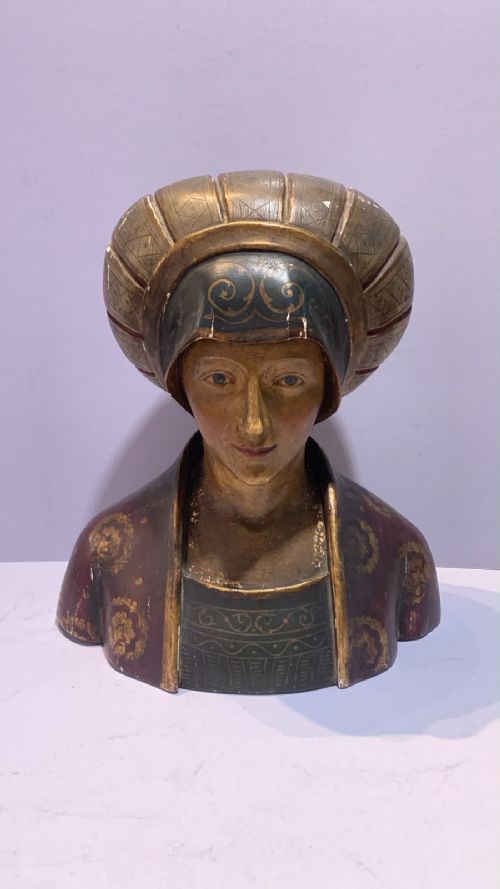
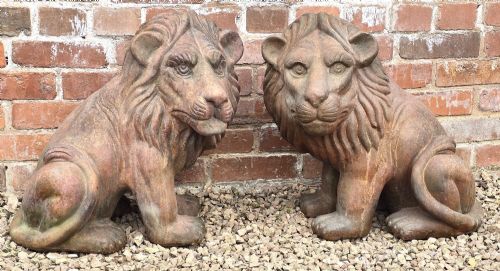
The pieces on this page most commonly include nineteenth-century grand tour busts, pairs of lions or cockerels, and sculptural groups. They draw upon classical precedents, Renaissance models and Baroque styles, rendered in fired clay.
Originating from Italian workshops or created in response to Italian aesthetics, these works demonstrate the versatility of terracotta. Collectors find both domestic decorative items and larger sculptural pieces that reflect changing sculptural tastes.
How they were made
Makers shaped these pieces primarily using clay, often applying gesso, plaster, pigment, polychrome paint or gold leaf for surface finish and colour. Hand sculpting allowed artisans to achieve fine facial expressions, drapery folds and textured details.
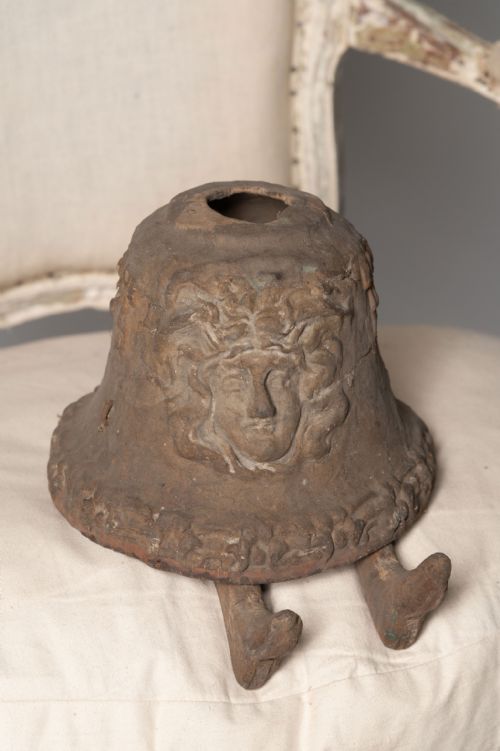
Firing transformed the raw clay into durable terracotta, which was subsequently finished with patinas, paints or gilt layers. Some works incorporate wooden elements or mounting bases to support the weight of the fired material.
Materials across these listings include terracotta, gesso, plaster, wood, clay, pigment, polychrome, and gold leaf.
What varies in quality
The application of polychrome pigments, gesso or gold leaf also influences the visual depth of a piece. Skilled application enhances the sculptural form, whereas heavier, opaque layers can obscure the underlying clay work.
Guido Cacciapuoti·A Gory
The Italian Terracotta Sculpture Glossary
- Terracotta
- Fired unglazed clay of a brownish-red colour, widely used for sculptural works. Its porous nature allows for detailed modelling before firing.
- Grand Tour
- A cultural journey undertaken by nineteenth-century travellers who acquired portable art and sculpture abroad. These souvenir pieces often reproduced classical antiquities.
- Polychrome
- The practice of decorating sculptural surfaces in a variety of colours. Pigments are applied directly to the terracotta or over a gesso ground.
- Creche figures
- Sculpted figures traditionally used in nativity scenes, often featuring detailed terracotta heads and articulated bodies. Neapolitan examples are particularly noted for their expressive characterisation.
- Gesso
- A white paint mixture consisting of a binder mixed with chalk, plaster or other pigments. It provides a smooth preparatory layer for gilding or painting on sculpture.
Italian Terracotta Sculpture: Frequently Asked Questions
How do I care for terracotta sculpture?
Keep terracotta indoors in a stable environment away from excess moisture and sudden temperature shifts. Dust the surface gently with a soft, dry brush.
Avoid using water or liquid cleaners, particularly on pieces with polychrome paint, gesso, or gold leaf finishes.
Are these pieces solid or hollow?
Terracotta sculptures are often hollow or built around a core to ensure even drying and firing in the kiln. Larger figures and life-size busts require this construction method to reduce weight and prevent cracking.
Smaller decorative items or plaques may be thinner or mounted onto supportive backings.
How are different periods identified?
Dating relies on stylistic clues such as revival motifs, modelling techniques, and surface treatments like nineteenth-century patination. Inscriptions, maker signatures, or specific regional styles also help indicate the era of production.
Comparing a piece to documented grand tour objects or period revival standards provides further context.