

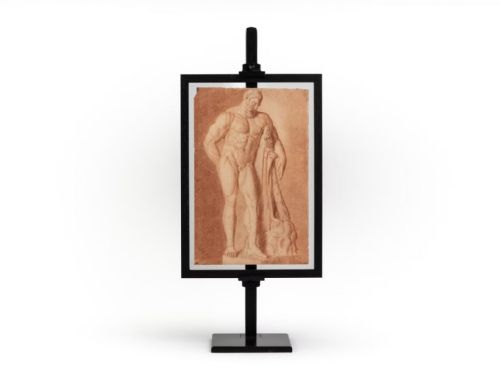


Grand Tour Terracotta
Grand tour terracotta brings home the classical sculpture and architecture that travellers encountered on their journeys across Italy and Greece.
Grand Tour Terracotta
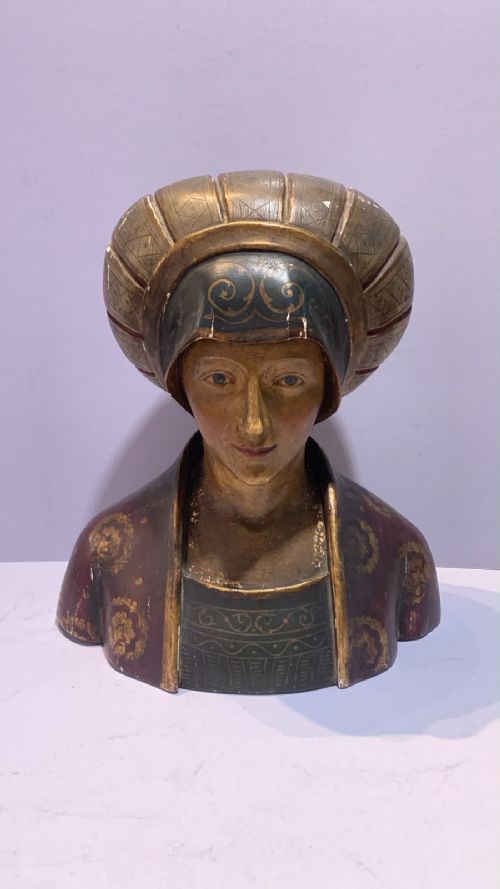
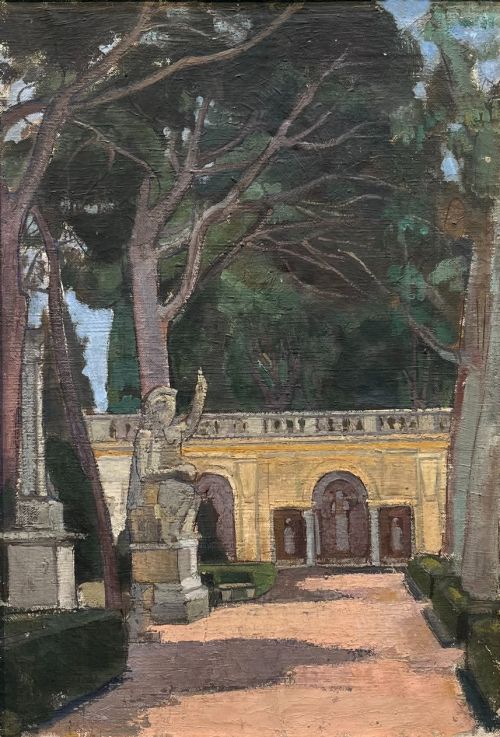
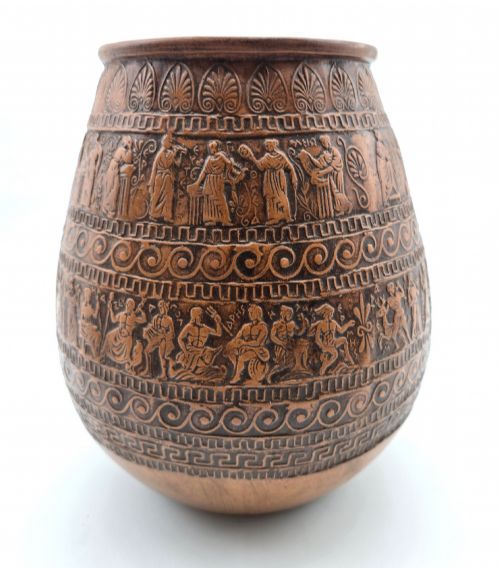
Grand tour terracotta encompasses sculptures, busts, vases, urns, and jardinieres created to commemorate travels through Europe and the Mediterranean. These pieces replicate ancient classical antiquities, Renaissance subjects, and architectural motifs that travellers admired abroad.
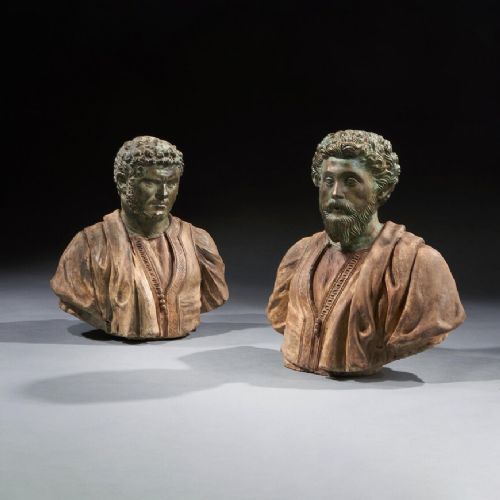
The items found here date primarily from the eighteenth and nineteenth centuries, reflecting the height of the grand tour tradition. Sculptural busts of Caesars, classical deities, and mythological figures appear frequently alongside decorative planters and amphorae.
Subjects range from specific mythological figures like Venus, Mercury, and Antinous to portrait busts of historical personages such as Marcus Aurelius and Caracalla. Buyers also encounter architectural elements like friezes of dancing maidens and figural groups modelled after celebrated antiquities.
How they were made
Maker's workshops shaped refined clay into moulds or worked it freehand to capture the details of classical sculpture. Once dried, the terracotta was fired to achieve its characteristic earthy reddish or buff ceramic body.
Travellers brought home classical dignity in miniature form, letting Roman emperors and Greek deities keep watch over Victorian mantelpieces.
What varies in quality
Quality depends on the crispness of the modelling and the fidelity with which the piece captures the proportions and spirit of the original antiquity. Finer examples display subtle modelling in the facial expressions, drapery folds, and anatomical details.
The sophistication of the surface finish distinguishes superior pieces, whether through a convincing faux-bronze patina, delicate polychrome work, or carefully preserved terracotta textures. Workshop skill determines whether a bust or figure achieves monumental presence regardless of its actual scale.
Sommer·Chuirazzi
The Grand Tour Terracotta Glossary
- Terracotta
- Fired unglazed clay ranging in colour from pale buff to deep reddish-brown. It serves as the primary medium for these sculptural works and decorative objects.
- Campana urn
- A bell-shaped vessel with a flaring rim and a pedestal foot, commonly associated with classical antiquity. These forms frequently appear in grand tour garden ornaments and decorative vases.
- Polychrome
- Painted or decorated in several colours. This treatment appears on specific terracotta surfaces to emulate ancient painted marbles or bronzes.
- Amphora
- A two-handled jar with a narrow neck used in the ancient Mediterranean for storage or transport. Grand tour versions recreate these classic proportions in terracotta.
- Jardiniere
- An ornamental pot or stand for holding plants or flowers. Italian examples often feature classical relief motifs and terracotta construction.
Grand Tour Terracotta: Frequently Asked Questions
What is grand tour terracotta?
Grand tour terracotta comprises sculptural works and decorative objects produced in clay for travellers exploring European cultural sites. These pieces served as portable reminders of classical antiquity and Renaissance art.
Items range from portrait busts of Roman emperors to miniature vases and architectural friezes. They reflect the tastes of collectors who wished to display classical learning and refined aesthetics at home.
How were these pieces used originally?
Travellers purchased these terracotta works as souvenirs and artistic mementoes during their extended journeys through Italy and Greece. Upon returning home, owners displayed them in libraries, studies, and drawing rooms as marks of education and cultural sophistication.
Larger urns and jardinieres often decorated interior spaces or conservatory settings. Smaller busts and figures furnished tabletop displays and cabinet collections.
How do I care for terracotta sculpture?
Display terracotta away from moisture and areas subject to dampness, as the porous fired clay absorbs humidity. Gentle dusting with a soft, dry brush keeps the surface clean without damaging delicate patinas.
Avoid using liquids, oils, or modern cleaning agents on the surface. Protecting the piece from knocks prevents chipping on exposed edges and fine details.
How can I tell the period of a piece?
Dating relies on examining the character of the clay body, the style of the modelling, and any accompanying surface finishes. Eighteenth and nineteenth-century examples often exhibit specific patination methods and casting techniques characteristic of European studio practices of those eras.
Comparing the subject matter to known classical antiquities helps establish context. Subtle tool marks and the condition of the material further indicate the age of the piece.