






Classical Terracotta Statue
A classical terracotta statue brings the gravity and quiet grace of antiquity straight into a room.
Classical Terracotta Statue
When you search for a classical terracotta statue, you encounter figures, busts, and sculptural groups rooted in ancient mythology, portraiture, and historical revival. The examples met most frequently on this page date from the nineteenth century, drawing heavily on neoclassical, classical revival, and Renaissance revival aesthetics.
These works range from grand tour souvenirs and grand Roman figures to functional bookends and architectural garden ornaments. Makers and manufacturers adapted classical subjects into earthen mediums, producing both monumental statement pieces and smaller domestic figures for nineteenth-century interiors.
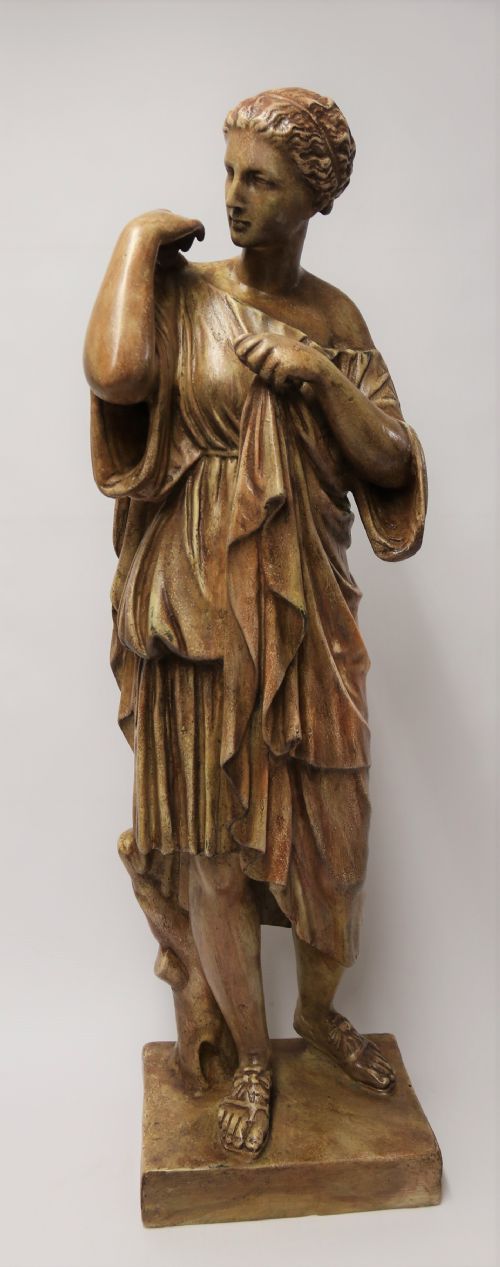
Subjects span mythological figures like Diana the Huntress, Cupid and Psyche, and Venus, alongside Roman emperors and historical portraits. The selection reflects a persistent Victorian and Edwardian fascination with the antique world translated into baked earth.
Materials and methods
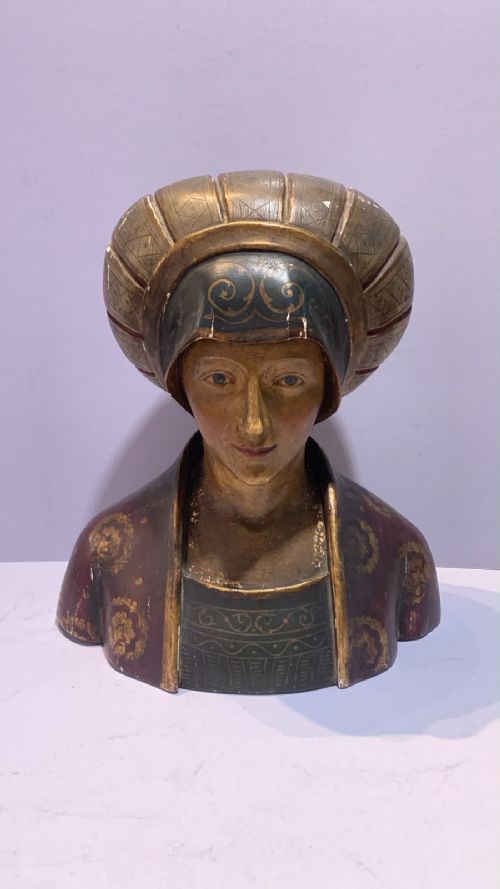
Makers shaped these pieces primarily from clay, earthenware, and terracotta, often finishing surfaces with applied paint, polychrome detailing, or bronze-effect patination known as bronzed terracotta. Plaster and porcelain also appear alongside the core terracotta medium, reflecting the varied manufacturing techniques of European potteries and independent sculptors.
Sculptors utilised moulds or worked freehand to capture fine details, following classical prototypes or producing reductions after the antique. Firing temperatures and clay compositions determined the hardness and porosity of the finished sculpture, while surface coatings provided either a matte earthy texture or the illusion of marble and bronze.
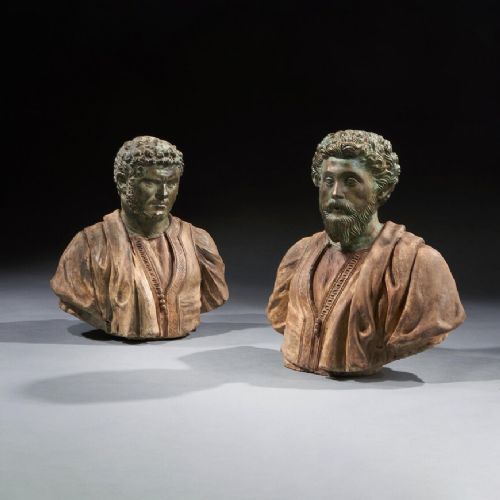
Marcus Aurelius and Caracalla stare sternly across the centuries from their terracotta perch, proving that Roman emperors make surprisingly effective bookends.
Judging quality and execution
The sophistication of the surface finish further separates standard works from exceptional examples. Finer pieces retain original polychrome, subtle faux marble effects, or patination that enhances the sculptural contours without obscuring the underlying clay.
Royal Dux·Goldscheider·Compton Potters Art Guild
The Classical Terracotta Statue Glossary
- Terracotta
- Fired unglazed clay of a brownish-red colour, widely used for sculpture and architectural ornaments. It allows for direct modelling and retains fine details after firing in a kiln.
- Neoclassical
- A style originating in the mid-eighteenth century that drew inspiration from the art and culture of classical antiquity. It prioritises symmetry, restraint, and subjects drawn from Greek and Roman history and mythology.
- Grand Tour
- A traditional trip through Europe undertaken by upper-class young men in the eighteenth and nineteenth centuries to absorb classical art and culture. Travellers frequently returned home with portable sculptures and busts.
- Polychrome
- The practice of decorating architectural elements, sculpture, or pottery in a variety of colours. In nineteenth-century terracotta, it often imitates the painted appearance of ancient Greek and Roman statuary.
- Putti
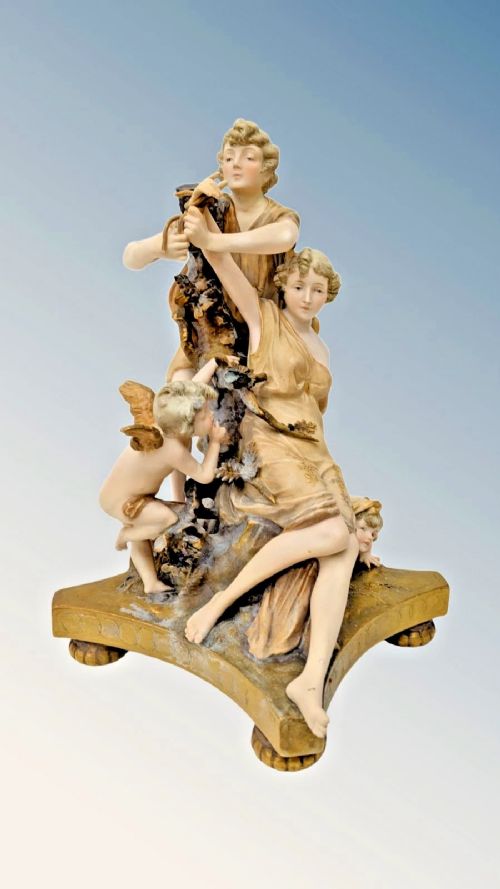
- Representations of chubby, winged male infants, often depicted in art from the Renaissance onwards. They derive from classical depictions of Eros or Cupid and appear frequently in sculptural groups and bookends.
Classical Terracotta Statue: Frequently Asked Questions
Are these statues suitable for outdoor gardens?
While certain robust terracotta pieces and garden statues withstand outdoor placement, many nineteenth-century works feature delicate paintwork or porous clay bodies unsuited to frost and damp.
Protecting finer interior sculptures from extreme weather preserves the surface finish and prevents structural deterioration over time.
How do I identify a nineteenth-century piece?
Examine the base, modelling style, and any impressed factory marks or artist signatures for clues to the date of manufacture. Nineteenth-century examples frequently employ revival styles like neoclassical or Renaissance revival, paired with characteristic nineteenth-century clays and patinations.
Comparing the casting quality and subject matter against known factory output helps confirm the period.
What is bronzed terracotta?
Bronzed terracotta is an earthenware or terracotta sculpture finished with a metallic surface coating designed to simulate cast bronze. This technique offered a lighter and more affordable alternative to metal casting while retaining fine sculptural detail.
The metallic finish can show subtle wear over decades, revealing the reddish clay beneath.
How should I clean a terracotta statue?
Dust terracotta gently with a soft, dry brush to remove accumulated surface dirt without disturbing the clay or any applied patination. Avoid using water, soap, or chemical cleaners, as porous earthenware absorbs moisture and moisture can damage historic surface finishes.