


Vintage Terracotta Art
Vintage terracotta art brings warmth and texture into a room through fired clay modelled into figures and busts.
Vintage Terracotta Art
Vintage terracotta art encompasses fired clay sculptures, figures and busts originating from the late nineteenth century through to the mid twentieth century. Buyers seeking this phrase encounter continental European figurative works alongside English pottery vessels and decorative wall pieces.
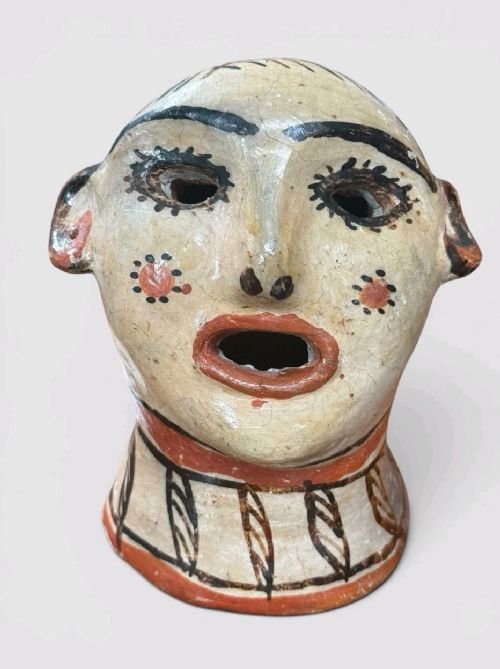
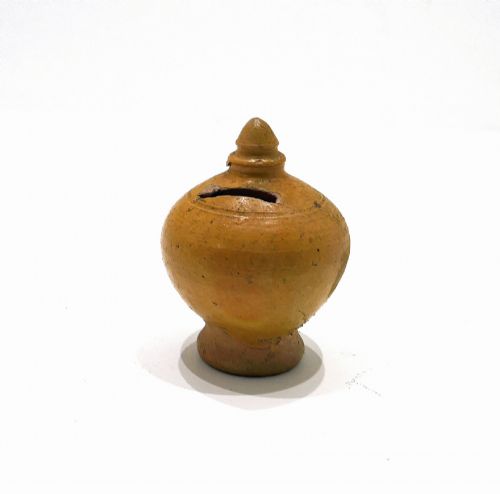
The objects span distinct periods such as the Edwardian era, Art Nouveau and Art Deco, reflecting shifting tastes in interior ornamentation. Pieces range from classical Roman figures to stylized tribal busts and folk art money boxes.
Makers and potteries from Austria, Bohemia and Britain dominate the selection, often utilising slip cast or hand-modelled techniques. These sculptures bring a tactile earthy presence to domestic spaces.
Materials and production methods
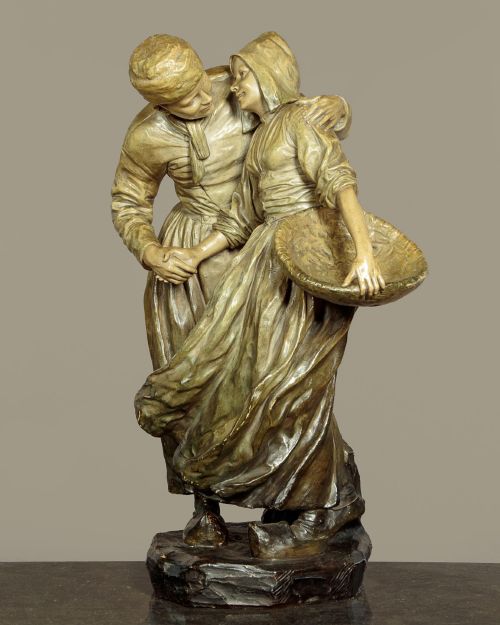
The primary material is terracotta, a porous iron-rich earthenware fired at moderate temperatures to achieve its characteristic reddish-brown hue. Some workshops applied bronze or metallic slips to the fired clay surface to imitate cast metal.
Moulds enabled the production of detailed slip cast figures, while other pieces received hand-modelled details from sculptors working in European studios. Earthenware variations also appear alongside specialised pottery bodies from historical factories.
A nineteenth-century Dorset money box proves that saving pennies once required serious earthenware dedication.
Distinguishing quality in terracotta works
The application of patination, painted finishes or bronzed slips separates standard output from exceptional studio pieces. Maker marks, impressed signatures and clear registry numbers confirm the origin and workshop standards of the work.
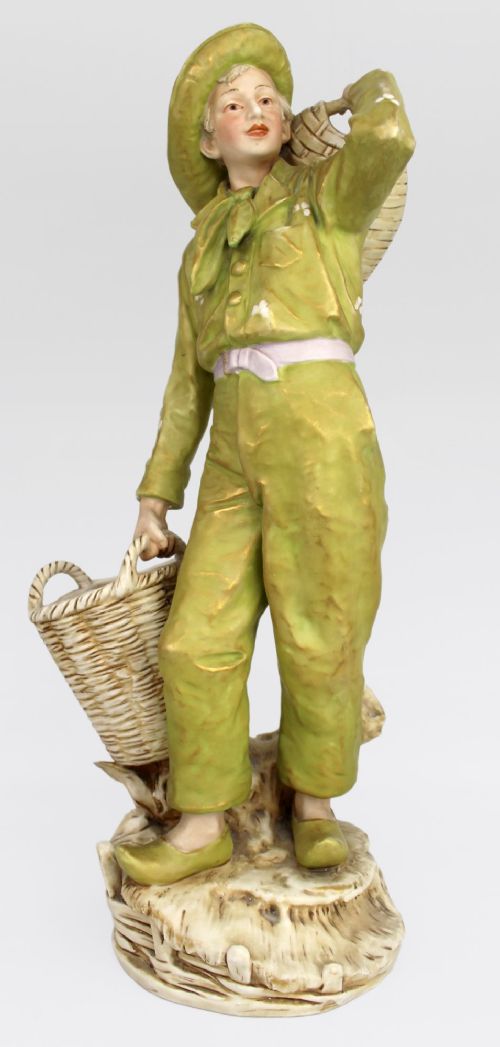
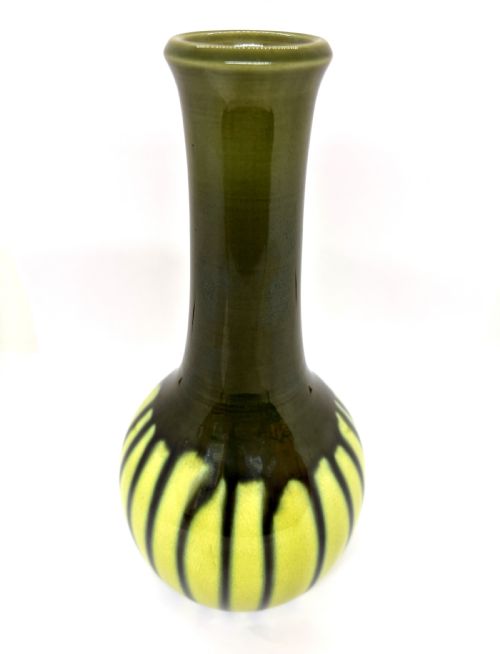
Royal Dux Bohemia·Burmantoft's Pottery·Goldscheider·Verwood Pottery
The Vintage Terracotta Art Glossary
- Terracotta
- Fired unglazed clay of a brownish-red colour. It serves as a primary medium for sculptural figures and architectural ornaments.
- Slip cast
- A manufacturing method where liquid clay slip is poured into a plaster mould. This technique allows for the efficient production of intricate figurative forms.
- Earthenware
- Pottery fired at lower temperatures that remains porous unless glazed. It constitutes the base material for many traditional figures and money boxes.
- Patination
- The surface appearance altered by age, wear or applied finishes. In terracotta, it often includes simulated bronze or metallic coatings.
- Figurine
- A small modelled or carved figure representing a human or animal. These decorative objects were popular for mantelpieces and display cabinets.
Vintage Terracotta Art: Frequently Asked Questions
What is vintage terracotta art?
Vintage terracotta art comprises fired clay sculptures, figures and decorative busts made during the late nineteenth and twentieth centuries.
These pieces reflect various design movements, including Art Nouveau and Art Deco, produced by notable European potteries and independent sculptors.
How were these terracotta pieces displayed?
Figures and busts were typically placed on mantelpieces, pedestals or side tables as prominent interior ornaments.
Larger sculptural groups and vases served as focal points in Victorian and Edwardian drawing rooms.
How do I care for terracotta art?
Terracotta requires gentle dusting with a soft, dry brush to prevent dirt accumulation within the porous surface.
Keep pieces away from high moisture areas and direct water contact to protect the unglazed clay and applied finishes.
How can I identify the period of a sculpture?
Dating relies on stylistic markers associated with specific design movements, such as Art Nouveau curves or Art Deco geometric lines.
Impressed factory marks, artist signatures and registration numbers also help establish the chronological origin.