
Antique Terracotta Figure
An antique terracotta figure brings the warmth of fired earth and classical modelling into a room.
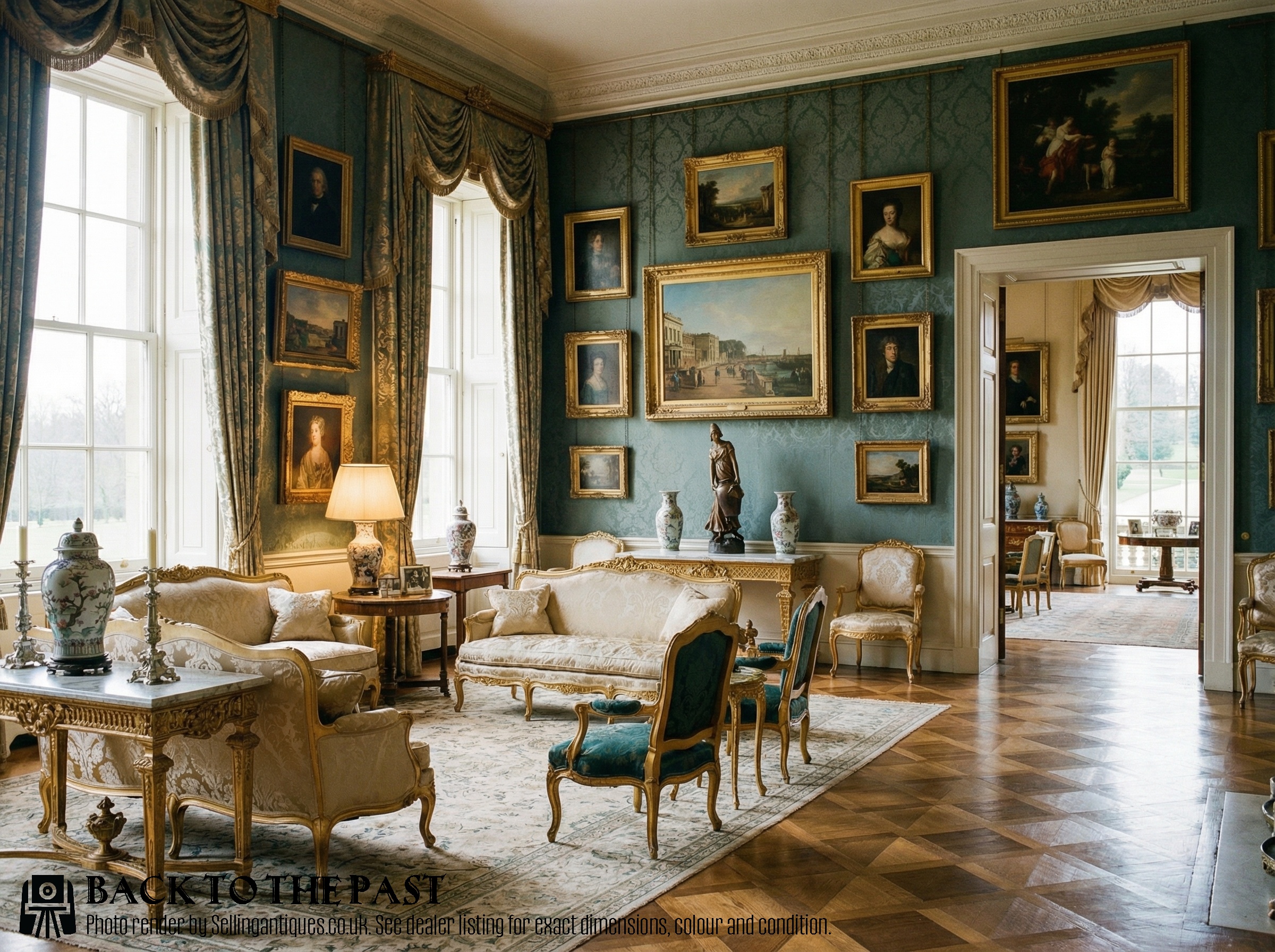
Antique Terracotta Figure
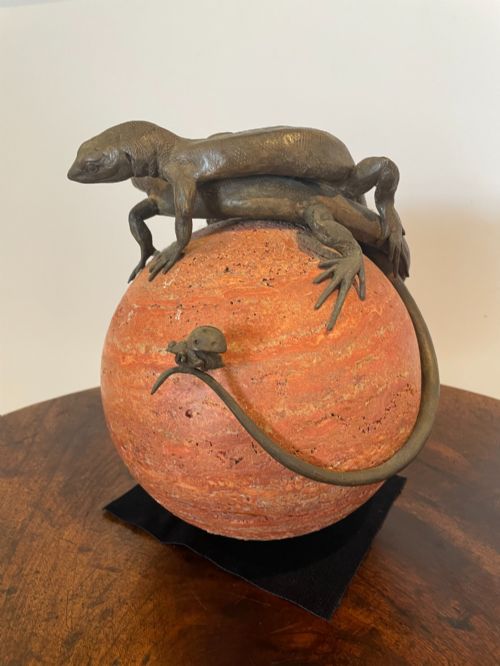
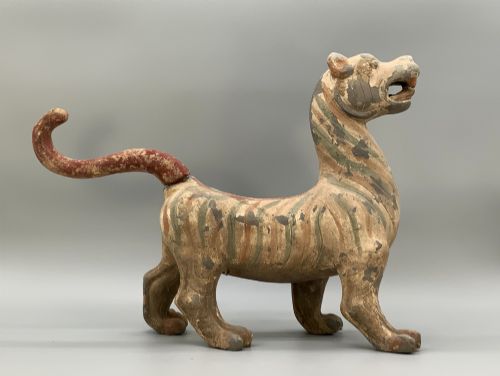
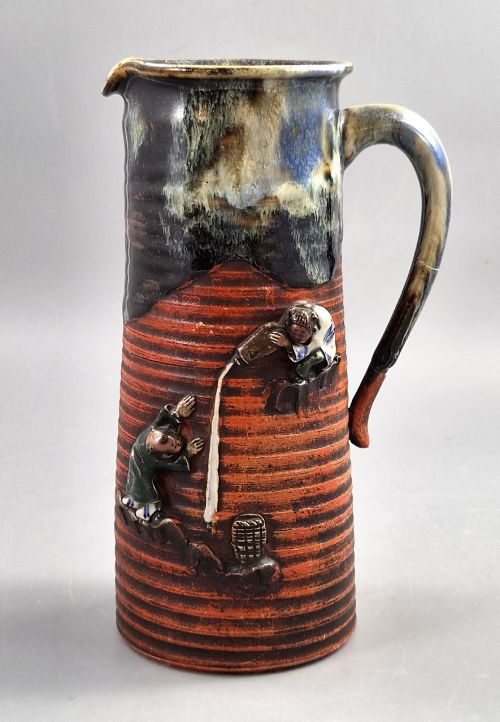
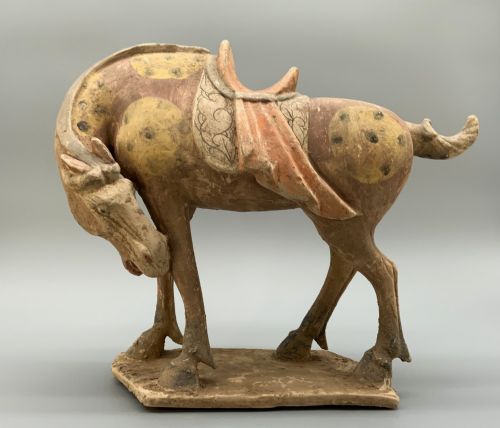
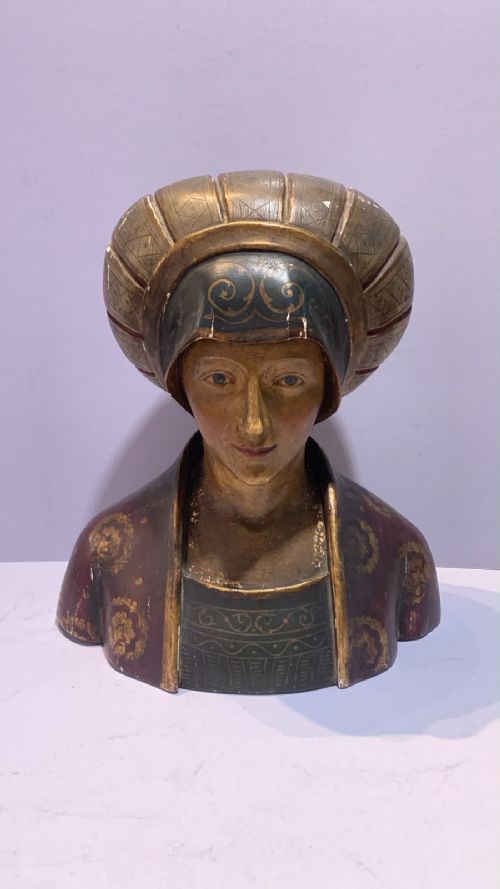
An antique terracotta figure encompasses modelled clay works from diverse periods, ranging from ancient tomb sculptures to European portrait busts and decorative subjects. When exploring this category, a buyer encounters everything from classical mythological depictions to Victorian animal models and Oriental glazed ceramics.
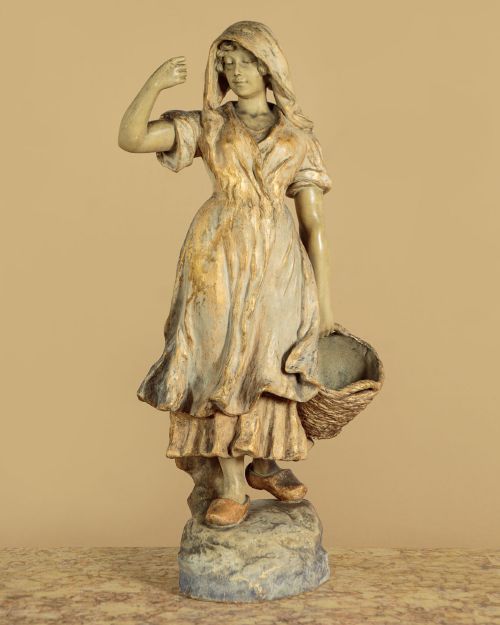
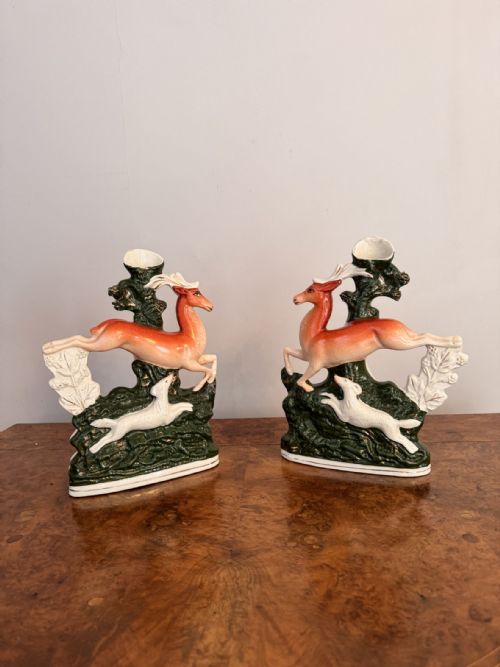
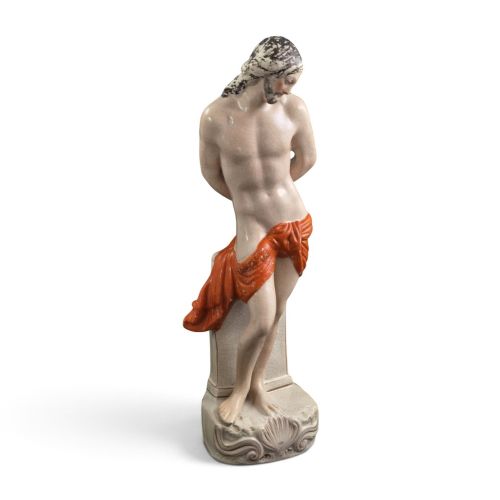
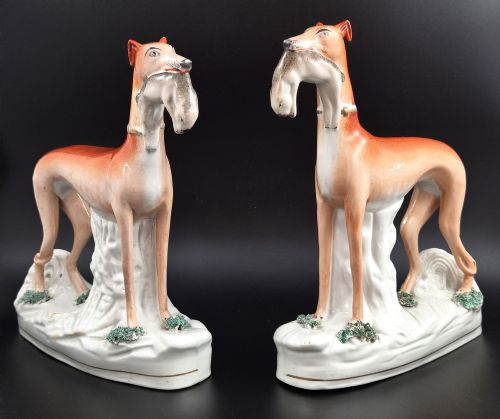
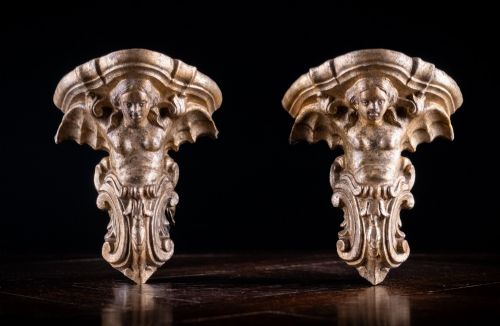
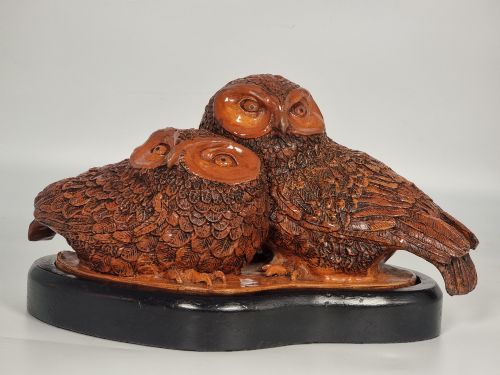
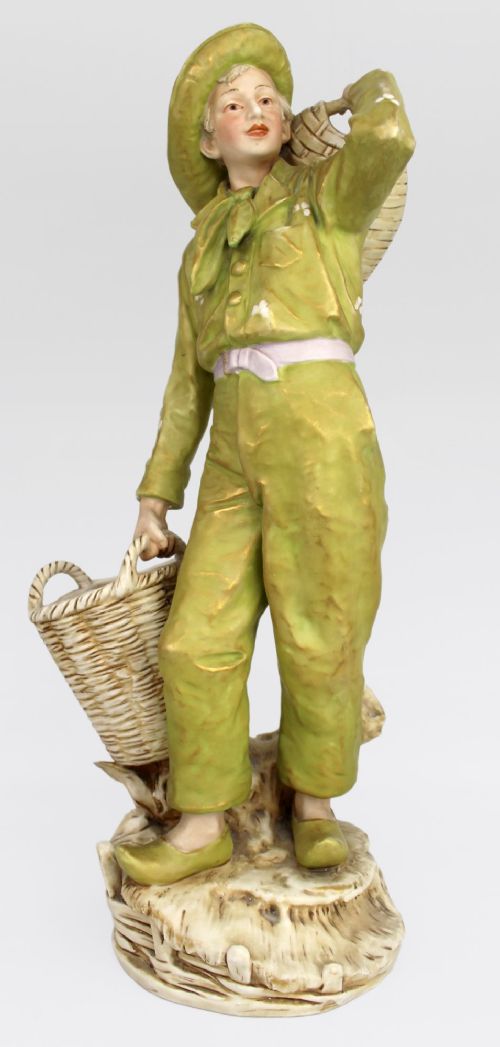
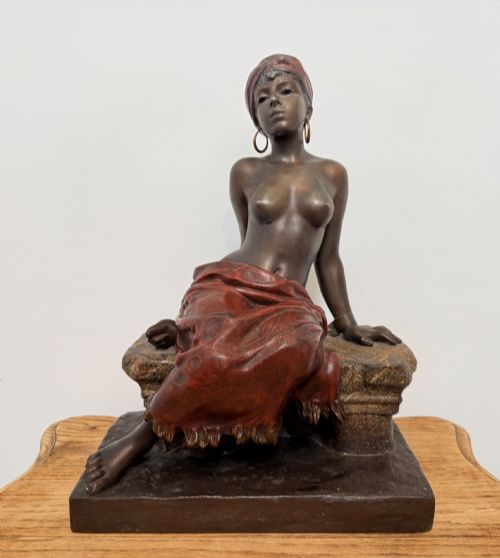
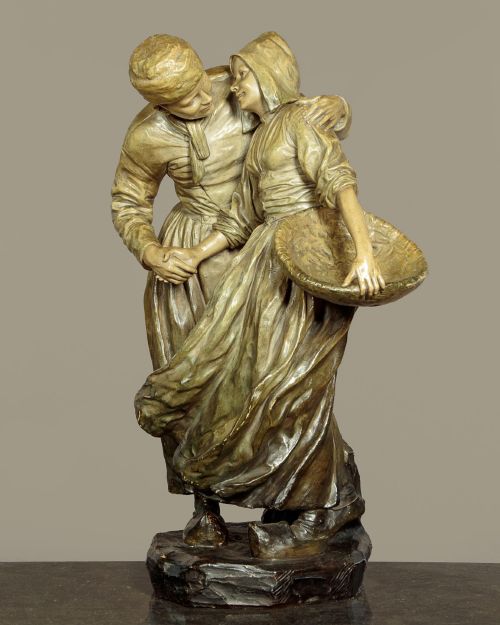
The pieces appearing on this page lean heavily towards late nineteenth-century European production, particularly Austrian terracotta works, alongside Staffordshire earthenwares and Asian pottery figures. These sculptural objects take the form of wall brackets, portrait busts, animal groups, and full figurative studies.
Originating across different continents and eras, these items reflect both domestic mantelpiece decoration and grand tour tastes. The selection bridges utilitarian vessels with applied figures and purely sculptural representations fashioned in baked clay.
How they were made
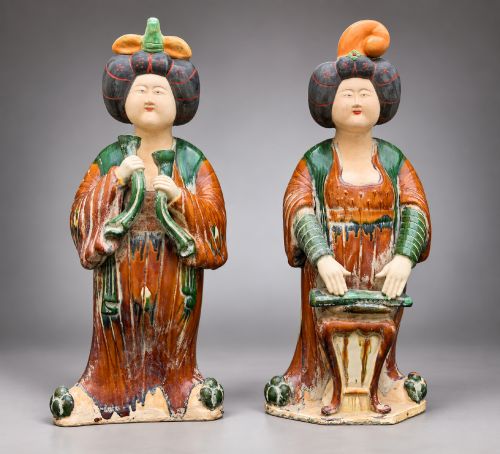
Makers shaped these objects using terracotta, earthenware, and pottery clays, often finished with applied paint, slip casting, or glazes such as sancai. The raw clay was modelled by hand or pressed into moulds before undergoing firing in a kiln to achieve a durable ceramic body.
Many European and Asian examples incorporate surface treatments like bronzed slips, polychrome pigments, or colourful lead glazes to accentuate modelled details. The interaction between the porous fired clay and subsequent surface coatings defines the tactile quality of each piece.
Several grumpy-looking pugs in glazed and terracotta ceramic patiently wait to guard your mantelpiece.
What varies in quality
The application of surface finishes, whether hand-painted pigments, specialised glazes, or bronzed slips, dictates the visual depth of the object. Superior examples retain their original surface integrity without heavy overpainting obscuring the underlying clay work.
Goldscheider·Royal Dux Bohemia·Thomas Parr·Inoue Ryōsai·Ishiguro Kōko
The Antique Terracotta Figure Glossary
- Terracotta
- A porous, unglazed or glazed fired red earthenware clay. This material forms the primary structural body for many classical and nineteenth-century European sculptures.
- Slip cast
- A manufacturing technique where liquid clay slip is poured into a plaster mould. This method allowed makers to produce consistent sculptural forms in higher volumes during the Victorian era.
- Sancai
- A traditional Chinese three-colour lead glaze technique. It typically combines amber, green, and cream tones on pottery figures and vessels.
- Grand Tour
- A cultural journey undertaken by nineteenth-century Europeans to collect classical antiquities and souvenirs. This practice inspired numerous terracotta busts and classical reproductions.
- Mingqi
- Chinese spirit or tomb figures placed in burials to serve the deceased. These earthenware artefacts date back to ancient dynasties.
Antique Terracotta Figure: Frequently Asked Questions
Are all terracotta figures solid clay?
Many larger sculptures and figures are hollow rather than solid to ensure even drying and firing in the kiln. Hollow construction reduced weight and prevented the thick clay from cracking during high temperatures.
Smaller figurines or specific moulded parts might be semi-solid or cast with thick walls. Examining the base or underside often reveals the hollow interior construction typical of these ceramics.
How can I tell the period of a terracotta piece?
Dating relies on stylistic clues, clothing, hair styles, and the specific manufacturing marks or signatures stamped on the base. Comparing the modelling conventions to known periods helps narrow down the origin.
Signatures from established firms or artists provide a direct link to a specific active timeframe. Patina, wear patterns, and the composition of the clay body further aid in confirming the age.
Where should I display my figure at home?
Place the sculpture on a stable surface away from areas prone to heavy vibrations, accidental knocks, or high humidity. Stable indoor environments protect the baked clay and any delicate surface paint from environmental stress.
Positioning the piece where natural light catches the modelling enhances the visual depth of the form. Ensure it sits securely out of reach of pets and bustling household traffic.