
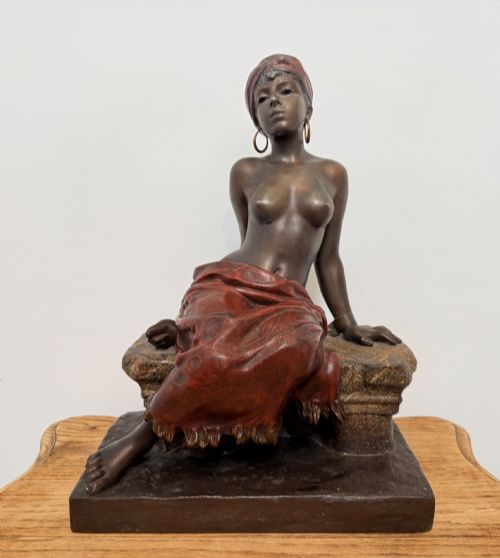


Patinated Terracotta Statue
These patinated terracotta statue pieces combine moulded earth with applied finishes, offering sculptural presence from the nineteenth and early twentieth centuries.
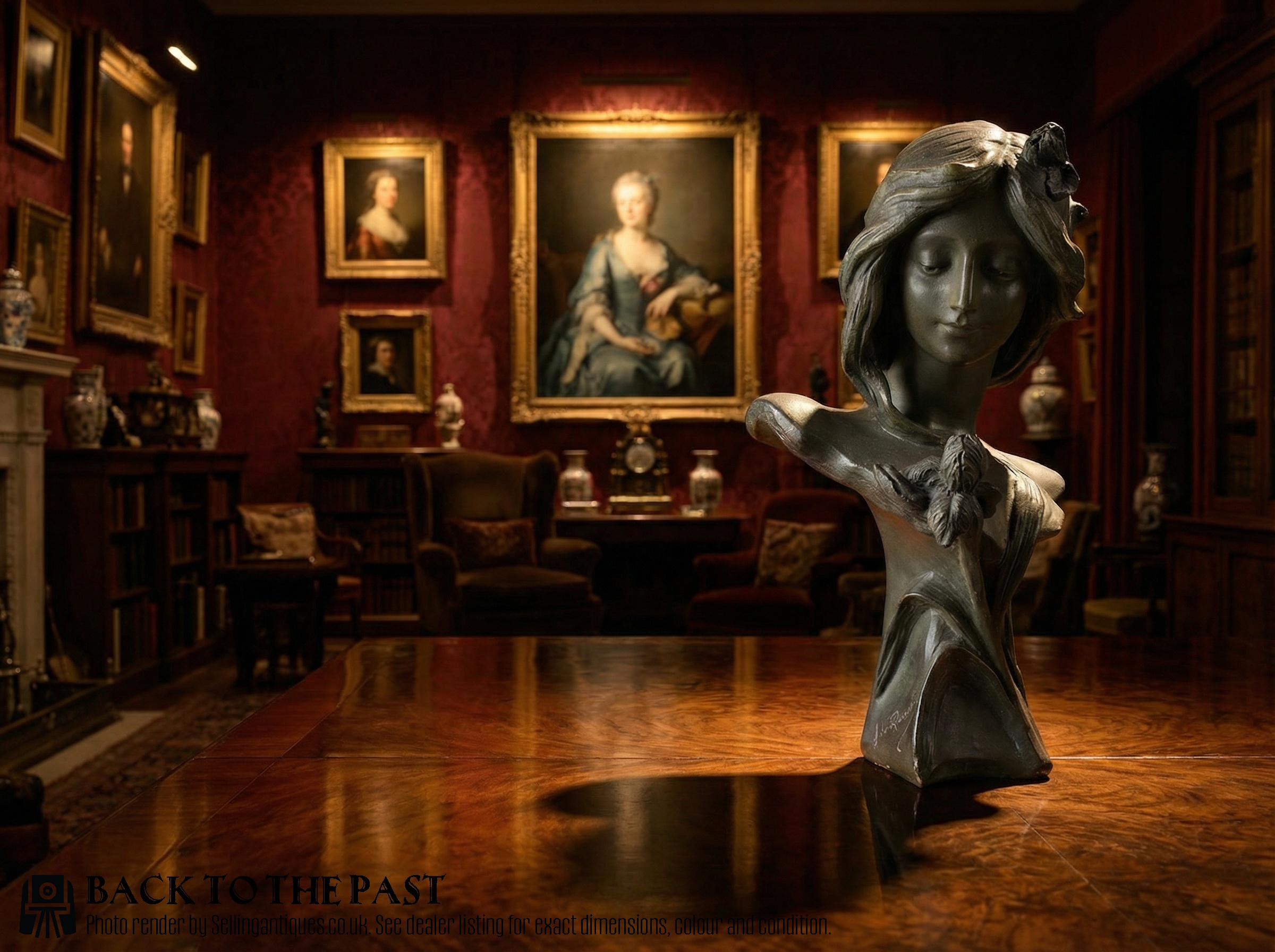
Patinated Terracotta Statue
A patinated terracotta statue brings classical figures, animalier subjects and human busts into domestic spaces through shaped and fired clay. When you search for a patinated terracotta statue, you meet works spanning the Victorian, Edwardian, Art Nouveau and Art Deco periods. The selection includes full figures, life-size busts and statuettes created across Europe.
Most examples originate from the nineteenth century up through the nineteen-thirties, showcasing styles from Neoclassical copies to French animalier studies. Makers and studios employed terracotta alongside plaster, paint and bronze elements to achieve varied sculptural forms.
How they were made
Sculptors shaped damp terracotta clay by hand or pressed it into moulds before firing the material in kilns to achieve a hard ceramic body. Artisans then applied surface treatments including paint, pigment and bronze finishes to simulate metal or stone.
Makers integrated internal supports such as metal wire and wooden components into larger sculptures like life-size busts to provide structural stability during the drying and firing processes.
An Alsatian dog stands shoulder-to-shoulder with classical goddesses and banjo players in the clay menagerie.
What varies in quality
The sophistication of the surface finish distinguishes standard production from exceptional works. Master artisans built up layers of pigment and bronze powder to create convincing patinas that highlight the underlying terracotta.
E Villanis·Pietro Calvi·Foucher·B Rezl·Frederic Goldscheider
The Patinated Terracotta Statue Glossary
- Terracotta
- A porous, fired clay body ranging in colour from red-brown to buff. It serves as the primary medium for these sculptural works.
- Patinated
- A surface treatment applied to mimic aged metal or stone. This finish enhances the visual depth of the terracotta sculpture.
- Animalier
- A nineteenth-century artistic genre focusing on realistic depictions of animals. French animalier pieces often capture dogs and wildlife in dynamic poses.
- Bust
- A sculpted representation of a person from the chest up. These objects capture classical subjects as well as contemporary figures from the Edwardian and Art Deco eras.
- Neoclassical
- An artistic style inspired by the art of classical antiquity. Sculptures in this manner frequently replicate famous ancient statues like the Venus de Medici.
Patinated Terracotta Statue: Frequently Asked Questions
How do I clean a patinated terracotta statue?
Dust the surface gently with a soft, dry brush to prevent the accumulation of dirt within the textured details.
Avoid using water, liquid cleaners or chemical solvents, as these substances can strip the delicate paint and bronze patination from the fired clay.
Are these sculptures solid clay?
Many larger pieces and life-size busts are hollow or contain internal supports of wood and metal wire to reduce weight and ensure even drying.
Smaller statuettes and figurines are frequently solid, depending on the moulding techniques employed by the workshop.
Where were these statues made?
The pieces originate primarily from European workshops and studios active during the nineteenth and early twentieth centuries. French and Austrian potteries produced many of the notable figural and animalier sculptures seen today.
Italian makers often focused on classical subjects, creating terracotta versions after ancient marble prototypes.
How do I identify Art Nouveau examples?
Art Nouveau sculptures display flowing lines, organic plant motifs and stylised representations of female figures. The patination on these pieces often accentuates soft, undulating drapery and hair.
Look for the characteristic aesthetic of the turn of the twentieth century in the posture and garment design.